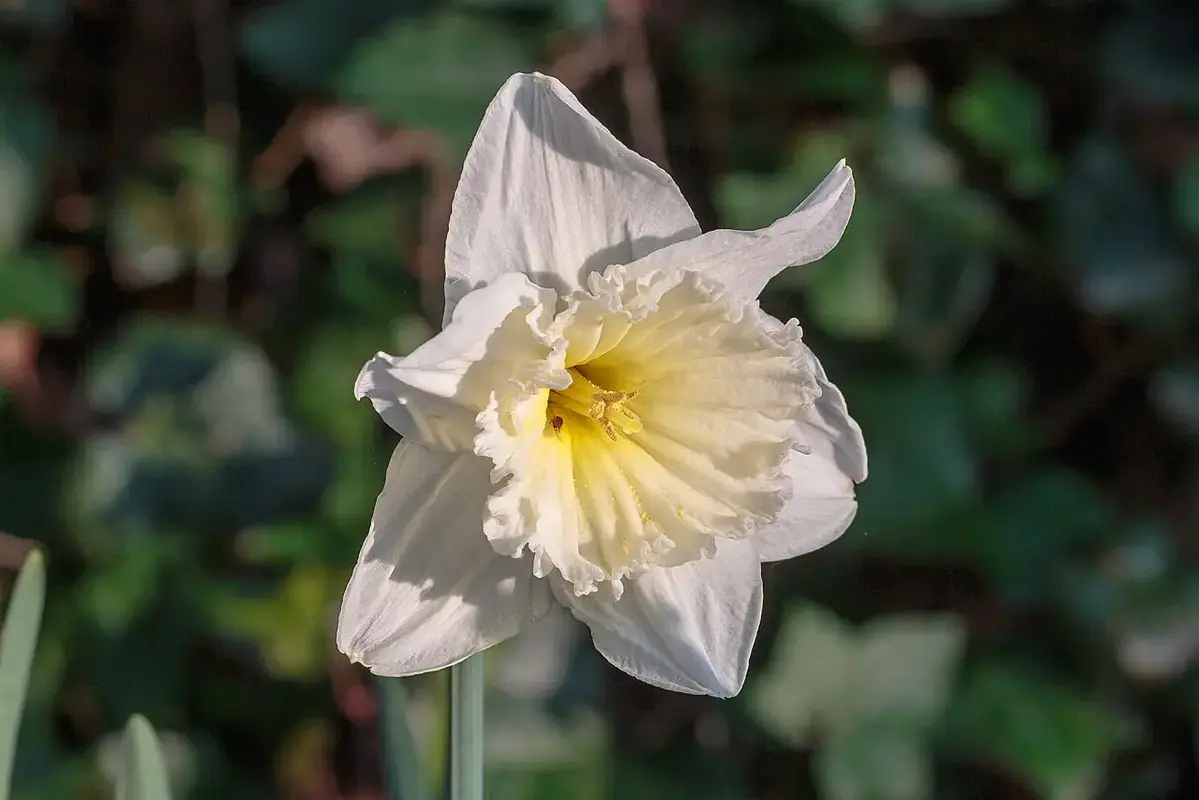
Fading is different from the brown, damp damage addressed in the pressing guide. If the specimen is three-dimensional rather than flat, use the dried-flower storage checks before opening the frame.
All visible light can contribute to change over time, while ultraviolet exposure is especially damaging. A bright frame may look attractive for a season but sacrifice colour faster than a lower-light display.
Identify what changed
Build a safer display
- 01Photograph the current colour
Use the same room and lighting for future comparisons.
- 02Move away from the sun path
A wall that never receives a direct beam is better than rotating a frame in the window.
- 03Inspect the backing
Replace stained, acidic or buckled paper with archival-quality support if the specimen can be handled safely.
- 04Consider UV-filtering glazing
It reduces part of the light risk but does not make direct sun safe.
- 05Limit display for sentimental pieces
Use a high-quality scan or photograph for bright areas and store the original dark and dry.
Use a rotation plan for seasonal display
Display the original for a limited period, then return it to a closed archival box or dark cabinet. Mark the month on the back of the frame and compare with your reference photograph before the next display. Rotation distributes enjoyment; it does not undo light damage.
Know when not to open the frame
Leave very brittle, glued or historically important specimens in place if opening would break them. For keepsakes with monetary, archival or irreplaceable sentimental value, a paper or textile conservator can advise on glazing, backing and contamination without trial-and-error cleaning.
Research notes
Sources and editorial method
These recommendations translate horticultural and postharvest guidance into repeatable home checks. Timings are working ranges, not guarantees.


