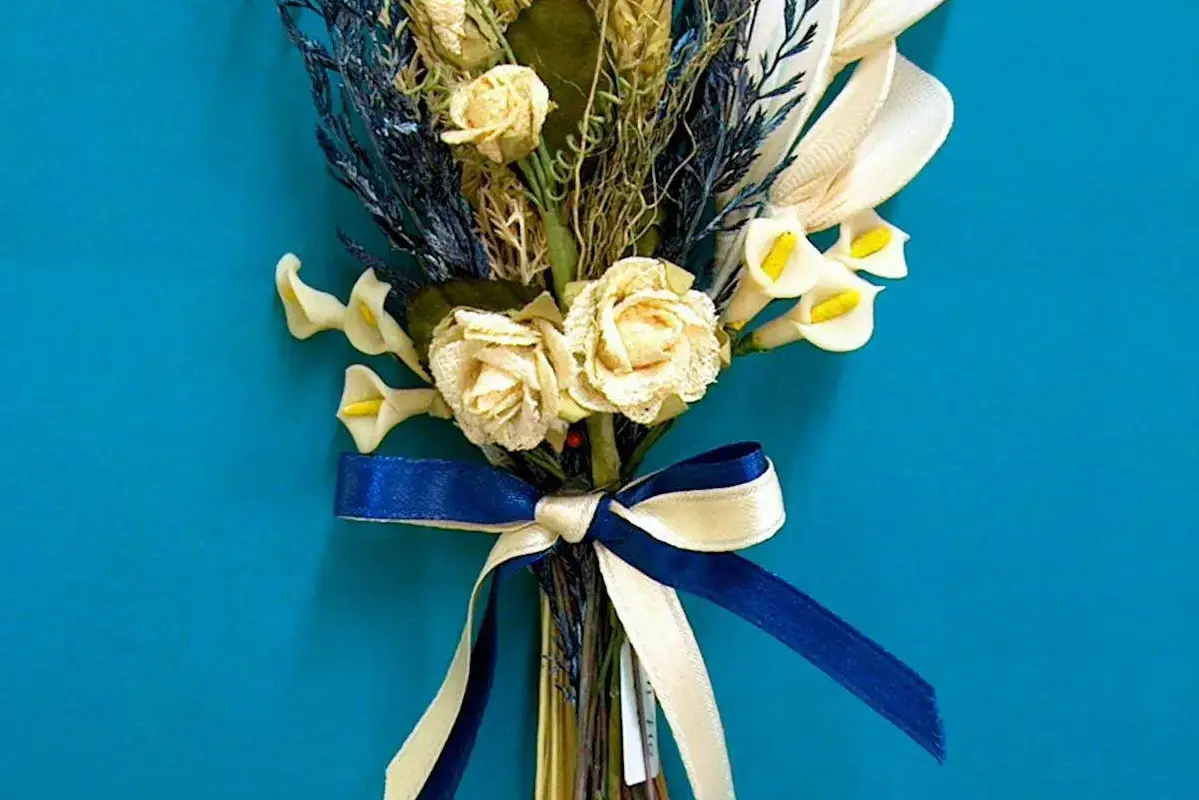
When should flowers be harvested for drying? Usually before the fresh bloom becomes soft or over-open, when colour is strong and the stem or head still holds its shape. The exact stage depends on the species and method; structure and moisture are more useful than a calendar date alone. This guide works alongside the air-drying candidate guide so you can separate the first observation from the next action.
Head holds its outline
A drying method preserves existing shape; it does not rebuild a collapsed head.
Surface is dry, centre not rotten
Wet material needs a method and spacing that match its thickness.
Colour is strong but not fading
Drying usually mutes colour, so waiting too long costs contrast.
Base is firm enough to handle
A soft or split stem adds failure risk to the whole batch.
Read the evidence before acting
A measured care sequence
- 01Choose a dry harvest window
Cut after dew or irrigation has dried, using a clean tool and leaving enough sound stem.
- 02Sort by thickness
Keep thin papery flowers apart from dense heads so each receives an appropriate method.
- 03Remove damaged material
Do not bundle a soft, spotted or mouldy flower with sound stems.
- 04Start preservation promptly
Hang small loose bunches or set up the chosen support before the harvested material warms and wilts.
Keep, adjust or remove?
- Head holds its outlineA drying method preserves existing shape; it does not rebuild a collapsed head.
- Surface is dry, centre not rottenWet material needs a method and spacing that match its thickness.
- Colour is strong but not fadingDrying usually mutes colour, so waiting too long costs contrast.
- Base is firm enough to handleA soft or split stem adds failure risk to the whole batch.
If you are unsure, preserve one test stem first and record its stage, method and result. A small honest trial is safer than committing an entire bouquet to the wrong drying method. For a related symptom, return to the air-drying candidate guide rather than applying several changes at once.
Research notes
Sources and editorial method
This guide turns general postharvest and preservation advice into visible household checks. Timing and thresholds are starting points: cultivar, harvest stage, transport, room humidity and vase condition can change how a particular flower responds.


