How can you document pressed flowers before framing without damaging or misrepresenting their condition? This guide works alongside the pressed flower digitisation guide so you can separate the first observation from the next action.
Flower lies flat without loose pressure
A stable backing prevents a fragile edge from lifting while the camera is positioned.
Even light without glare
Reflections can hide translucent petals and make colour comparison unreliable.
Ruler or known-size card
A scale shows shrinkage and missing pieces more usefully than a close crop alone.
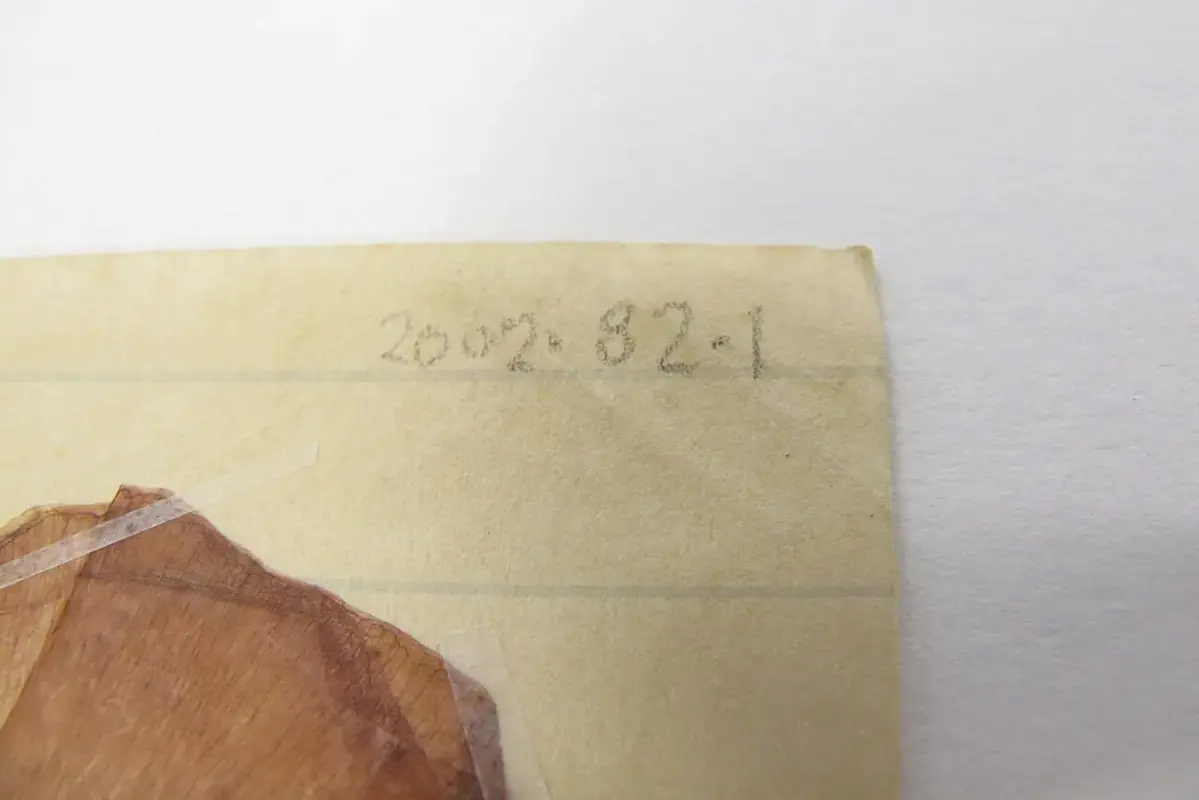
Date, name confidence and condition
A label preserves uncertainty instead of turning an assumed identification into fact.
Read the evidence before acting
A measured care sequence
- 01Prepare the surface
Use a clean dry backing away from food, water and direct sun; place the specimen with tools nearby but not on it.
- 02Set the camera
Use a phone or camera parallel to the sheet, with indirect light from both sides and no flash on reflective material.
- 03Capture context
Take one full view, one detail view and one image with scale and a handwritten date or neutral label.
- 04Store the record
Use a filename and note that matches the physical specimen, then frame or store it with minimal further handling.
Keep, adjust or remove?
- Flower lies flat without loose pressureA stable backing prevents a fragile edge from lifting while the camera is positioned.
- Even light without glareReflections can hide translucent petals and make colour comparison unreliable.
- Ruler or known-size cardA scale shows shrinkage and missing pieces more usefully than a close crop alone.
- Date, name confidence and conditionA label preserves uncertainty instead of turning an assumed identification into fact.
Photograph once while the specimen is stable, then let the record reduce future handling rather than creating another reason to reopen it. For a related symptom, return to the pressed flower digitisation guide rather than applying several changes at once.
Research notes
Sources and editorial method
This guide turns general postharvest and preservation advice into visible household checks. Timing and thresholds are starting points: cultivar, harvest stage, transport, room humidity and vase condition can change how a particular flower responds.