
What to Do in the First Hour After Bringing Flowers Home
A 60-minute plan for inspecting, trimming and hydrating a new bouquet before arranging it.
Browse all practical guides, or choose a topic to show only the articles you need.
379 guides
A 60-minute plan for inspecting, trimming and hydrating a new bouquet before arranging it.

A layer-by-layer guide to paper, sleeves and florist ties—including the one useful exception.

Match the recovery method to firm, wilted or damaged stems without relying on harsh revival tricks.
Find firm tissue, preserve usable length and adjust the cut for soft, woody, hollow or jointed stems.
A condition-first test for deciding which flowers can share one vase and which need separate recovery.

A clear 24-, 48- and 72-hour decision schedule based on water quality, stems and room conditions.

Use the haze, residue and stem condition to find the source—and complete the right reset before it returns.

Choose a measurable first-drink temperature for mixed bouquets, wilted stems, tulips and routine water changes.
Remove slippery film or a mineral ring with exact soaking, swirling and rinsing steps—without forcing a brush inside.
Know when a full new dose is needed, how to divide a sachet accurately and how to correct an over-concentrated vase.

Separate poor water uptake from a permanently creased neck, then choose whether to recover, shorten or remove the rose.

Reduce the usable opening, cross the stems for support and leave room for the tulips to keep growing naturally.

Diagnose soft, dry or damaged heads, then run a measurable 90-minute stem-first recovery before considering a bloom soak.
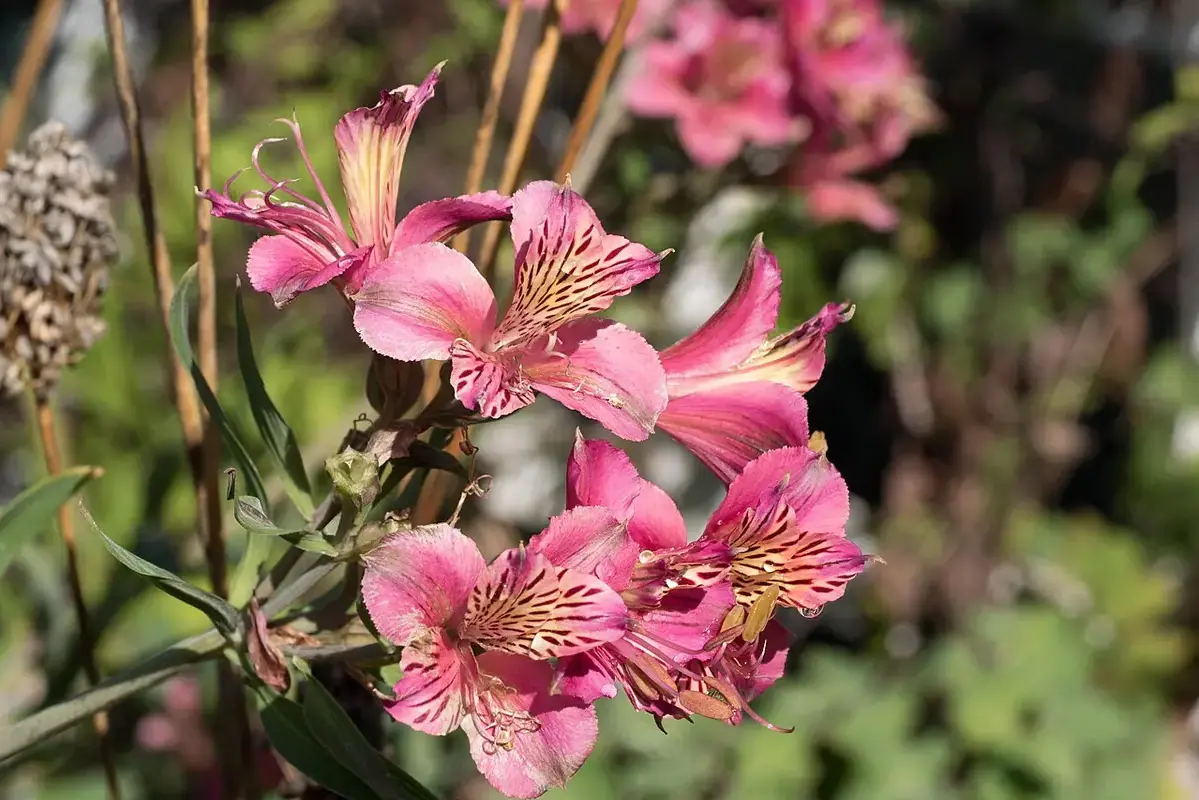
Use anther texture to catch the clean removal window, handle late pollen safely and avoid damaging the flower's central structures.
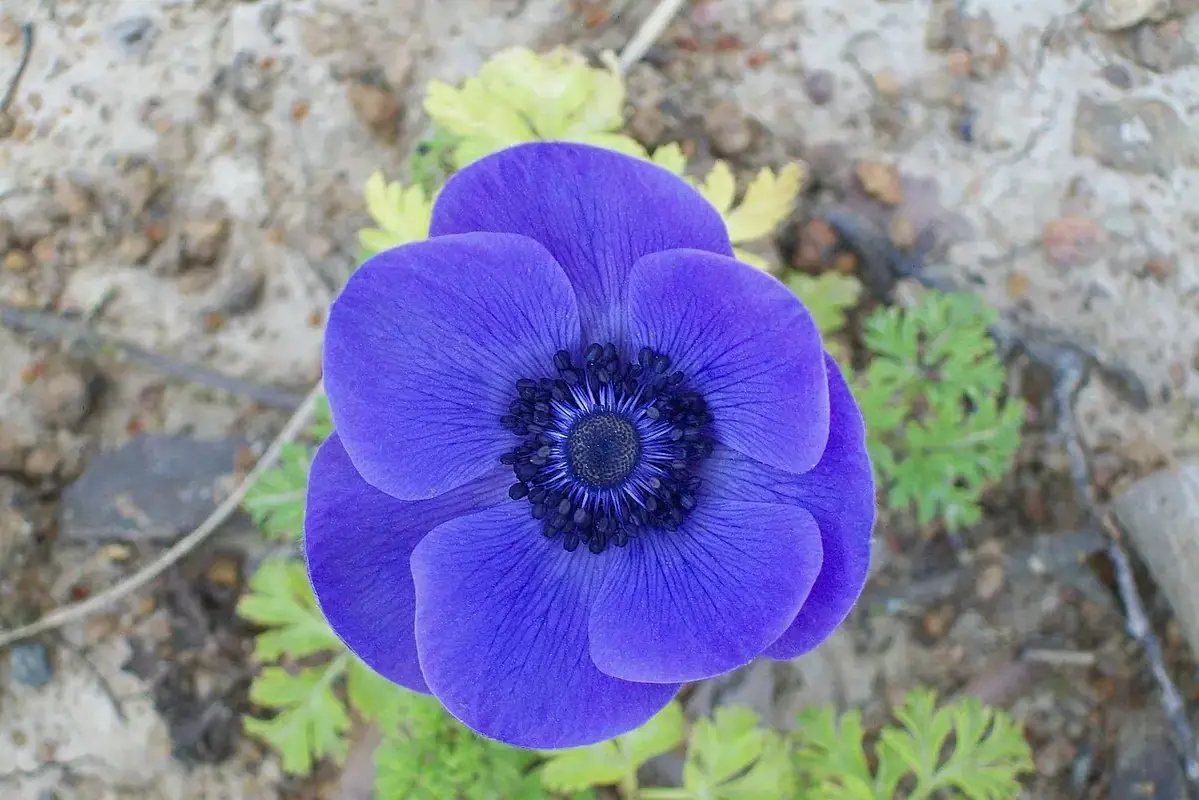
Use vase geometry, stem height and external support to balance heavy heads without inserting wire or crushing soft stems.
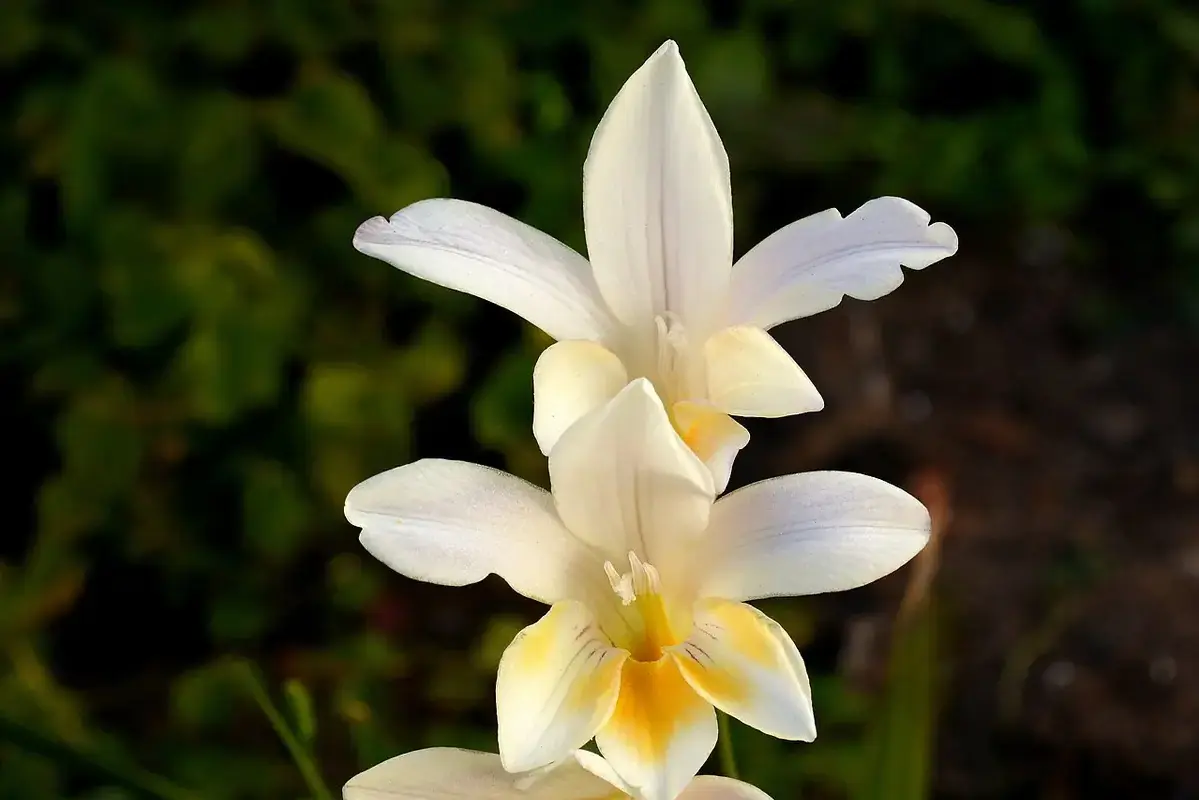
Use colour and the marshmallow test to separate a mature slow bud from one that was cut too early, then start opening it without petal damage.
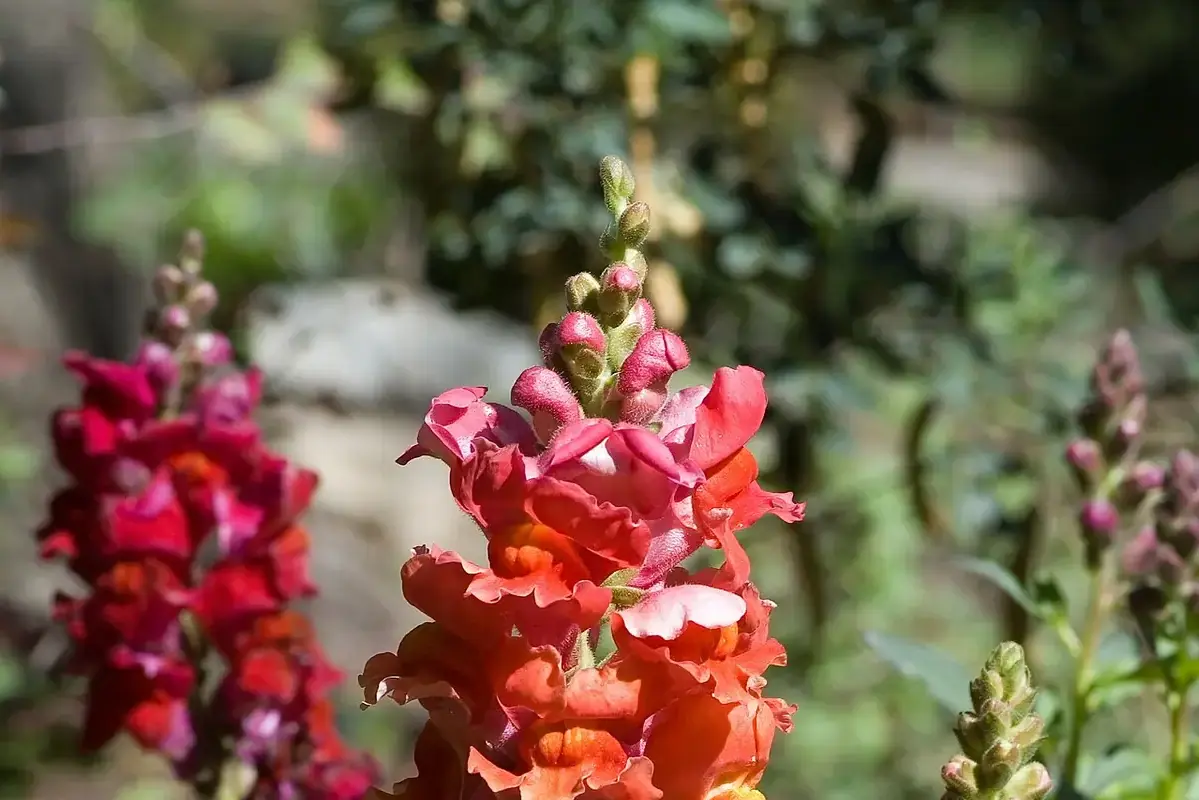
Condition fresh-cut daffodils separately for a measurable period, then transfer the stems without carrying sap-rich water into the mixed vase.

Separate a blocked stem, bent neck, low waterline and room-wide overnight stress before choosing a two-hour recovery or a shorter display.

Separate normal light-seeking growth from weak support, poor water uptake and a permanently creased stem with a 24-hour movement test.

Score colour, shape, texture and stem condition to identify a mature slow bud, an early-cut bud or one that should be removed.
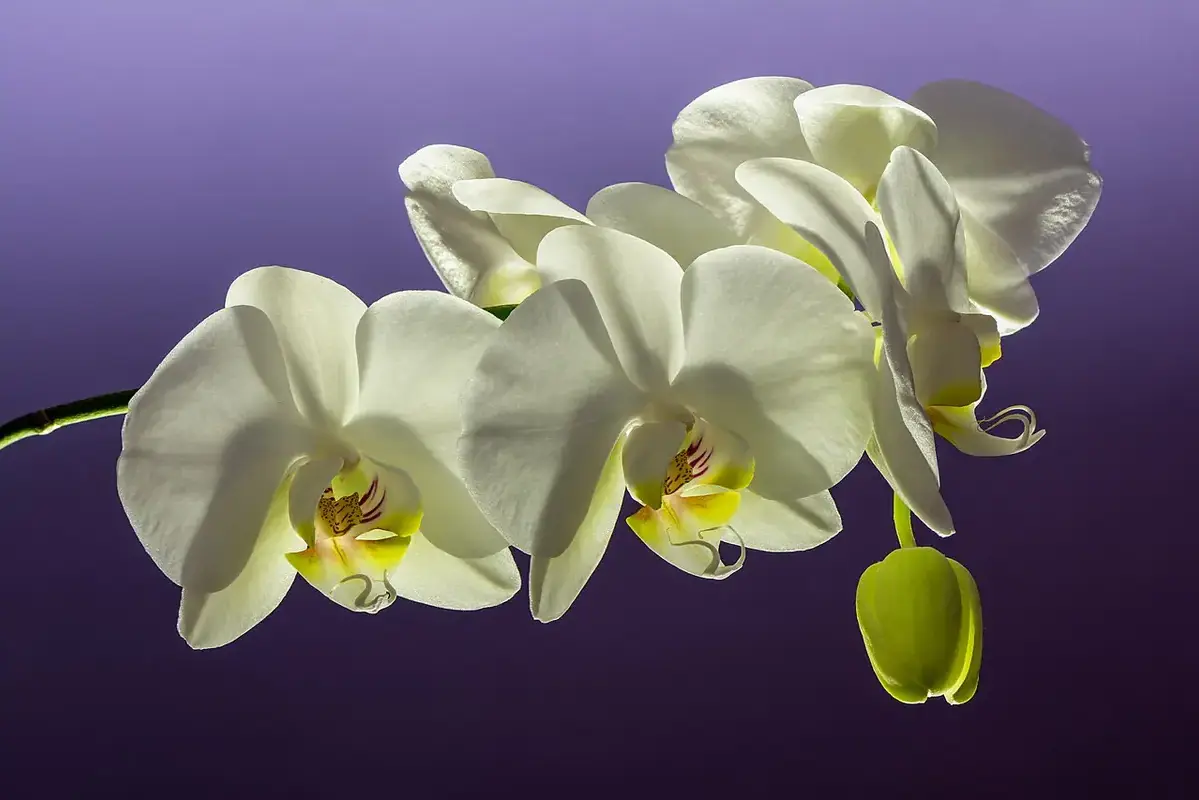
Use texture, boundary and location to tell a crisp ageing rim from a contact bruise or a soft spreading patch that needs isolation.
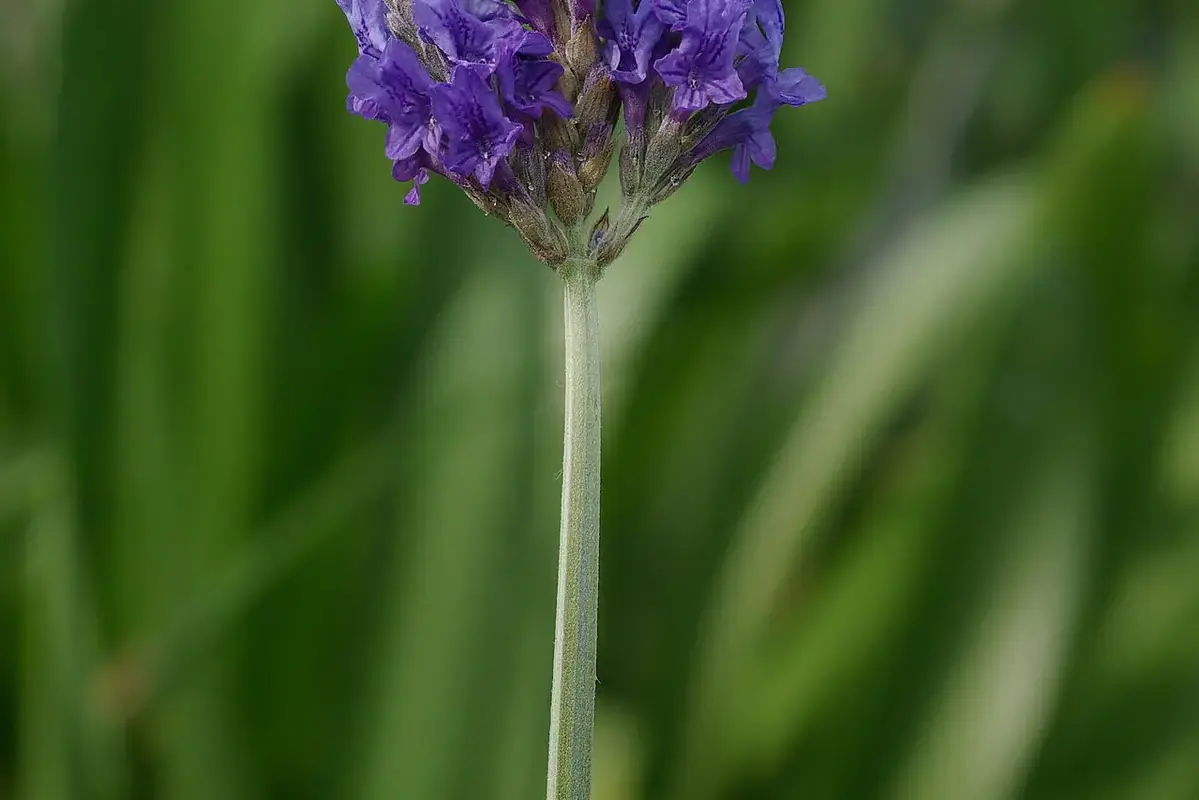
Use stem firmness and a clean-tissue recut to decide what survives, what needs a separate test vase and what should be discarded.

Choose a starting distance by window direction, then confirm it with a 15-minute light and water-temperature comparison.

Use a two-metre household starting rule, then adjust for ripe fruit, sensitive flowers, room size and ventilation.

Find a calm side zone with a 60-second tissue test instead of relying on thermostat temperature or distance alone.
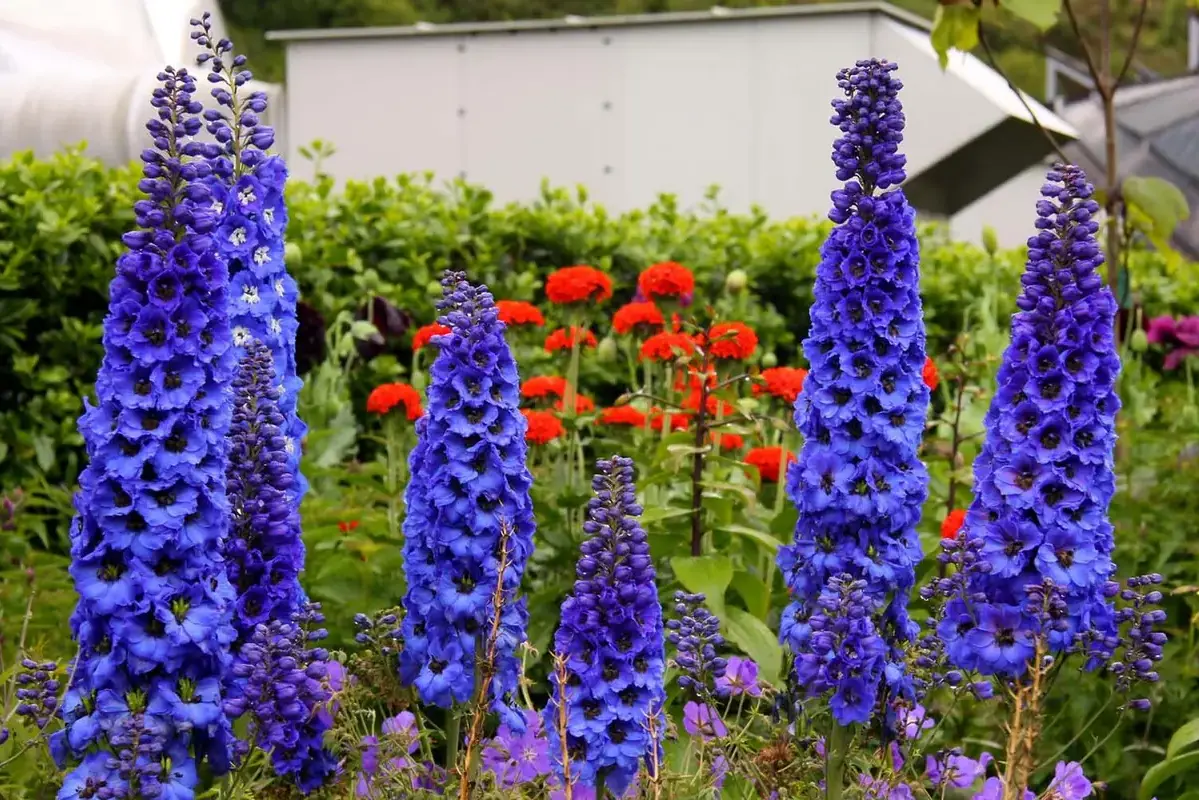
Use a measurable room-temperature difference and a safety scorecard to decide whether a nightly move is genuinely worthwhile.

Choose papery, structurally firm flowers at the right stage, then dry them in small spaced bunches before fresh-vase decline begins.

Use a 6 mm thickness screen and timed paper changes to prevent trapped centres, uneven drying and avoidable browning.

Build measurable support below, between and above the petals, then use flower thickness to set the first removal check.
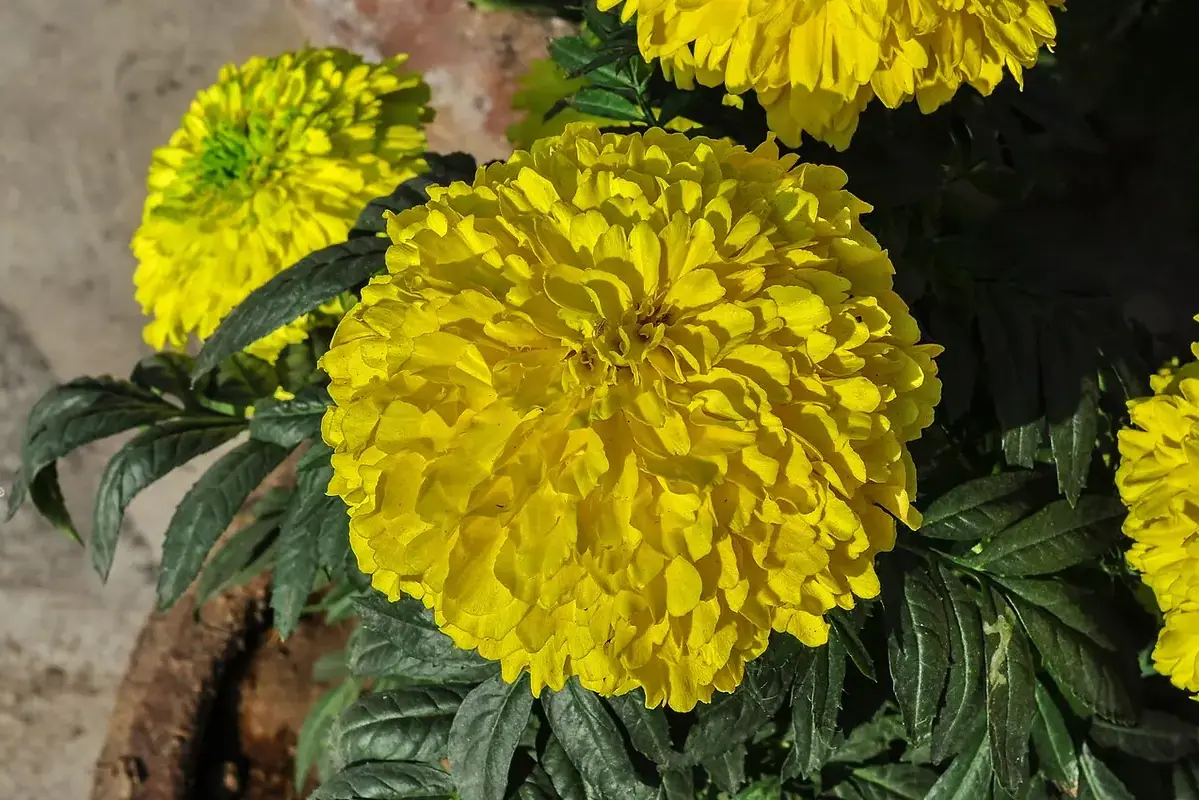
Identify safe-to-clean dust, support every stem and use a controlled brush-and-catch method for fragile preserved flowers.
A practical buying check for firm stems, hydrated petals and flowers with enough life left to arrange.
Set the height and balance of a tall bouquet without shortening more stem than the vase actually needs.
Choose the right water for a bouquet by checking quality, temperature and the condition of the stems.
Remove green residue from a clear vase with a safe cleaning route that protects the glass and the next bouquet.
Stabilise soft gerbera stems by correcting the waterline first, then add only the support the flower still needs.
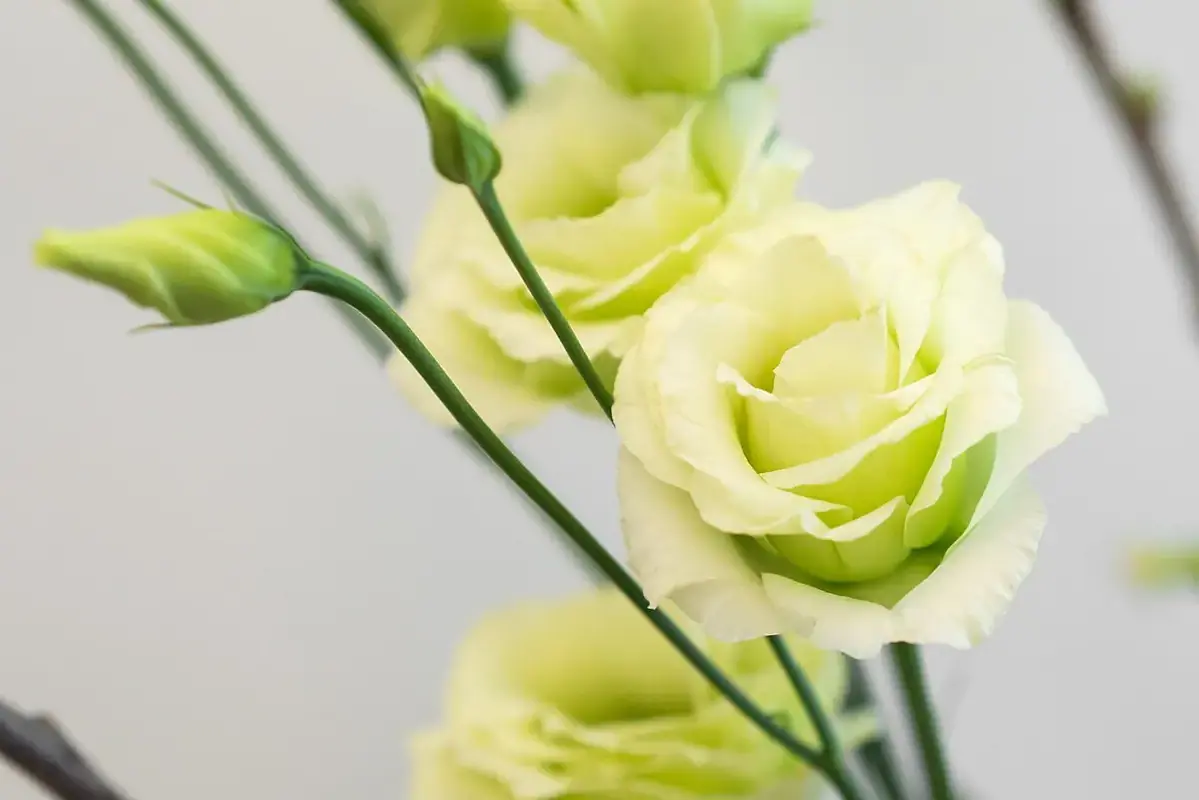
Keep open lisianthus blooms fresh while giving later buds the stable conditions they need to open naturally.
Read falling petals alongside stem firmness to tell normal flower age from a problem that needs intervention.
Use yellowing leaves as a timing clue and decide whether to remove foliage, recut a stem or simply keep watching.
Find a safer display distance from a fireplace by checking residual heat, airflow and the warmth of the vase.
Compare two common rooms by temperature, drafts, fruit and overnight activity before moving the bouquet.
Slow fading in pressed flowers by changing light exposure, backing and the way the frame is displayed.

Separate renewed dampness from ordinary softness and dry a preserved arrangement before mould can take hold.
Pack a bouquet for the trip home by choosing water, shade and support based on the route rather than habit.
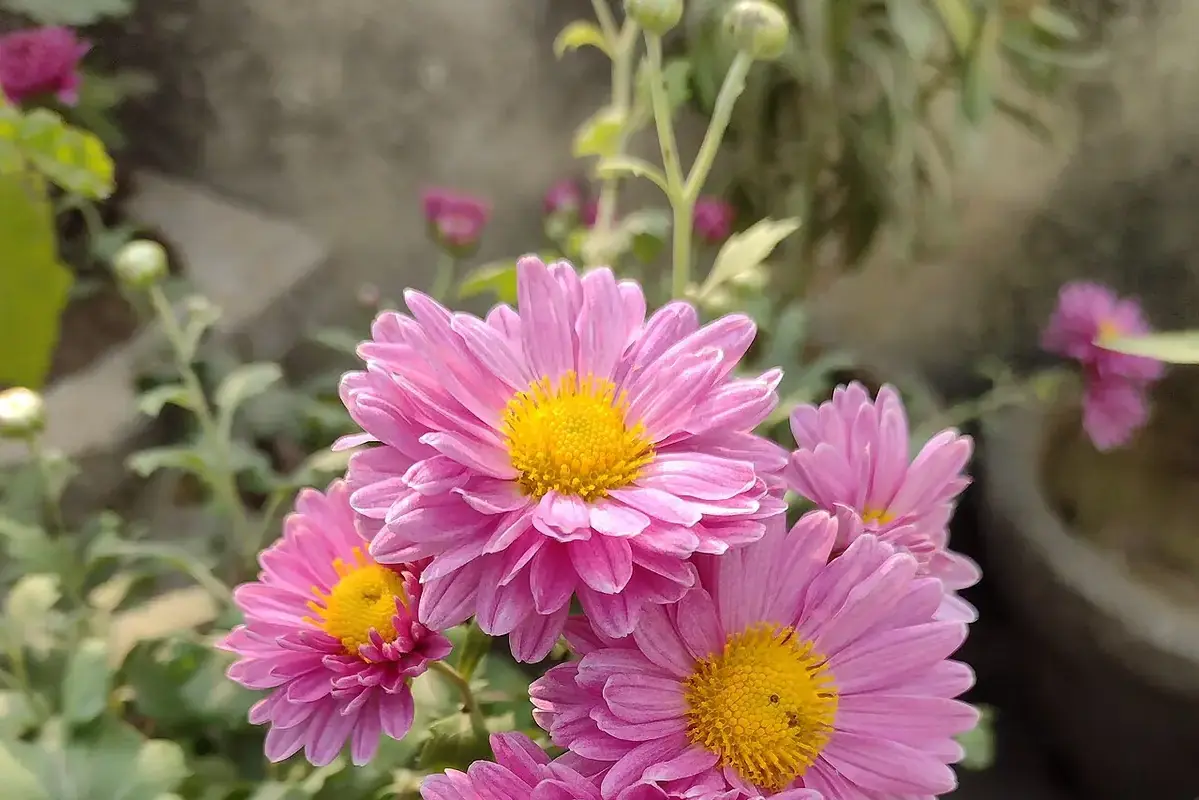
Keep stems alive in a temporary container without turning the holding bucket into tomorrow's water problem.
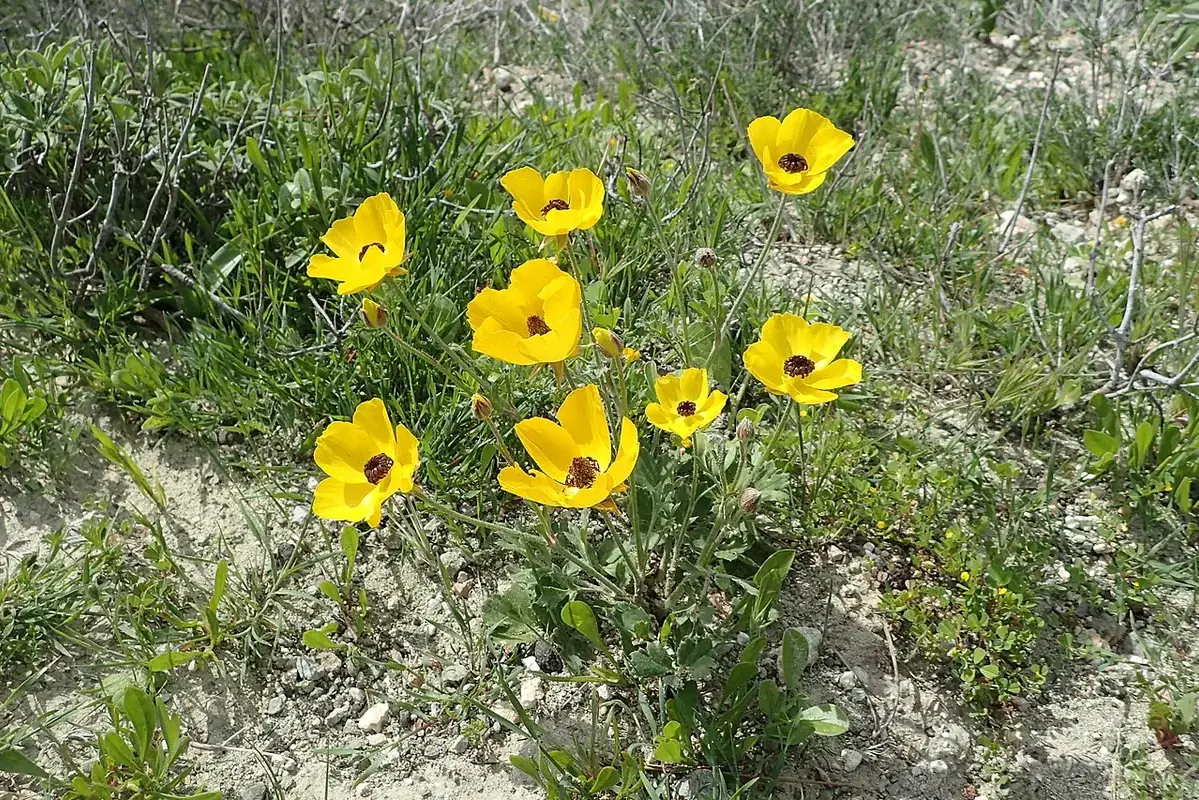
Set a practical waterline for woody, soft, hollow and leafy stems instead of filling every vase to the rim.
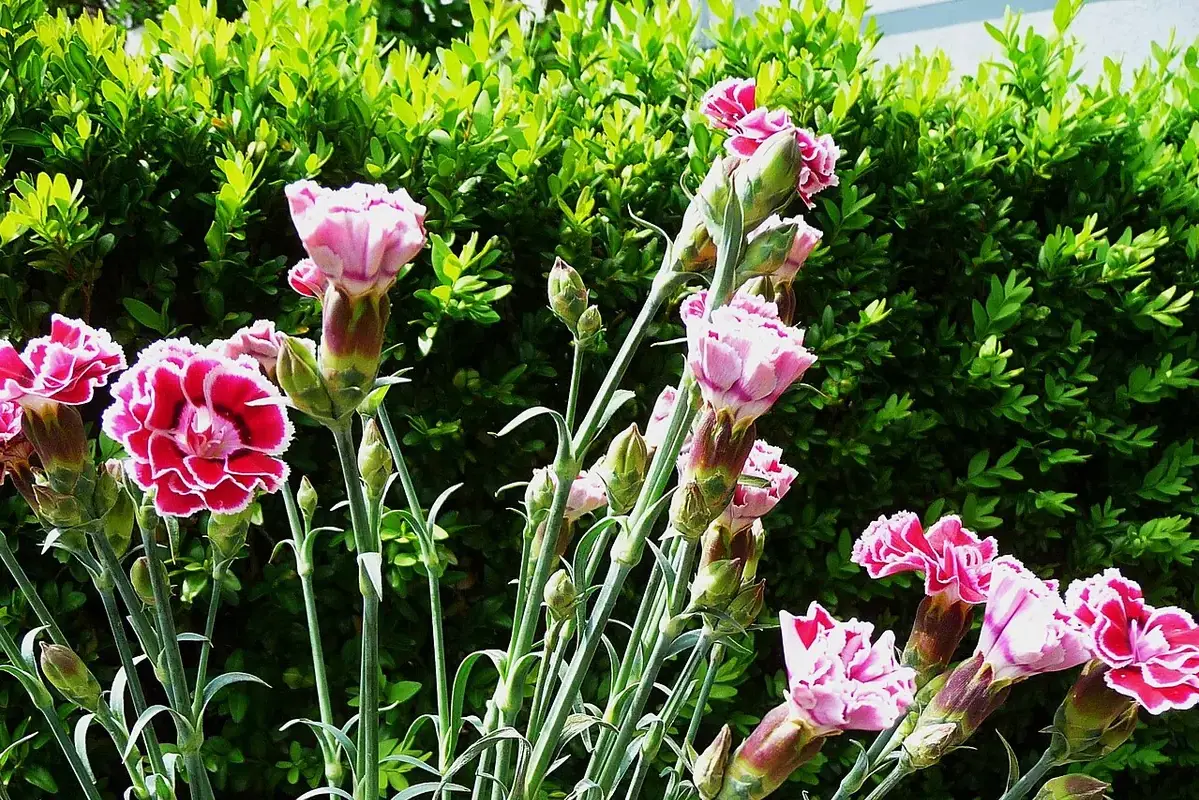
Decide when a top-up is harmless and when the vase needs a full wash before fresh water is added.
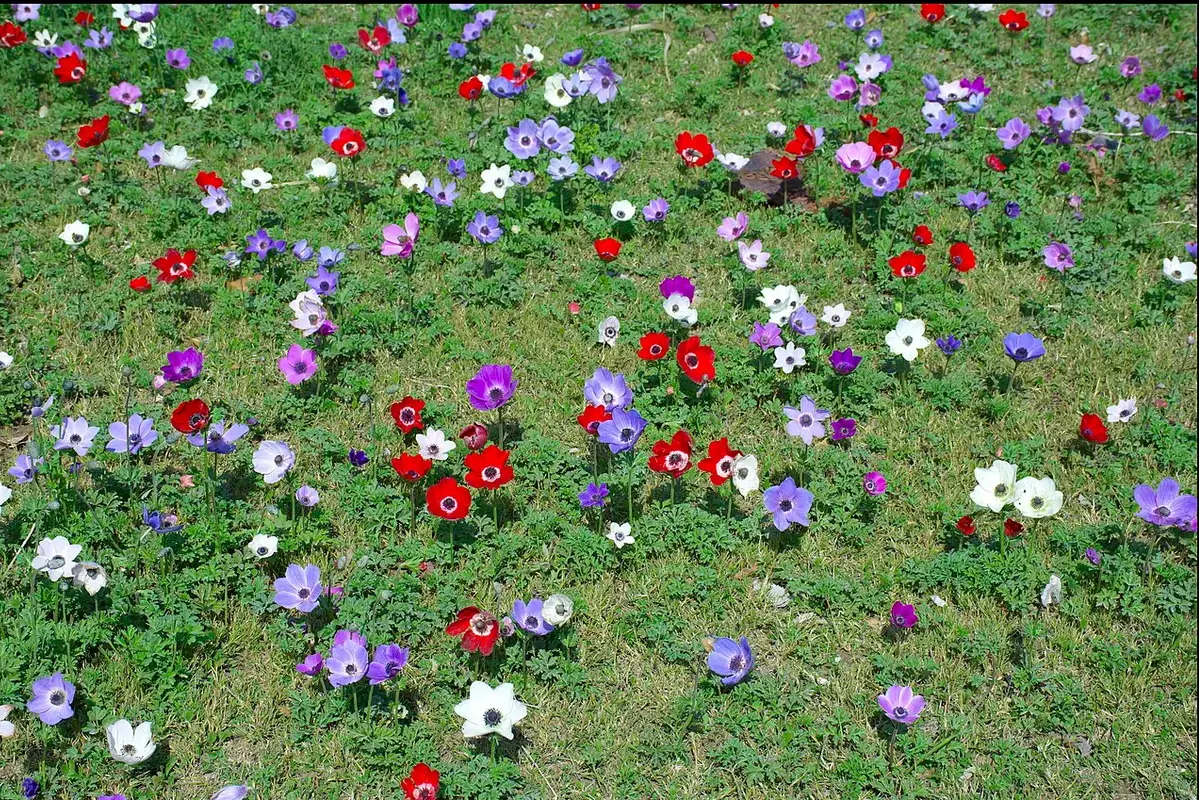
Handle chrysanthemum foliage, branching stems and vase crowding before the lower section contaminates the water.
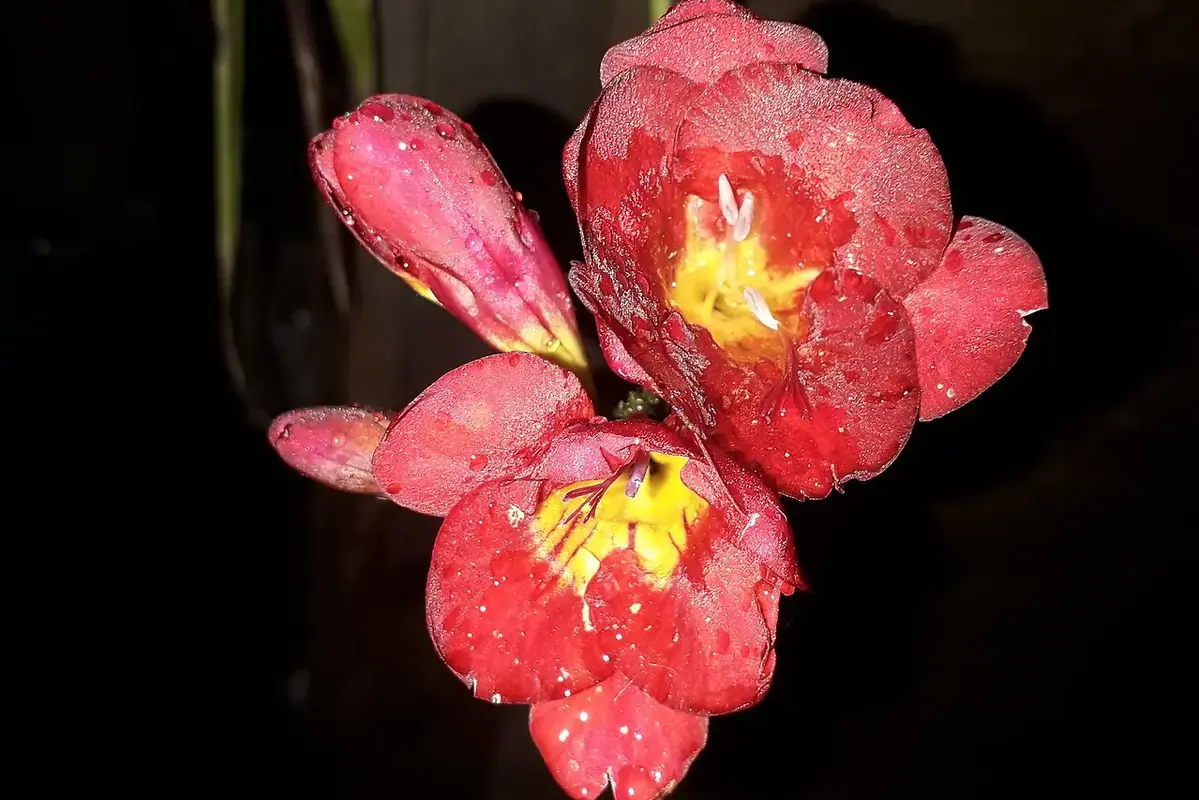
Give ranunculus enough structure to stand while protecting papery blooms and bent hollow-looking stems.
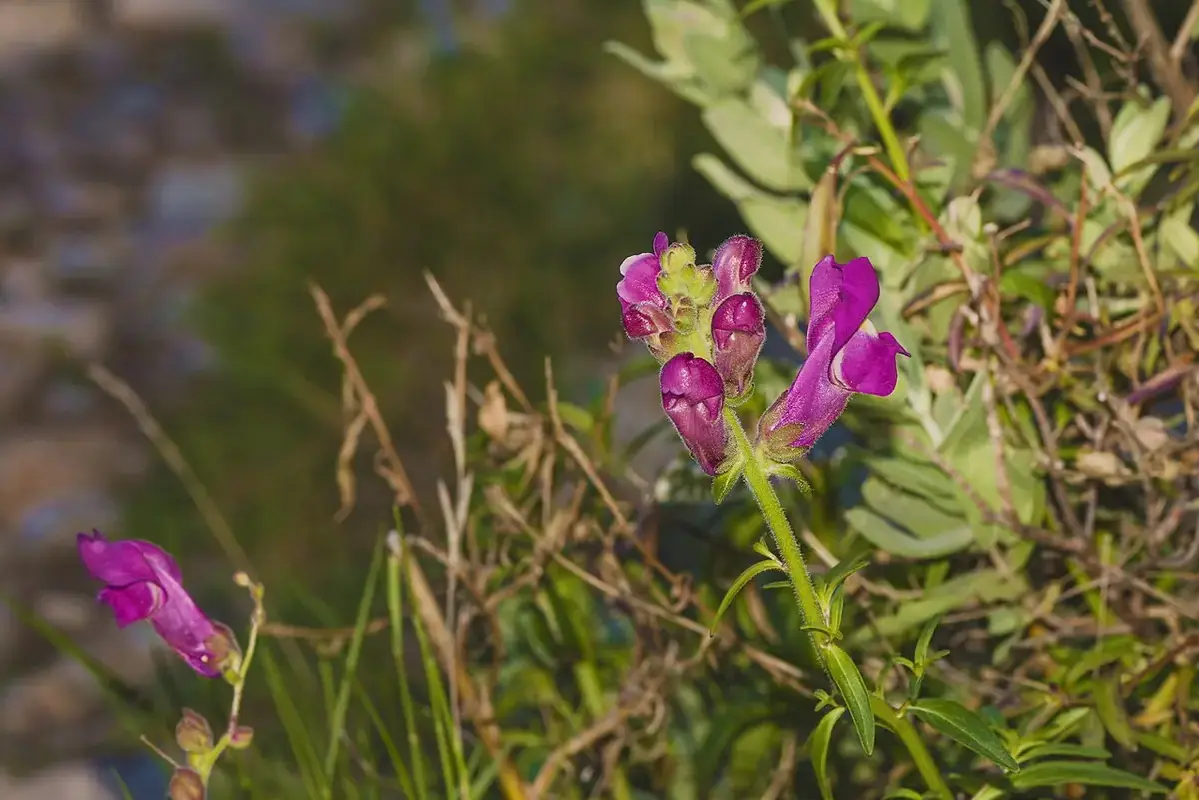
Separate a poor vase fit from weak stems, low water and permanent creases before cutting the whole bouquet shorter.
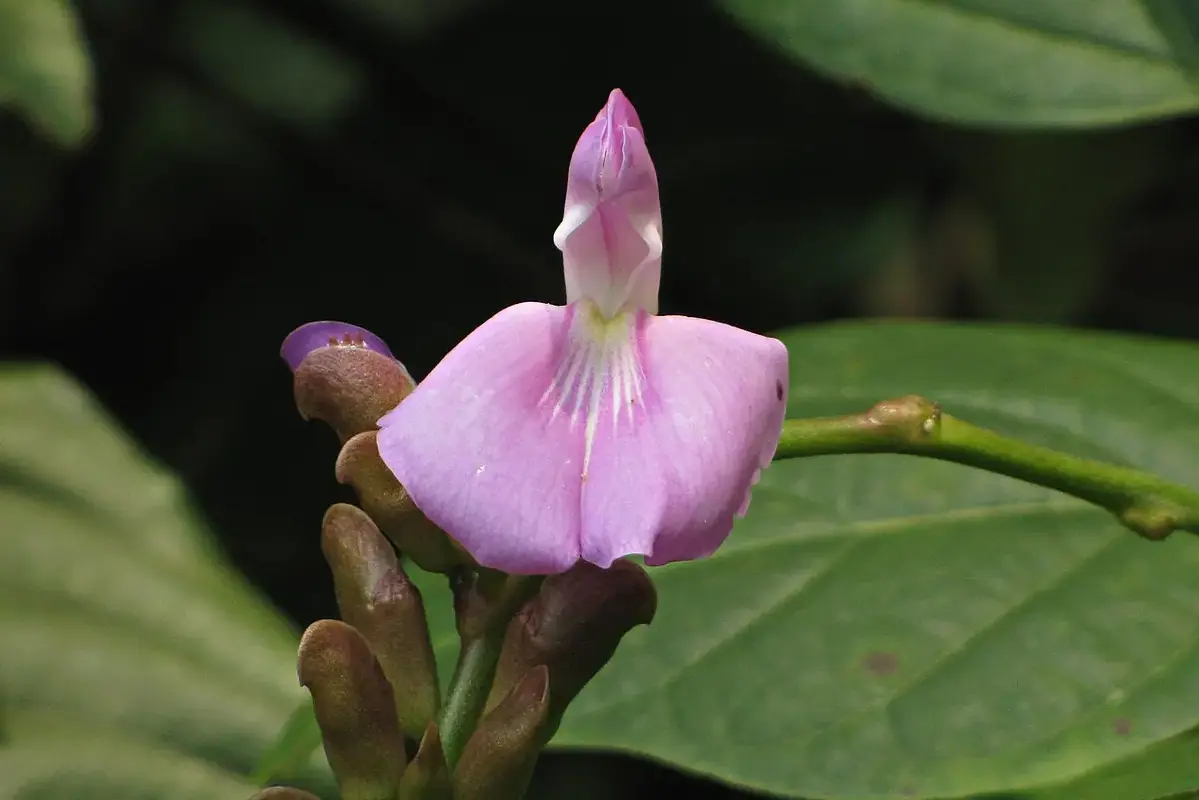
Read one-sided wilt as a clue about light, airflow, crowding or one failing stem hidden inside the arrangement.
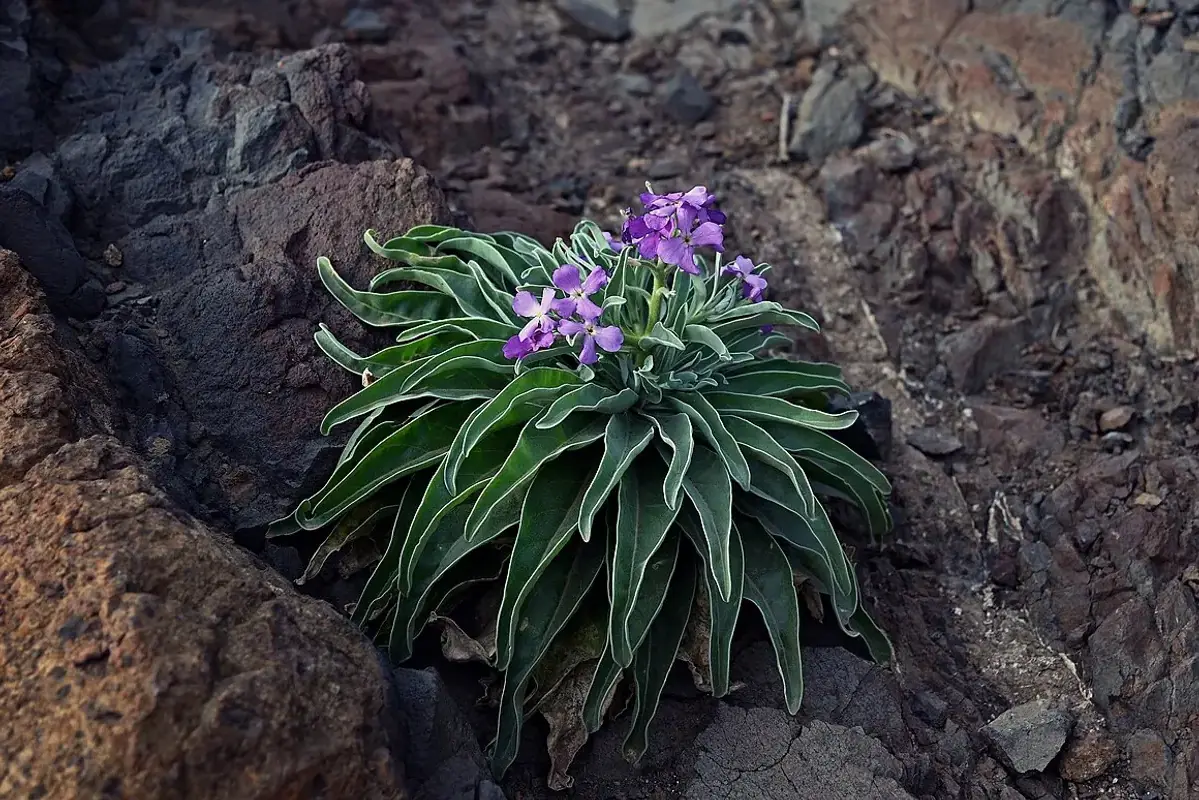
Check fruit, cooking heat, splashes and traffic before making the kitchen island the bouquet's everyday home.
Use clearance, door swing and airflow checks so a hallway bouquet survives more than one passing shoulder.
Spot the single damp or mould-prone stem that can ruin a whole hanging bunch if it stays tied in.
Pack, lift and reposition dried flowers with support under the weak points instead of grabbing the arrangement by the stems.
Use bud stage, calyx, stem and foliage checks to choose carnations with room to open—then condition them without forcing the petals.
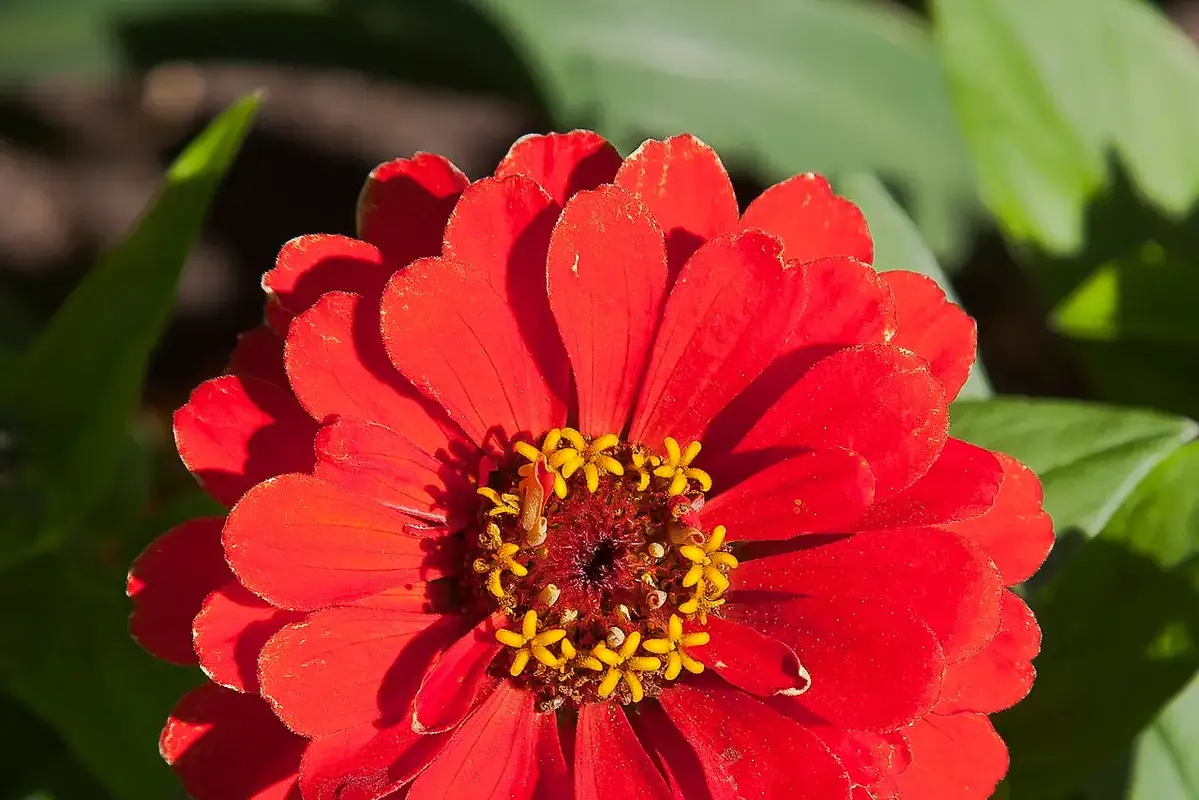
Turn a supermarket bunch into a stable first vase by checking hydration, removing only risky foliage and giving the stems a quiet start.
Use stem angles, height and negative space to make a small bouquet feel generous without crowding the heads or hiding the waterline.
Know when an opened flower-food packet is no longer a reliable ingredient and how to mix a fresh solution without guessing.
Separate thirsty stems from evaporation, leaks and a hot room before simply adding more water to the vase.
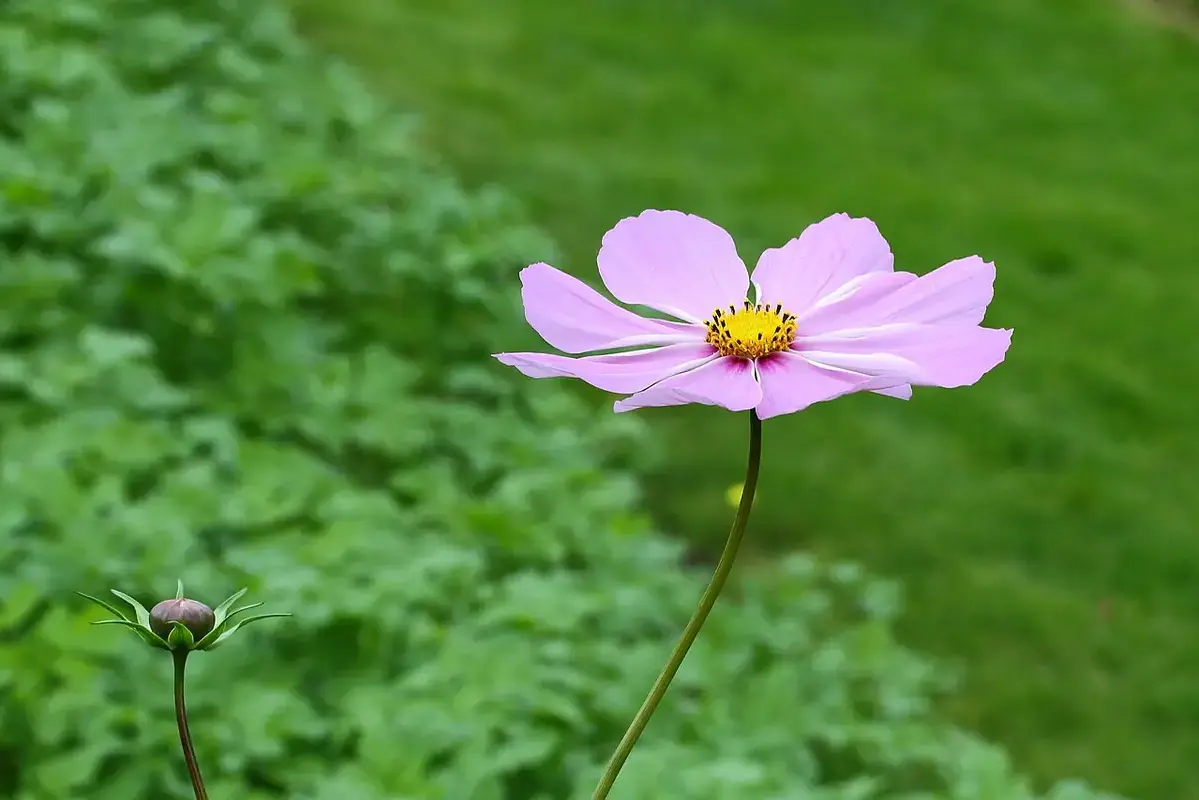
Use clean water, a dry waterline and selective foliage removal to keep alstroemeria leaves presentable while the buds continue opening.
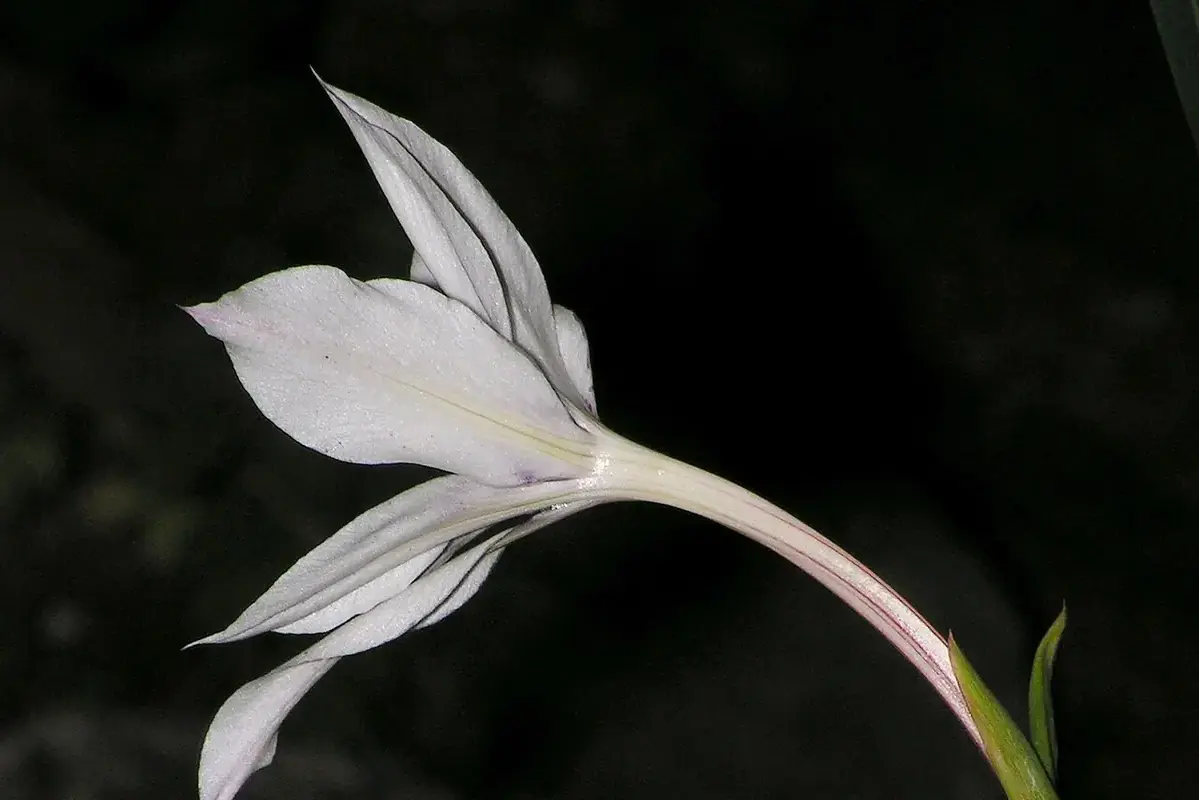
Support delicate anemone stems with vessel geometry, cool placement and gradual height adjustments instead of tight ties.

Separate normal bloom age, handling damage and a loose attachment from a water problem when heads drop before the stems fail.
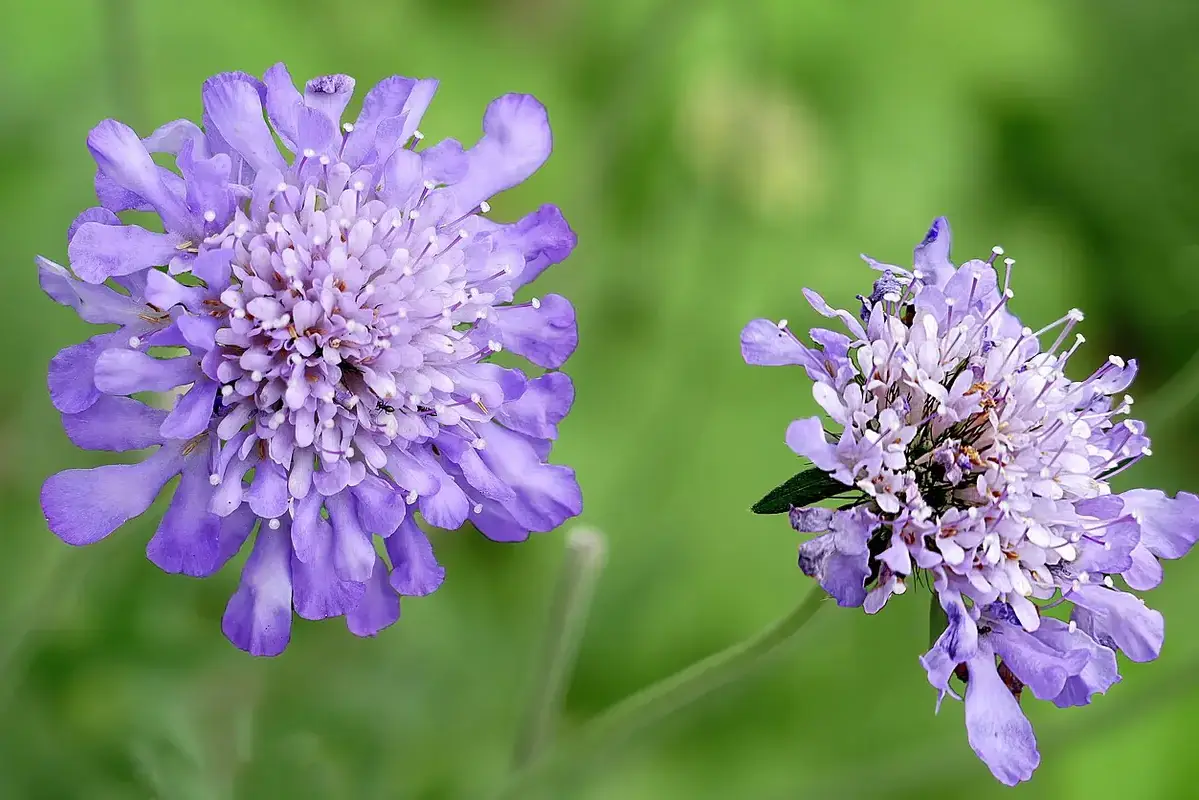
Use the location and texture of browning to decide whether one stem needs a clean recut, separation or removal from the bouquet.
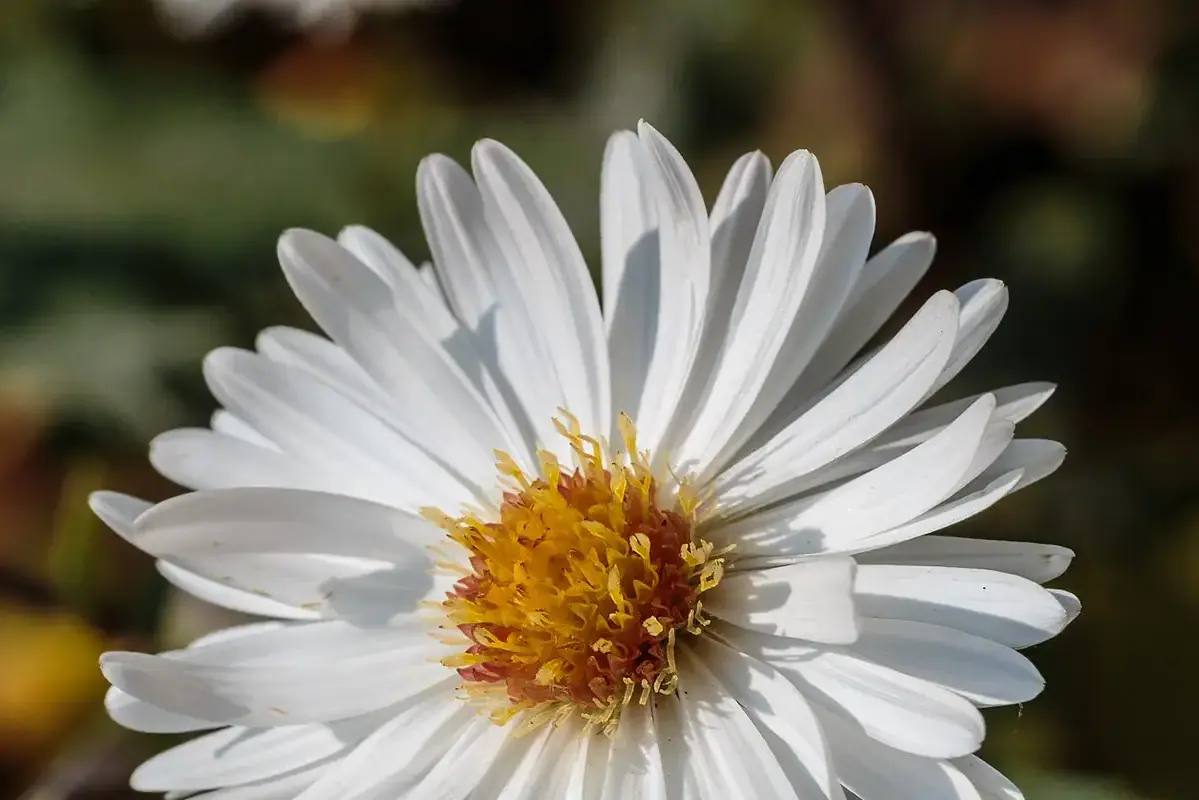
Choose a window position for the night by checking glass temperature, drafts and early morning light instead of judging the room by daylight alone.
Balance sightlines, stability and flower height so a dining-table bouquet feels present without blocking conversation or inviting a spill.
Protect preserved flowers from renewed moisture with the right room, container and inspection rhythm when indoor humidity is high.
Understand when microwave drying is a small controlled experiment and why thick, damp or valuable flowers need a slower method.

Measure the vase against the stems, make the minimum useful cuts and preserve length for later design changes.
Combine homegrown and purchased flowers by checking cleanliness, harvest stage, sap and water needs before sharing one vase.
Build a simple between-bouquets cleaning rule that removes film and residue before the next stems enter.

Find out whether settled crystals mean incomplete mixing, cold water or an incorrect dose—and what to do before stems enter.
Support freesia stems, protect the lower buds and track opening from the base upward without forcing a closed flower.
Keep snapdragon spikes upright with a tall stable vessel, clean lower stems and support that protects the flower column.
Read translucent petals as a clue about water, humidity, bruising or ageing before misting or discarding the entire bouquet.
Find out whether handling, a new cut, water temperature or a hidden stem problem caused a sudden collapse after refreshing the vase.
Evaluate screens by heat, airflow, vibration and accidental contact rather than treating every electronics shelf as the same environment.
Map heat, fruit, traffic and airflow across an open-plan space before choosing the calmest display zone.
Choose the right rose stage and support the bloom so the centre dries without flattening, moulding or losing its outline.
Decide whether a bathroom is too humid for preserved flowers by checking steam, ventilation, placement and the material itself.
Choose one visual anchor, then build height and space around it without burying the focal bloom or cutting every stem to the same length.
Use a smaller opening, crossed stems and a loose support pattern to hold a bouquet in shape while keeping every waterline visible.
Calculate the actual water volume in a partly filled vase so the flower-food concentration stays close to the label ratio.
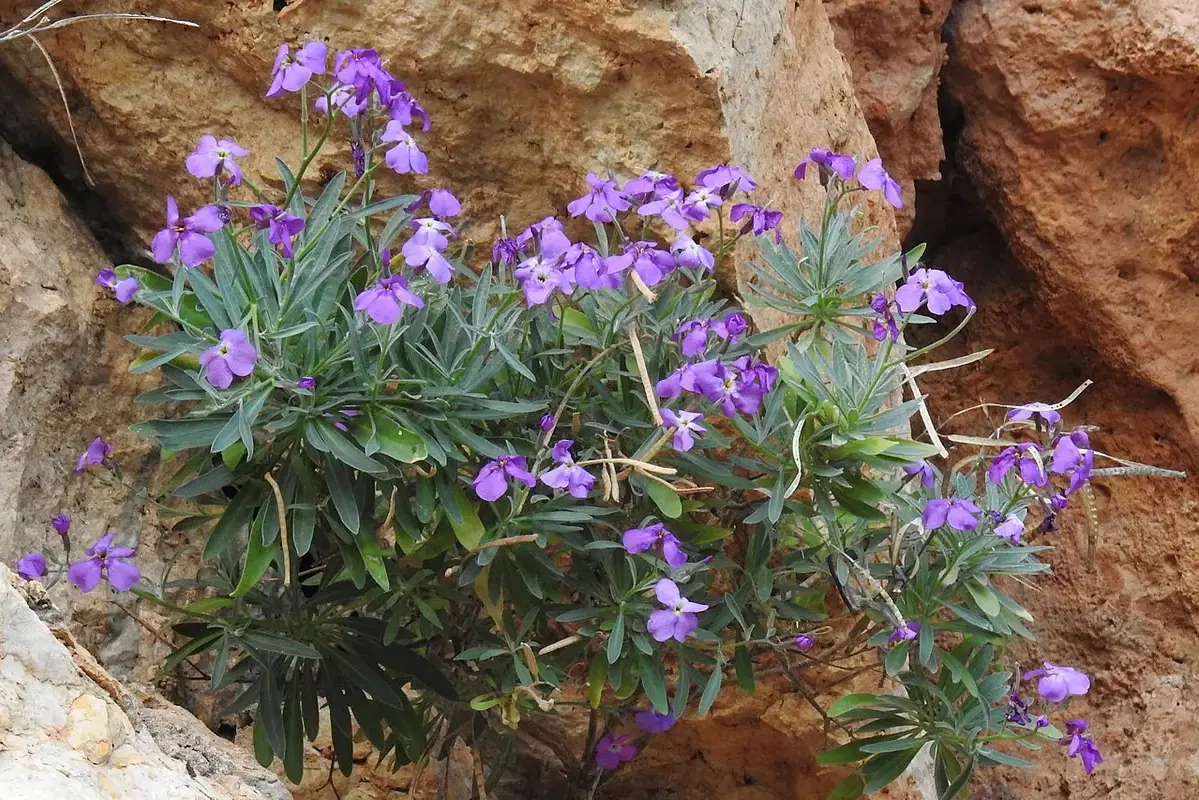
Know why old flower-food solution should not become the starting water for a new bouquet and what to do with a clean leftover batch.
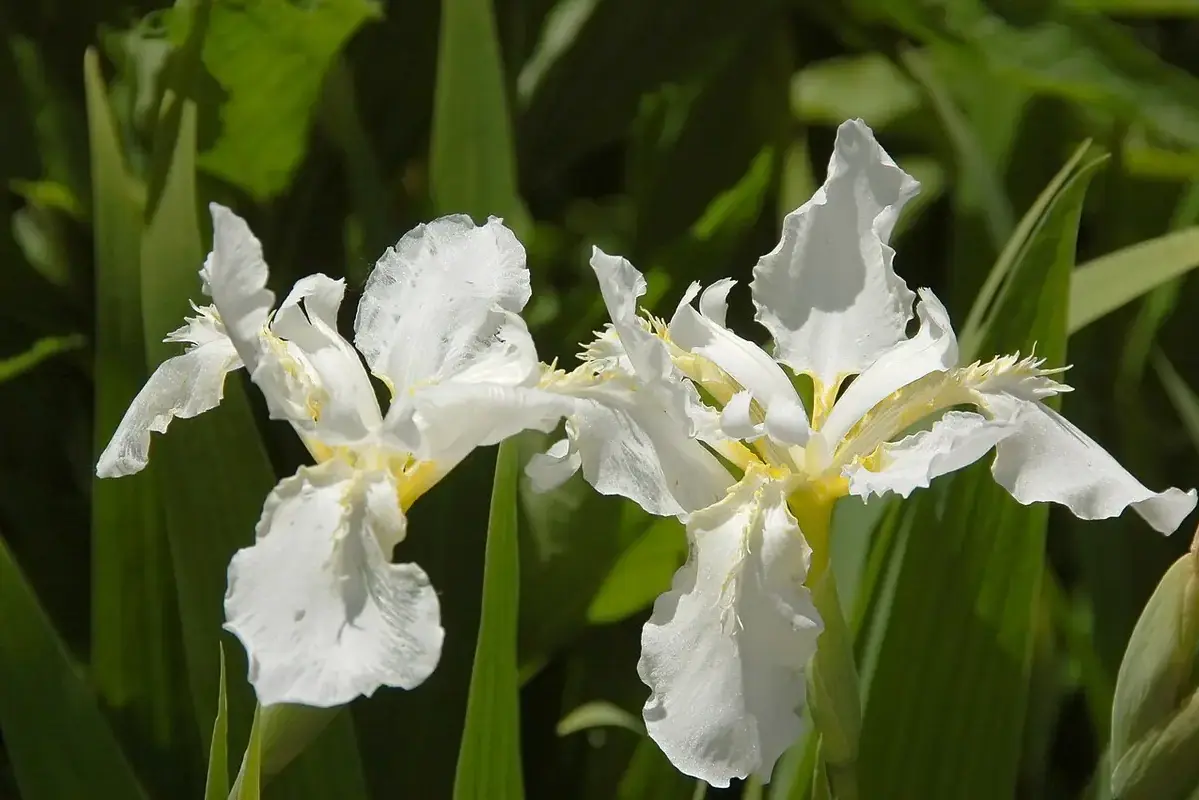
Give sweet pea stems a gentle waterline and a low-contact support structure while protecting their thin stems and soft petals.
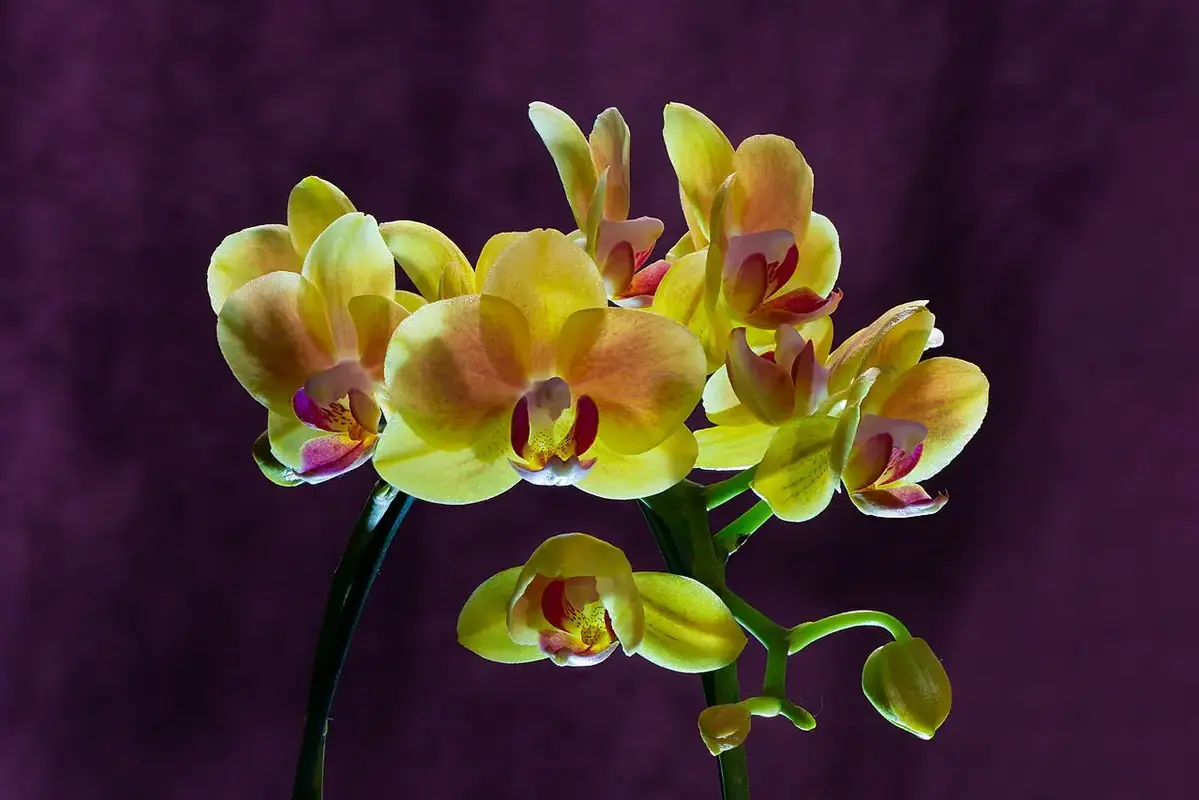
Keep cut stock upright and fragrant by maintaining clean water, cool placement and enough space for the flower spikes to open.
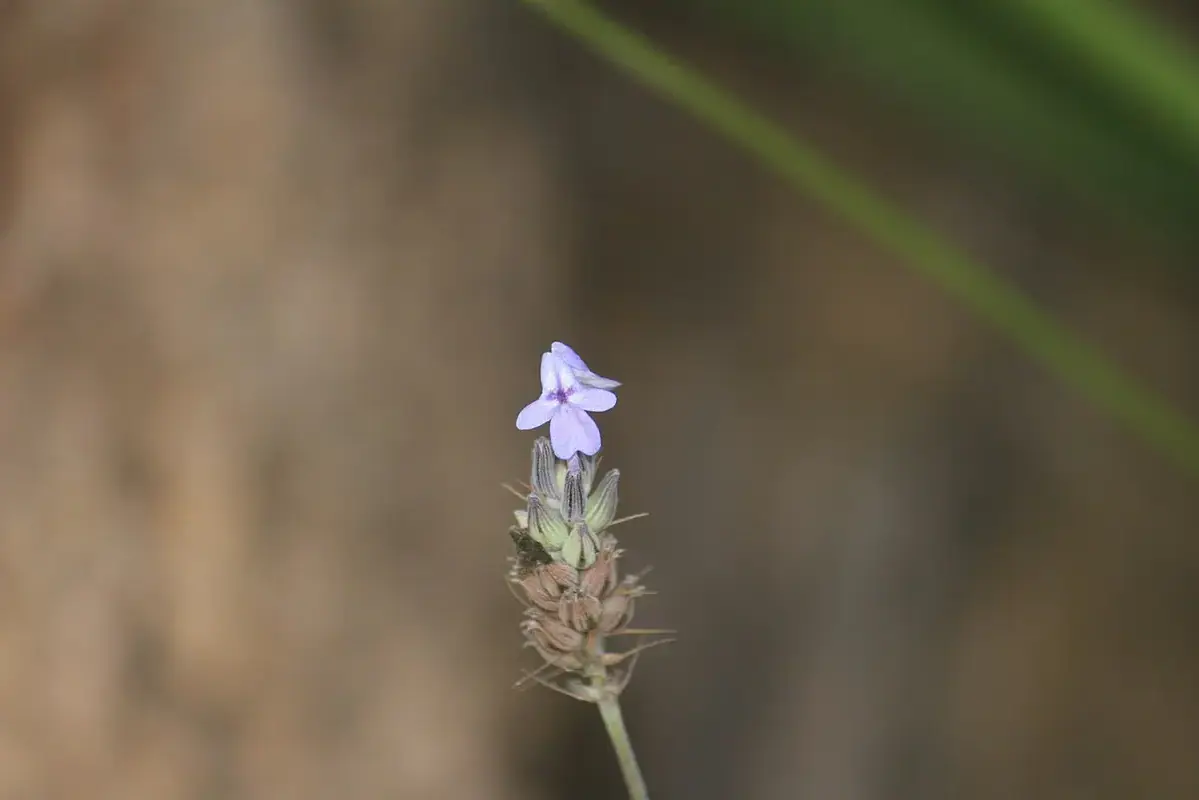
Use the empty-vase smell, waterline and stem-base check to find an early sanitation problem before the heads decline.
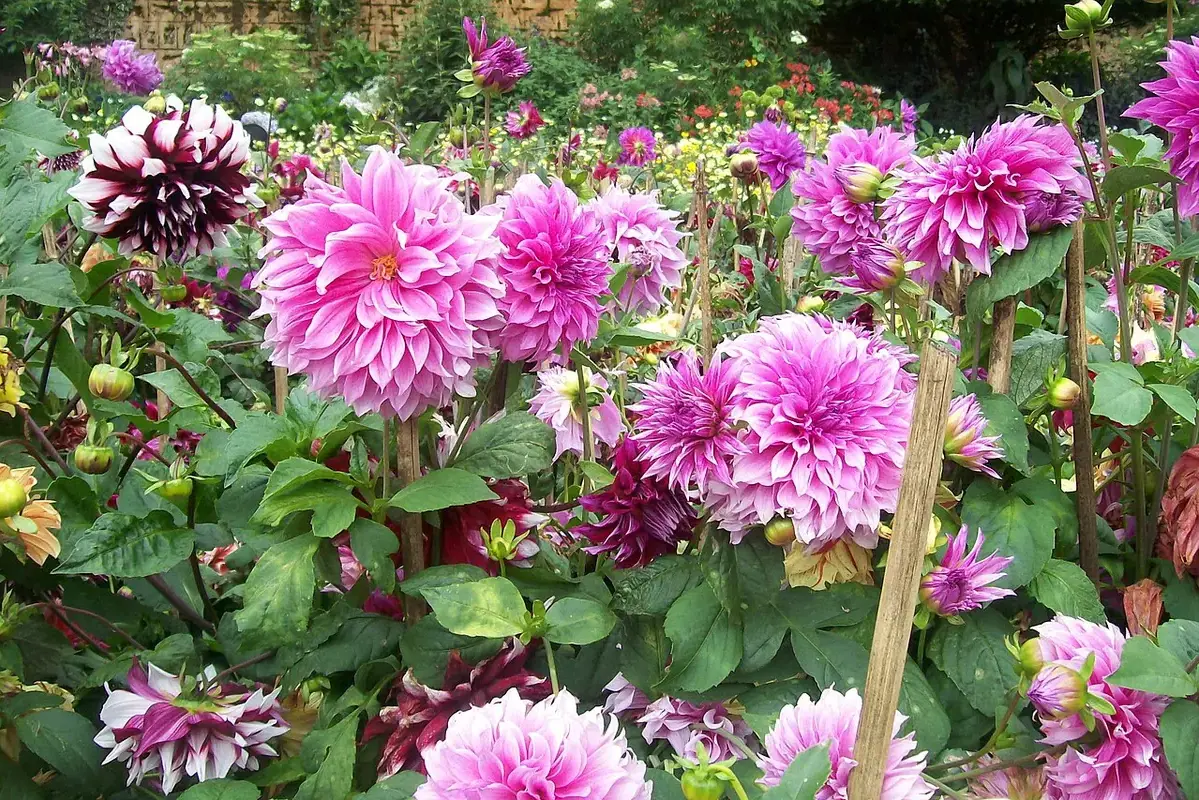
Diagnose outer-petal softness as contact, humidity, age or local damage without disturbing a still-sound flower centre.
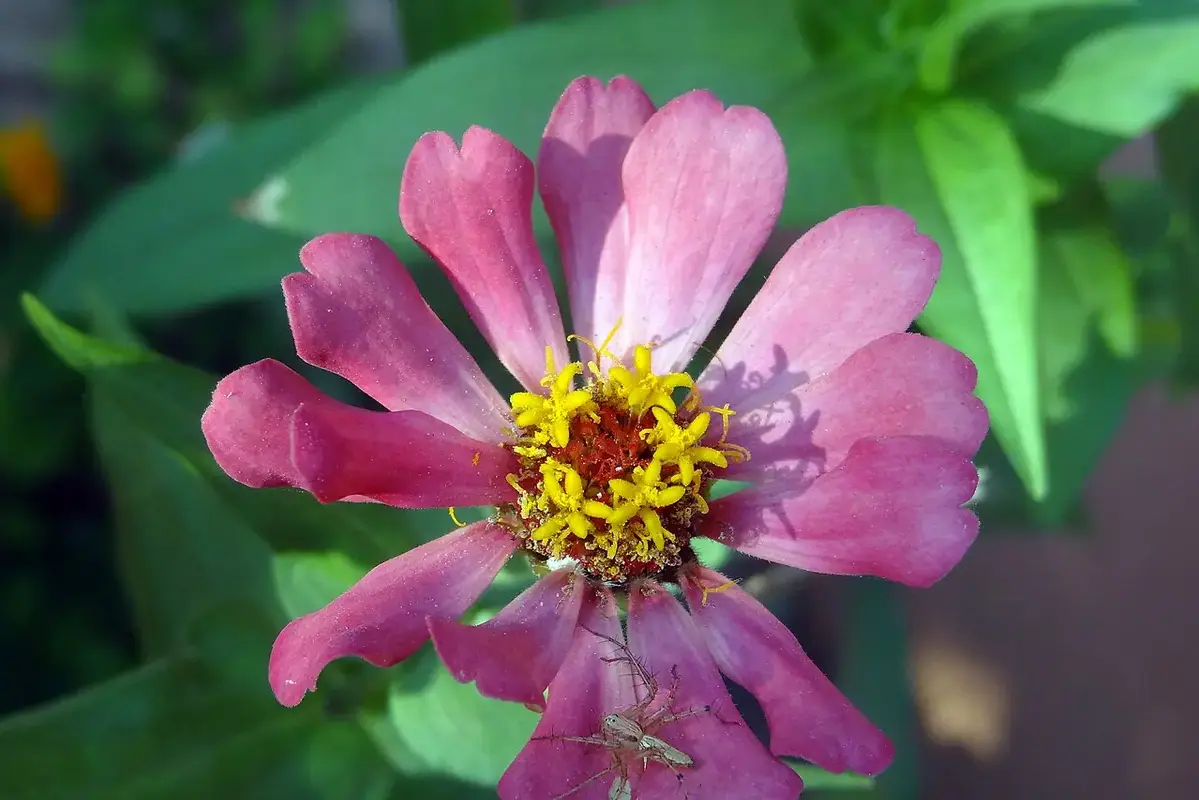
Protect a bouquet from door swings, exterior drafts and repeated shoulder contact by testing the real path through the room.
Check shelf depth, light, load and access before putting a vase among books, where one spill can damage both flowers and furniture.
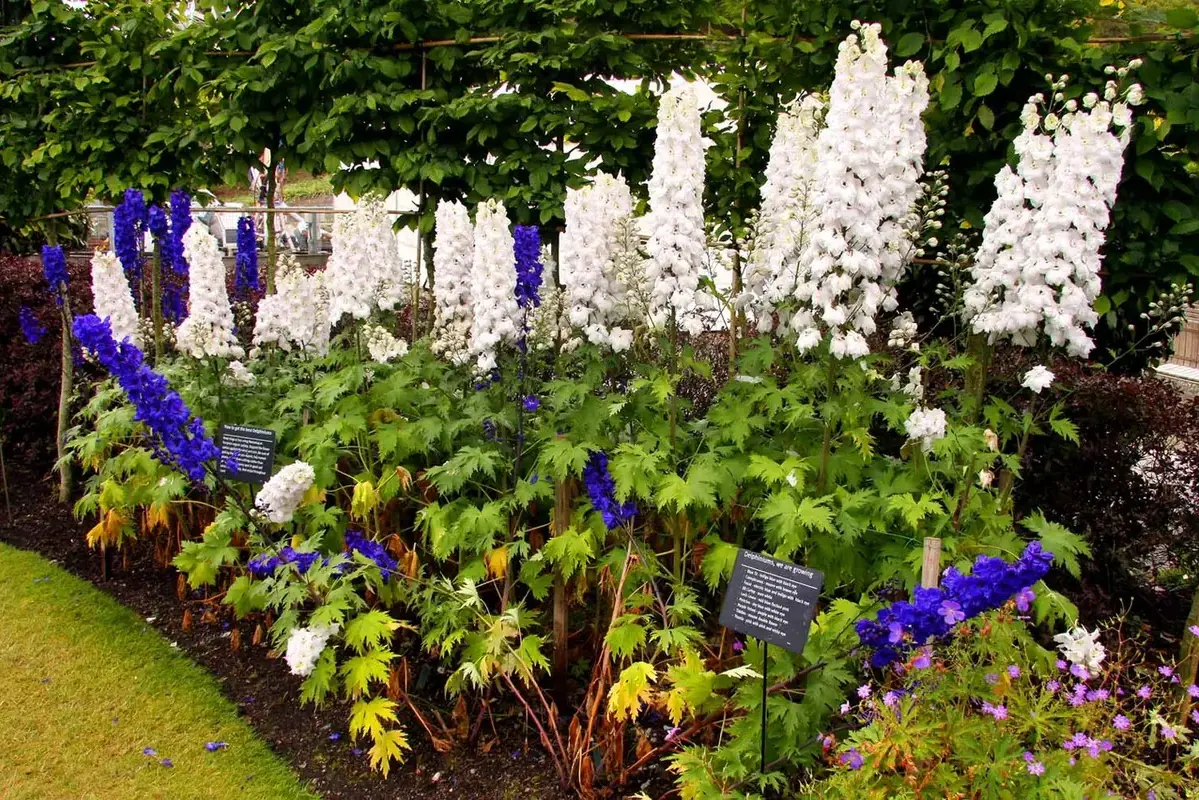
Prevent pressed petals from lifting, curling or cracking by controlling residual moisture, paper support and pressure.
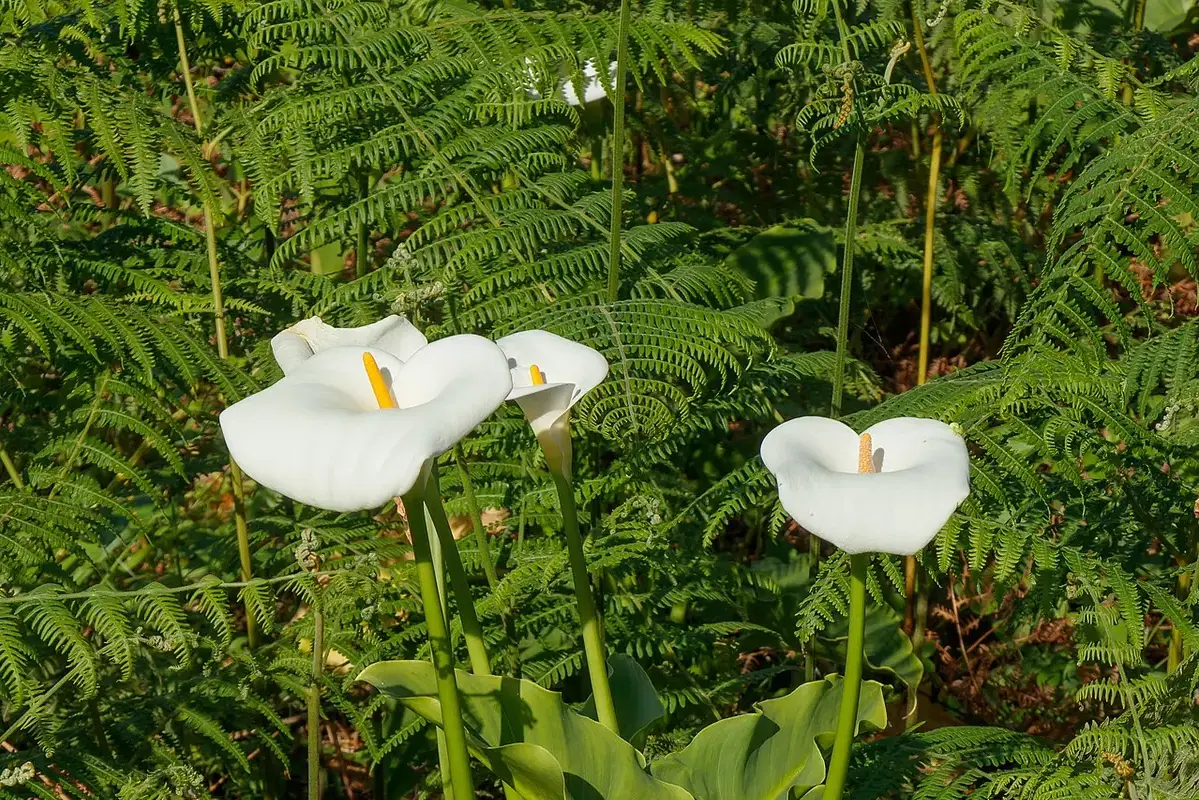
Protect seed heads, tiny florets and loose petals by shortening the route, supporting the base and using a shallow rigid container.
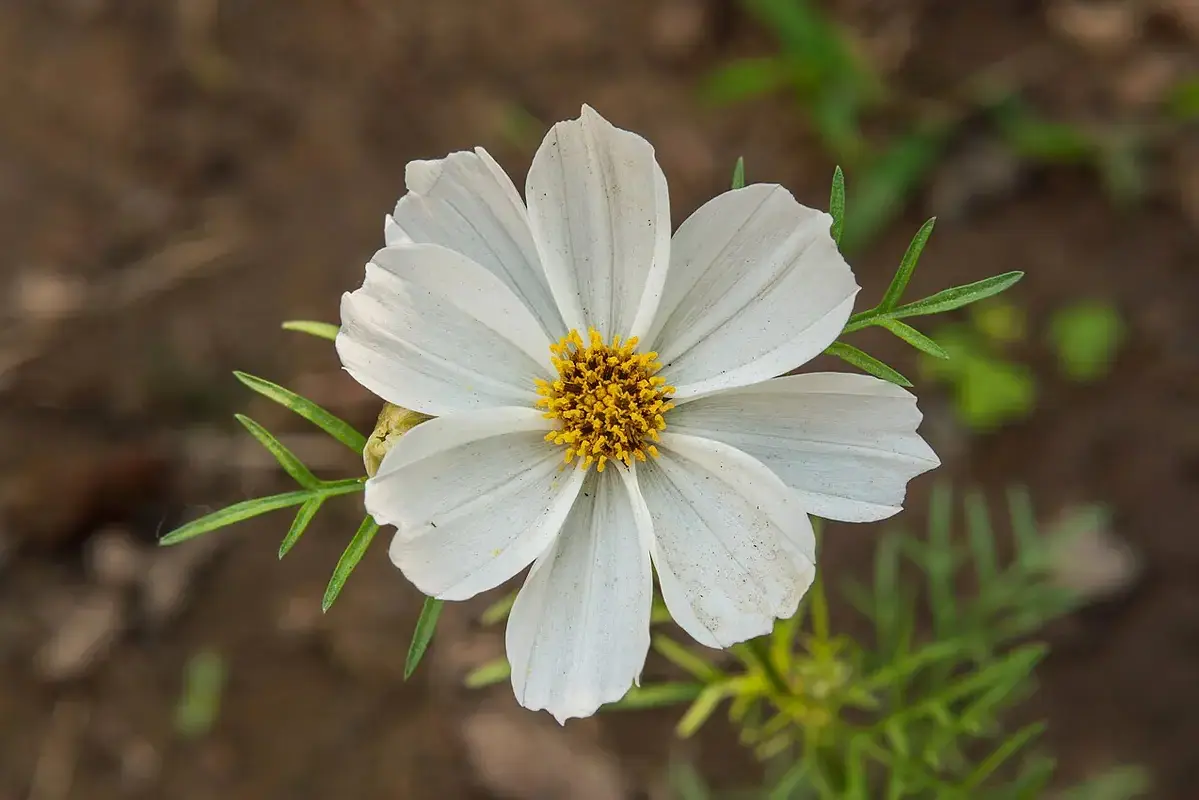
Open paper, sleeves and ties in the safest order so petals, necks and lower foliage stay inspectable before the first vase.
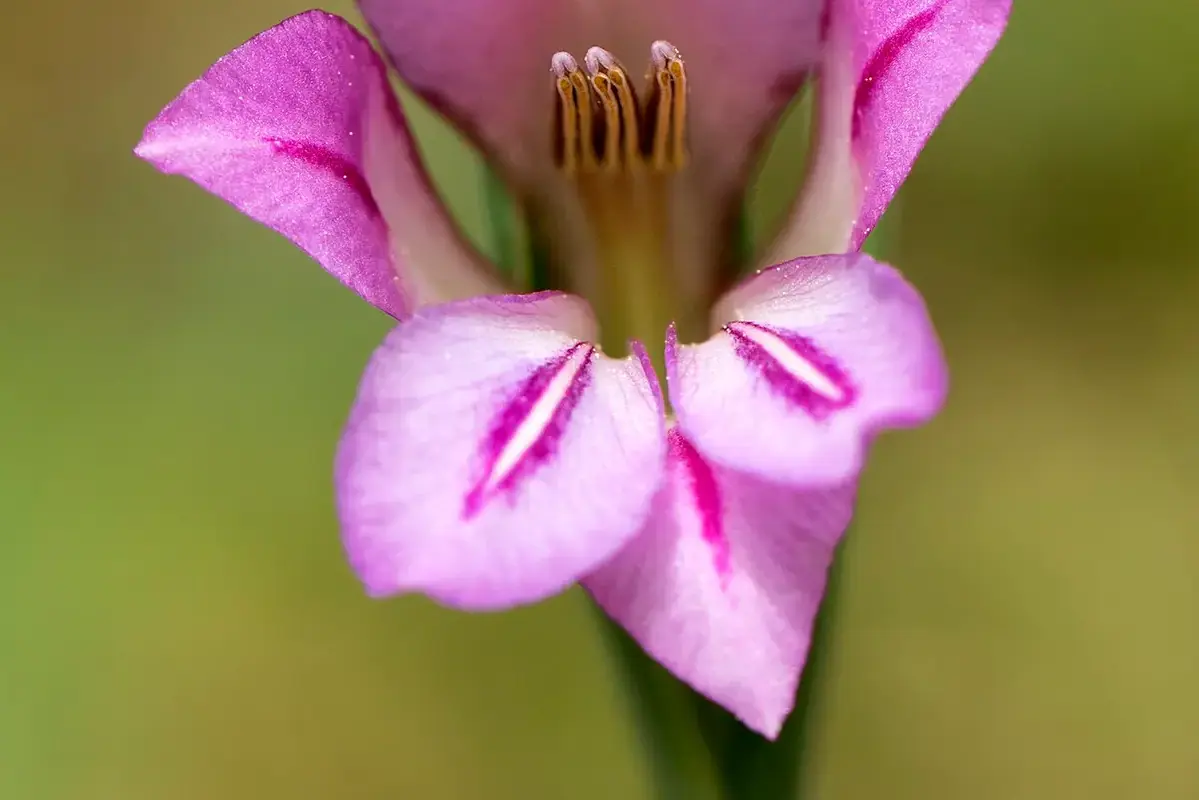
Use vessel weight, opening size and lower-stem support to balance large flower heads without forcing the necks together.
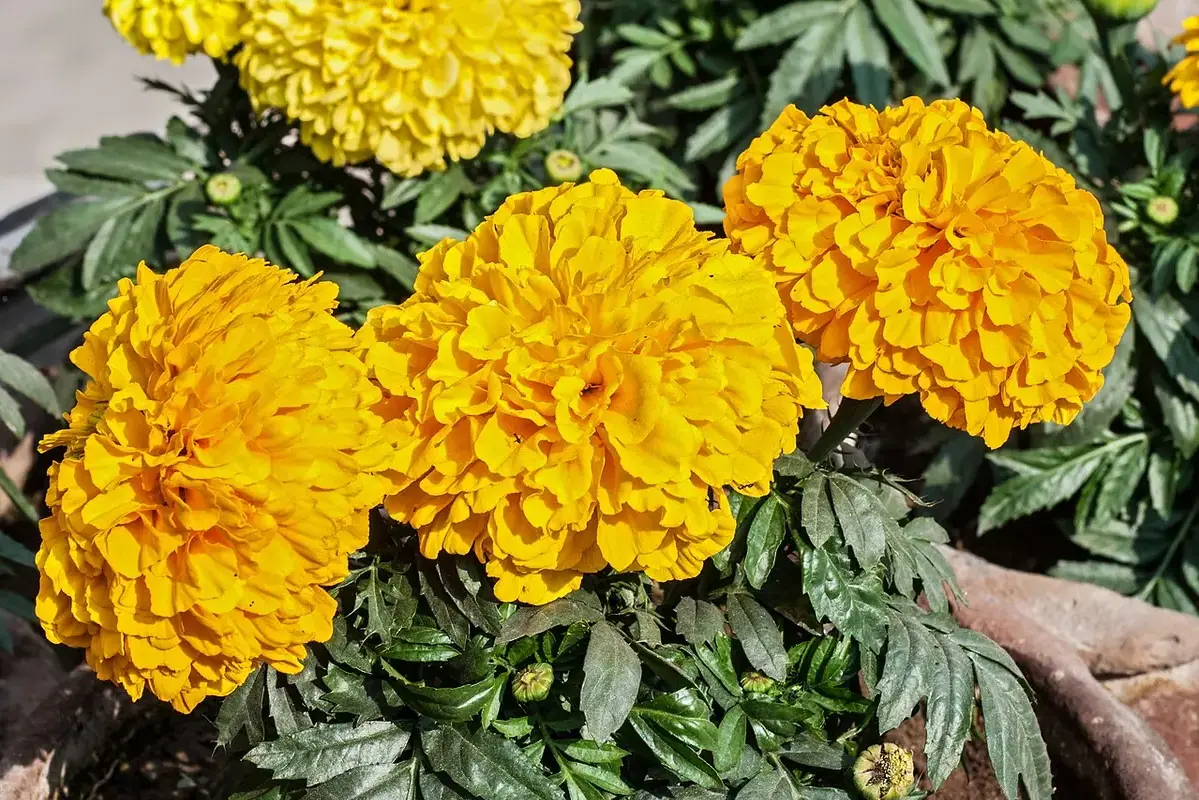
Tell normal post-recut uptake from a leak, warm room or too-low fill line before topping the vase to the rim.
Separate mineral scale from slippery biofilm and clean the glass without leaving a scent that affects the next bouquet.

Use bud colour, sheath texture and stem firmness to decide whether cut iris buds are ready to open or need removal.
Support cut orchid stems with a clean low-contact setup while protecting open flowers from water, bruising and heat.
Diagnose post-cut droop by checking cut depth, air exposure, stem crush and room stress before making another trim.
Use spot texture, timing and flower type to decide when misting caused cosmetic marks or created a removal risk.

Find a calm distance from purifier intake and outlet airflow so clean-room equipment does not dry petals or shake stems.
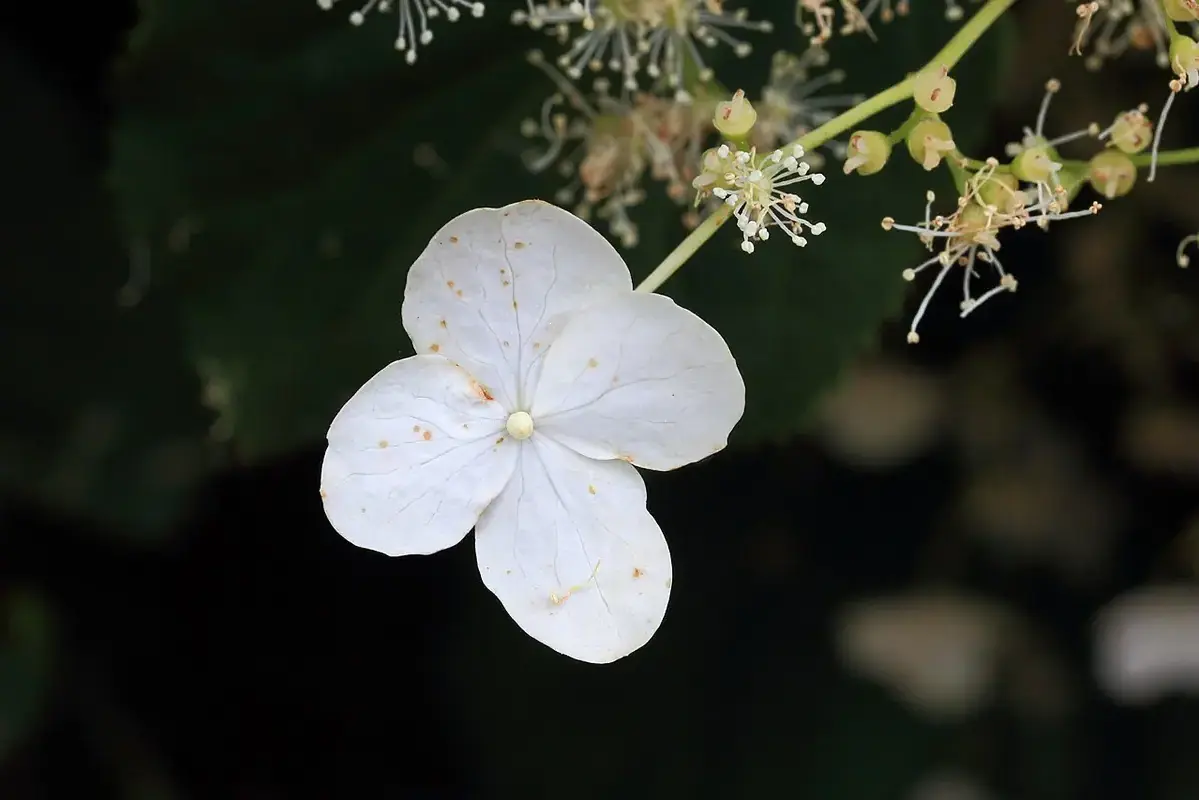
Balance low sightlines, table traffic and spill risk before placing fresh flowers in the middle of a living room.
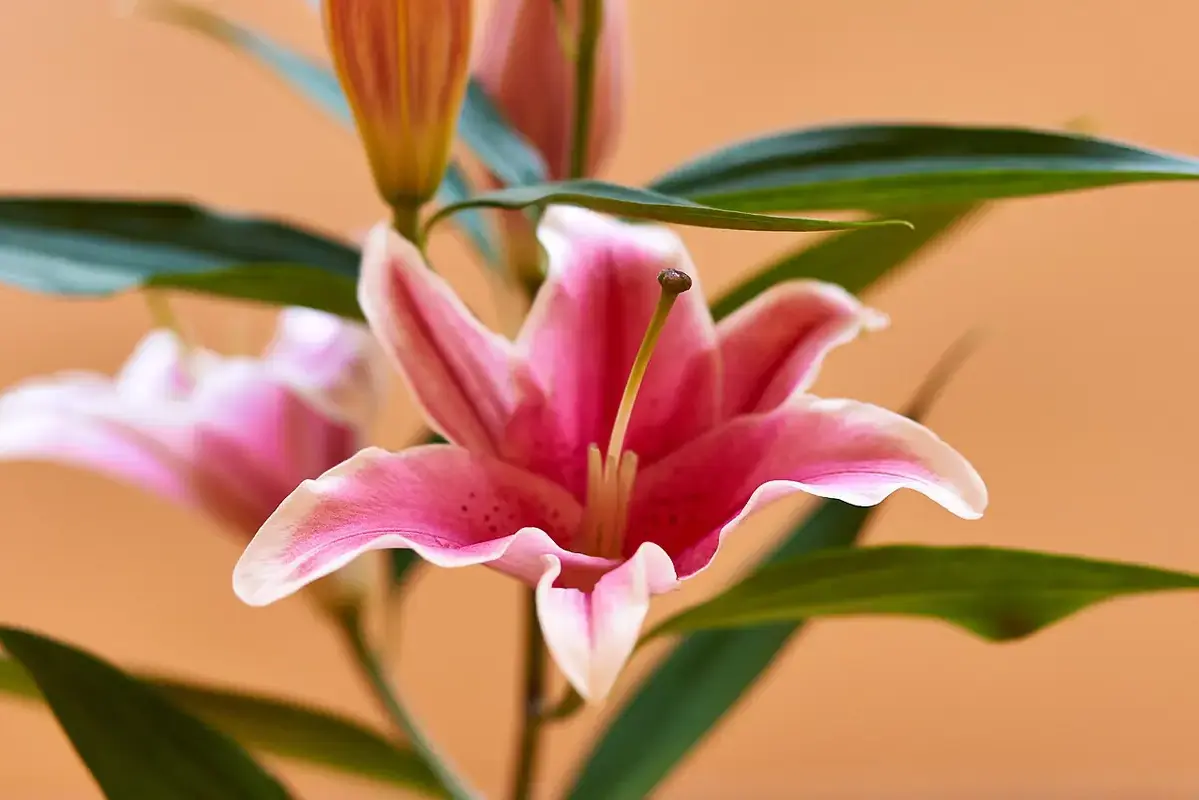
Bundle lavender loosely, choose a dry shaded room and inspect the centre before storing or displaying the stems.
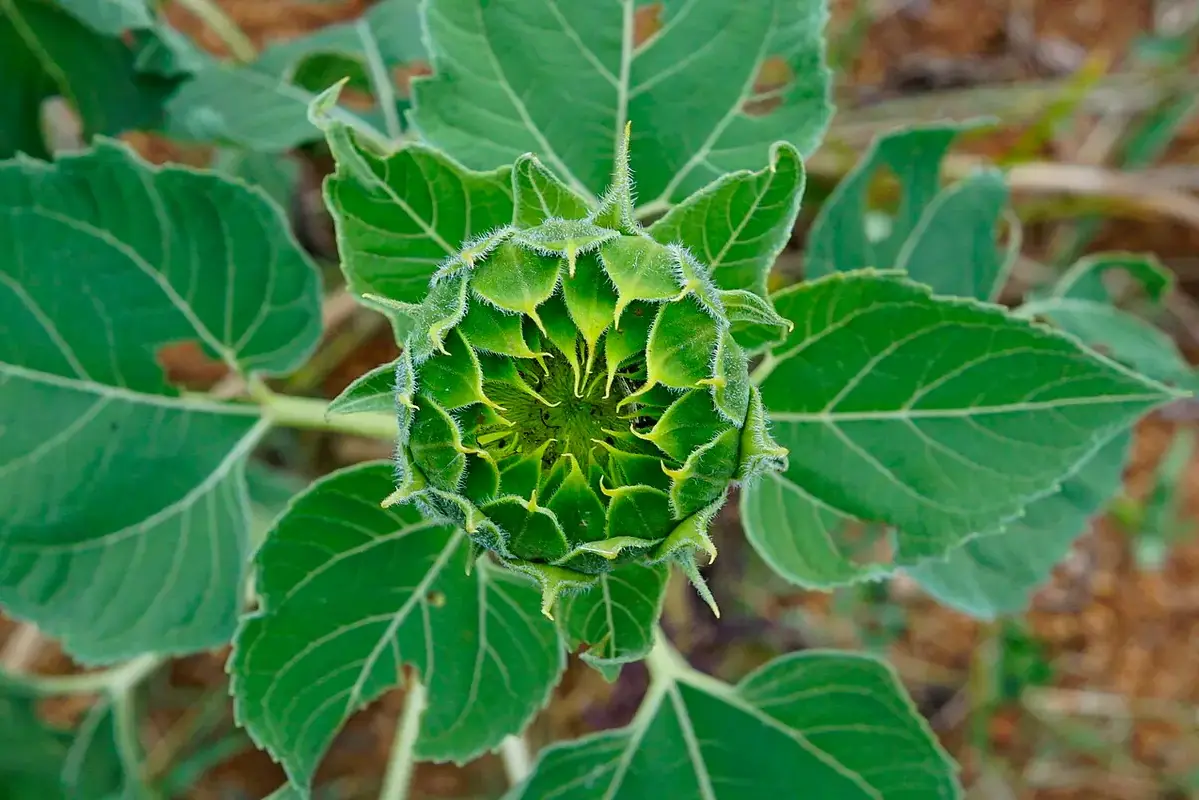
Check dryness, depth and backing materials before enclosing preserved flowers behind glass or acrylic.
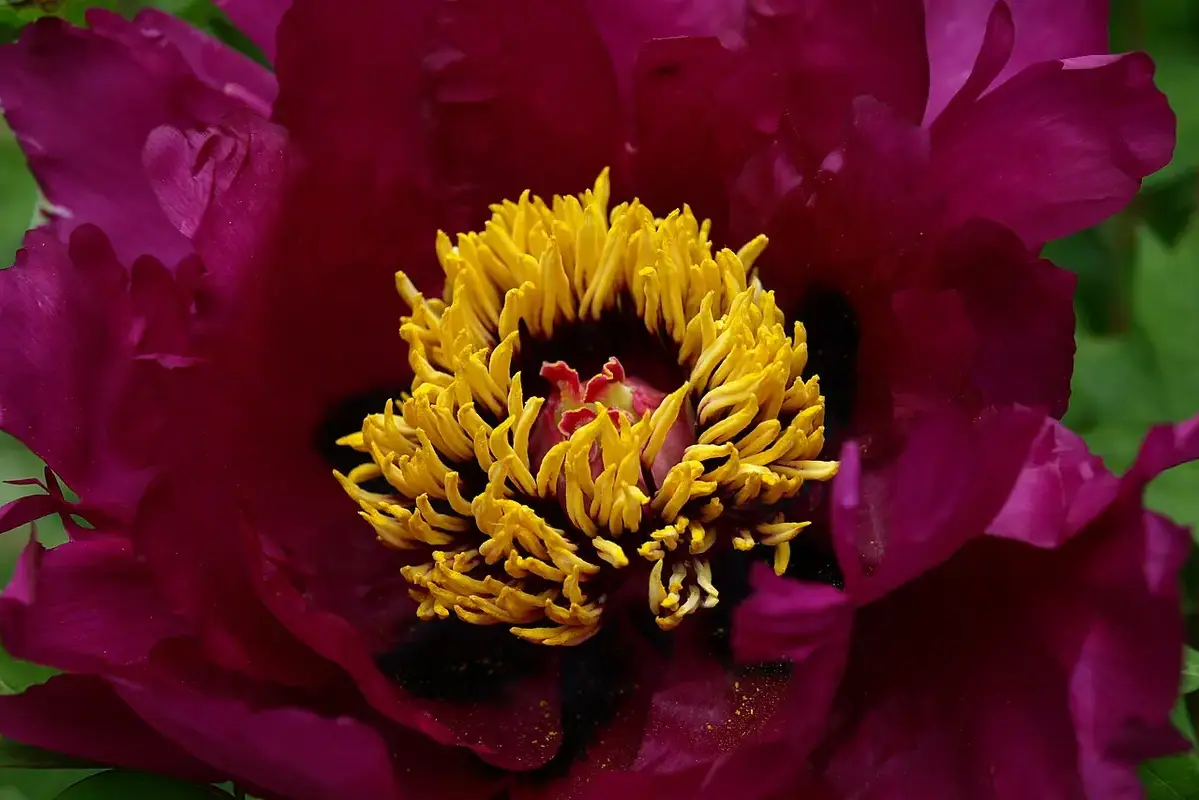
Divide a crowded bouquet by stem condition, height and water needs so both smaller vases stay balanced and clean.
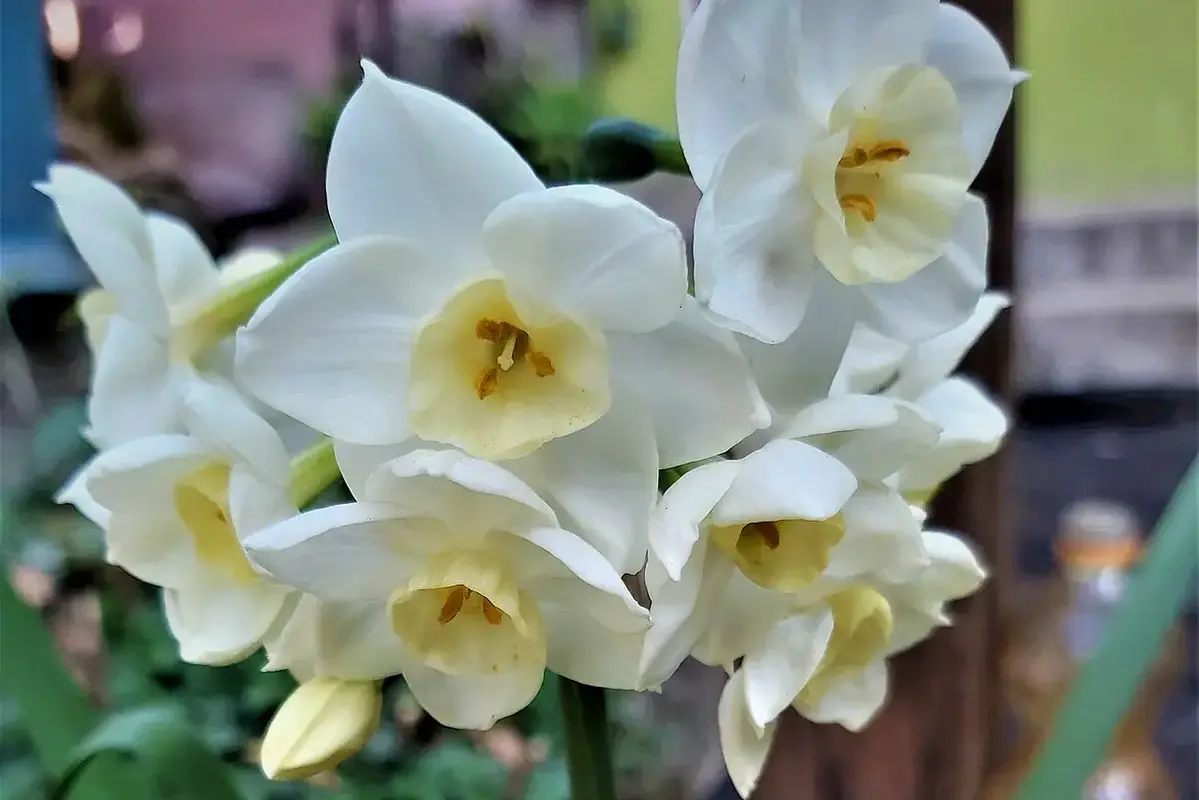
Give large rose heads shared support while checking for neck creases, crowding and waterline problems.
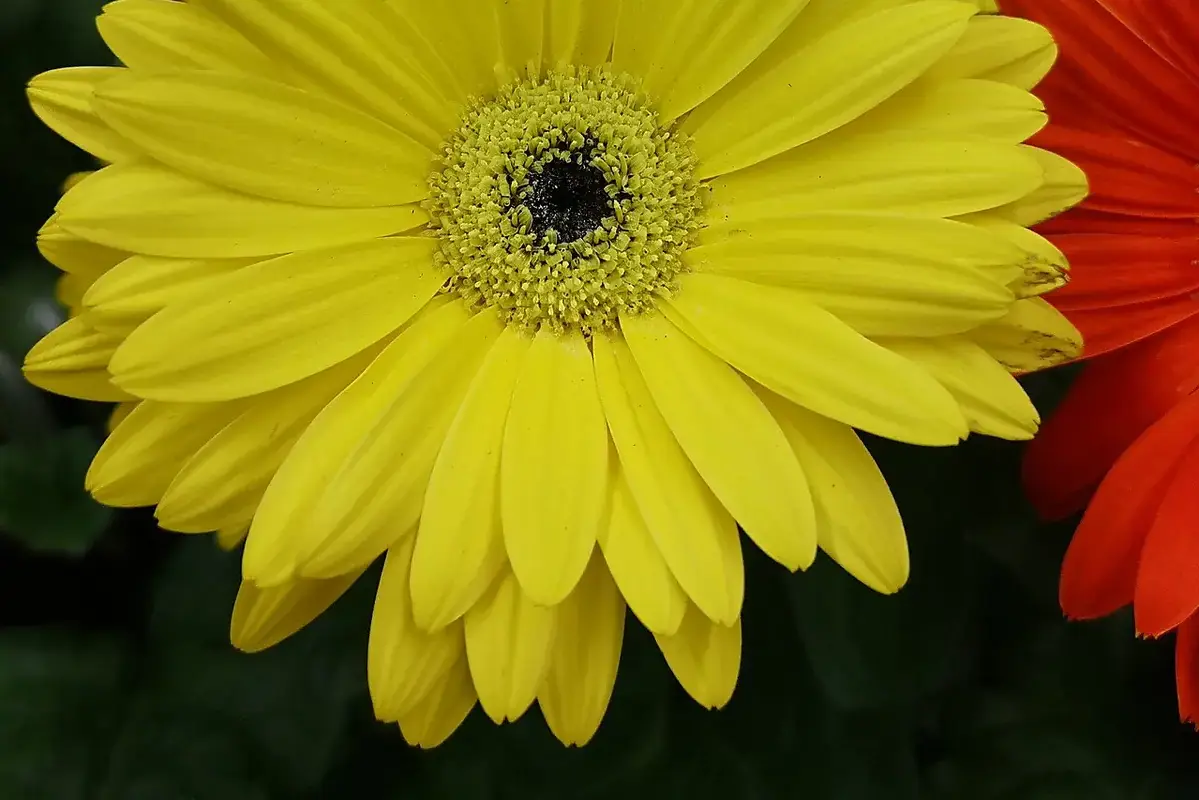
Use touch, odour and base firmness to catch early residue before the whole vase turns cloudy.
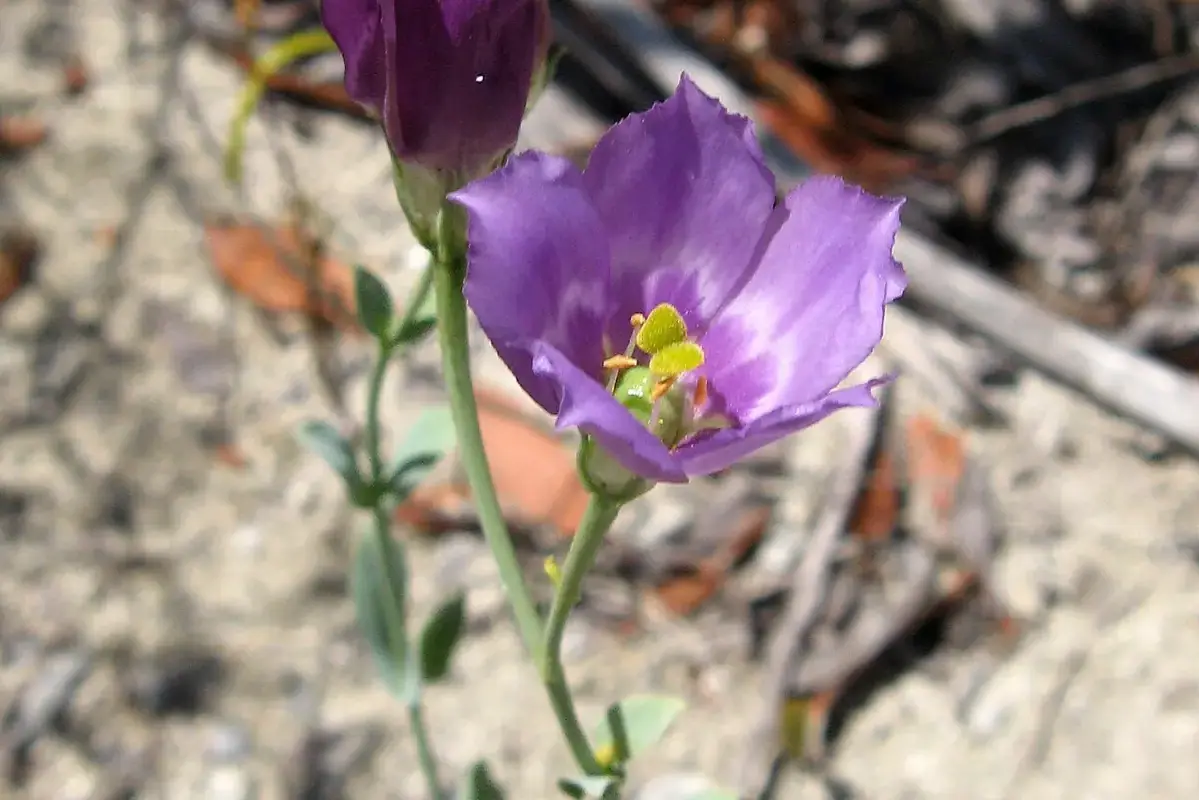
Set a safe low waterline and stable opening for short stems without drowning leaves or crowding the heads.
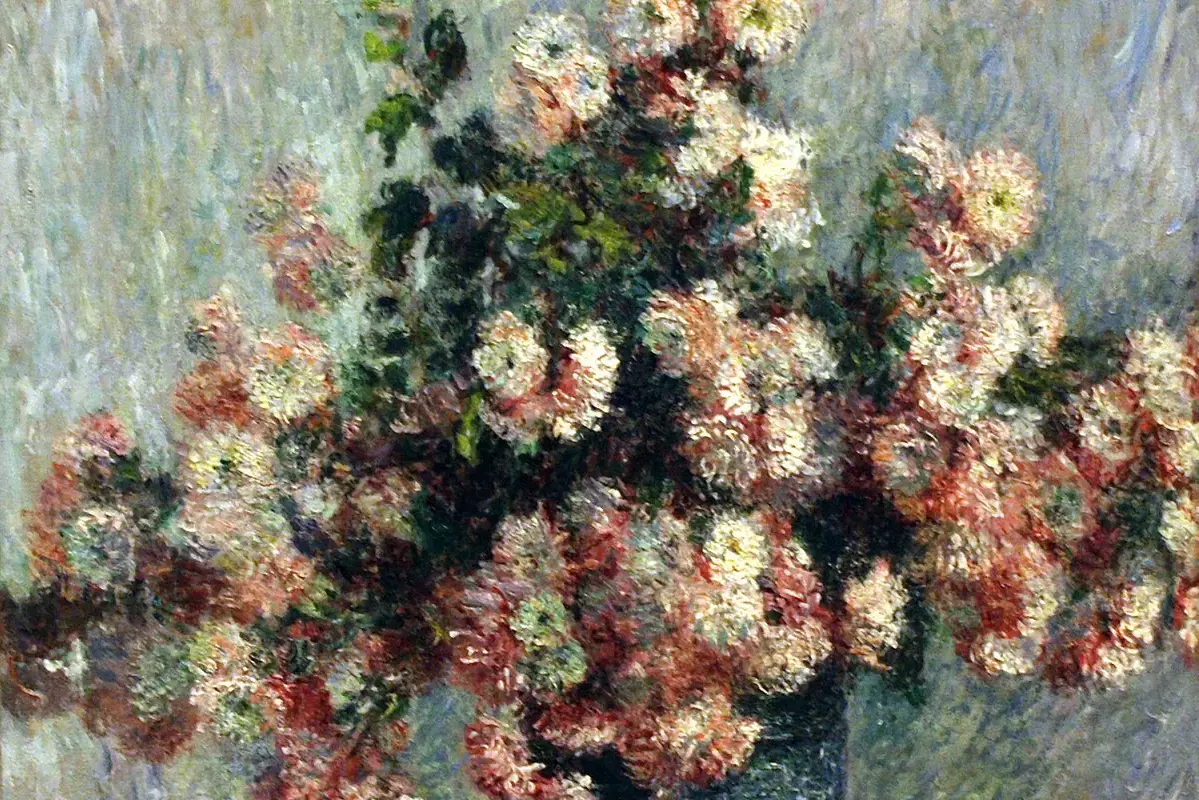
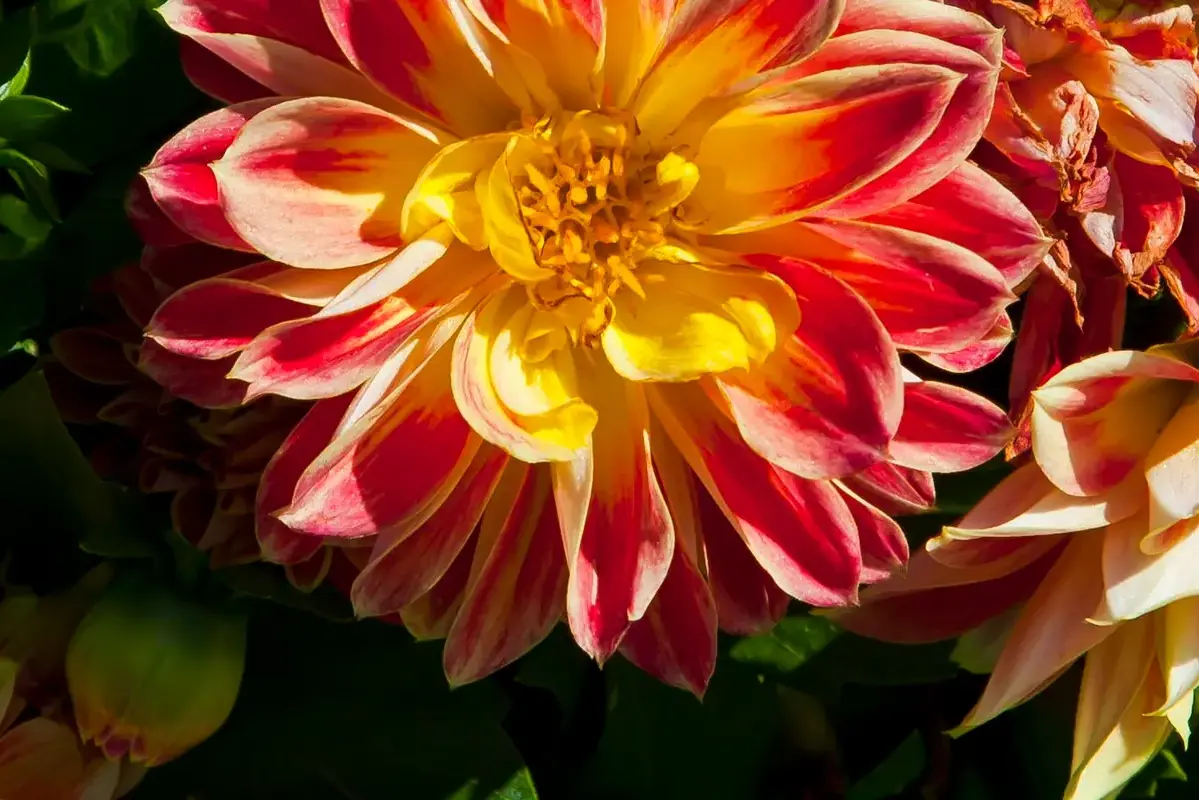
Support cut dahlias with careful stem checks, moderate water and a cool display position that protects large heads.
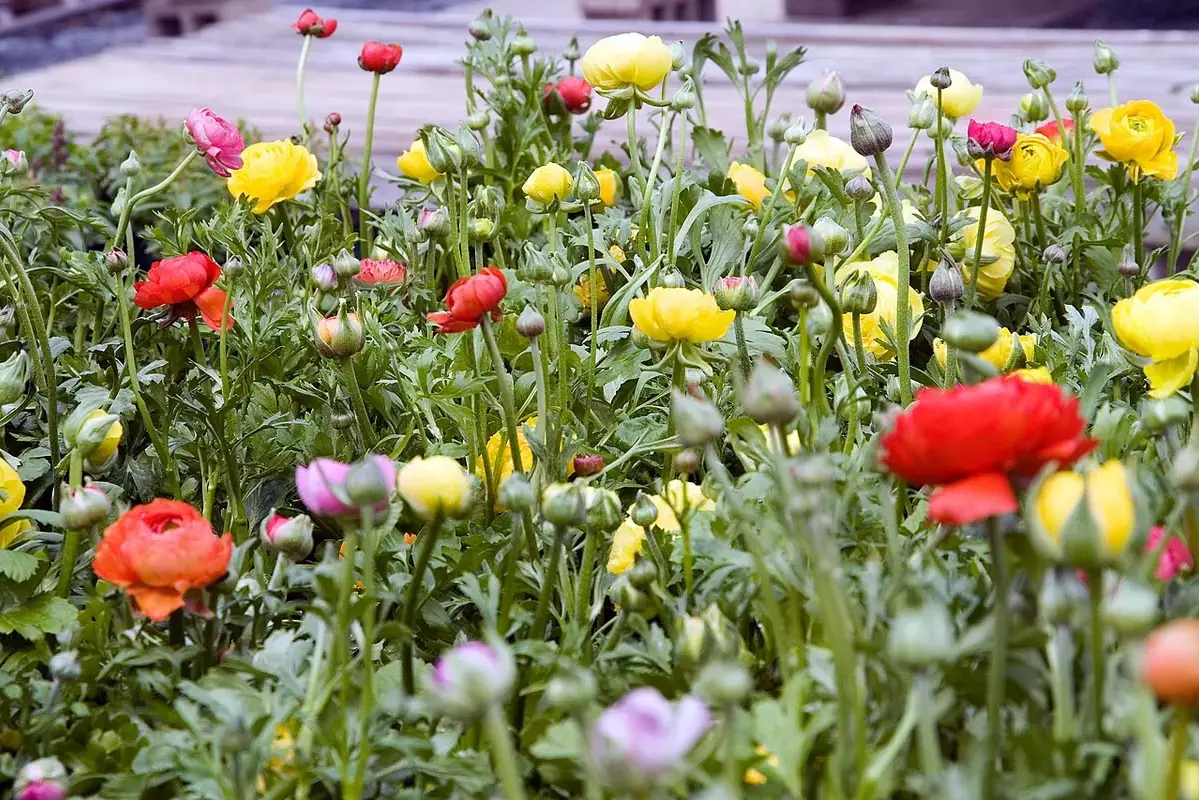
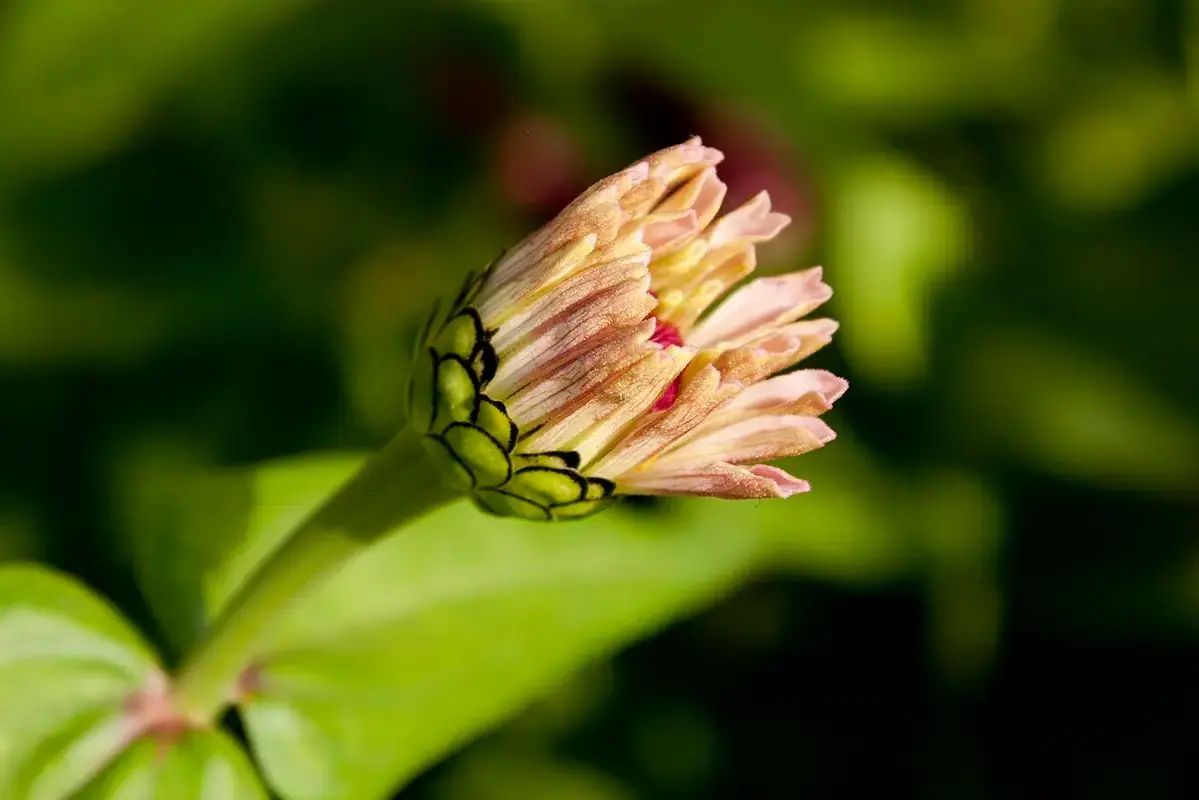
Manage zinnia stems by removing lower foliage, watching water clarity and preserving firm flower necks.
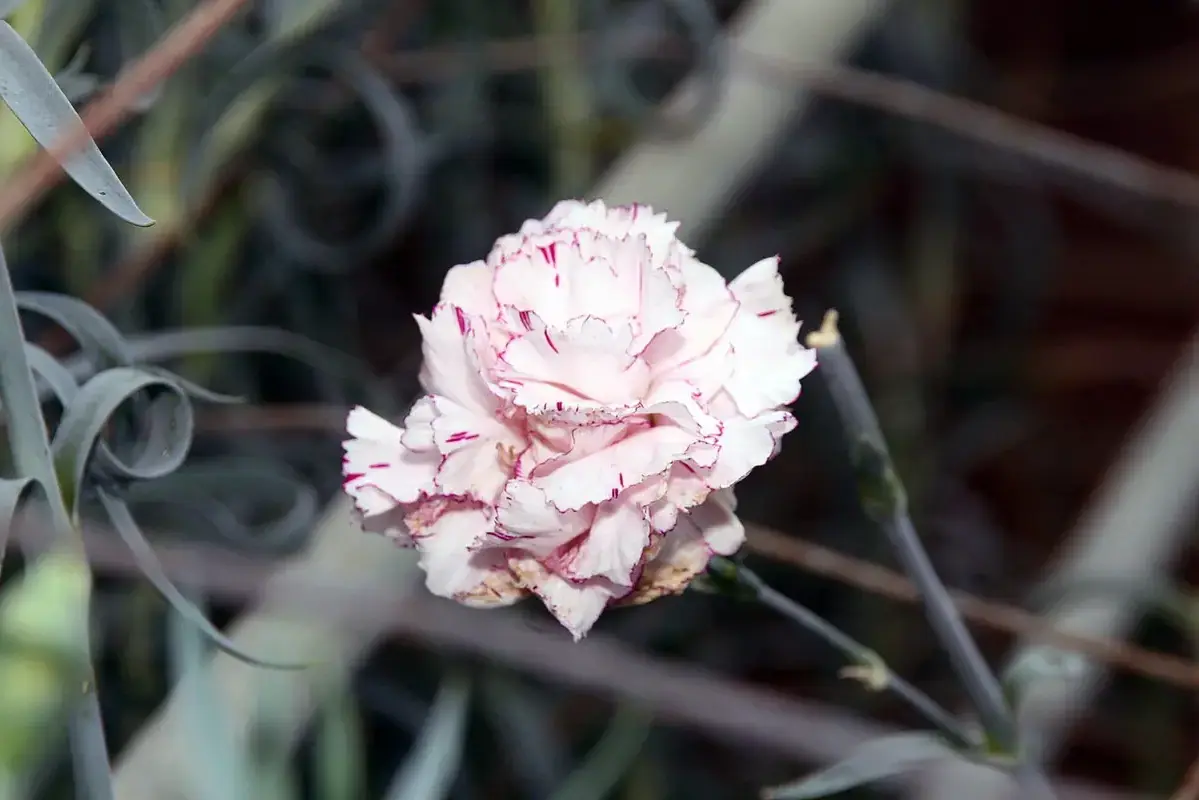
Separate a natural curve from a crease, water-path failure or room stress when flower necks bend soon after arranging.
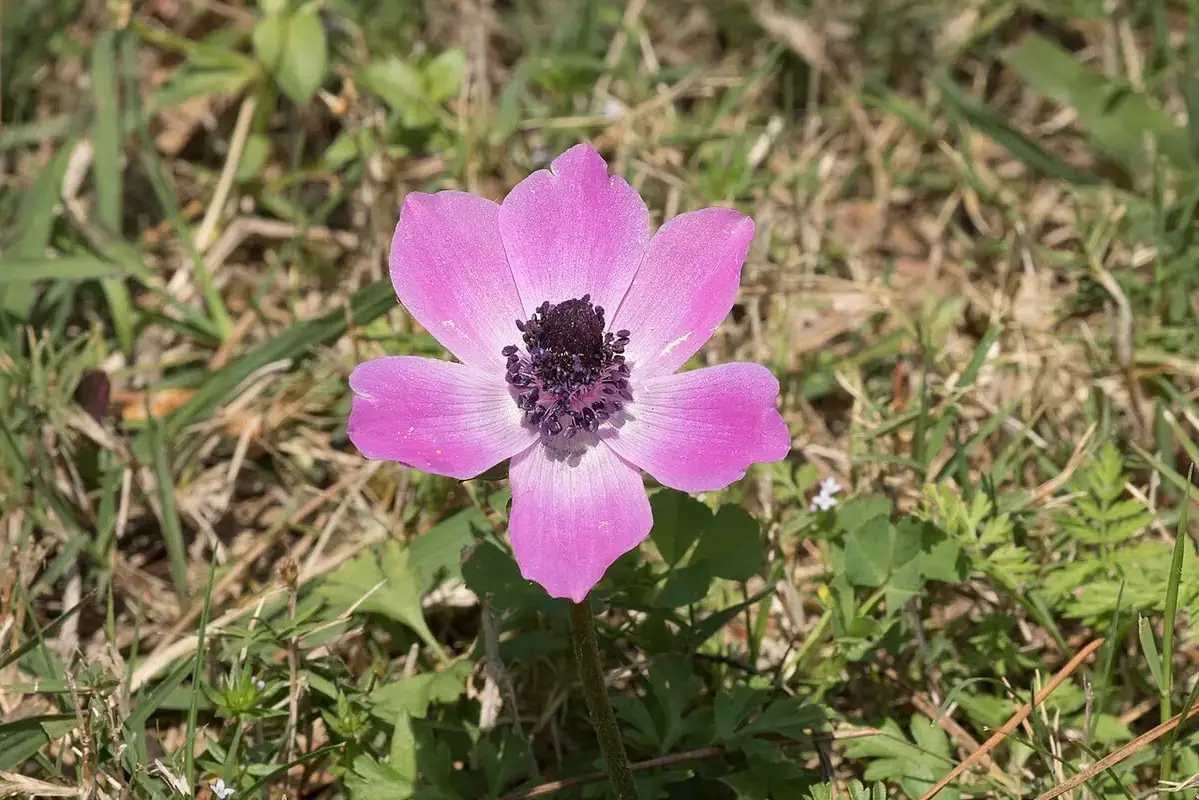
Compare bud maturity, stem position and room exposure before deciding that the whole bouquet is failing.
Use droplet distance, surface moisture and petal texture to decide whether humidifier mist is helping or harming a bouquet.
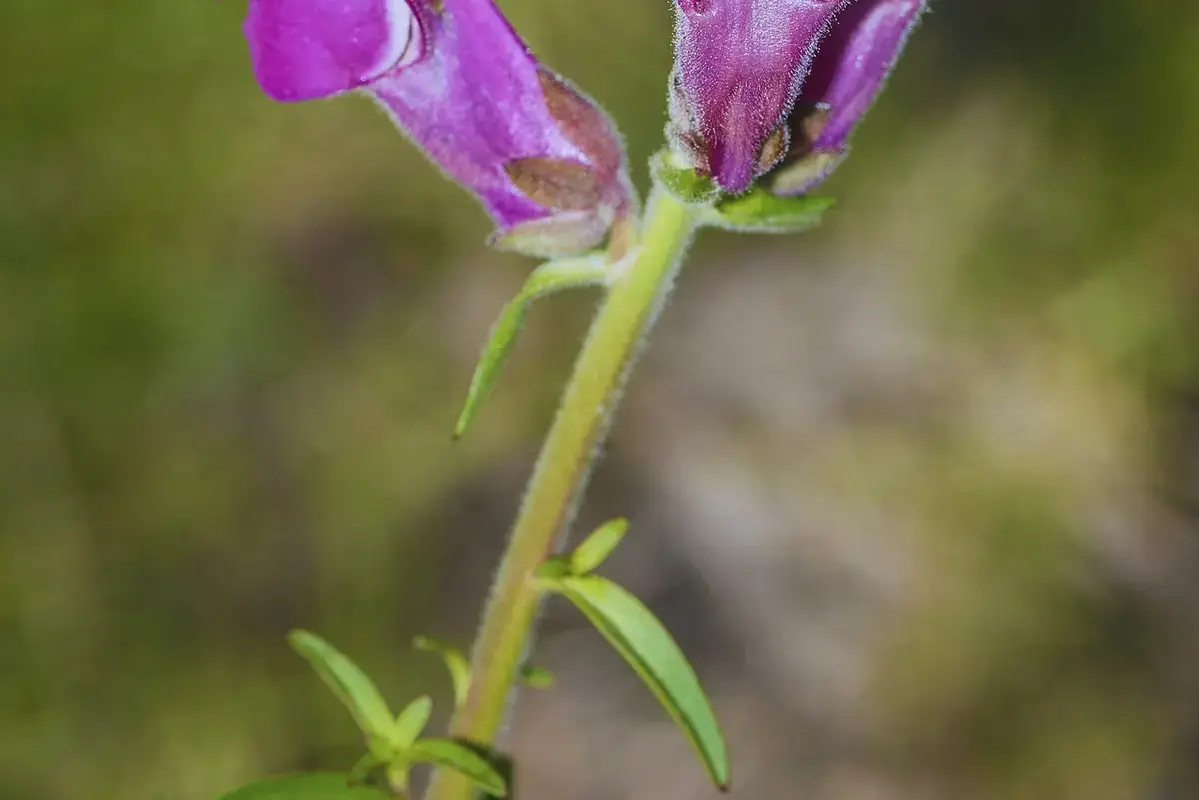
Check sill depth, glass temperature, sun path and tipping risk before using a window ledge as a flower display.
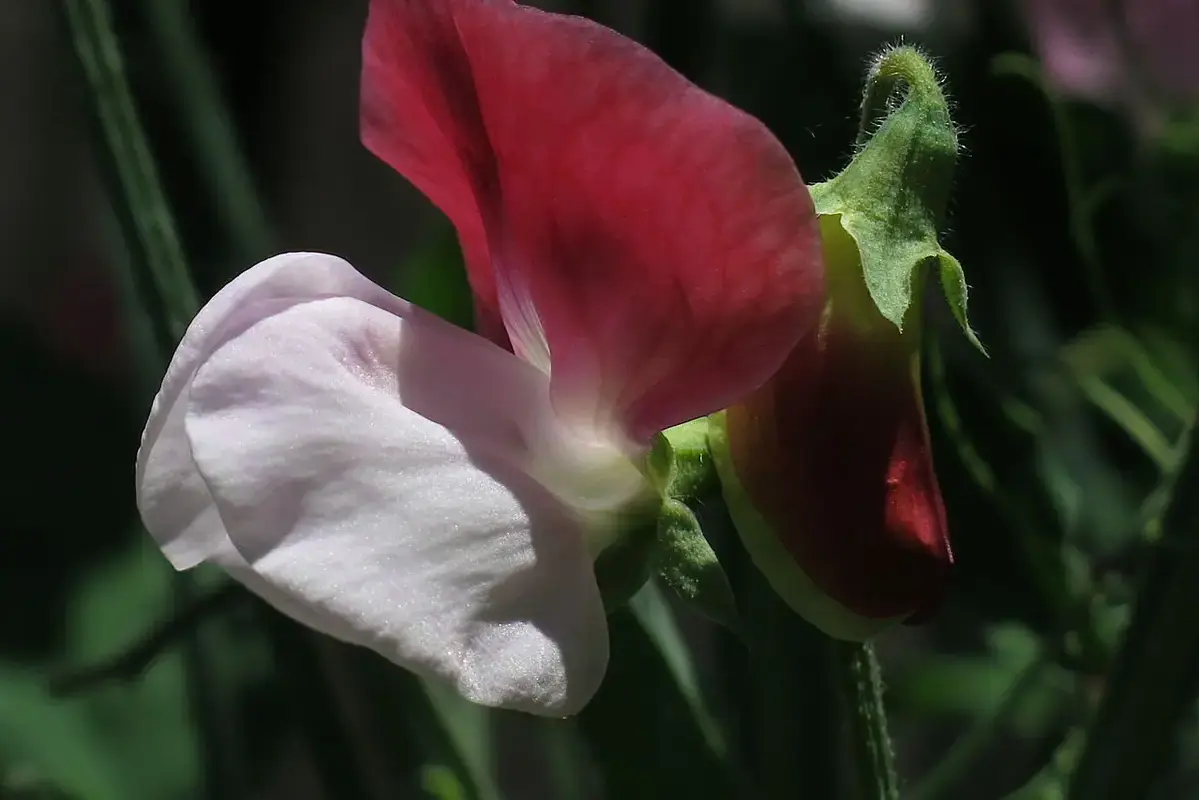
Dry small airy stems in loose bunches with shade and airflow so tiny florets keep their pale colour.
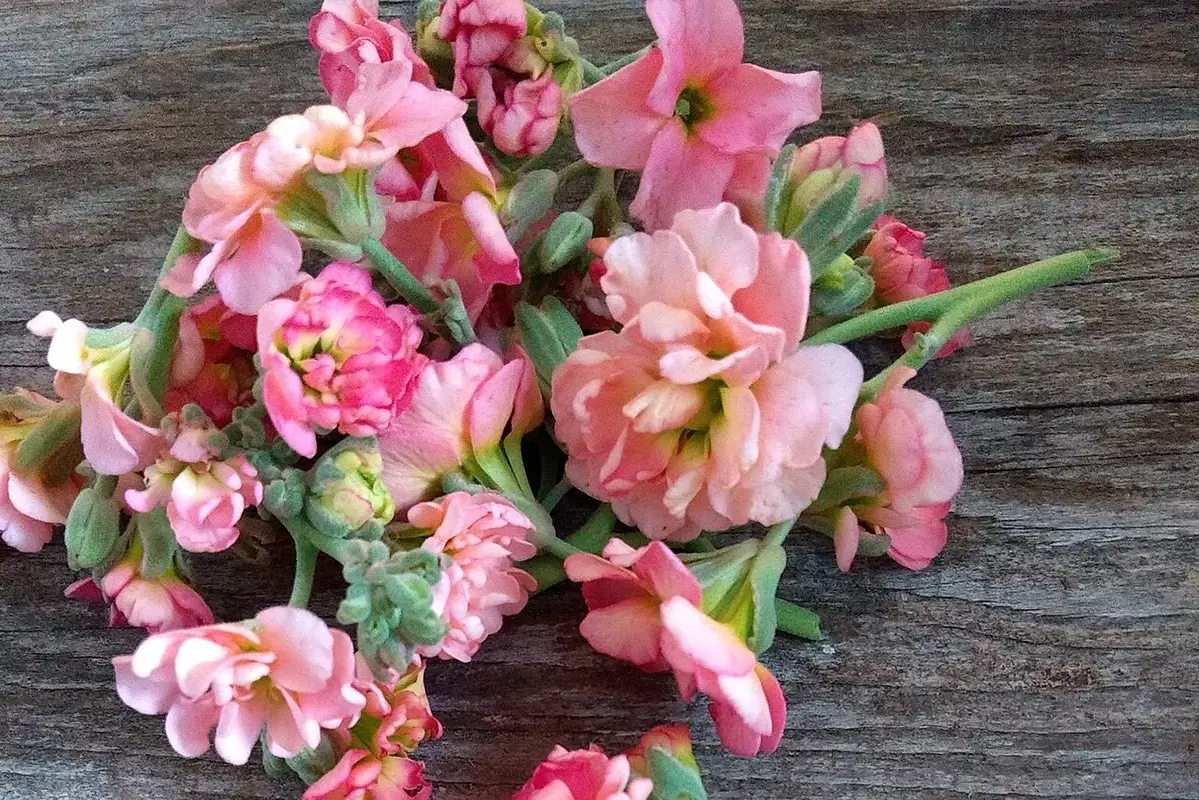
Keep desiccant useful by removing plant debris, checking colour indicators and storing it dry between flower projects.

Correct a bouquet that leans visually to one side by adjusting height, angle and focal weight instead of adding filler.
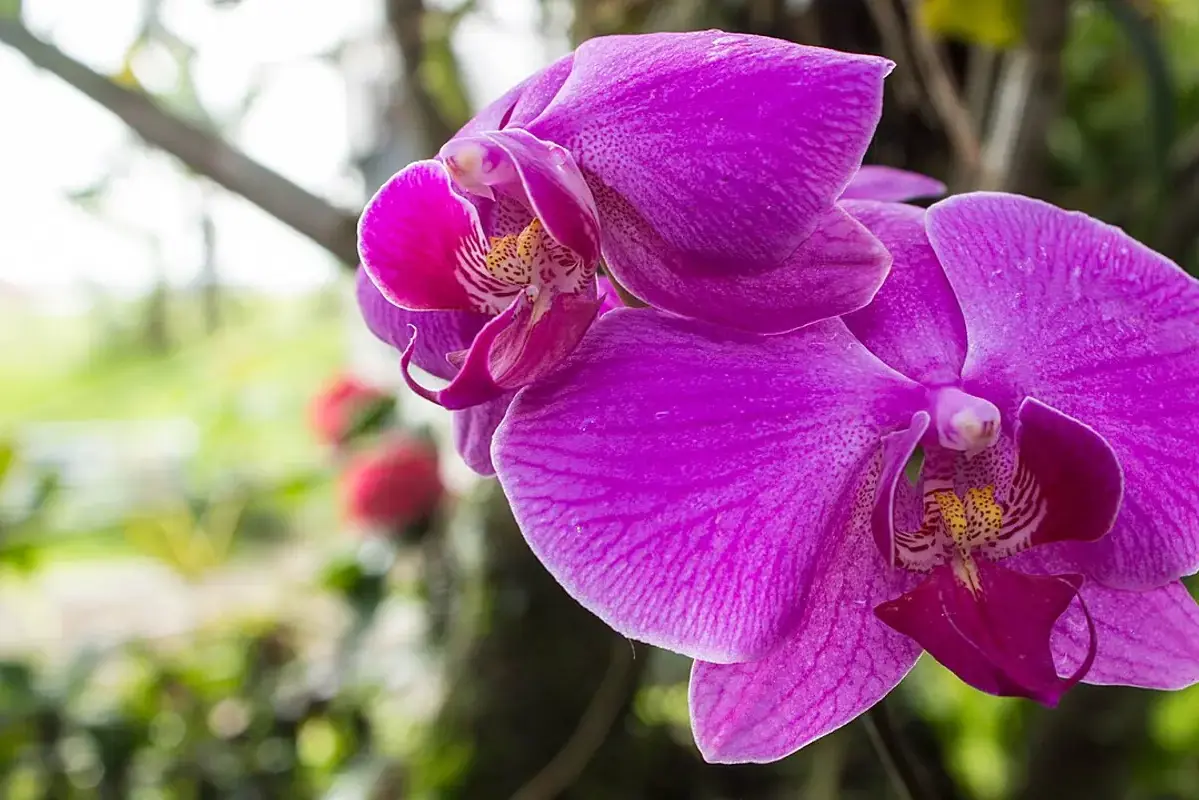
Use greenery as a support framework only when it is clean, firm and does not hide the waterline.
Read bubbles on stems and glass as clues about fresh cuts, trapped air, residue or room temperature changes.
Match temperature, support the stems and change water calmly so a maintenance reset does not add handling stress.
Use a tall clean vessel, careful spacing and cool placement to keep delphinium spikes upright as florets open.
Protect calla lilies from bruised stems, high waterlines and heat while keeping their sculptural curve visible.
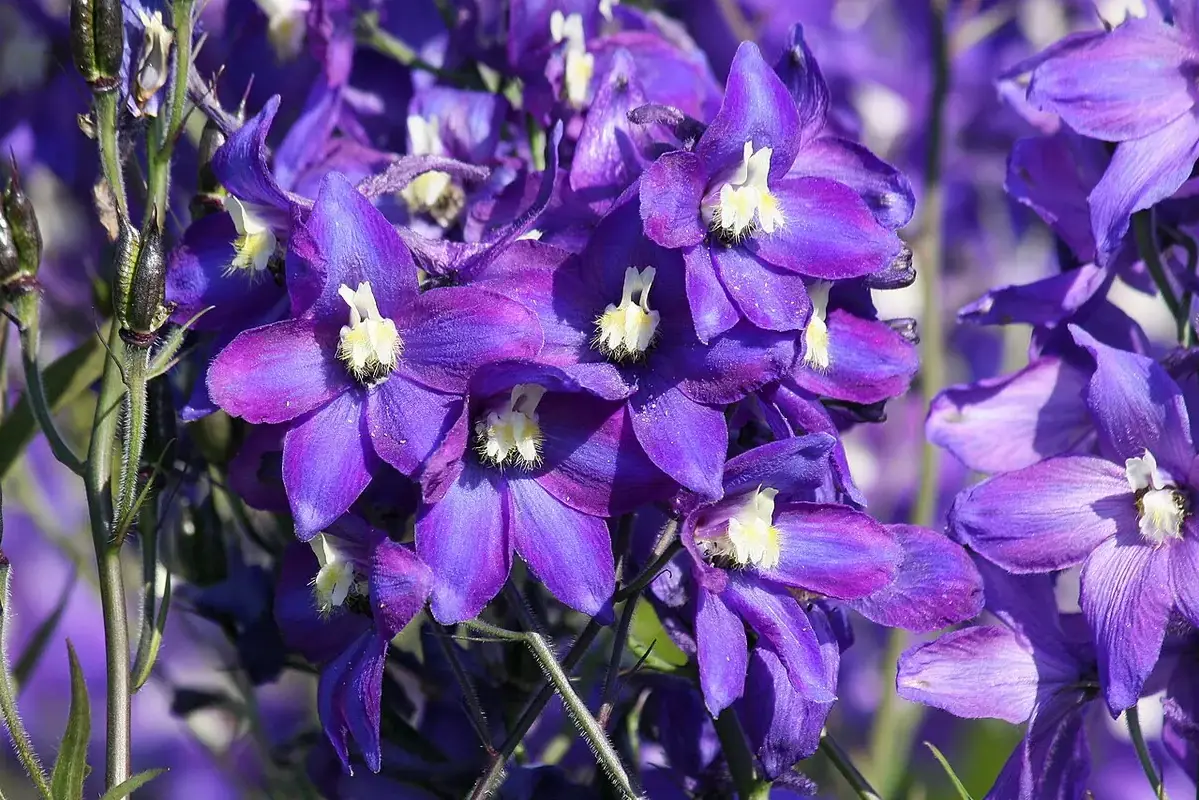
Use wrinkle location, firmness and water clarity to decide whether stems are dehydrated, aged or deteriorating.
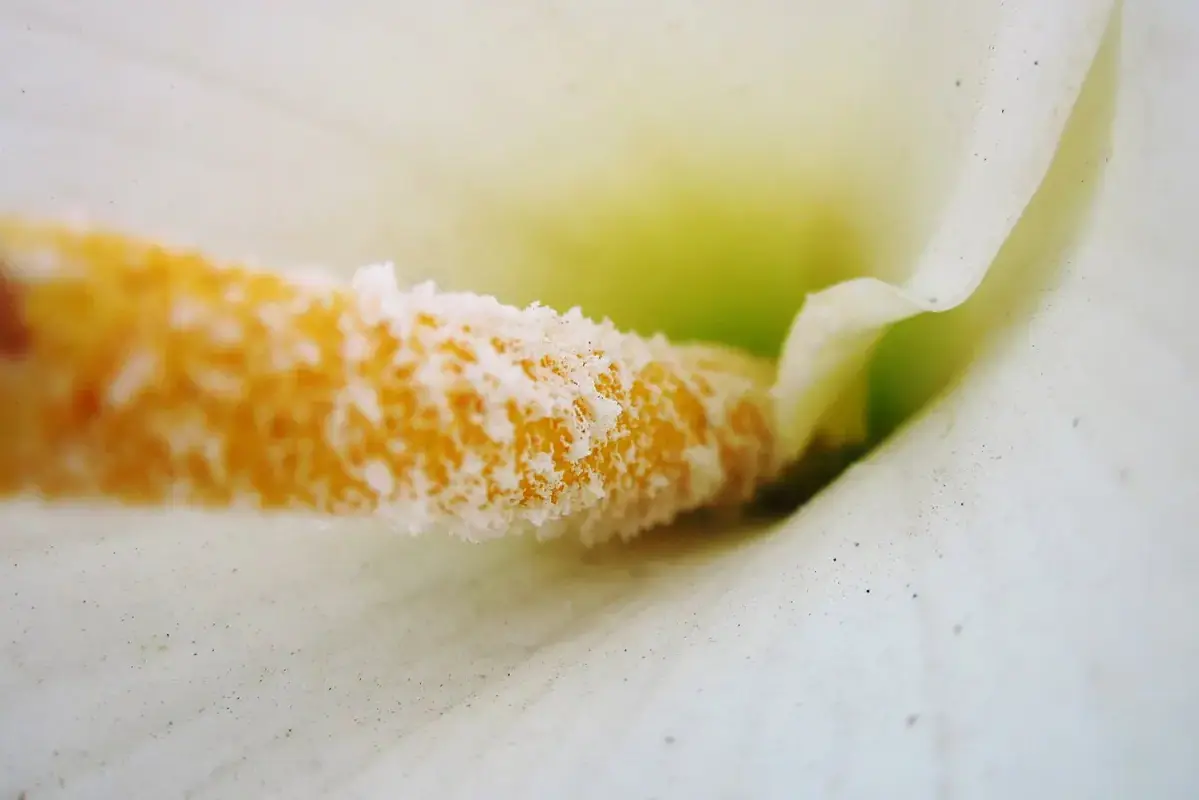
Compare bud maturity, heat exposure and stem condition when colour fades before the flower reaches full shape.
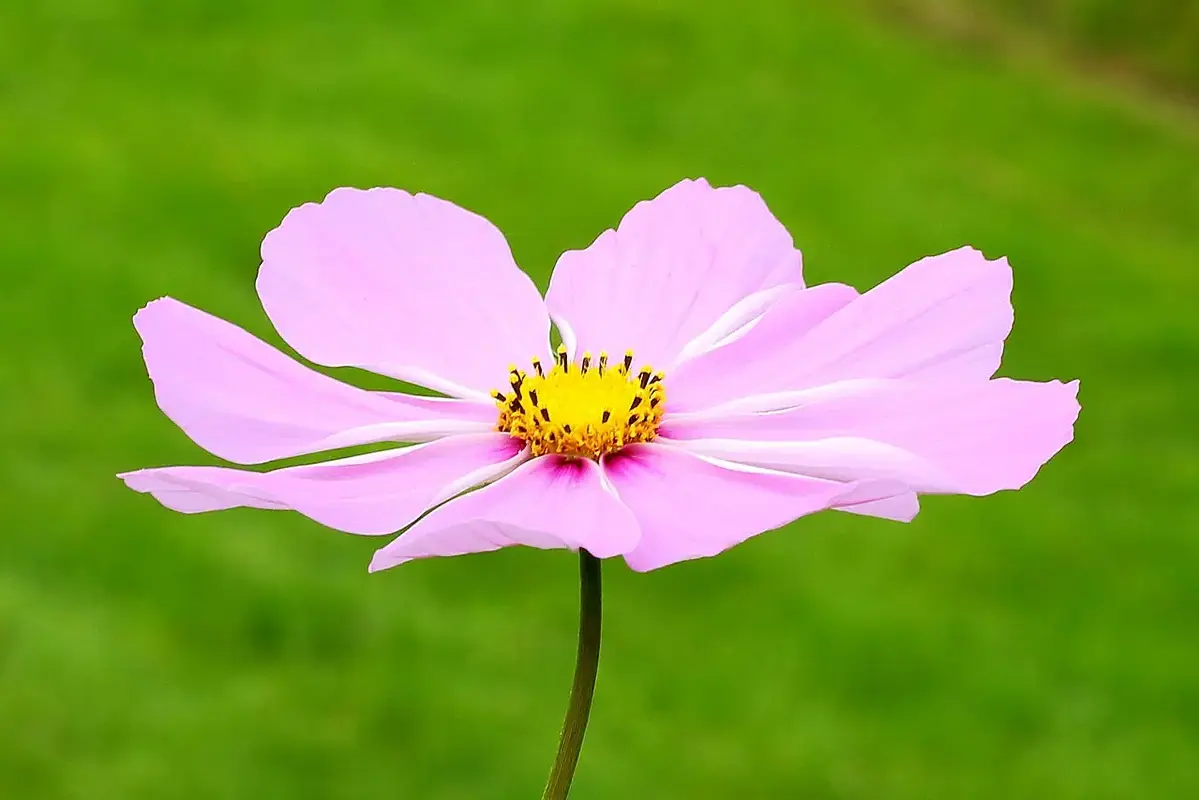
Choose a bedroom spot by checking night temperature, airflow, scent strength and morning light before moving the vase.

Test drafts, temperature swings and insect exposure before using an open window for fresh-air display.
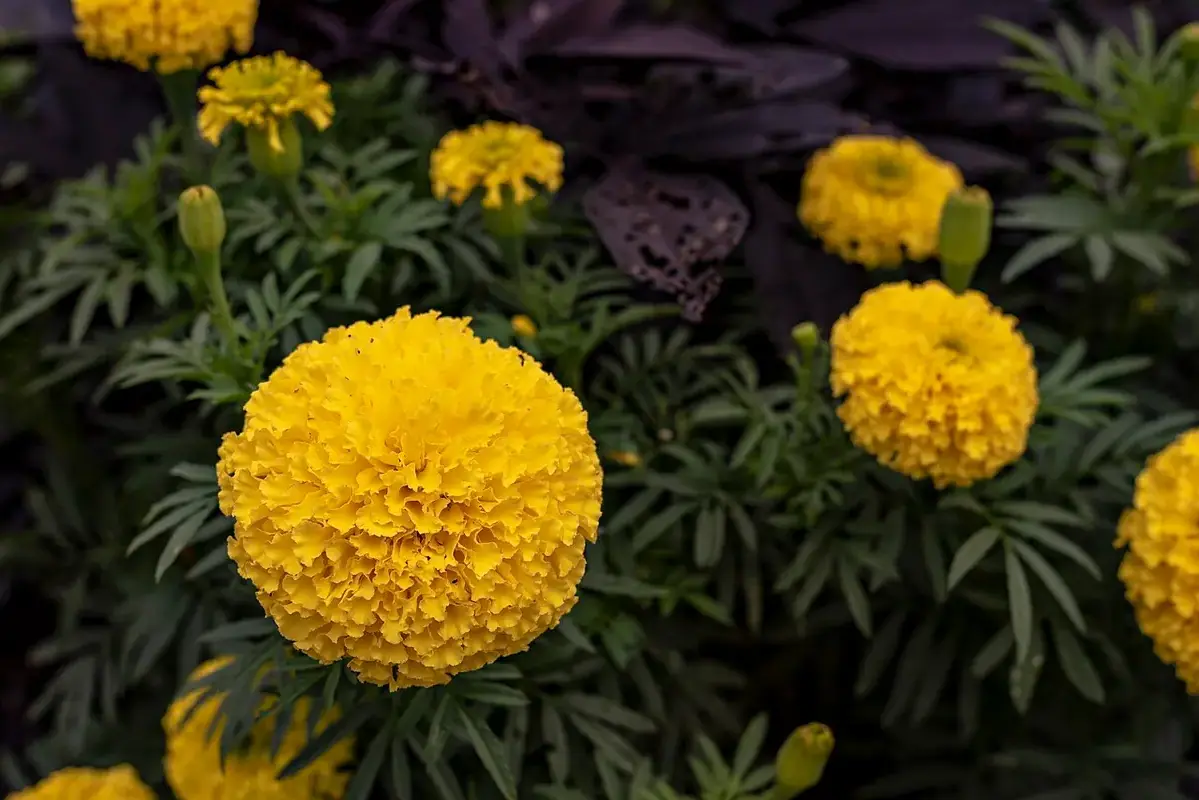
Thin, split or choose alternate methods for thick petals so pressing does not seal damp centres.
Record flower type, drying date and condition notes so stored preserved flowers remain useful and safe to handle.
Match a mixed bouquet to an opening that supports stems without squeezing heads or hiding the waterline.
Let traveled stems recover from heat, compression and dry time before making final cuts or design decisions.

Separate undissolved packet residue from dirty glass, wrong dose and failing stems after a fresh flower-food mix.
Use careful dilution, contact time and rinsing so a sanitized vase returns to a neutral smell before flowers go in.

Handle cosmos as light delicate stems, using clean shallow support and cool placement to avoid bent necks and bruised petals.
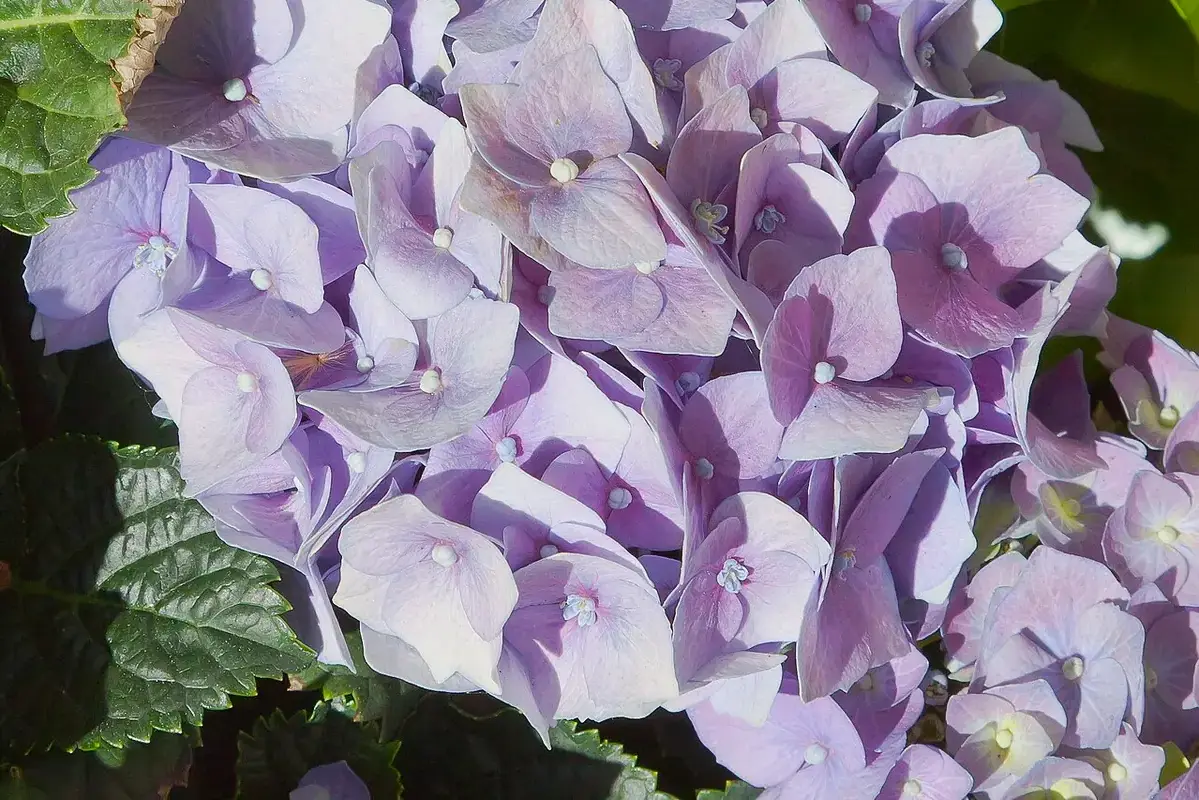
Keep gladiolus spikes upright while lower florets open, age and need removal before they fall into the water.
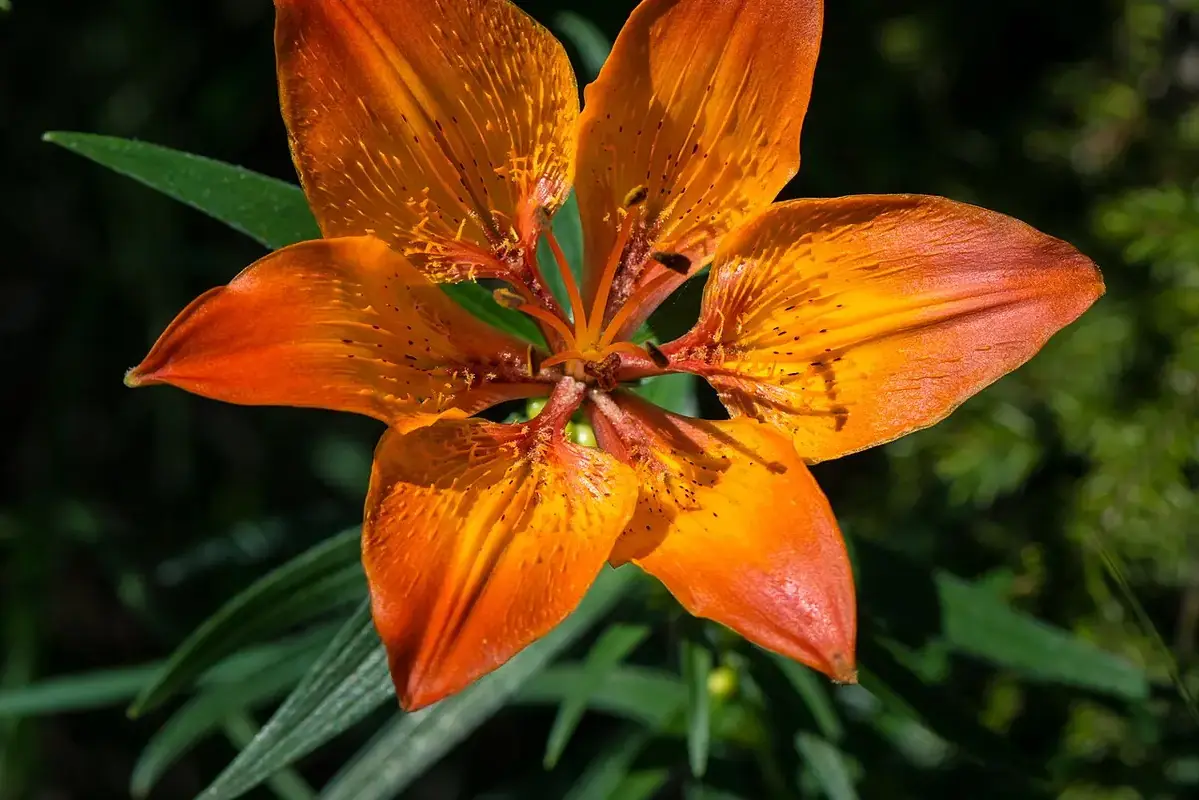
Decide whether to leave, lift or remove pollen marks without smearing colour deeper into delicate petal tissue.
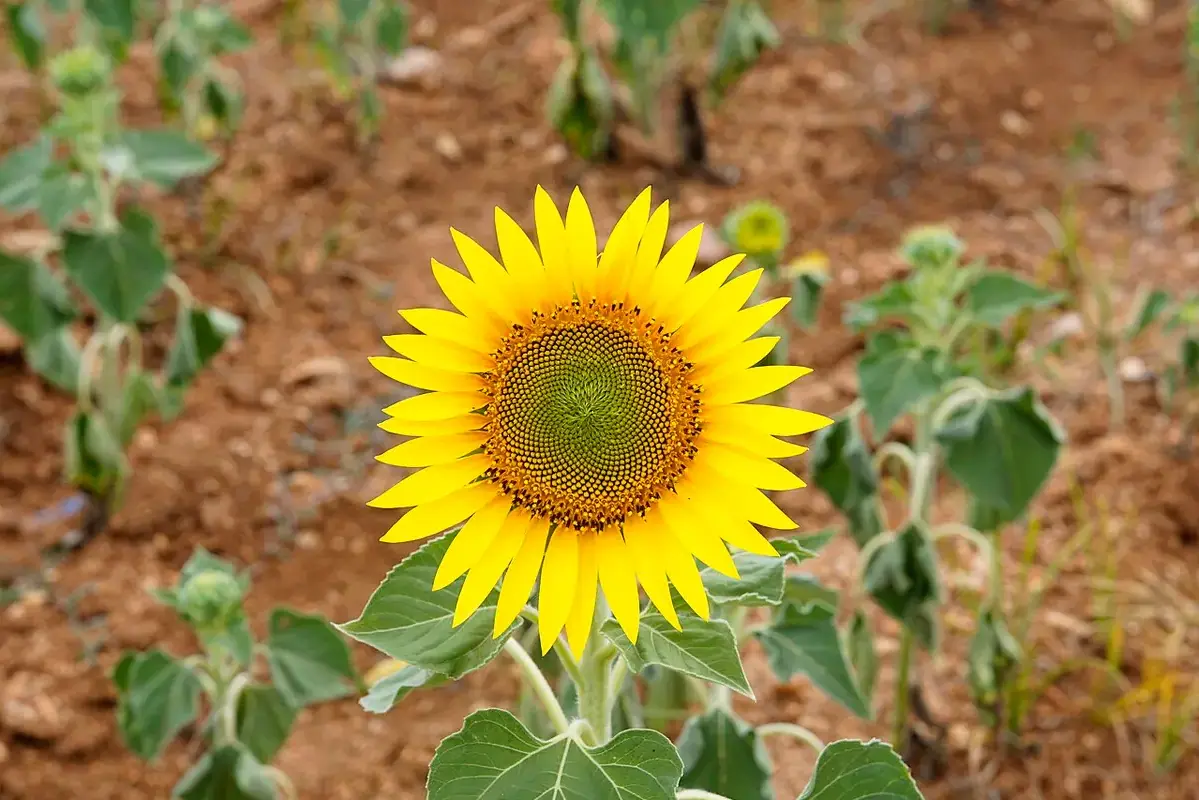
Use leaf position, waterline and stem firmness to tell normal foliage loss from a developing whole-stem problem.
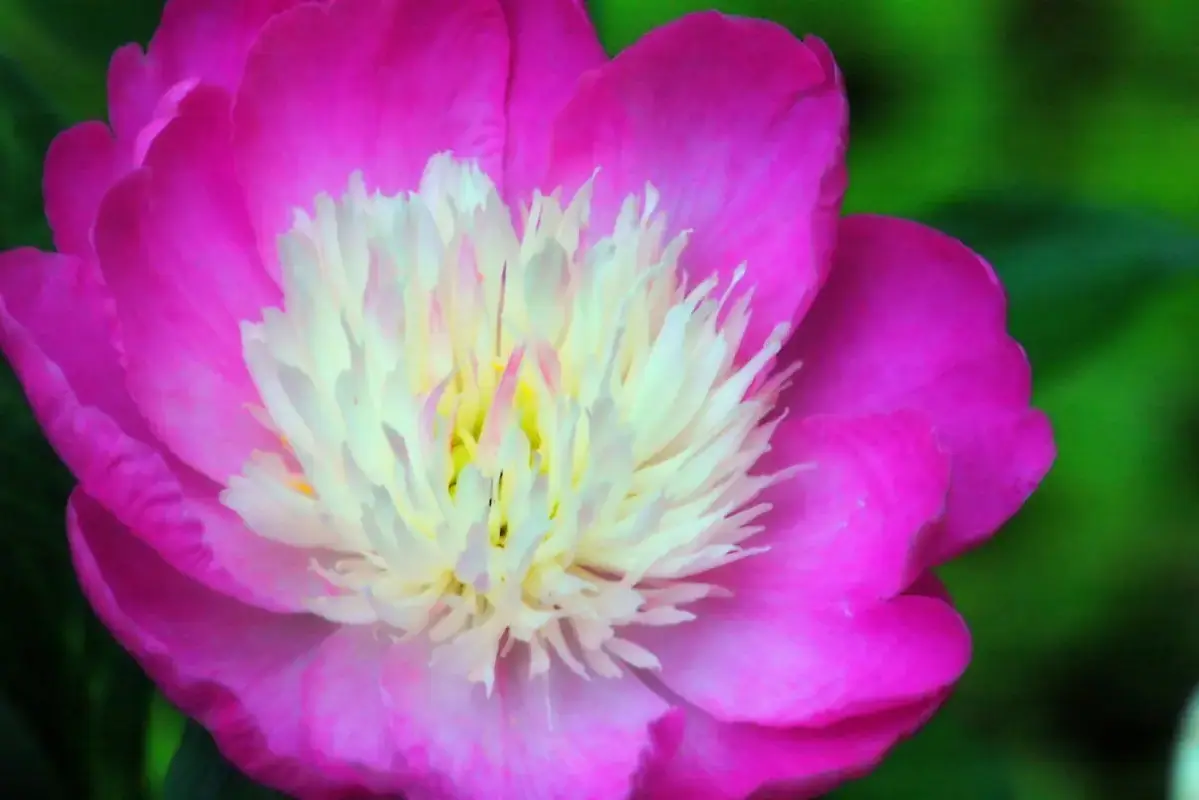
Protect petals from heat, flame, soot and accidental contact when candles share a table or mantel with flowers.
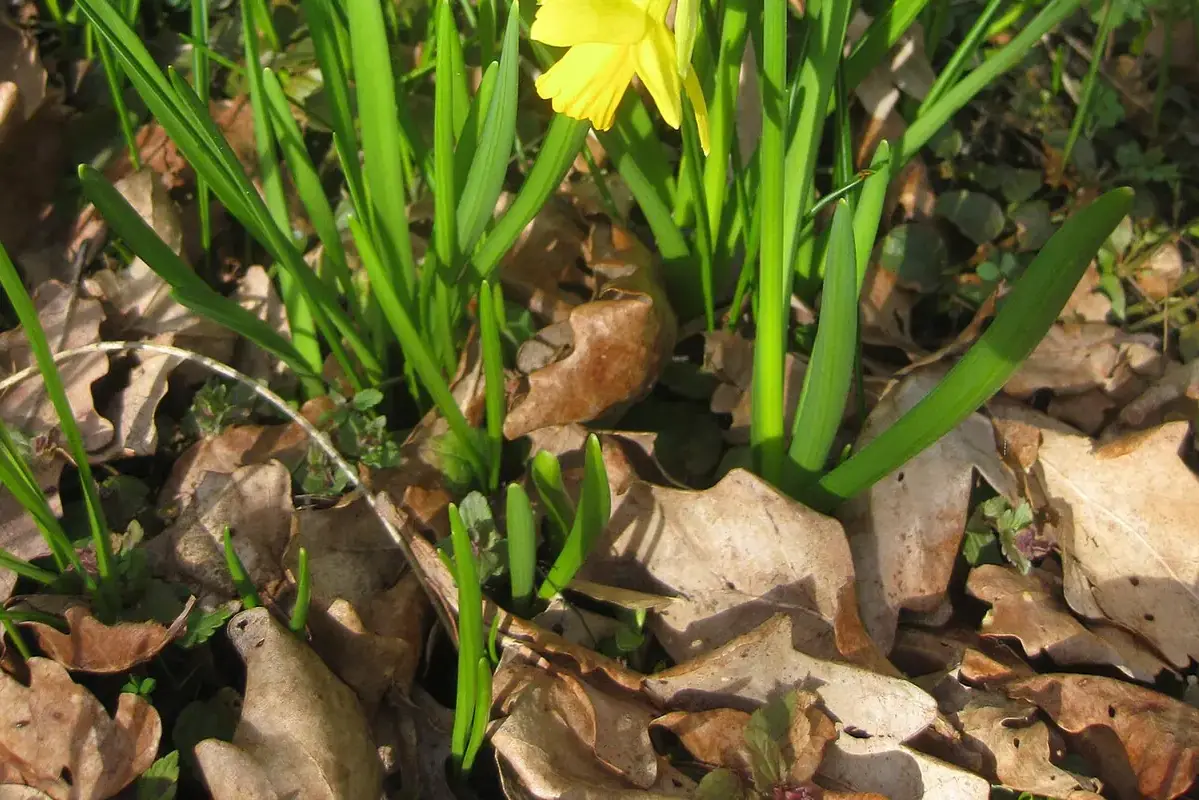
Map the late-day beam and water temperature so a bouquet that looked safe in the morning does not cook by afternoon.
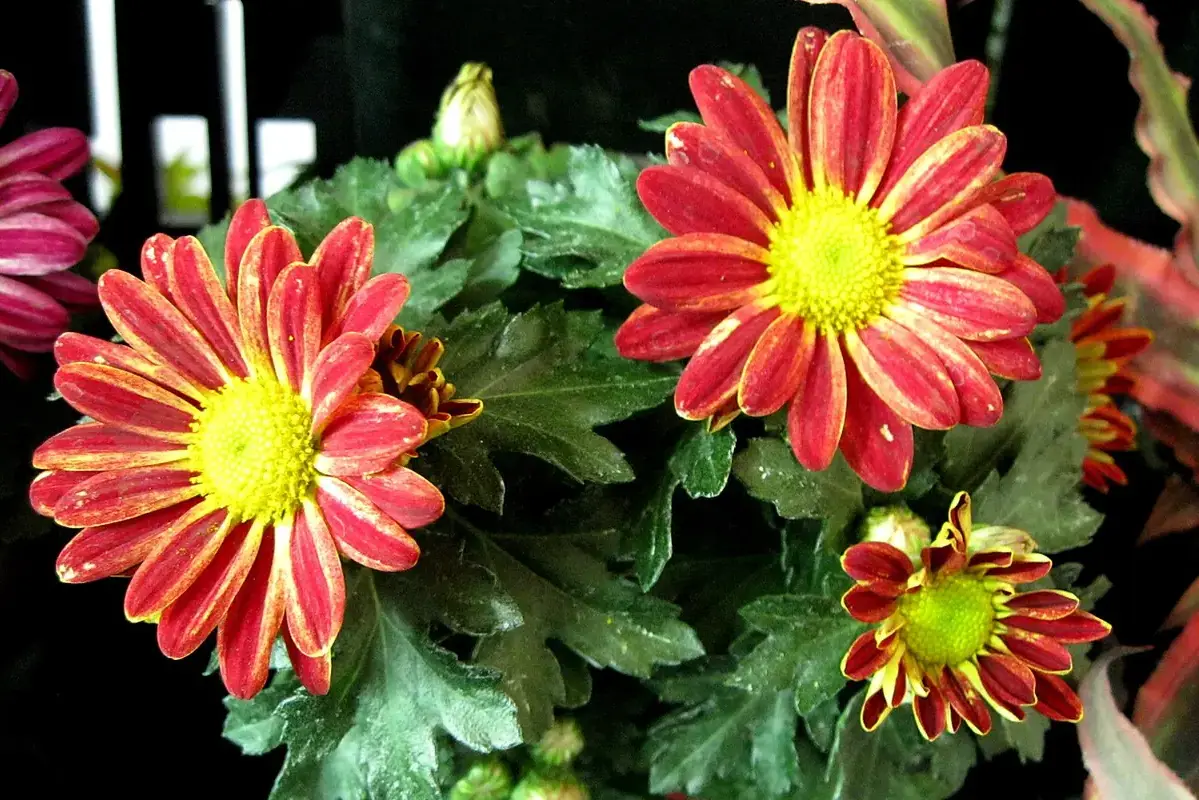
Choose the right hydrangea stage and gradual drying method to preserve shape without trapping water in the head.
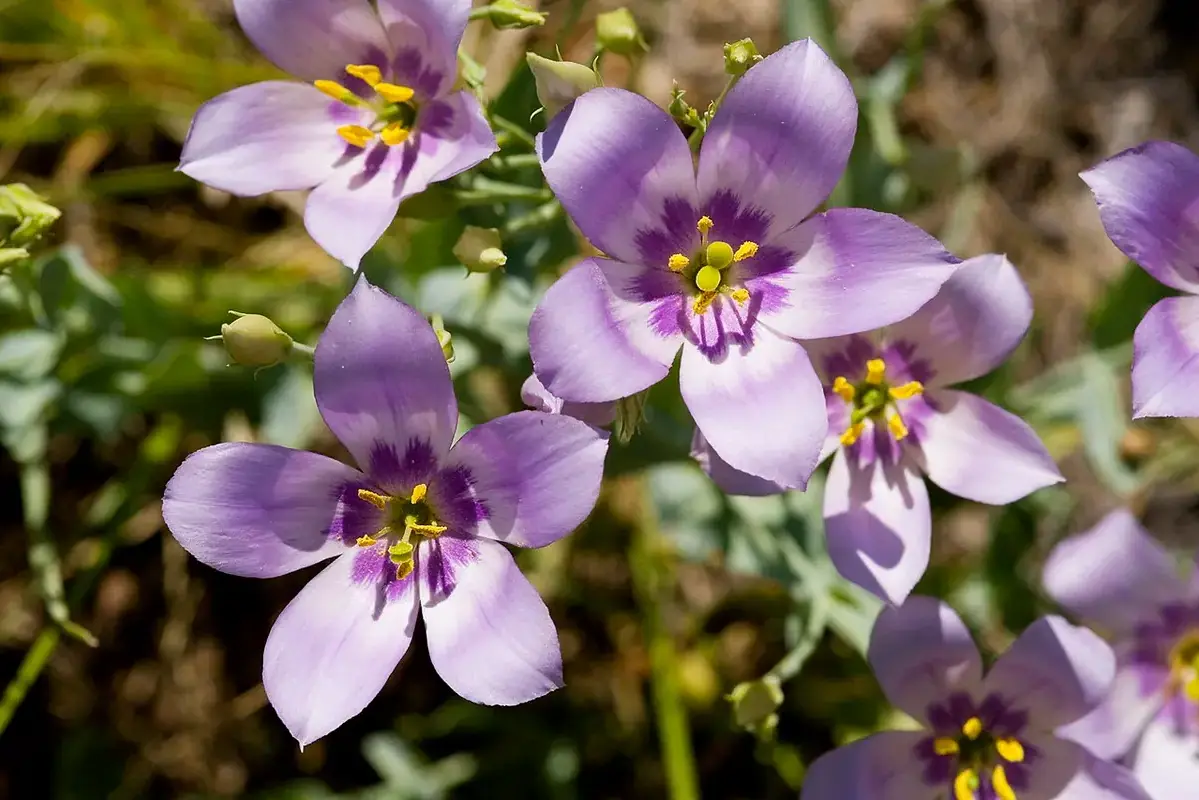
Reduce dust by choosing a protected display, gentle cleaning rhythm and no-contact storage for fragile dried petals.
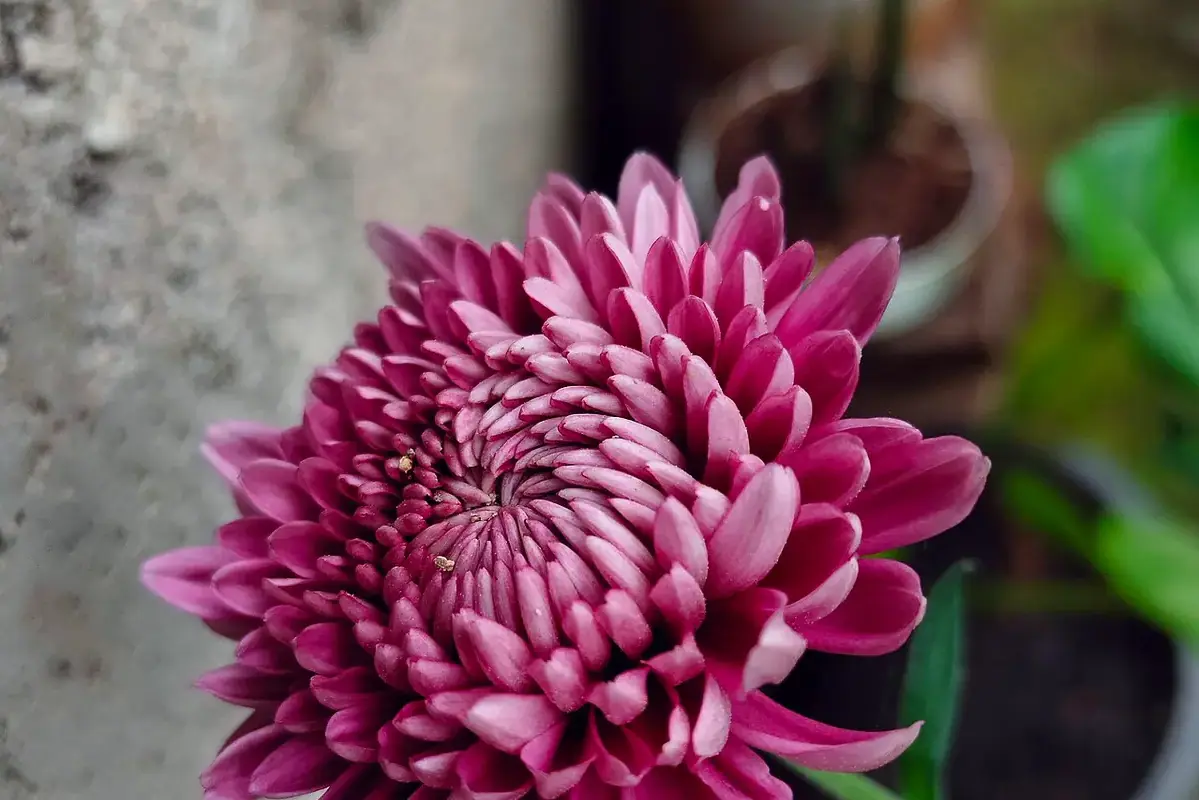
Use stem order, spacing and a lower support point to place flowers in a narrow opening without bruising the heads.
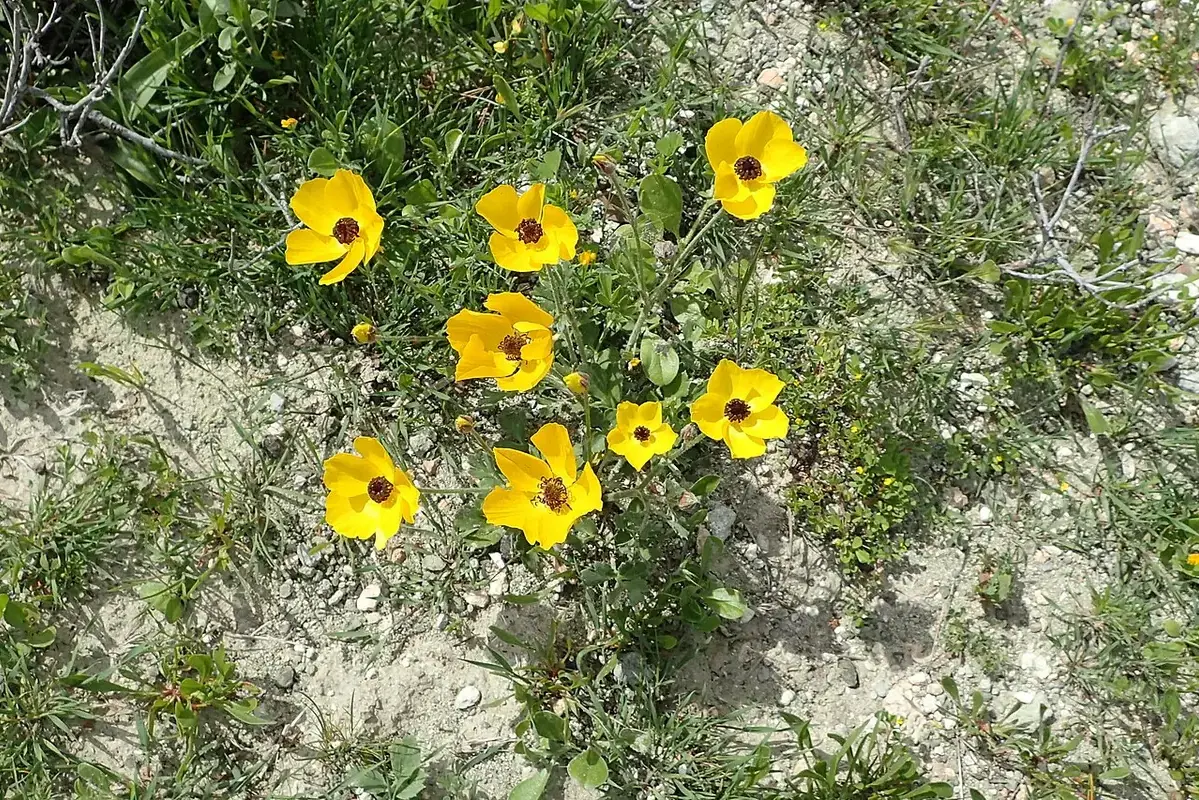
Shorten a tall bouquet in stages by checking leverage, waterline and bloom height instead of cutting every stem at once.
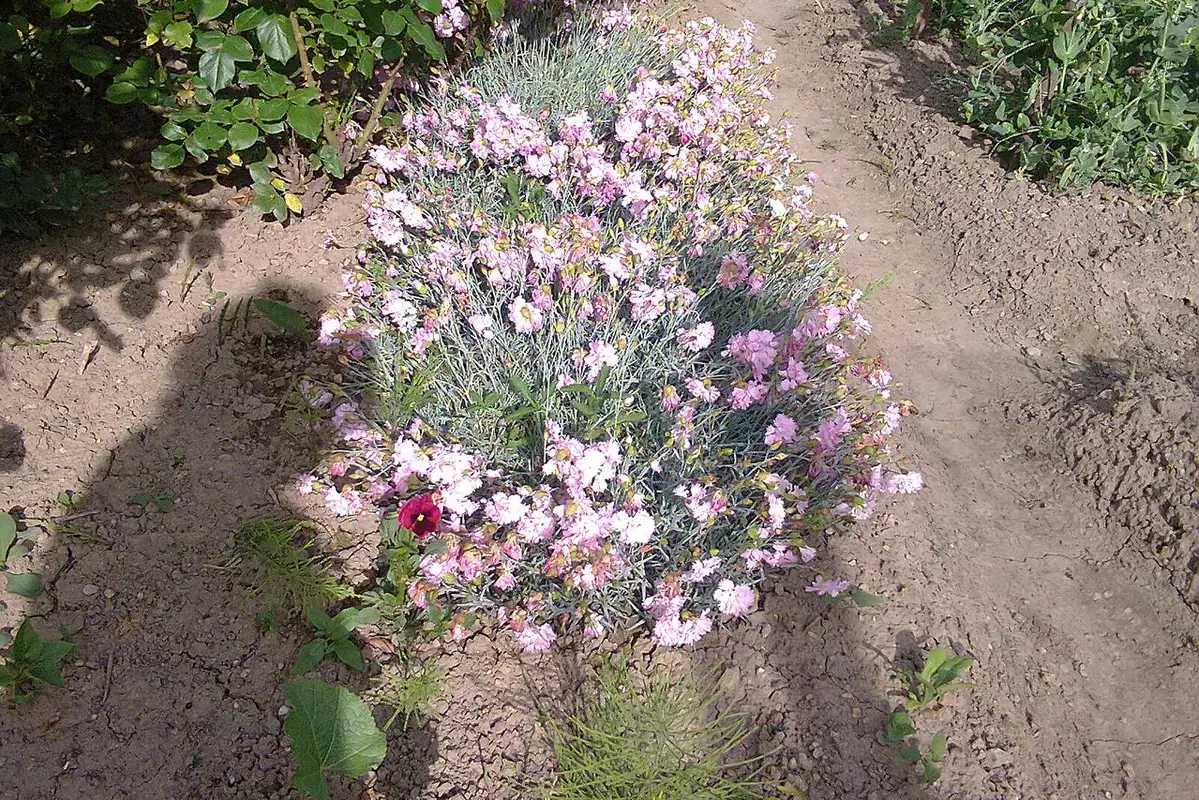
Decide when a gentle rinse removes debris and when slippery, soft or split stems need isolation instead.
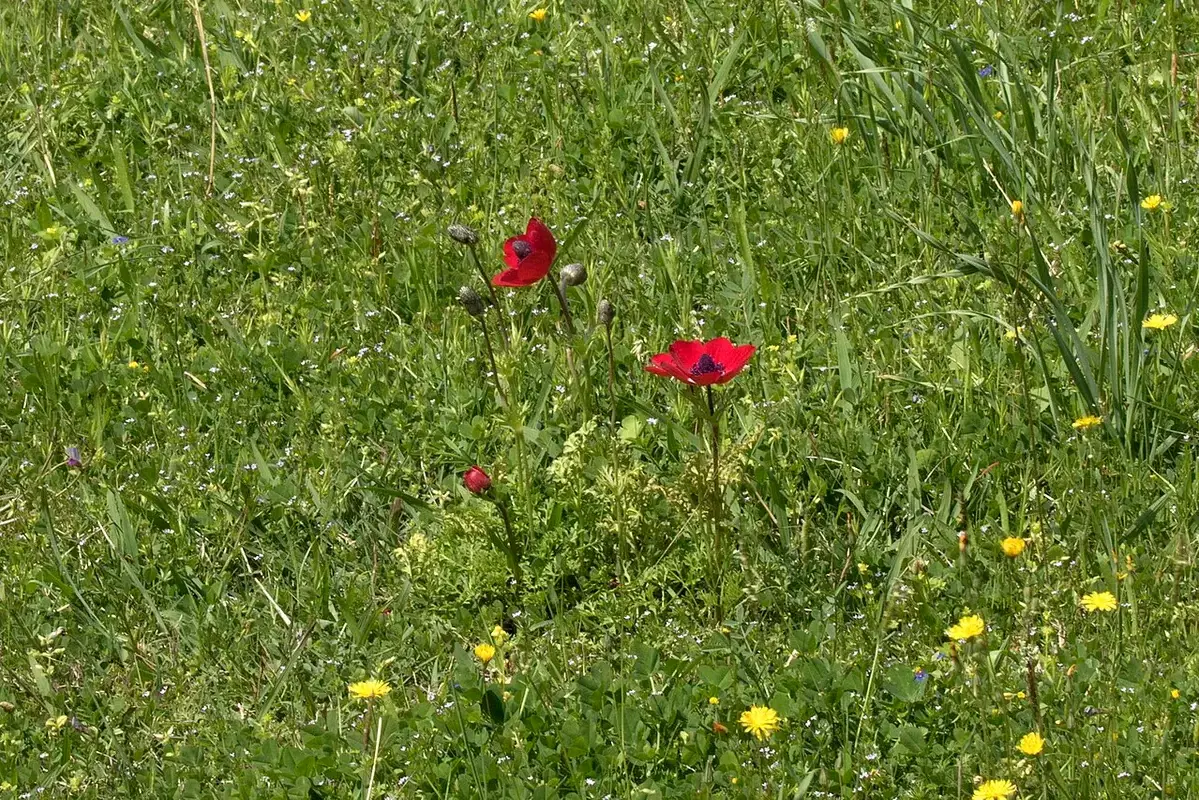
Clear grit from garden stems or a dirty vessel without scratching glass or carrying residue into the next water change.
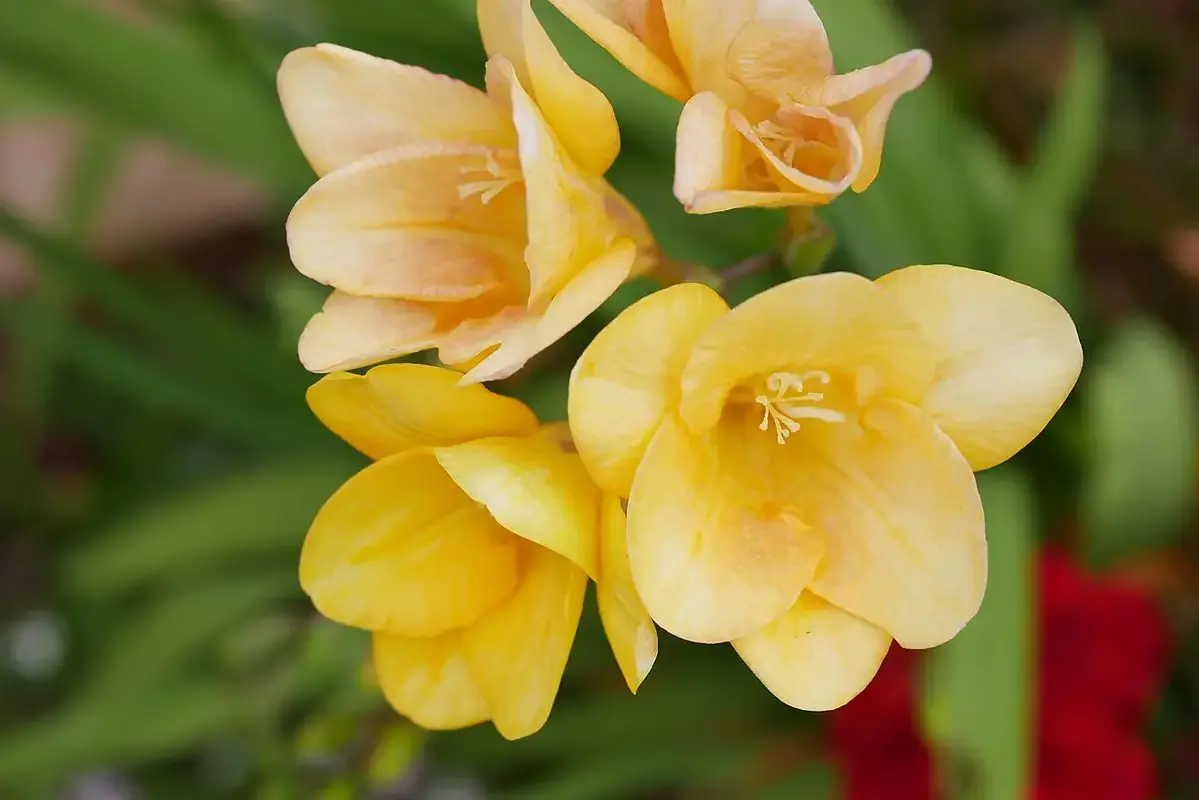
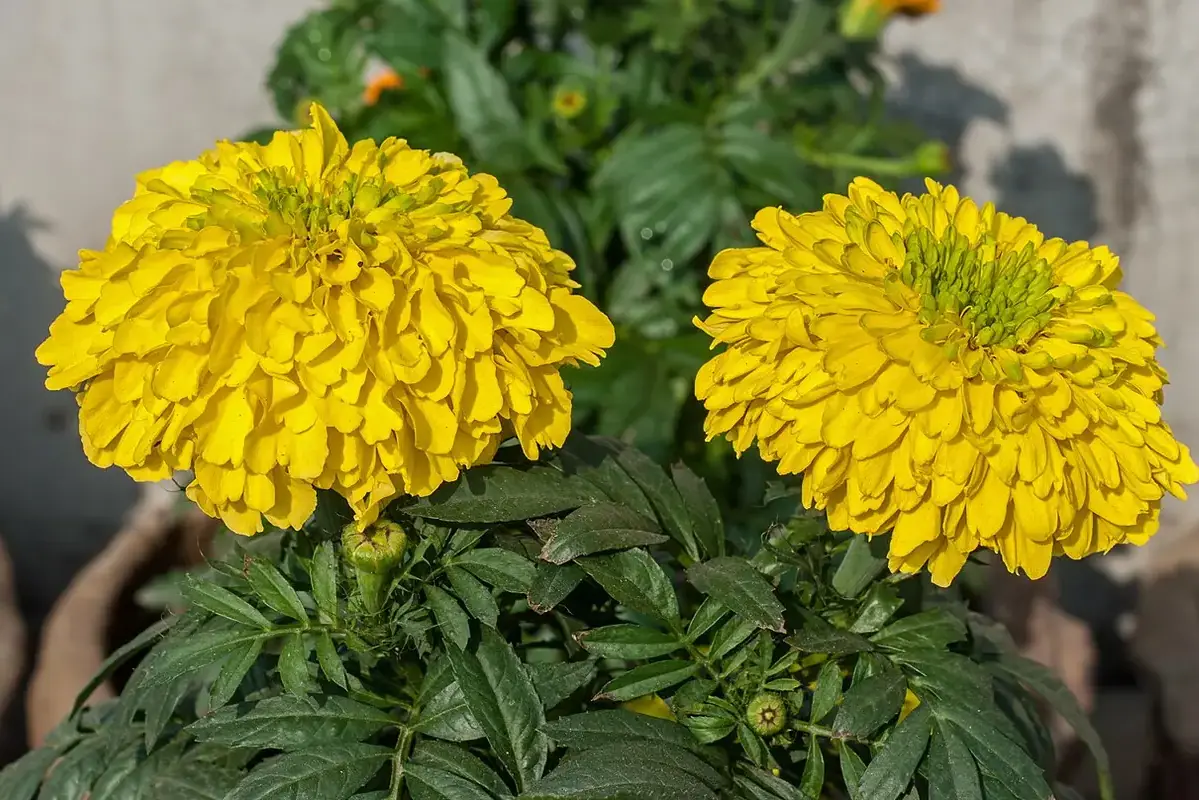
Condition cut marigolds by removing lower foliage, checking stem scent and keeping dense heads dry in the vase.
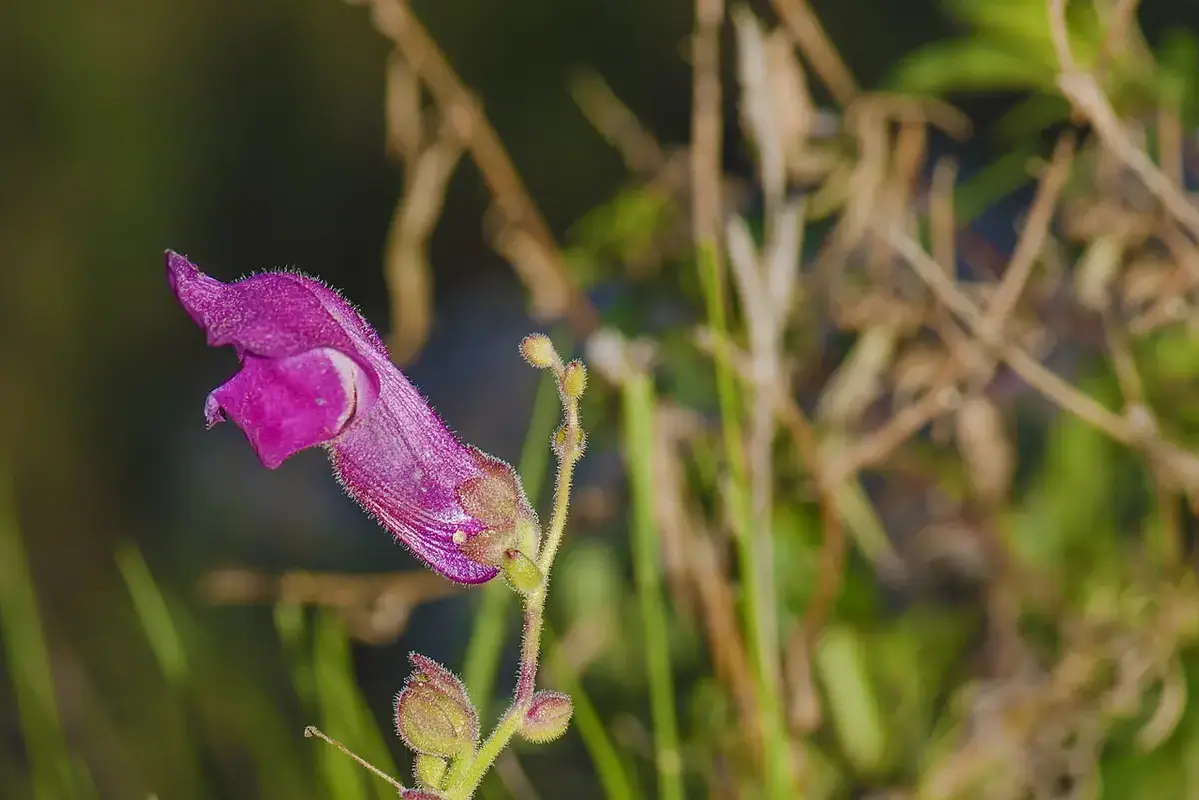
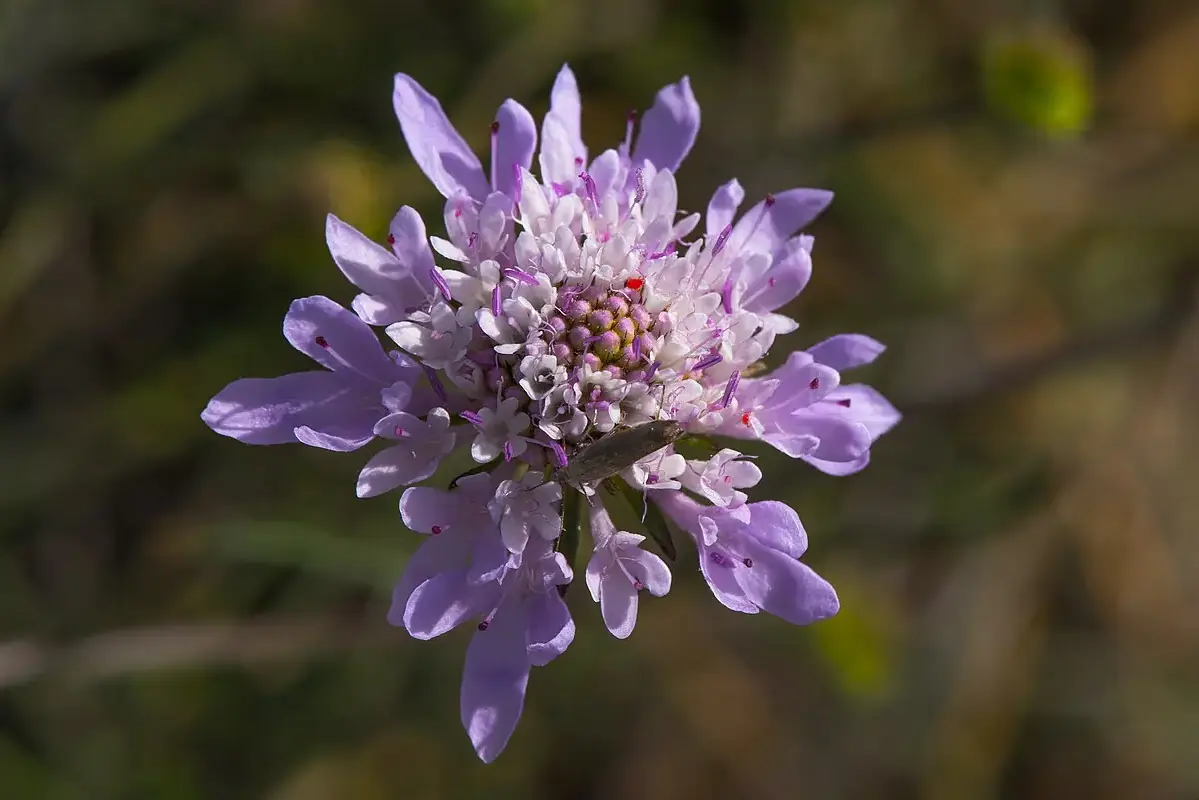
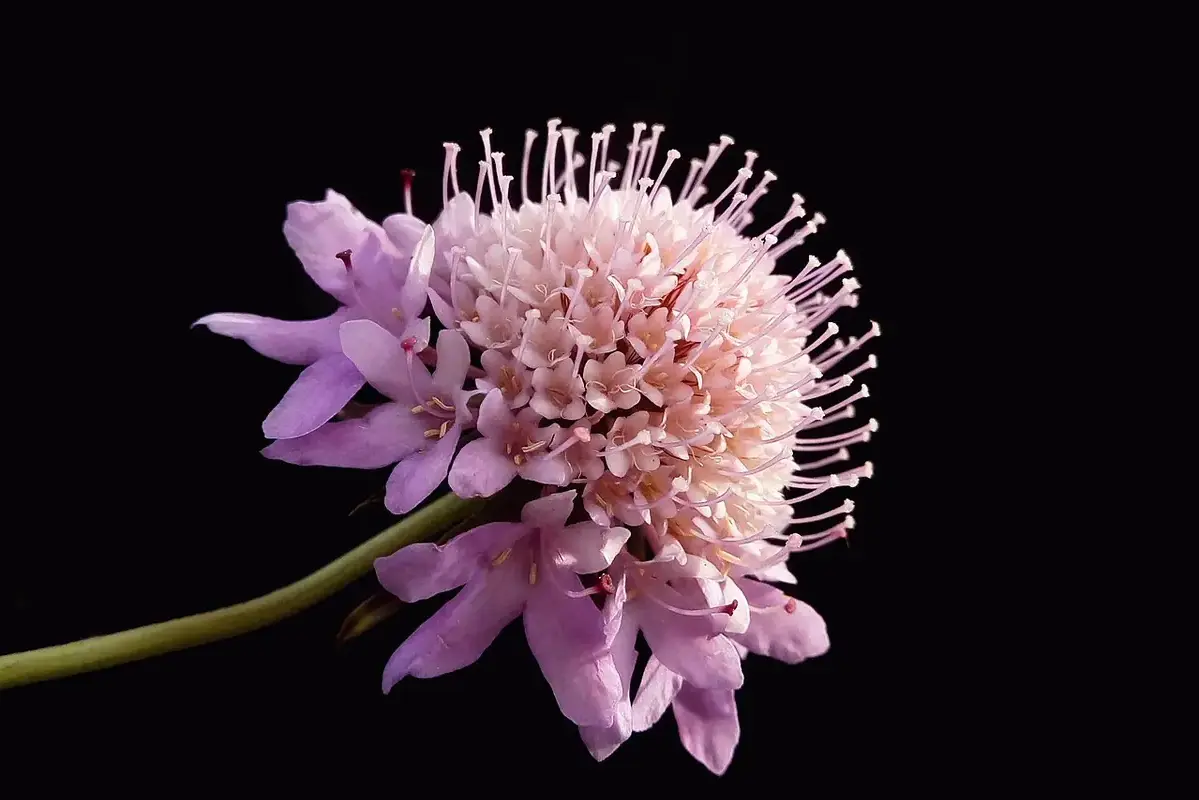
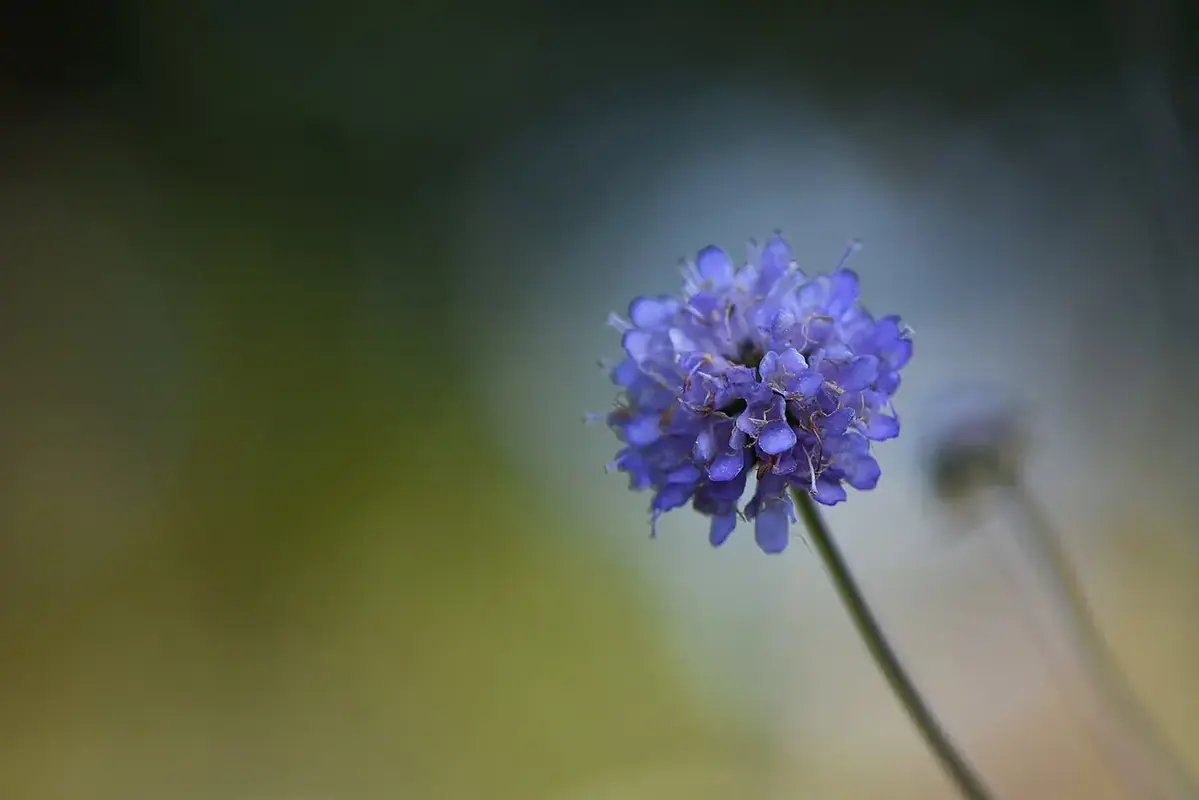
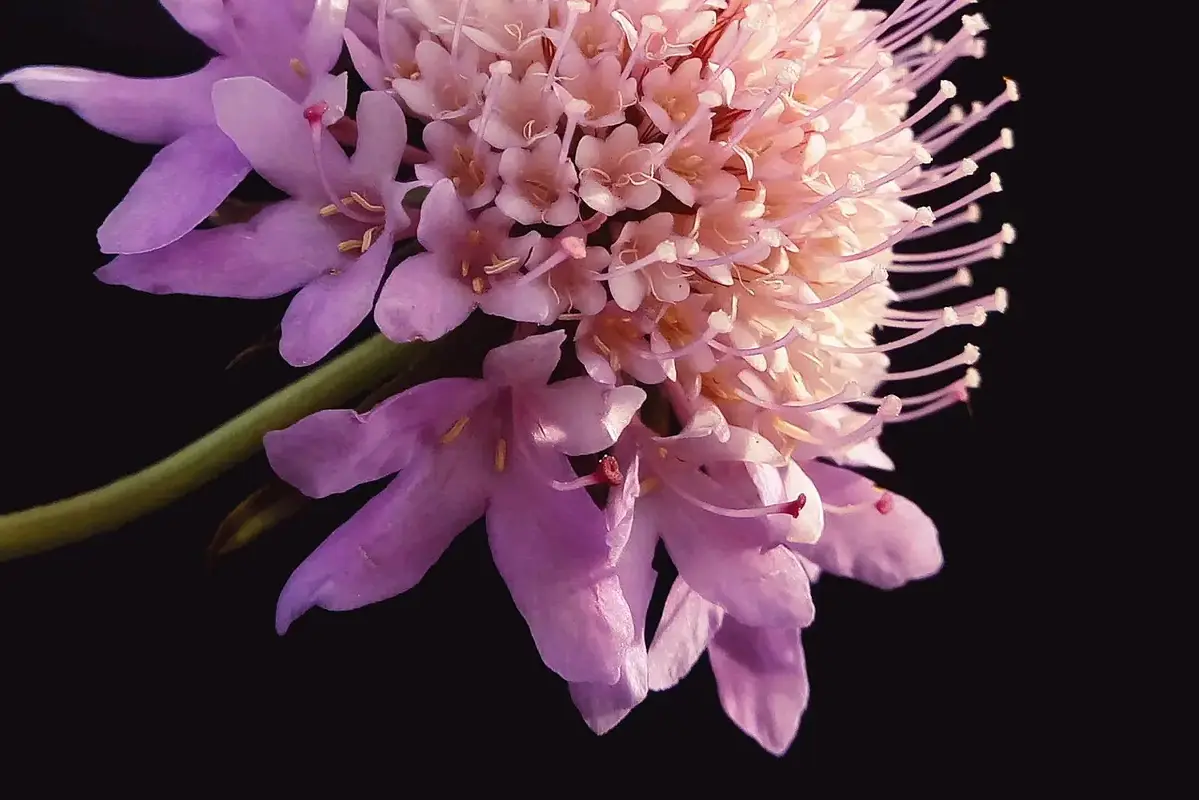
Keep scabiosa heads upright by using a small opening, cool placement and gentle handling for wiry stems.
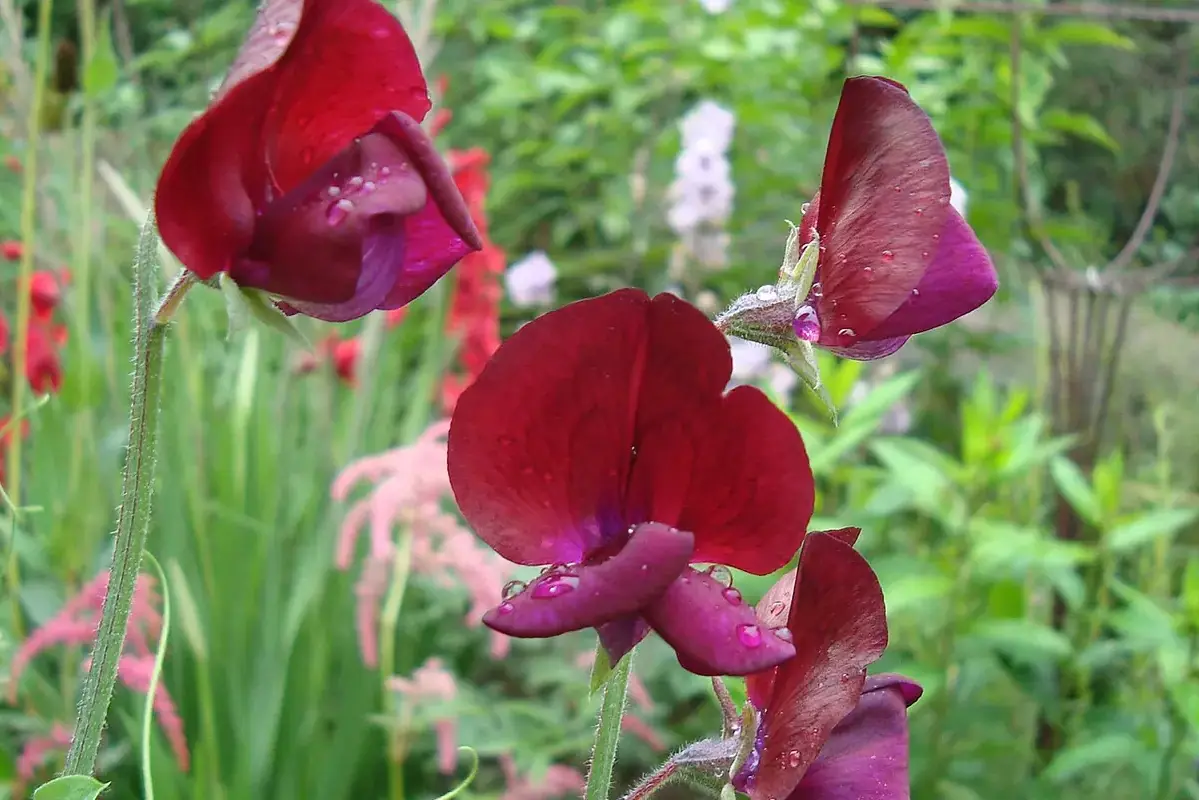
Use moisture, pressure and petal texture to decide whether stuck petals are cosmetic, humid or a removal signal.
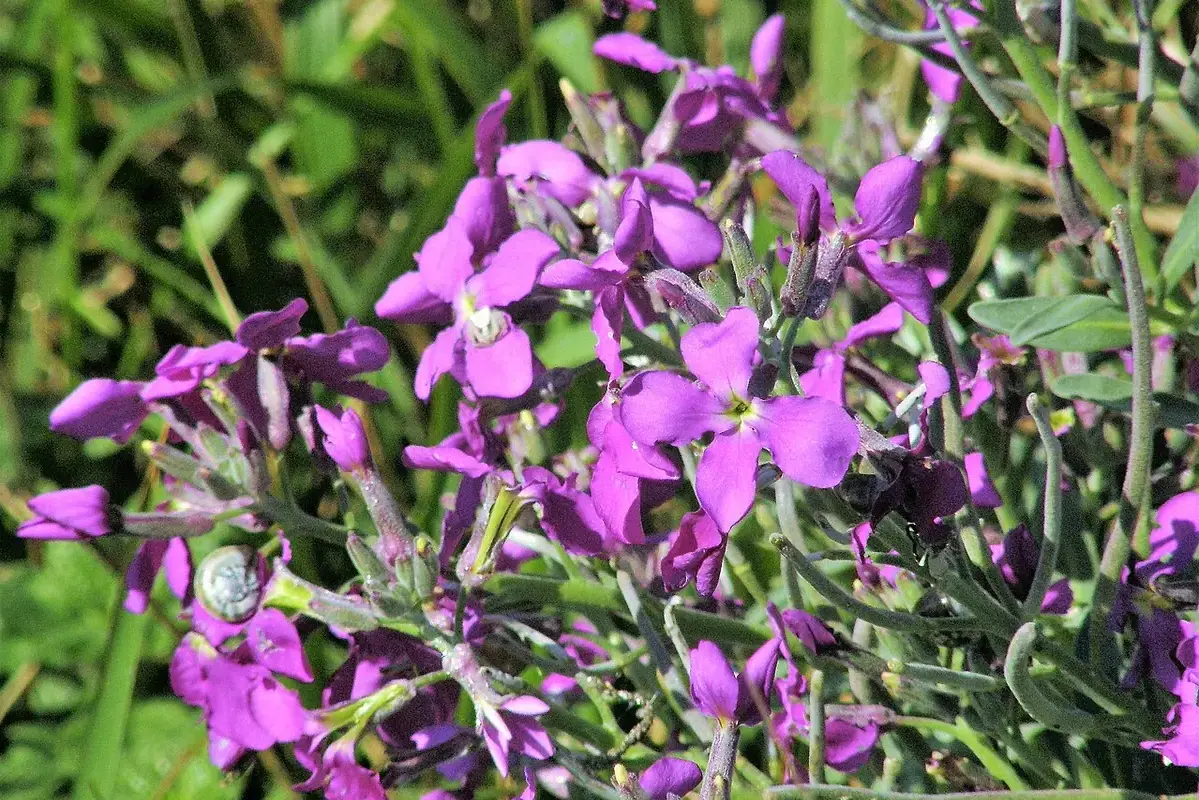
Check split depth, tool marks and soft tissue before deciding whether a stem can be recut or should leave the bouquet.
Use surface warmth, rising air and water temperature to decide how far fresh flowers should sit from a radiator.
Protect petals from lamp heat, shade patterns and accidental contact when flowers share a desk or nightstand.
Choose a closet drying spot by checking airflow, crowding and humidity before hanging bunches in a hidden space.
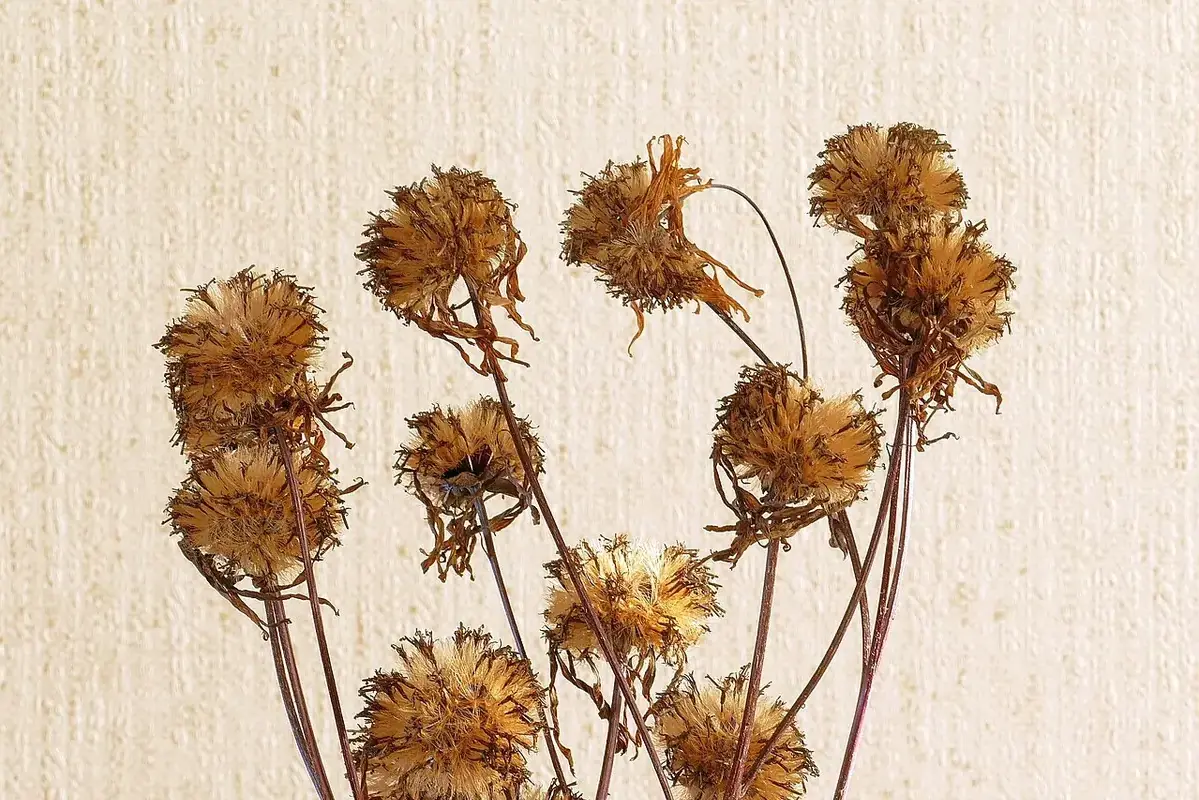
Preserve decorative pods by catching loose material, supporting brittle stems and stopping before seeds scatter into storage.
Prepare a short photo setup that keeps stems wet, heads supported and the display away from heat or harsh handling.
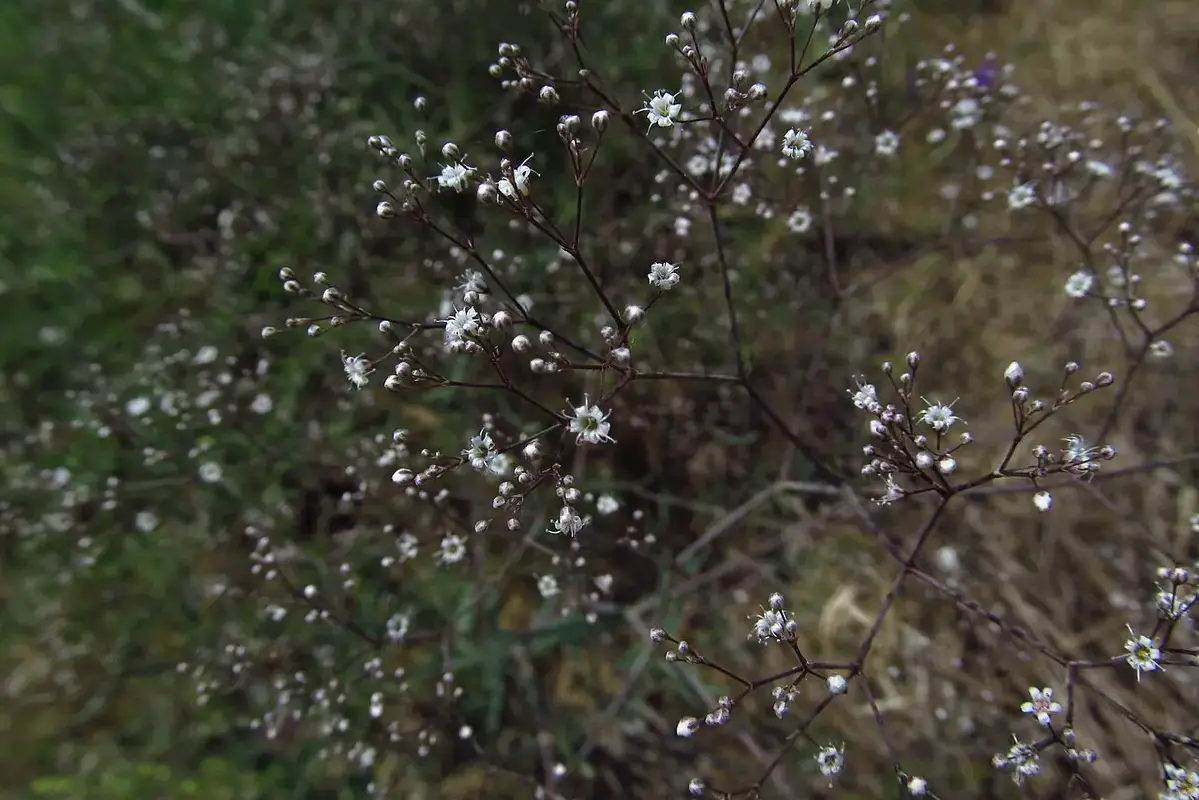
Decide whether a rubber band is supporting transport or squeezing stems after the flowers reach the first vase.
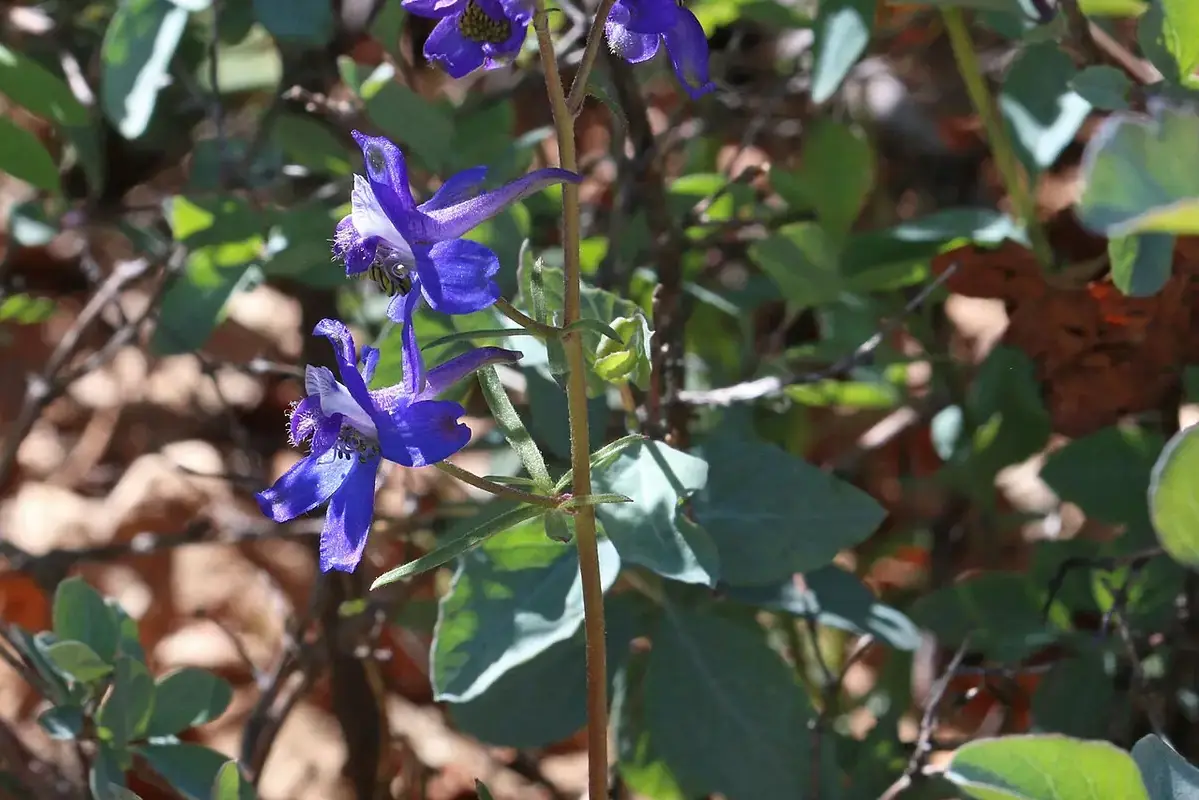
Refresh a narrow vase by preparing a temporary hold, protecting stem order and checking the hidden base before returning flowers.
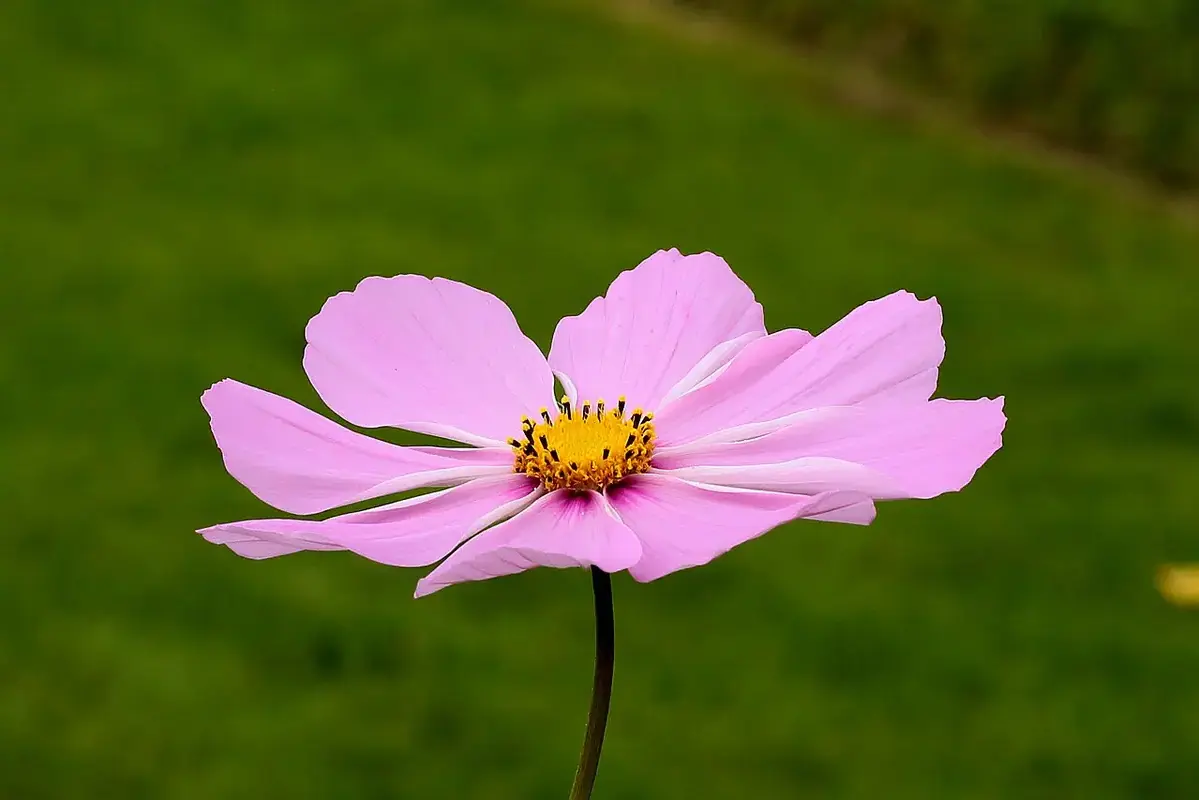
Trace a metallic vase-water smell to the vessel, water source, old residue or a non-flower object before adding stems back.
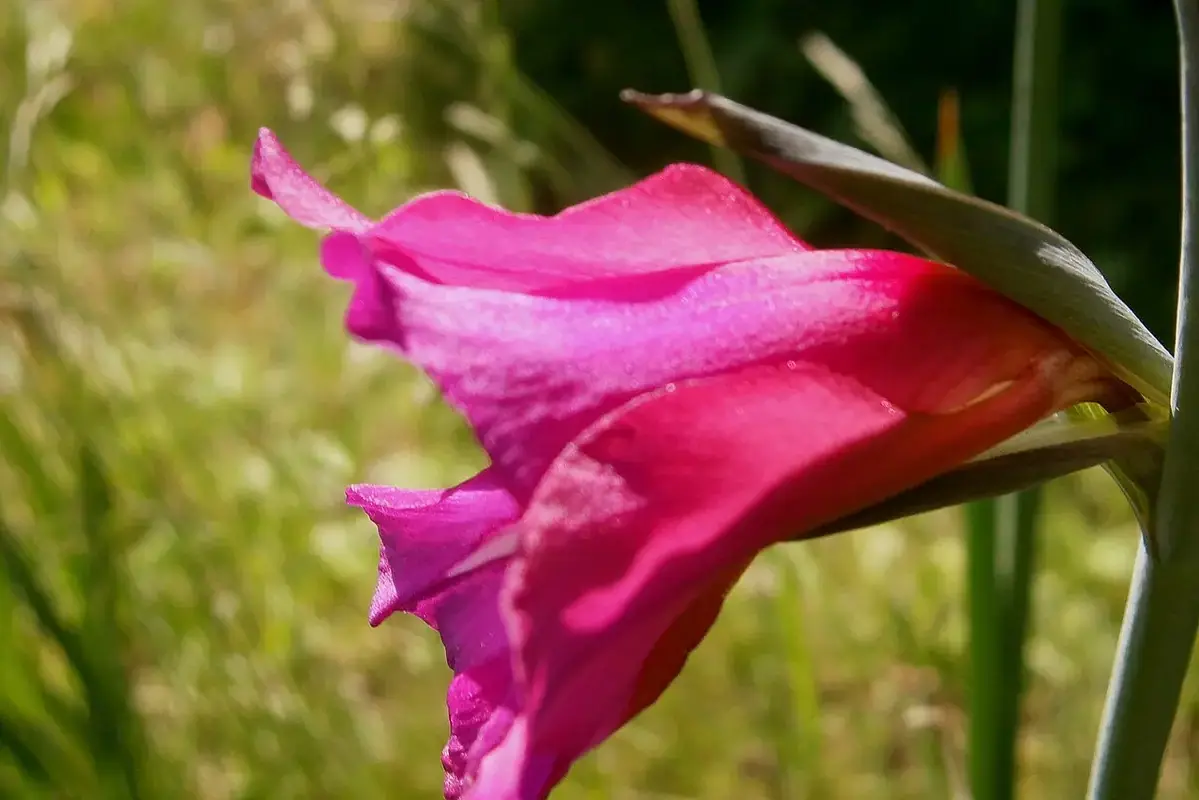
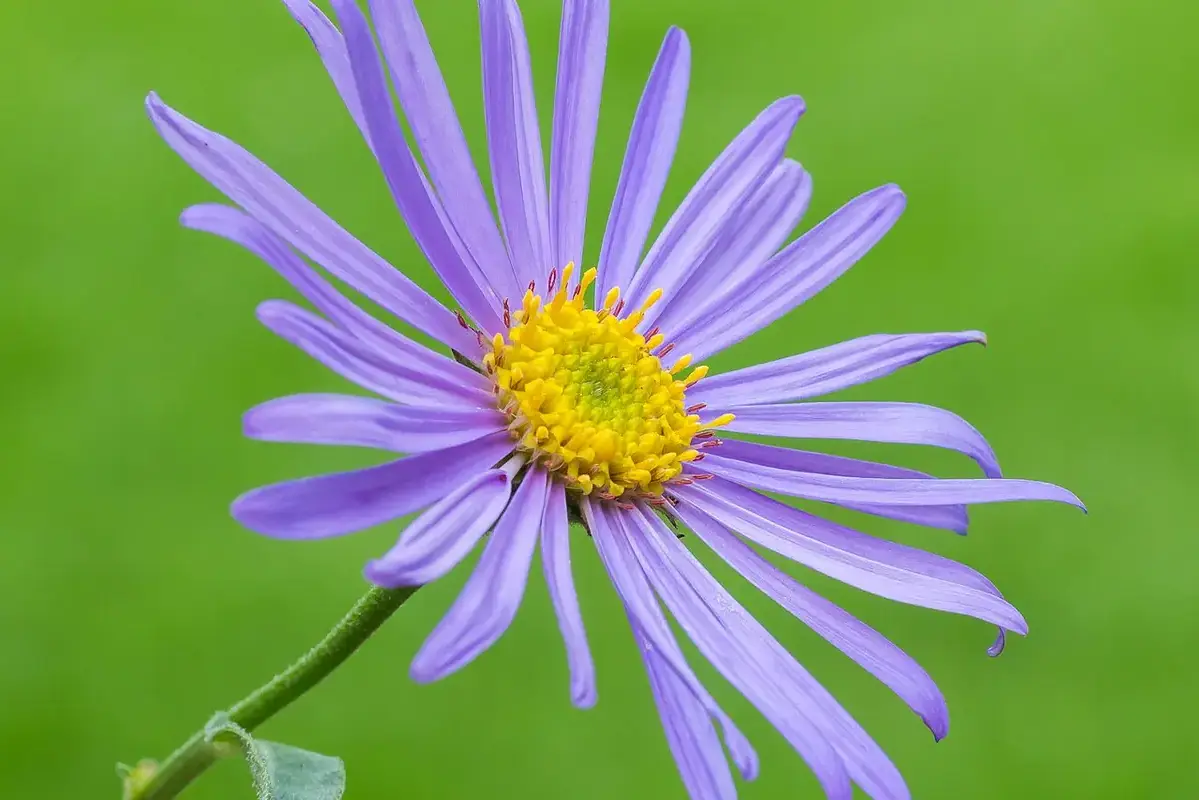
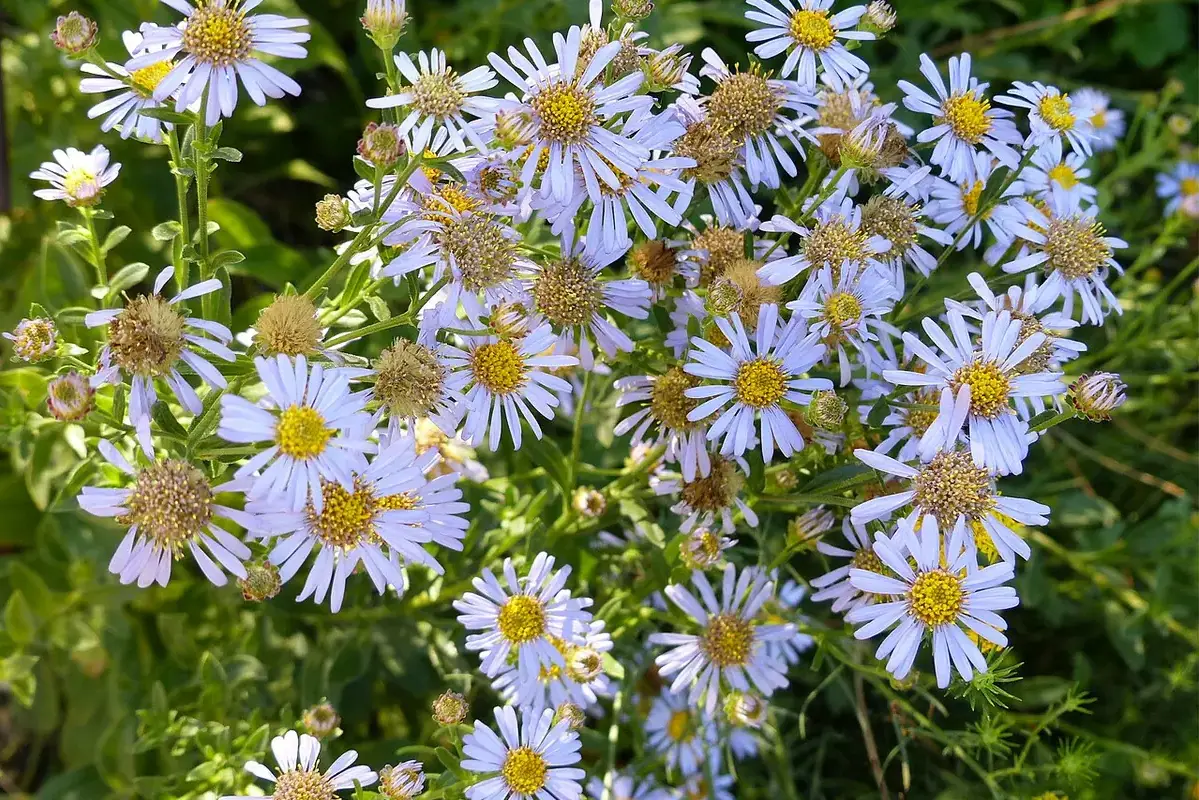
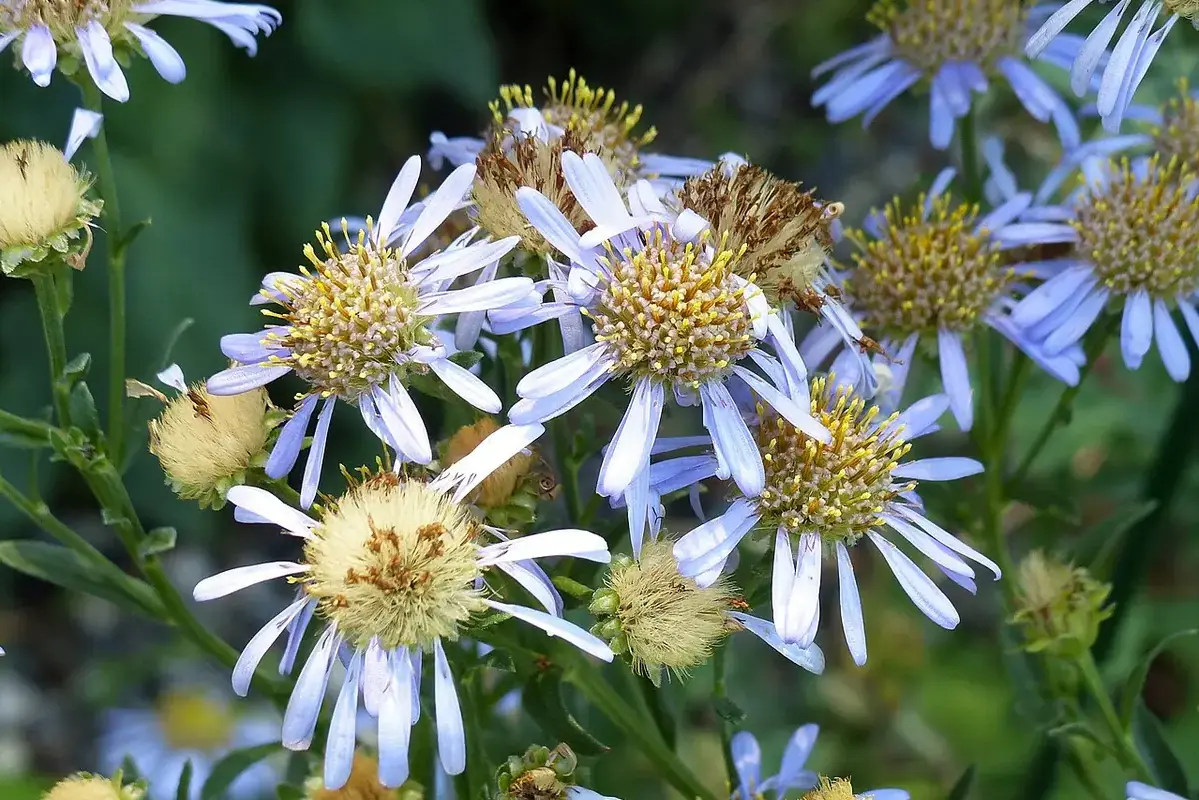
Manage cut asters by clearing lower foliage, supporting branching stems and removing spent heads before debris reaches water.
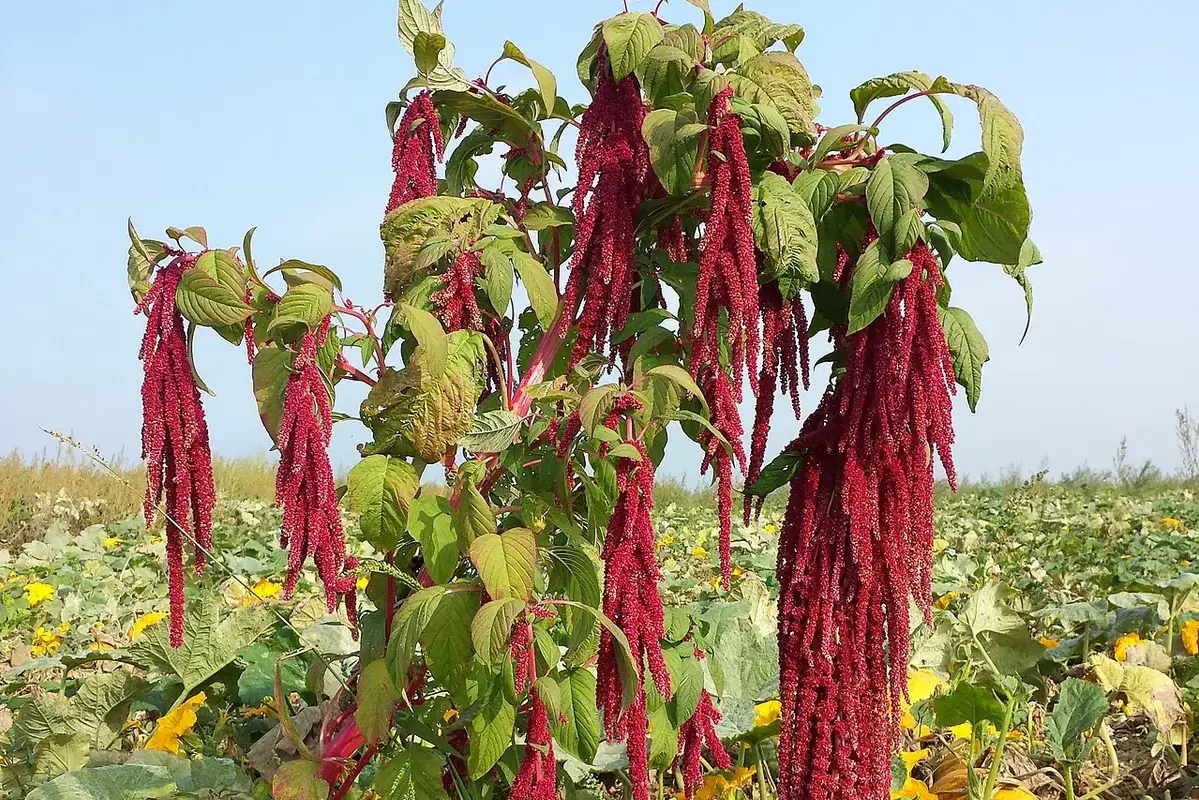
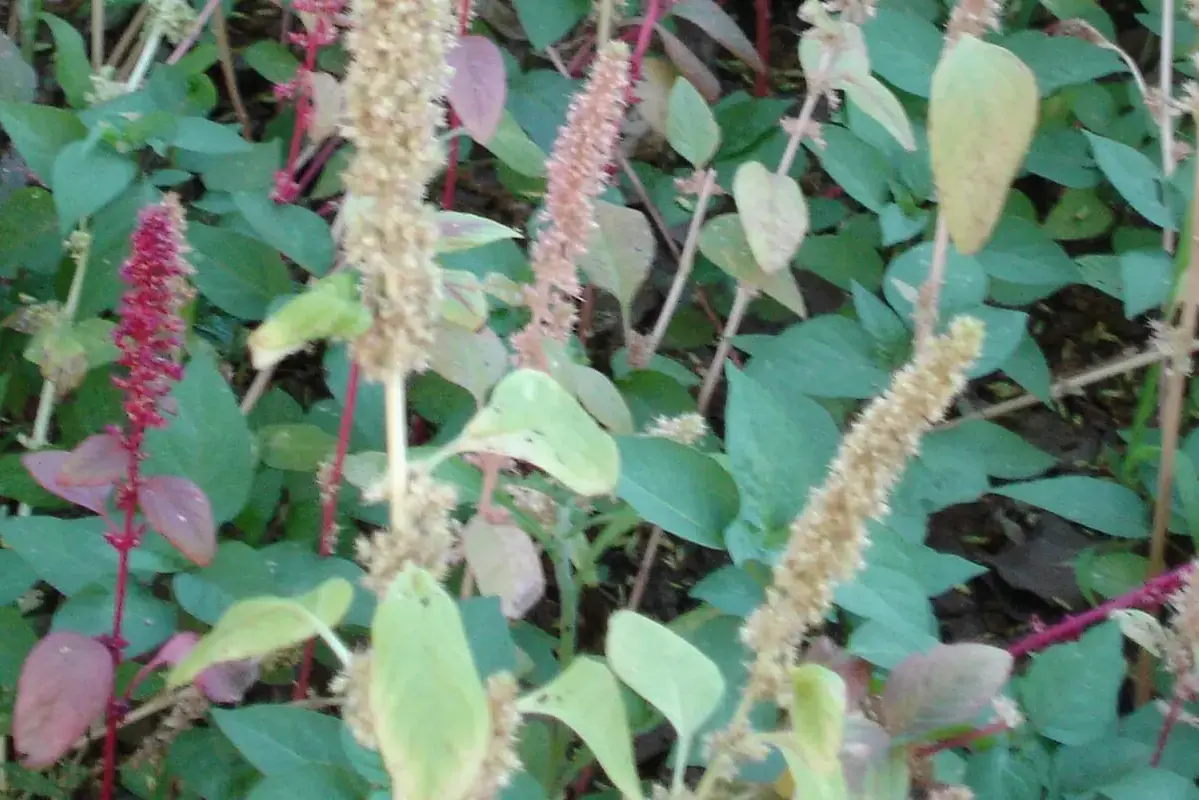
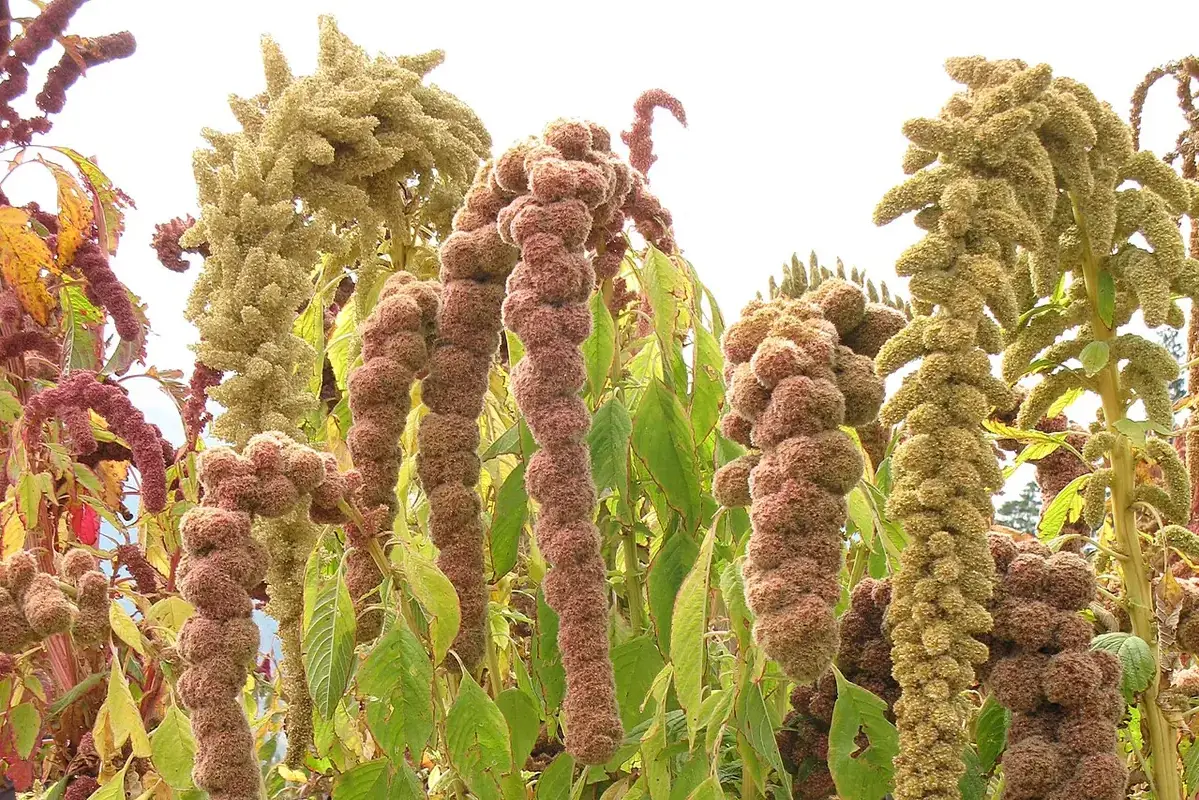
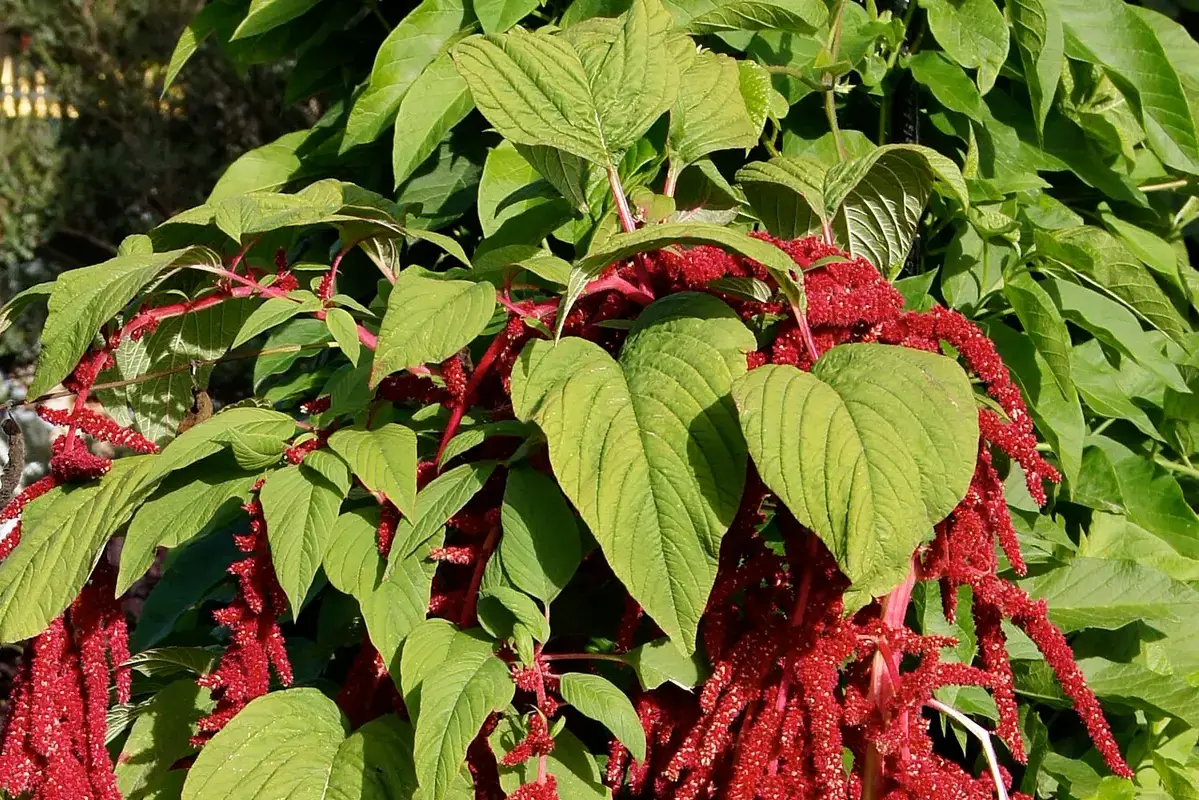
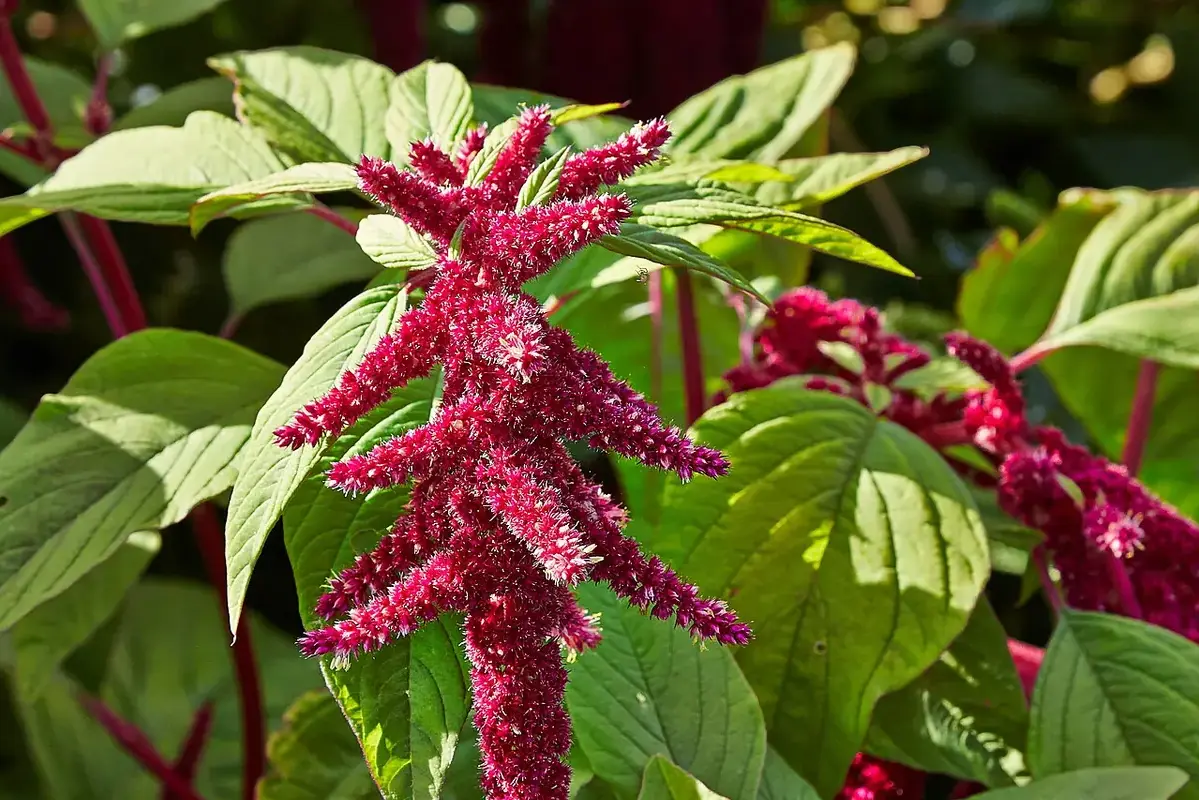
Use vessel height, waterline control and gentle handling to display trailing amaranthus without crushing the tassels.
Use harvest stage, heat exposure and stem condition to decide whether one fast-opening bloom should be moved, kept or removed.
Diagnose dark leaves at the waterline as submerged foliage, bruising or decay before the vase water changes.
Use airflow, dryness and waterline changes to decide how far flowers should sit from a room dehumidifier.

Choose an office desk position that avoids lamp heat, monitor exhaust, keyboard traffic and repeated bumps.
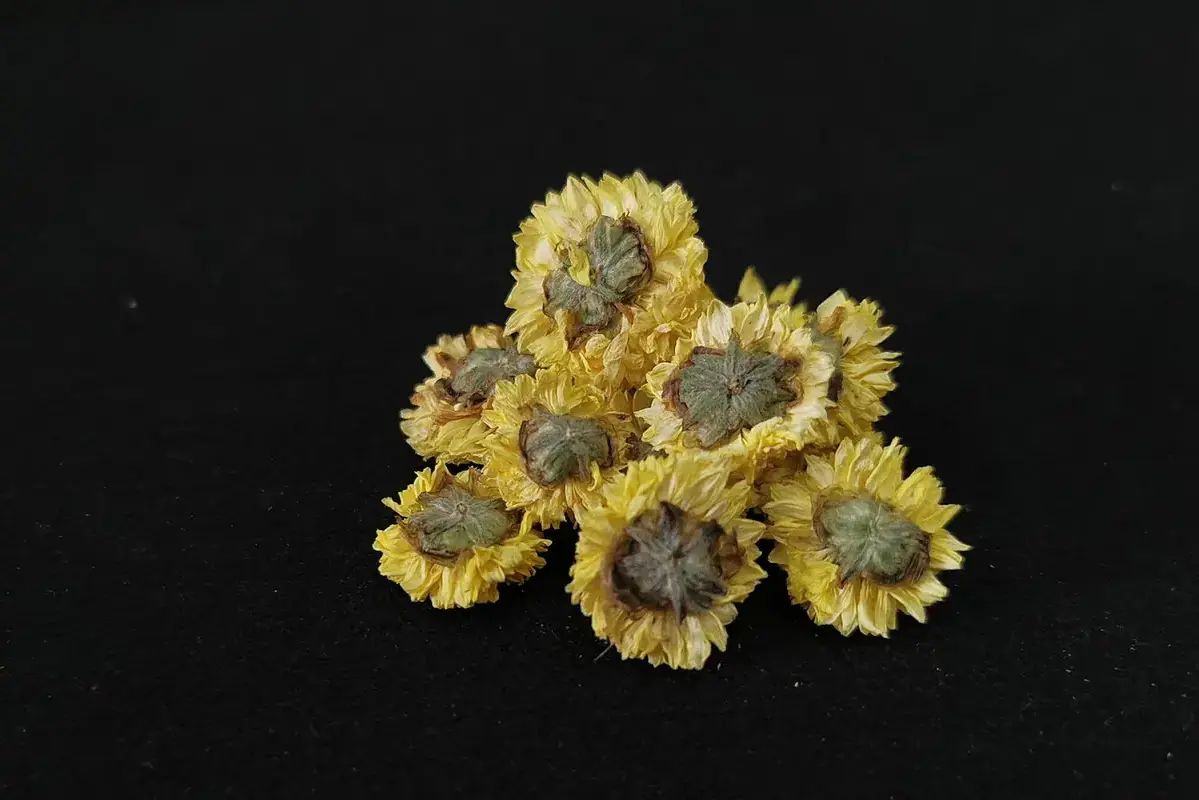
Use desiccant packets as moisture maintenance only after pressed flowers are already dry, clean and stable.
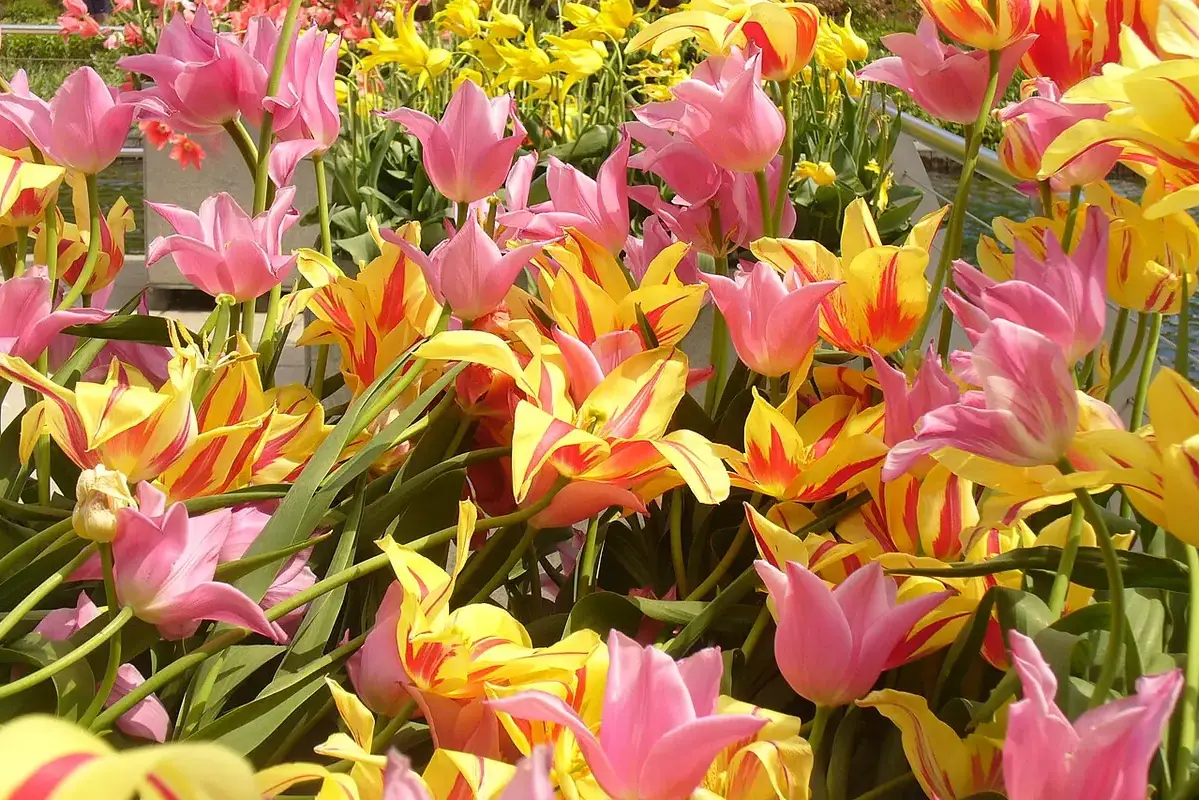
Tighten support around brittle dried stems by changing the vessel or base support instead of squeezing the flower heads.
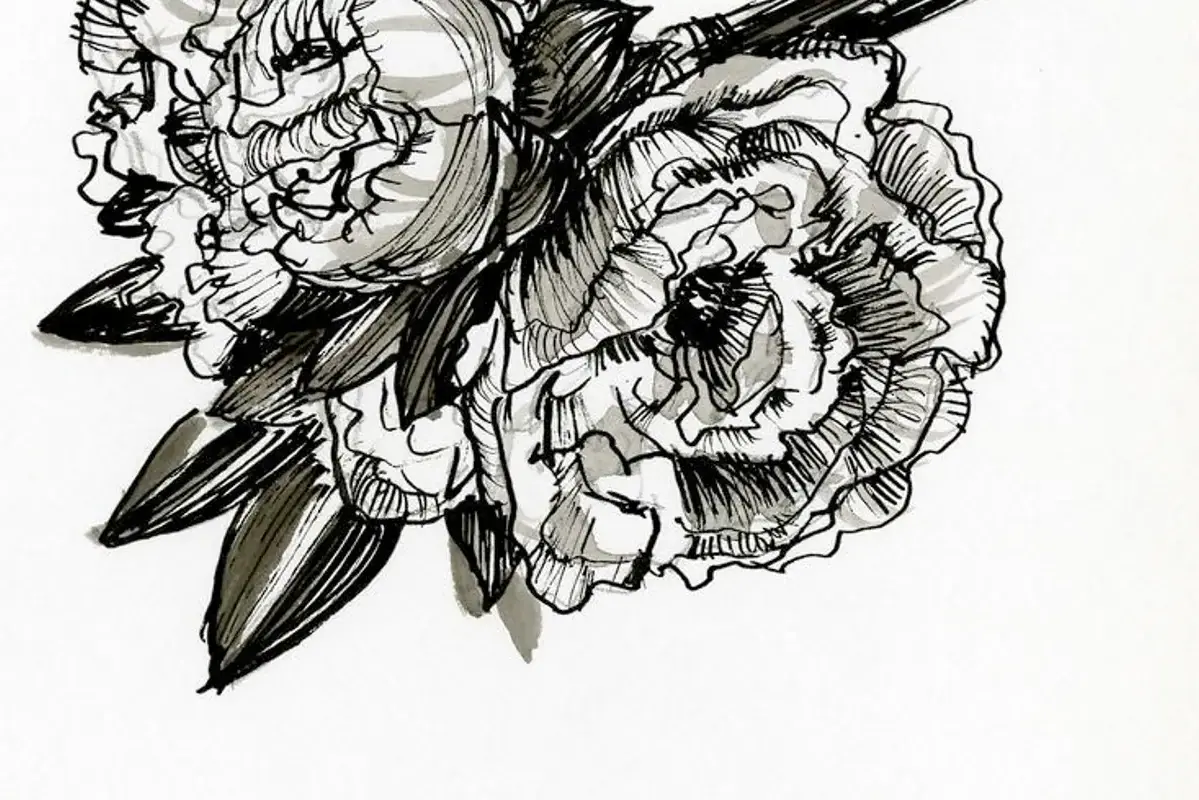
Use spacing, stem angles and a clear focal line to make a bouquet feel intentional without packing every bloom together.

Take out one failing stem without collapsing the arrangement or carrying damaged tissue through the shared water.

Use a partial reset for a light residue ring while knowing when the flowers must leave the vase for a complete wash.
Confirm a hidden crack or seep before blaming thirsty stems for a falling waterline.
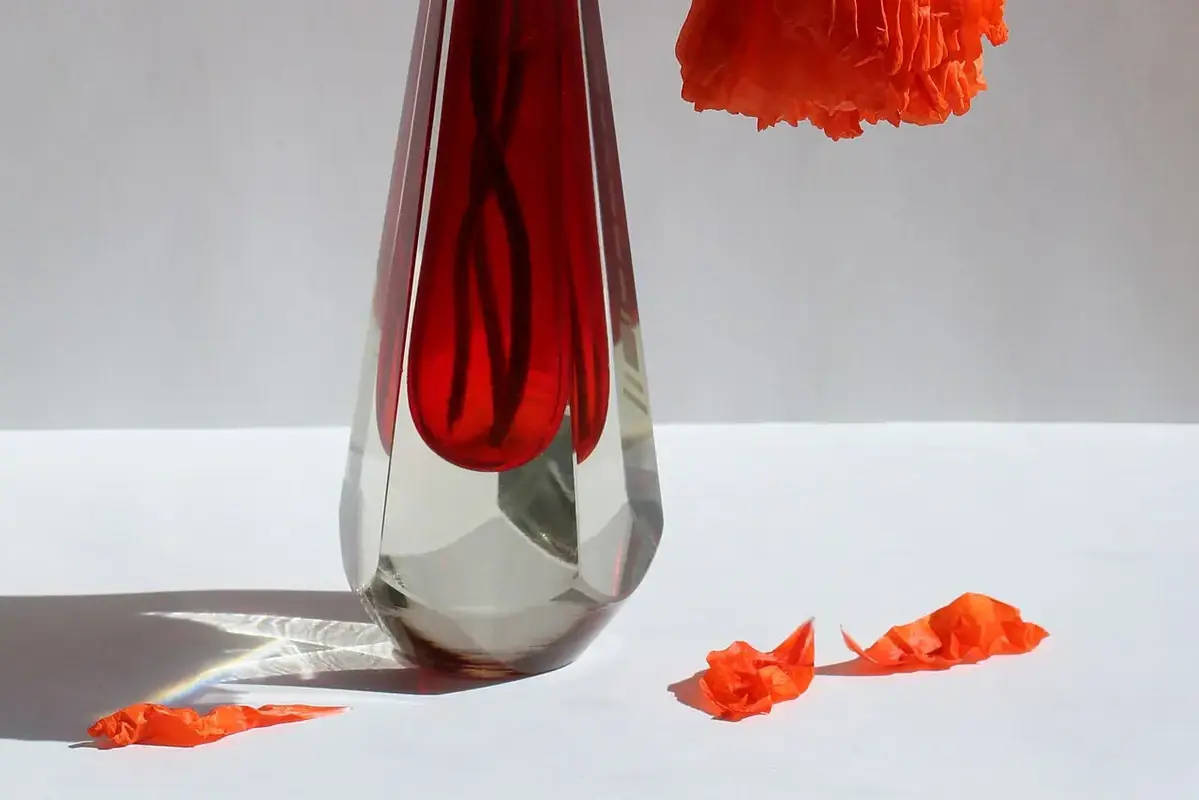
Keep cut tuberose fragrant and upright with clean water, a cool position and enough space around the flowering spike.
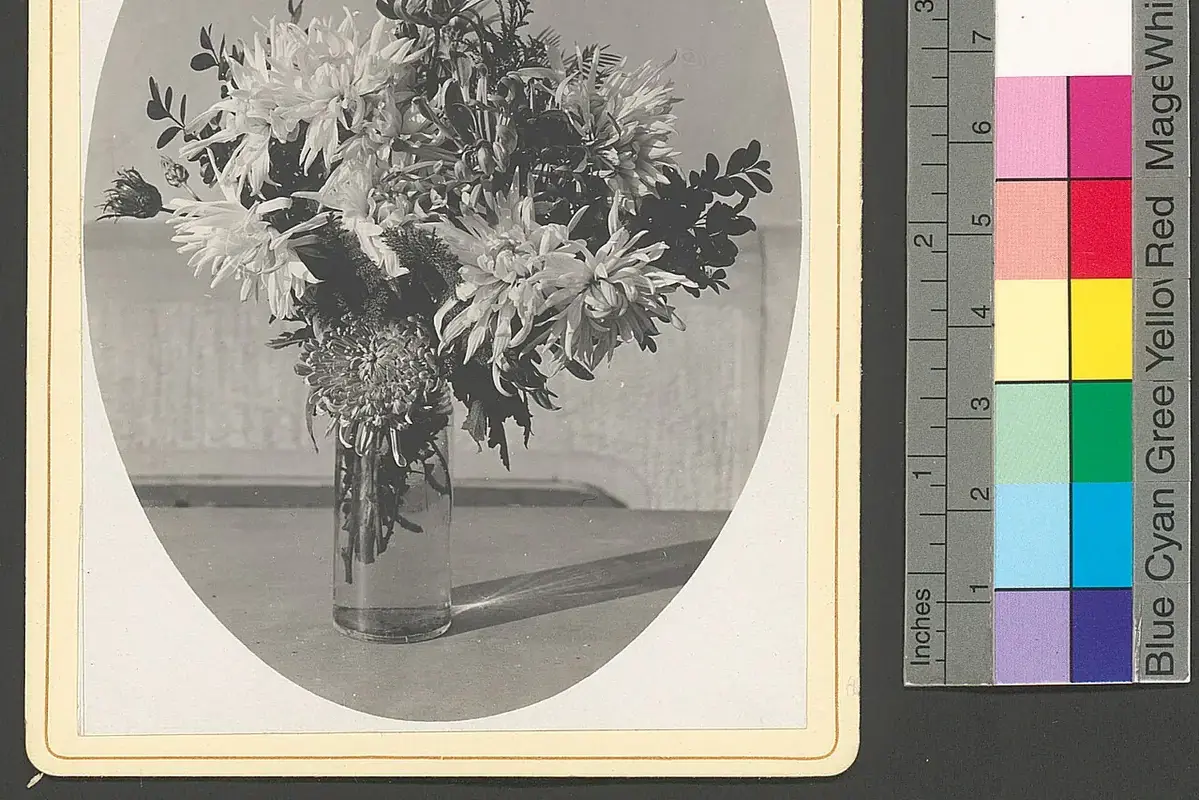
Help freesia buds open in sequence by protecting the thin stems, clean water and cool indirect placement.

Trace a split above the waterline to handling, pressure or tissue weakness before deciding whether a stem can be shortened.
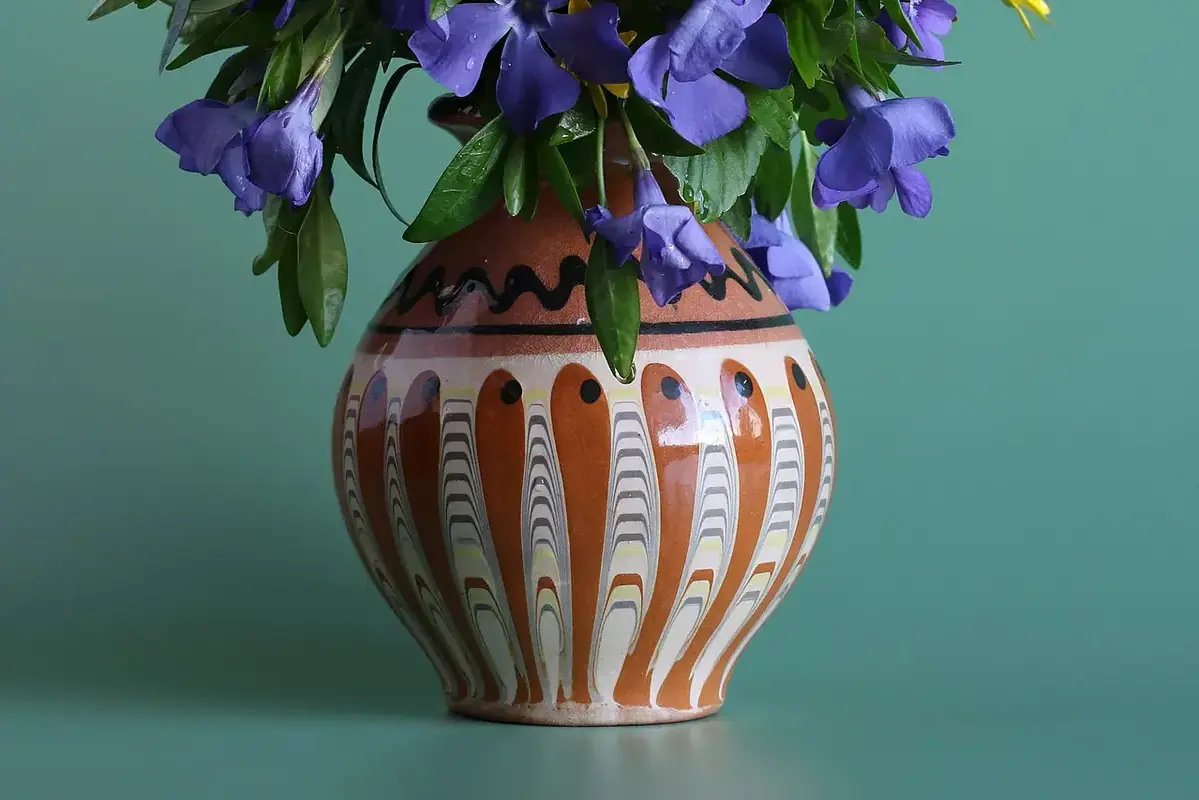
Separate natural opening, directional light and a failing neck when flower heads change direction while the stems remain upright.

Check splash, steam, cleaning products and traffic before choosing the sink area for an everyday flower display.
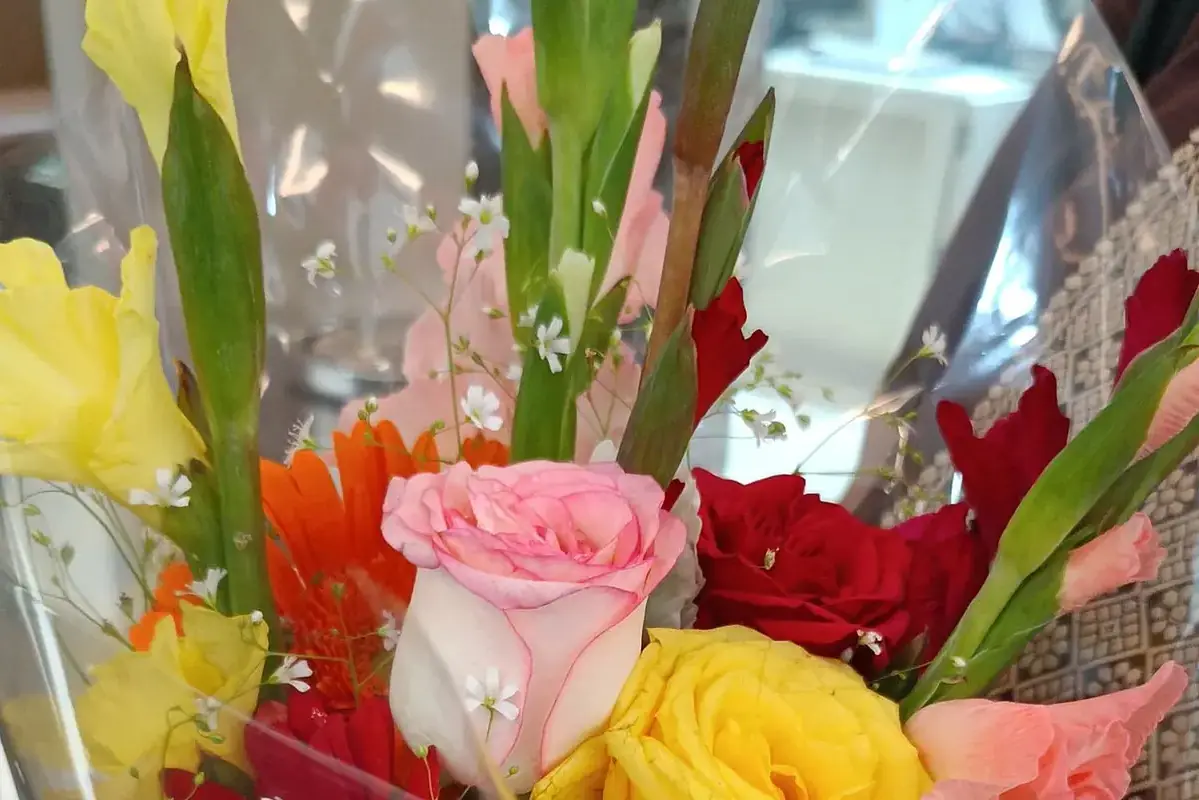
Assess vibration, lid movement, heat and spill risk before placing a wet flower vase on a piano.
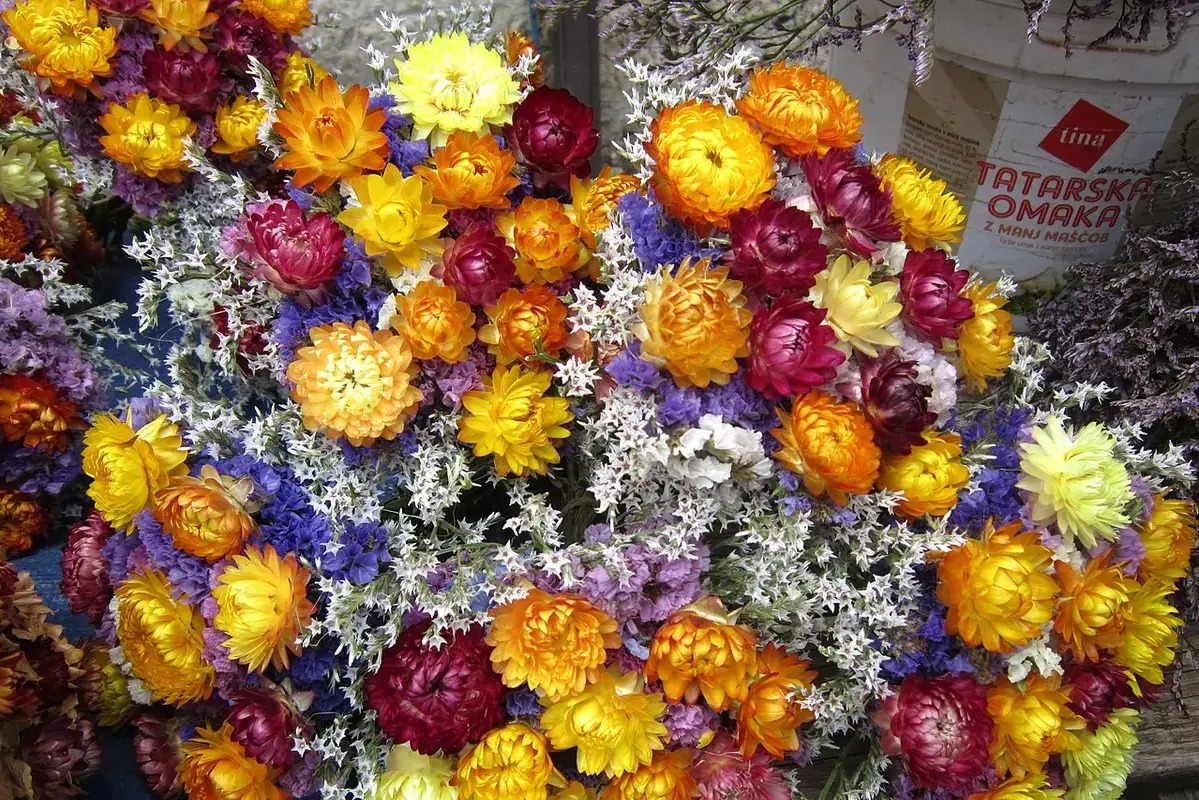
Use a supported horizontal or upright method for flowers whose heads are too fragile, heavy or short-stemmed to hang safely.
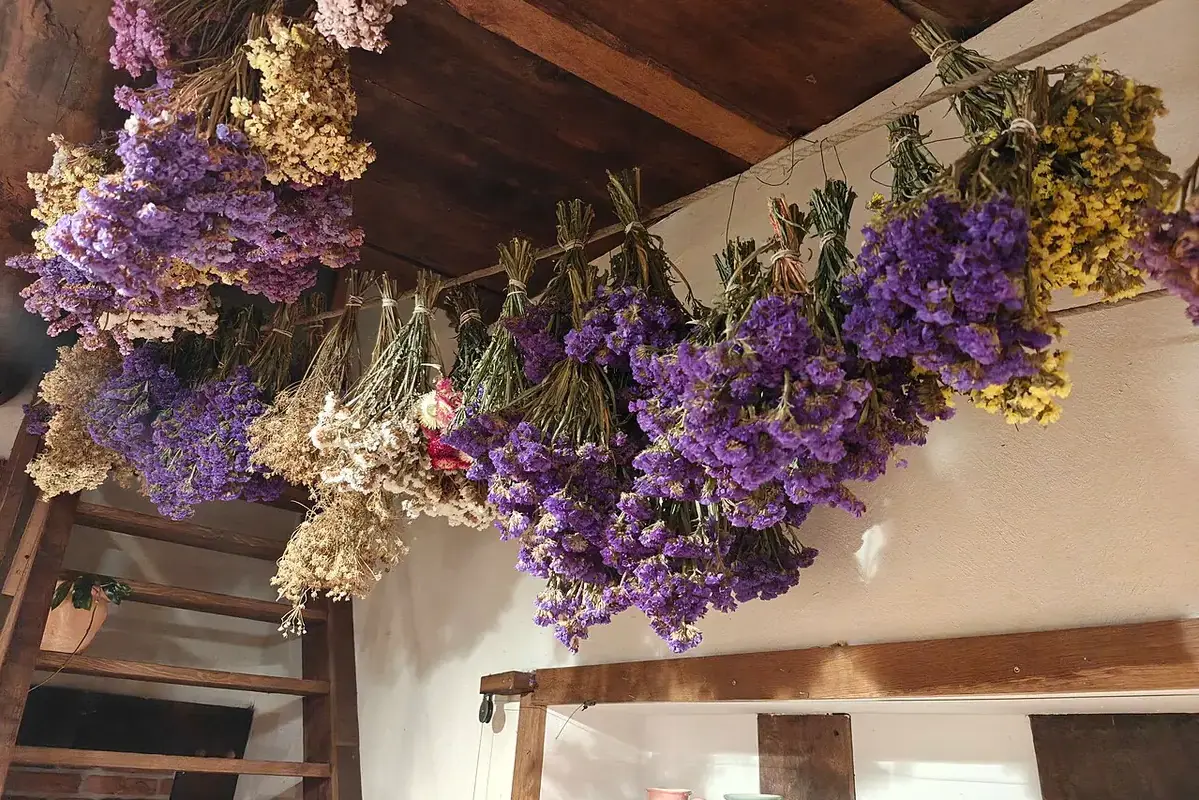
Use a cloche as dust protection only after the flowers are fully dry and the display has enough space for inspection.

How to Choose One Focal Flower for a Mixed Bouquet with practical checks for clean stems, stable water and a calmer display.
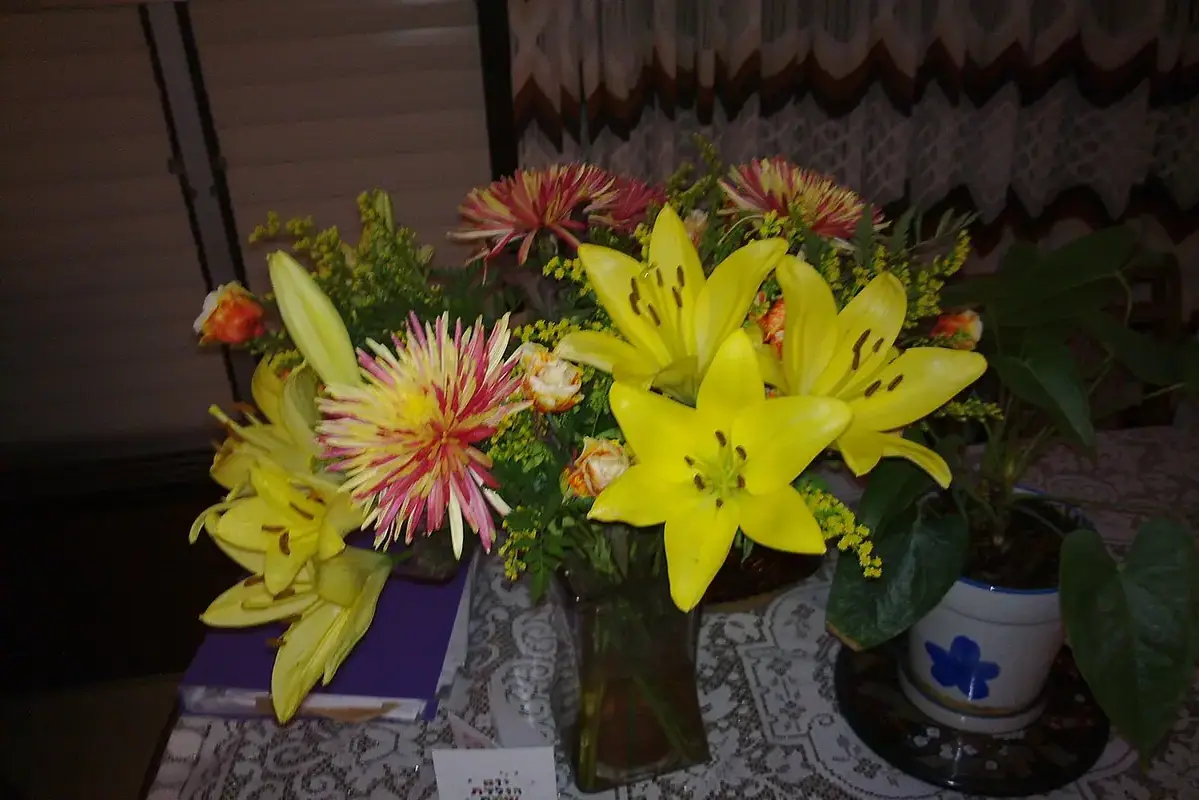
How to Arrange a Bouquet for a Small Vase with practical checks for clean stems, stable water and a calmer display.
How to Recut Woody Flower Stems Without Splitting Them with practical checks for clean stems, stable water and a calmer display.
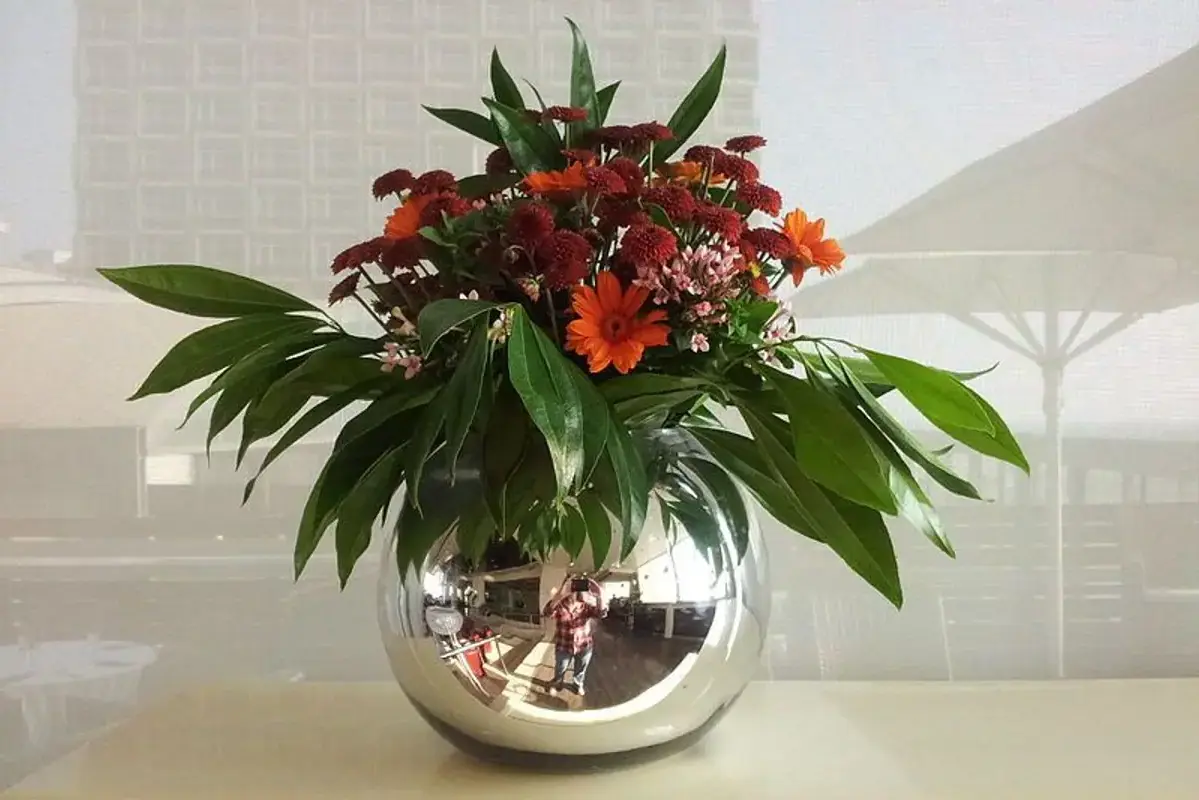
How to Remove Flower-Food Residue From a Vase with practical checks for clean stems, stable water and a calmer display.
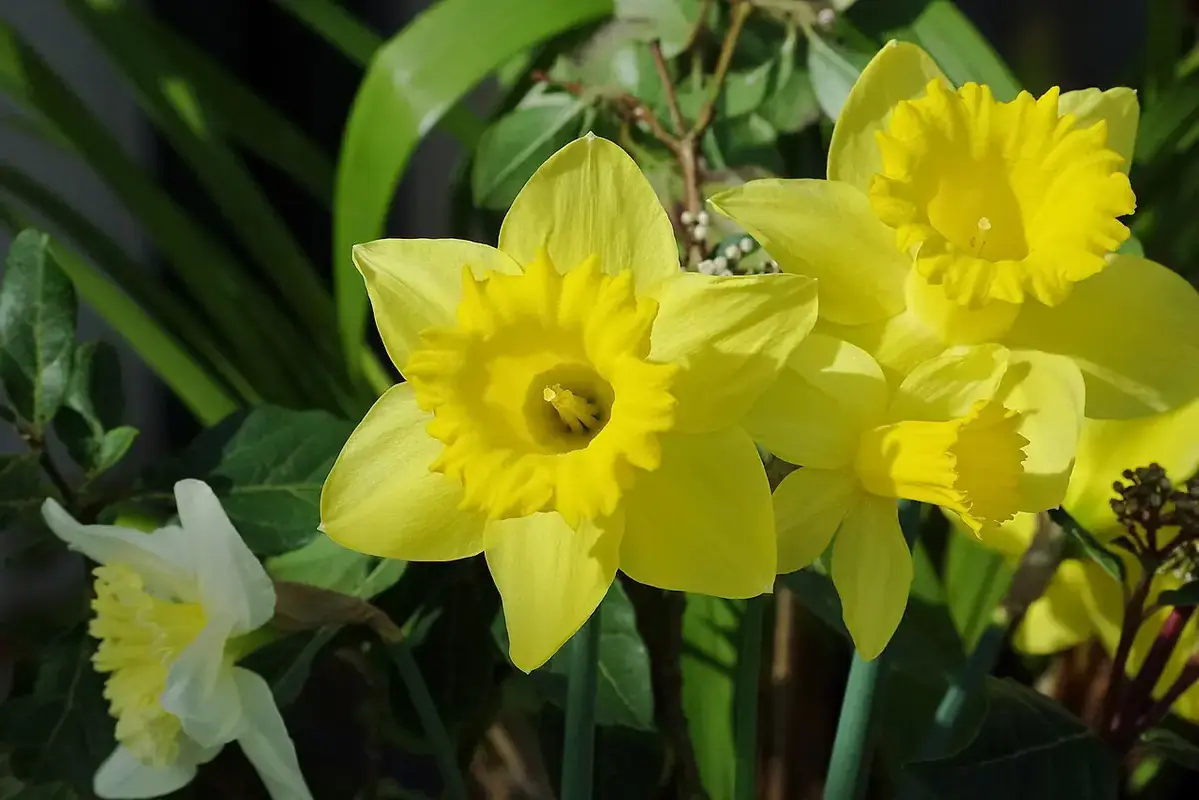
Cut Stock Care: Keep Fragrant Spikes Upright with practical checks for clean stems, stable water and a calmer display.
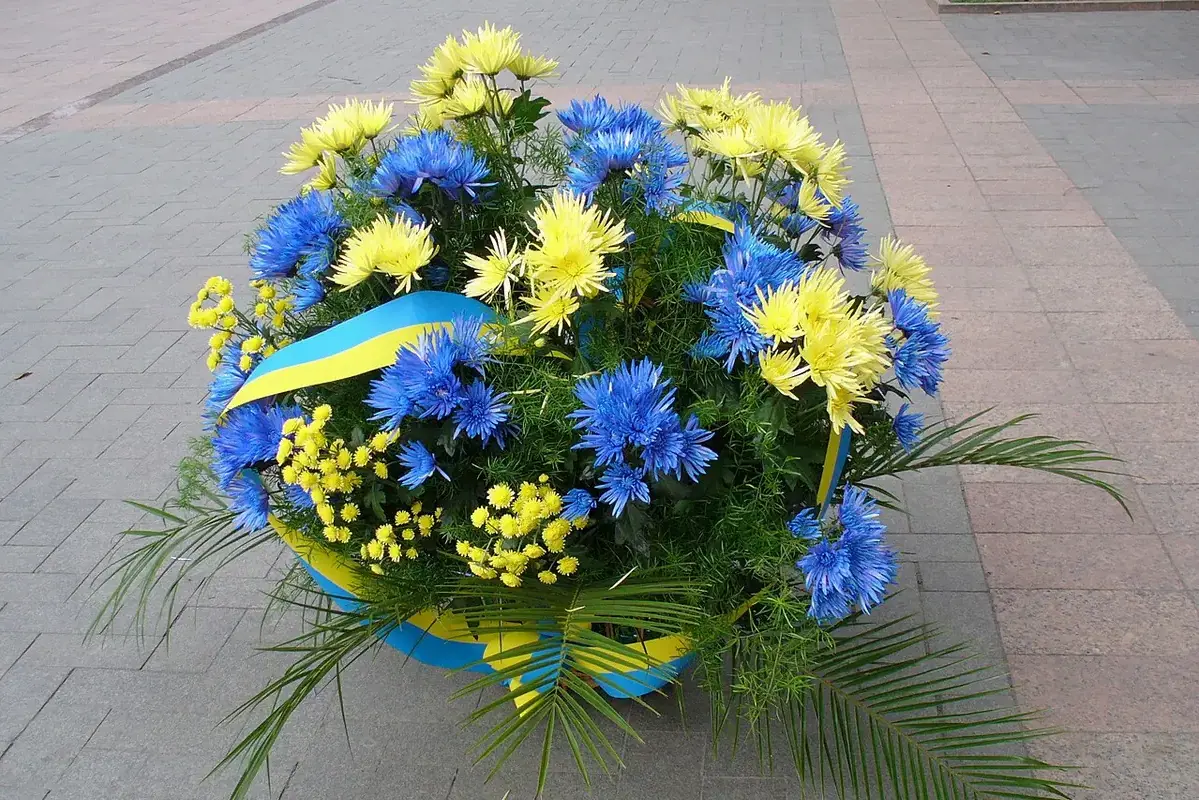
Cut Celosia Care: Protect Crested Heads in a Vase with practical checks for clean stems, stable water and a calmer display.
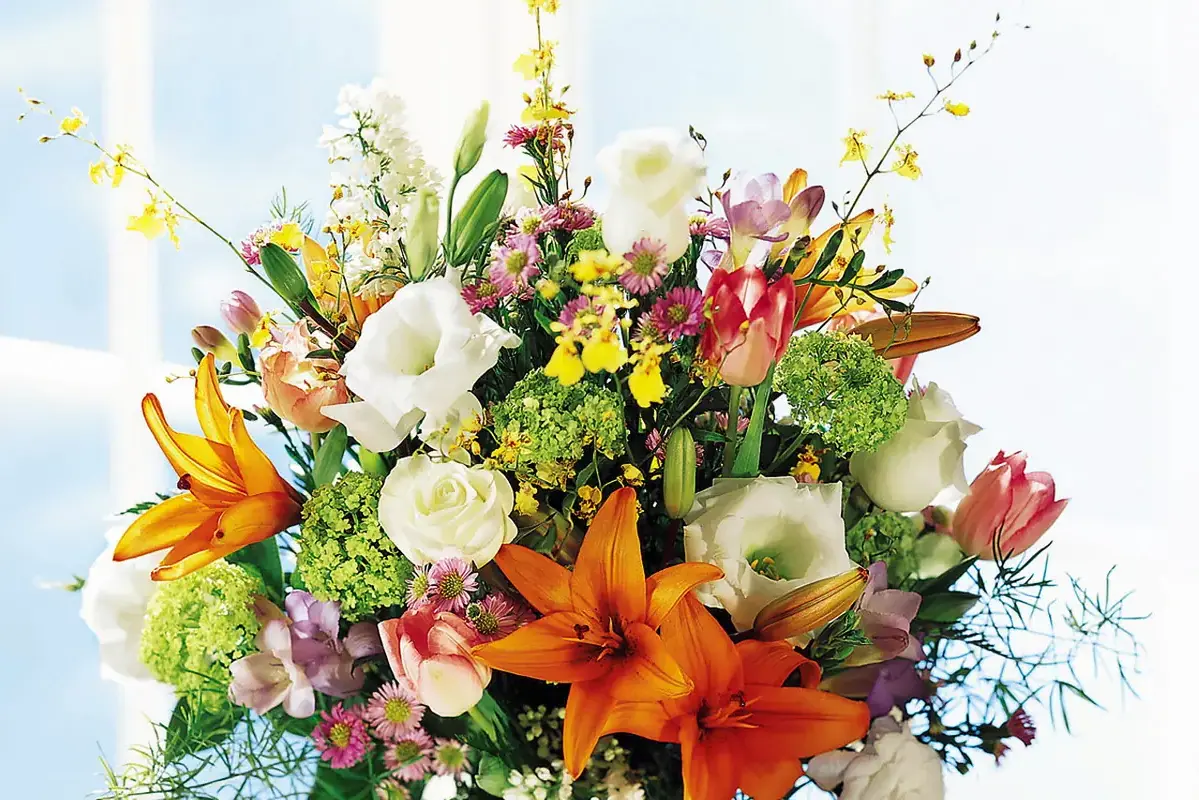
Why Do Flowers Wilt After Moving to Another Room with practical checks for clean stems, stable water and a calmer display.

Why Do Flower Petals Curl After Heat Exposure with practical checks for clean stems, stable water and a calmer display.
Can Flowers Sit Near a Ceiling Fan with practical checks for clean stems, stable water and a calmer display.

Can Flowers Sit Near a Television with practical checks for clean stems, stable water and a calmer display.
How to Dry Flowers With a Food Dehydrator with practical checks for clean stems, stable water and a calmer display.

How to Dry Flower Heads Between Paper Layers with practical checks for clean stems, stable water and a calmer display.
How to Separate a Bouquet by Water Needs with practical checks for clean stems, stable water and a calmer display.

How to Use Floral Tape Without Crushing Stems with practical checks for clean stems, stable water and a calmer display.
Why Does Vase Water Foam After Filling with practical checks for clean stems, stable water and a calmer display.
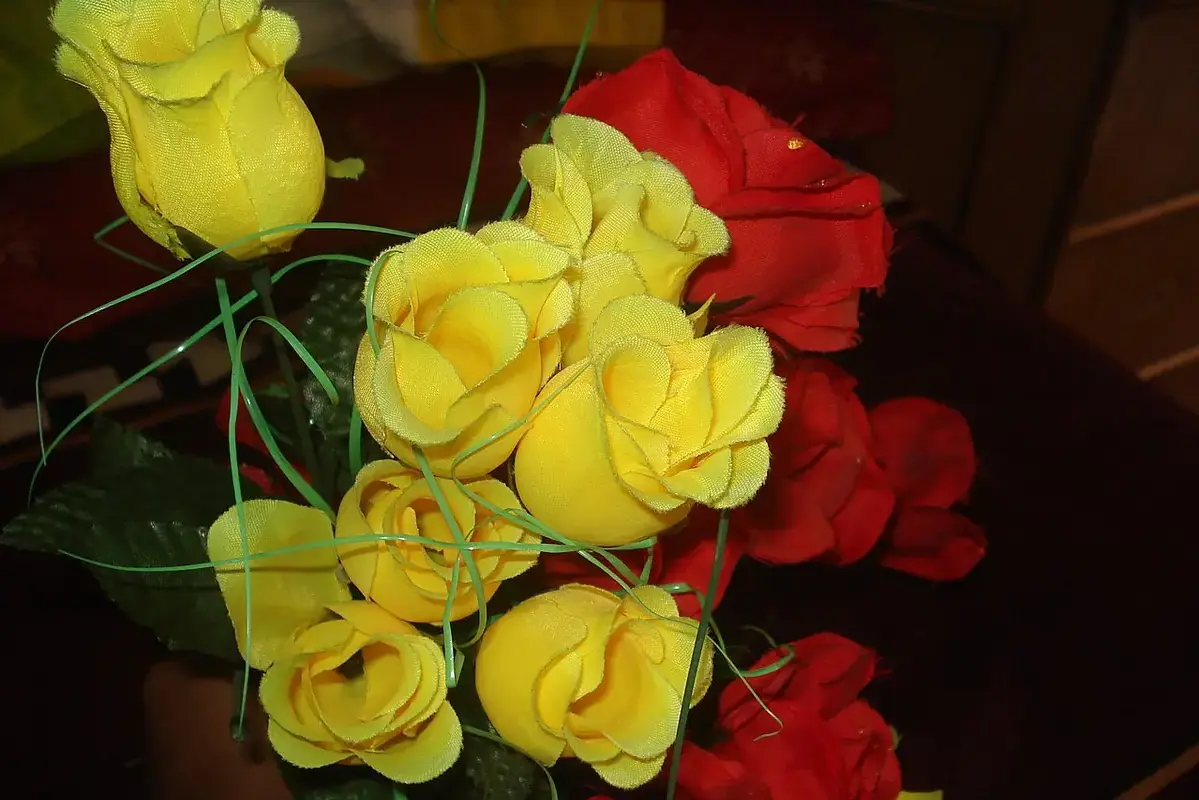
How to Clean Hard-Water Scale From a Flower Vase with practical checks for clean stems, stable water and a calmer display.
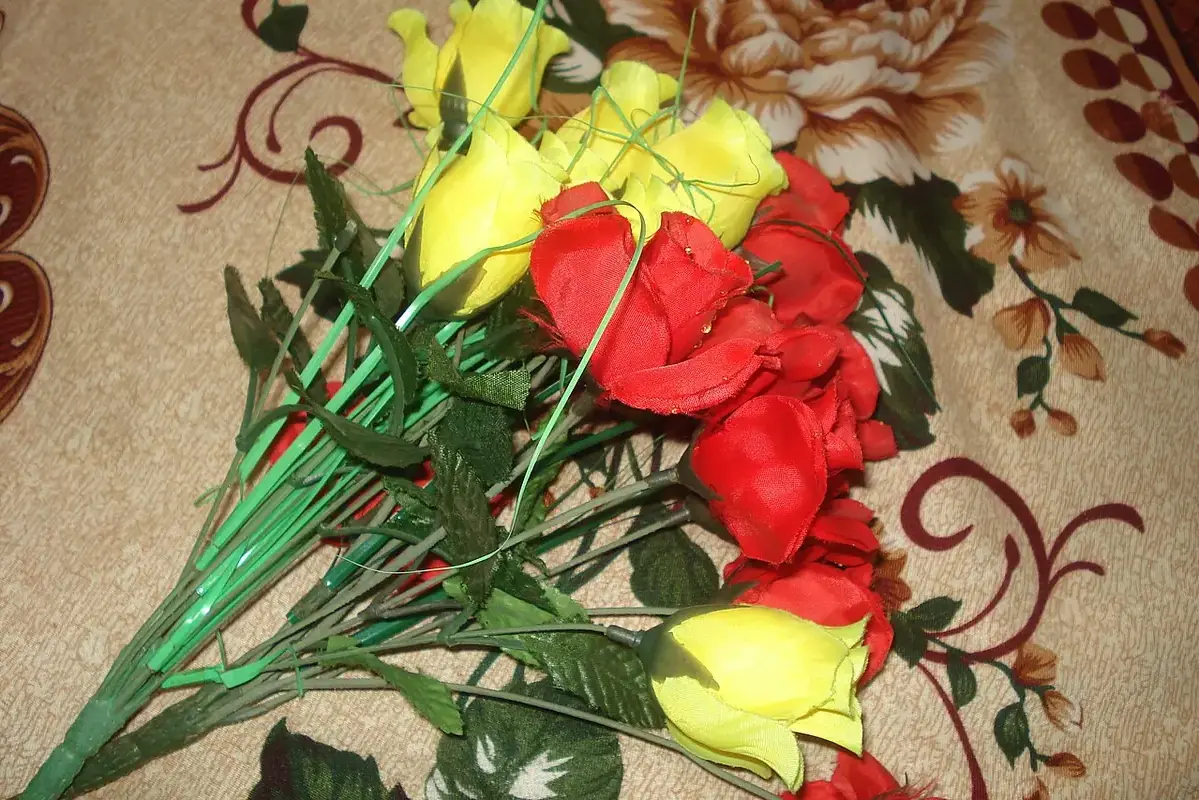
Cut Carnation Care: Keep Calyxes and Stems Firm with practical checks for clean stems, stable water and a calmer display.

Cut Statice Care: Keep Papery Clusters Dry with practical checks for clean stems, stable water and a calmer display.
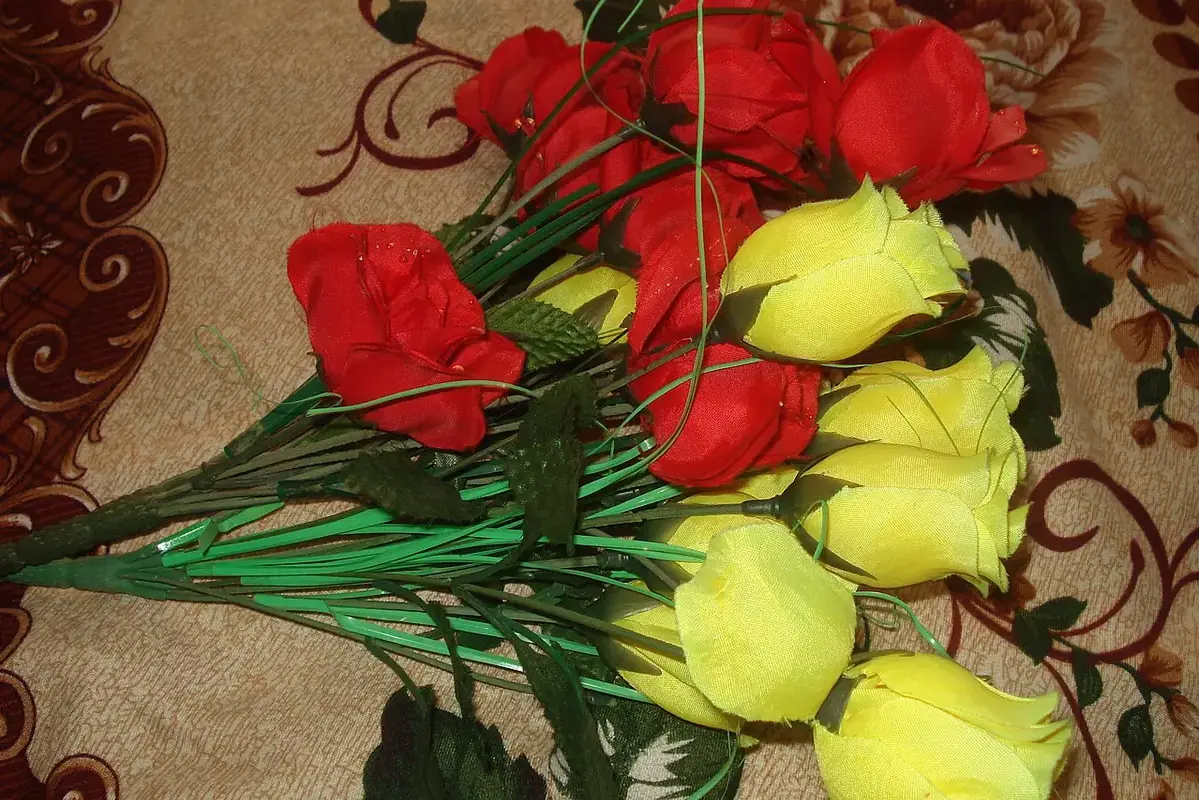
Why Do Flower Necks Soften Before the Petals Fade with practical checks for clean stems, stable water and a calmer display.
Why Do Flowers Turn Translucent Overnight with practical checks for clean stems, stable water and a calmer display.
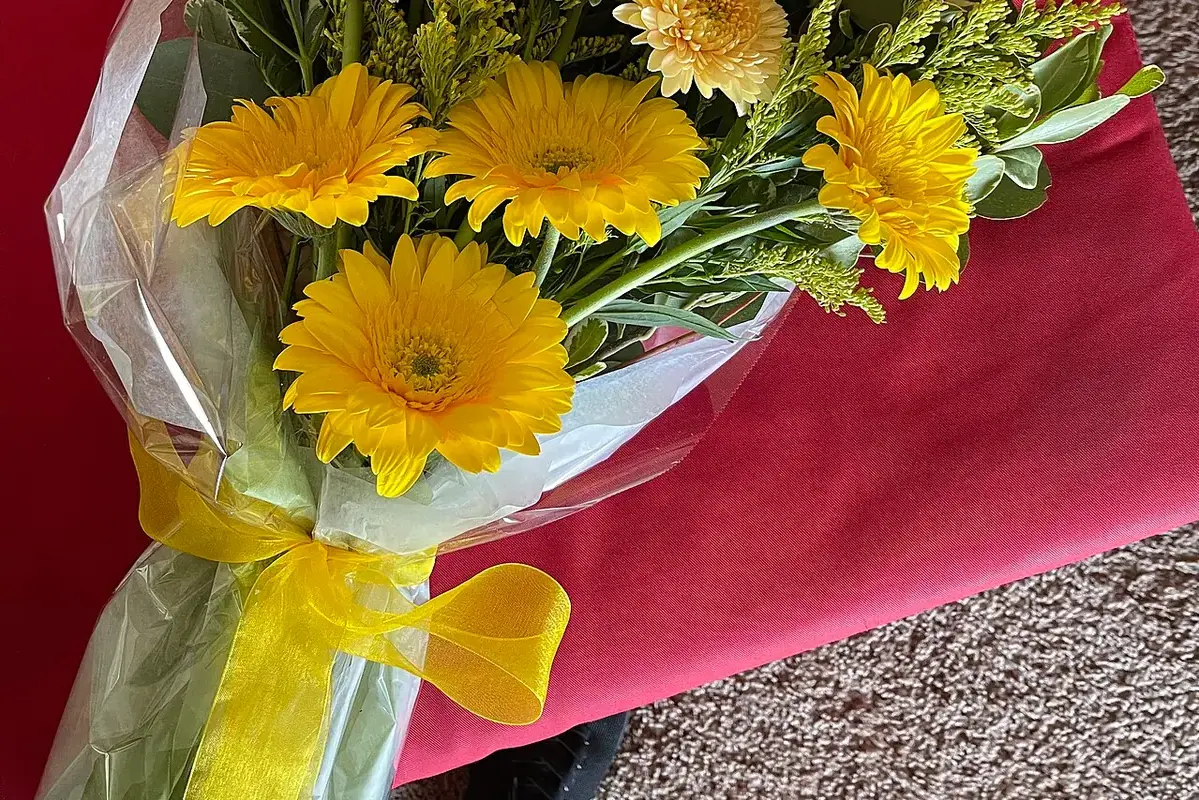
Can Flowers Sit Near a Room Humidifier with practical checks for clean stems, stable water and a calmer display.
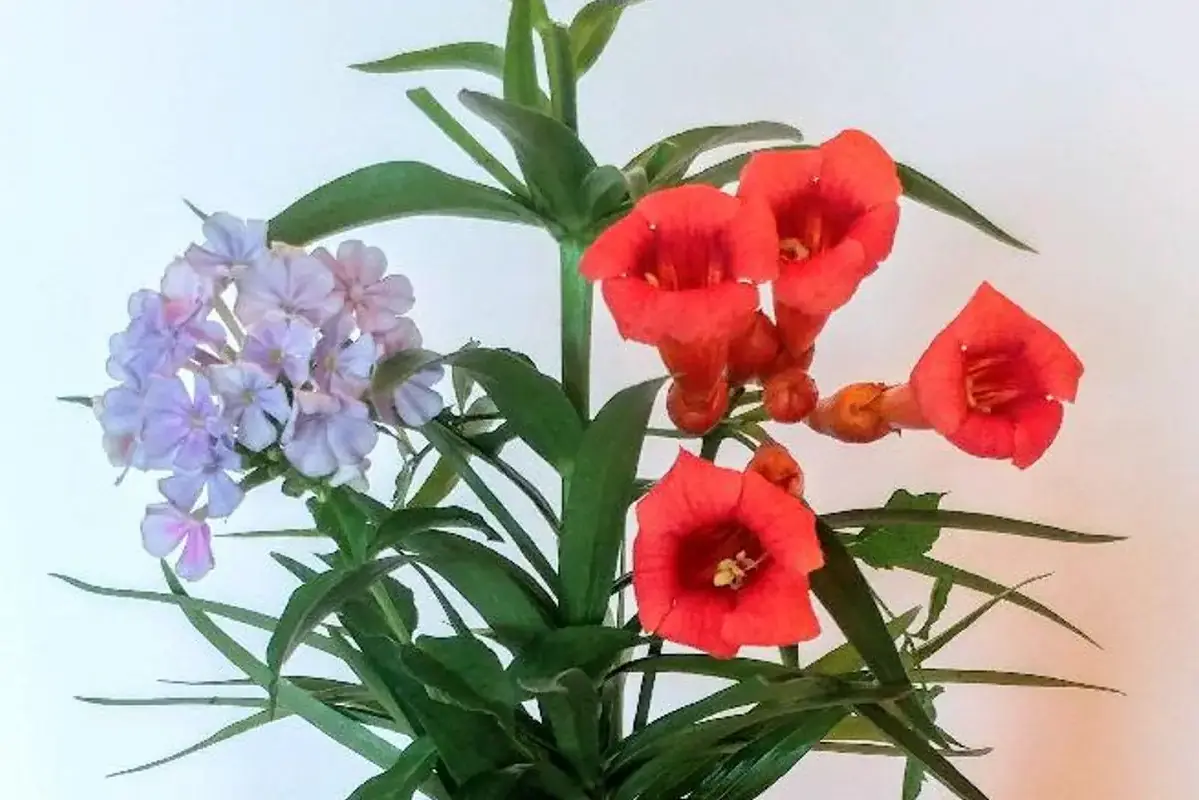
Are Flowers Safe in an Entryway with practical checks for clean stems, stable water and a calmer display.
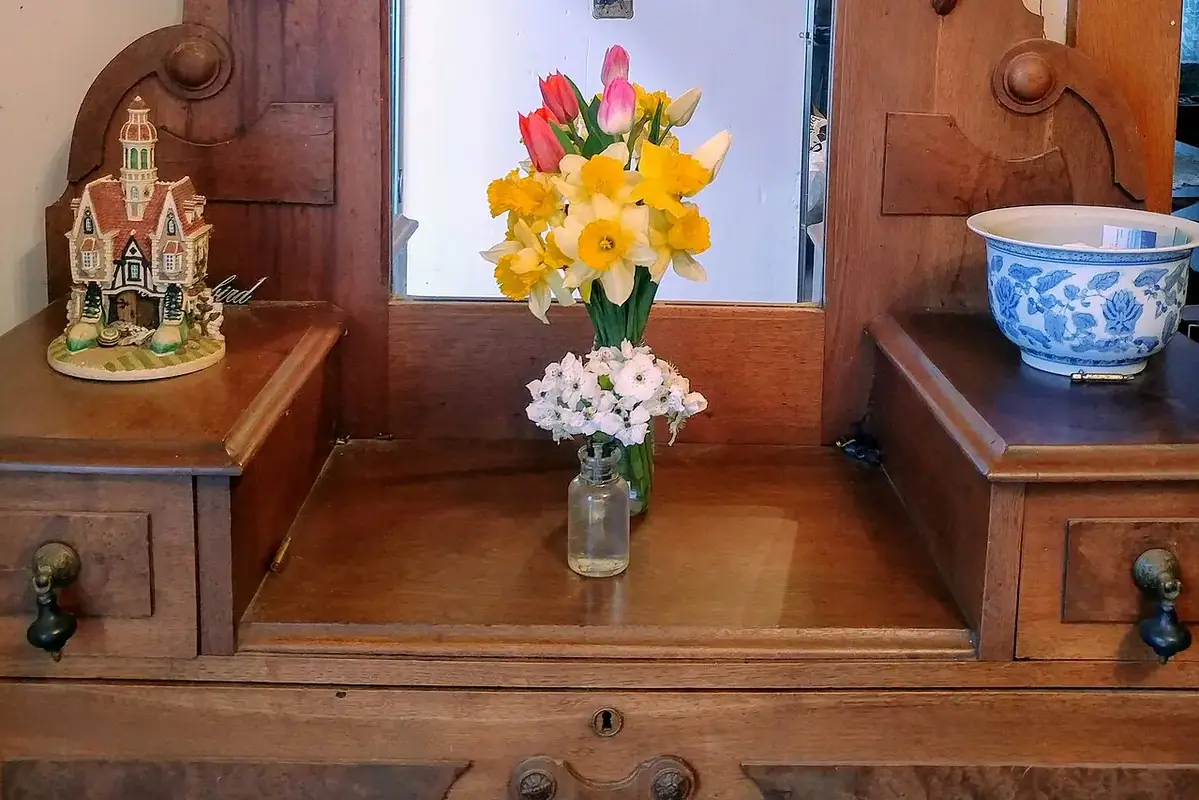
How to Dry Flowers With Salt as a Desiccant with practical checks for clean stems, stable water and a calmer display.

How to Preserve Flowers in Resin Safely with practical checks for clean stems, stable water and a calmer display.

How to Make a Bouquet Last Longer Without Flower Food with practical checks for clean stems, stable water and a calmer display.

How to Arrange Flowers in a Mason Jar with practical checks for clean stems, stable water and a calmer display.
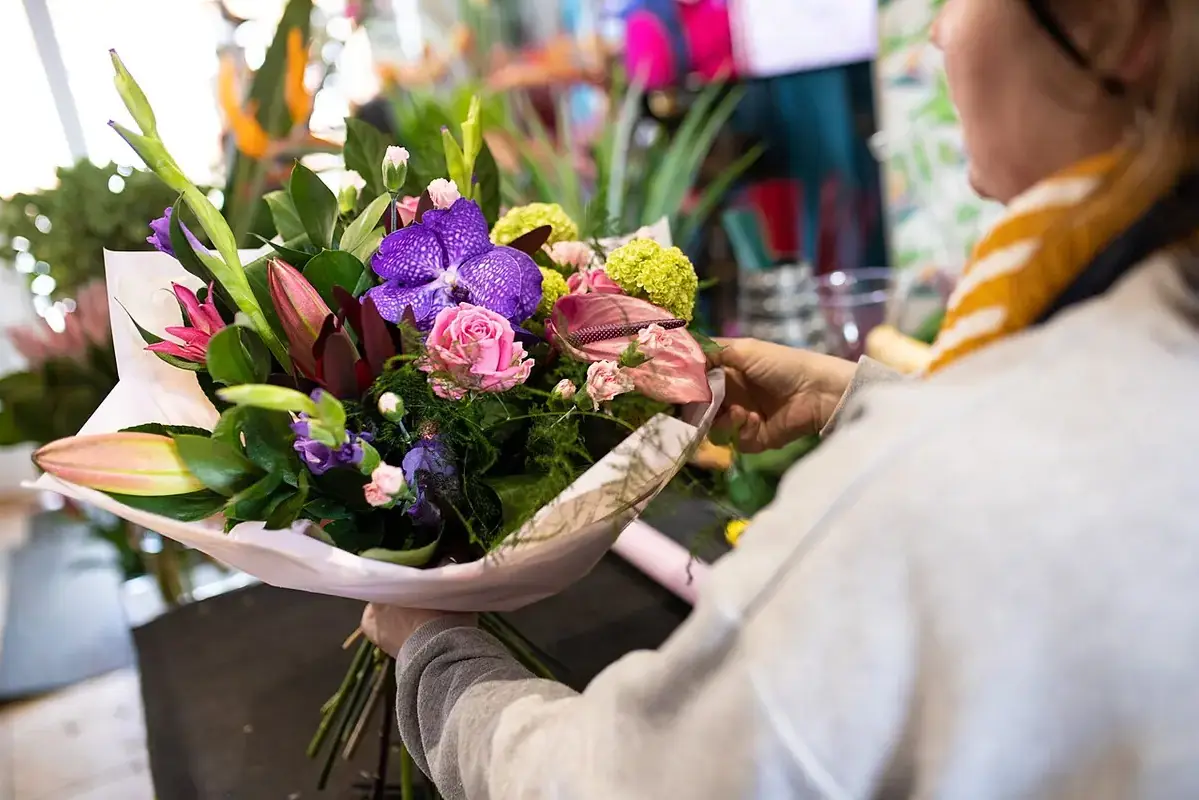
What Waterline Works Best for Hollow Flower Stems with practical checks for clean stems, stable water and a calmer display.

Why Does Vase Water Smell Sweet or Fermented with practical checks for clean stems, stable water and a calmer display.

Cut Gomphrena Care: Keep Round Heads From Shedding with practical checks for clean stems, stable water and a calmer display.

Cut Lisianthus Care: Balance Open Flowers and Buds with practical checks for clean stems, stable water and a calmer display.

Why Do Flowers Open and Fade on the Same Day with practical checks for clean stems, stable water and a calmer display.
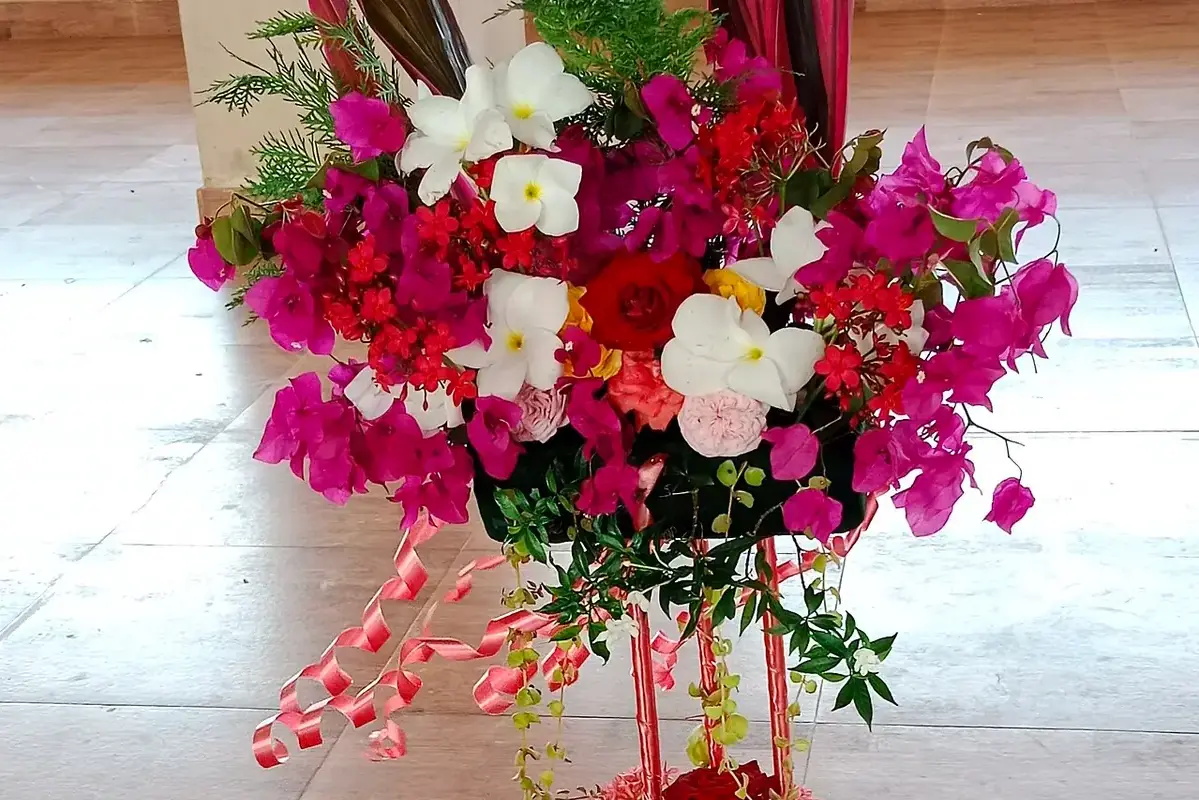
Why Do Cut Stems Feel Hollow or Empty with practical checks for clean stems, stable water and a calmer display.
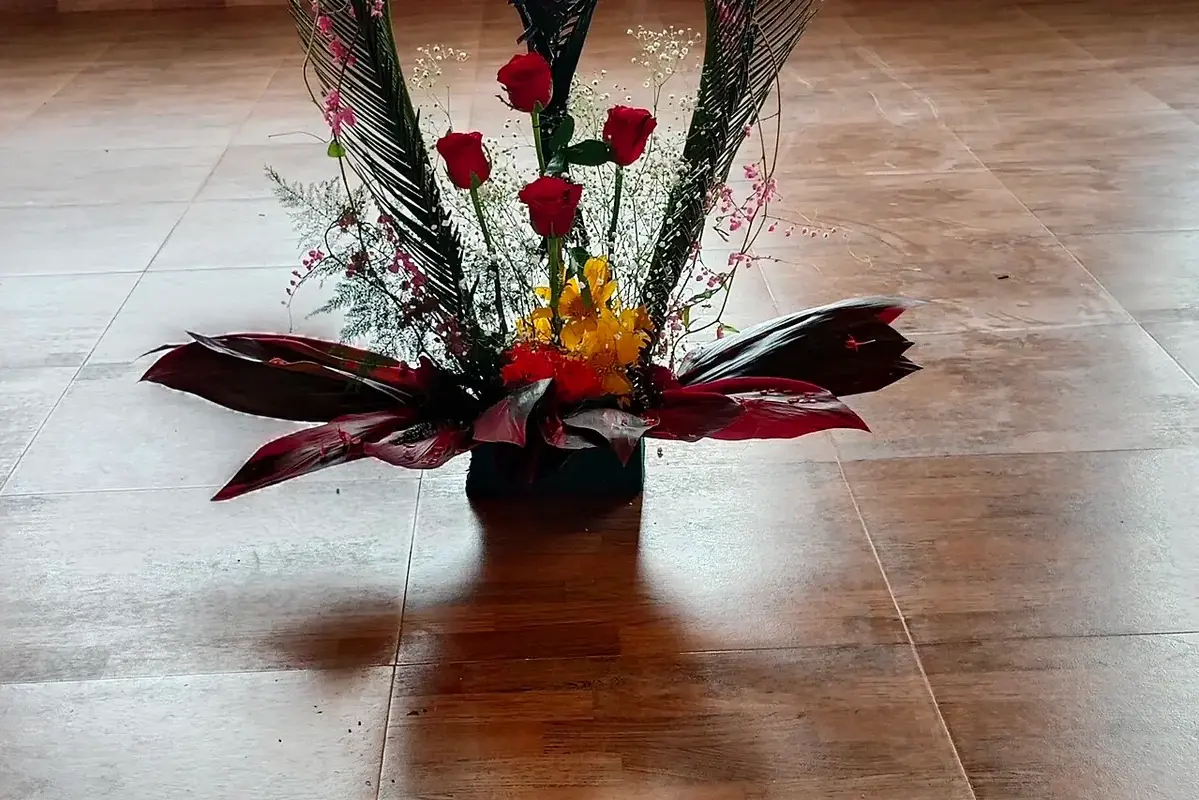
Can Flowers Sit Near Kitchen Heat with practical checks for clean stems, stable water and a calmer display.
How to Keep Flowers Safe Around Curious Pets with practical checks for clean stems, stable water and a calmer display.
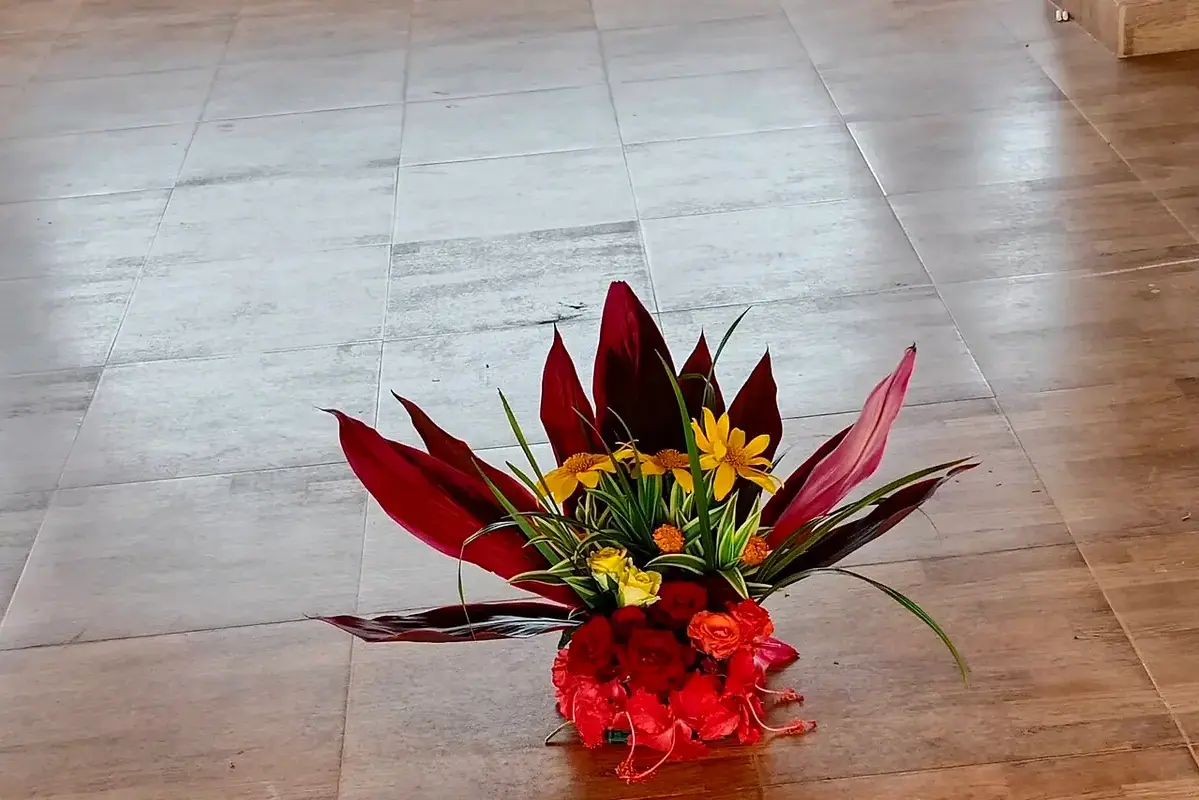
How to Dry Flowers With Gentle Room Airflow with practical checks for clean stems, stable water and a calmer display.
How to Store Dried Flowers in a Rigid Box with practical checks for clean stems, stable water and a calmer display.
Set up water, tools and a cool landing place before a flower delivery so stems are not left wrapped while you search for a vase.
Inspect a delivered bouquet in a fixed order-package, heads, leaves, stems and water-before accepting its condition as normal.
Decide when a vase is dishwasher-compatible and when hand washing is safer for glass, finishes, glued parts and narrow openings.
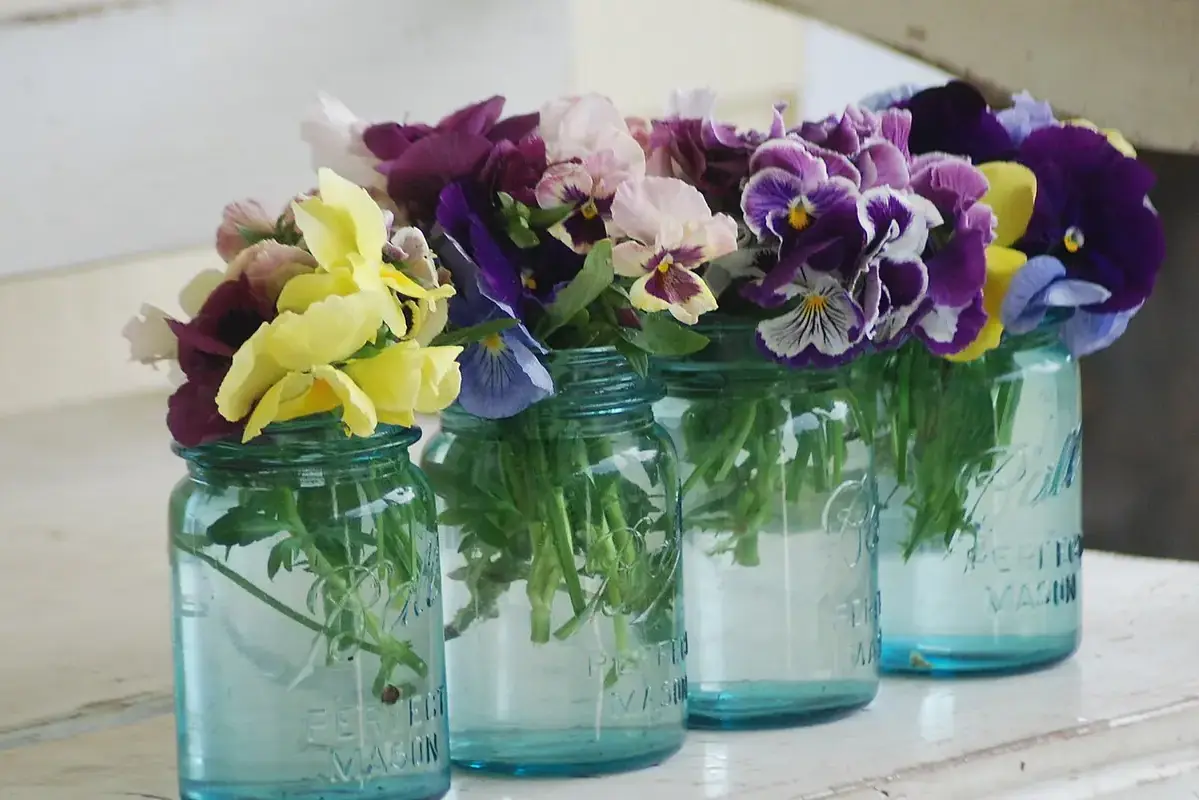
Use a long-handled bottle brush to reach the shoulder, base and waterline of a vase without grinding grit or scratching its interior.
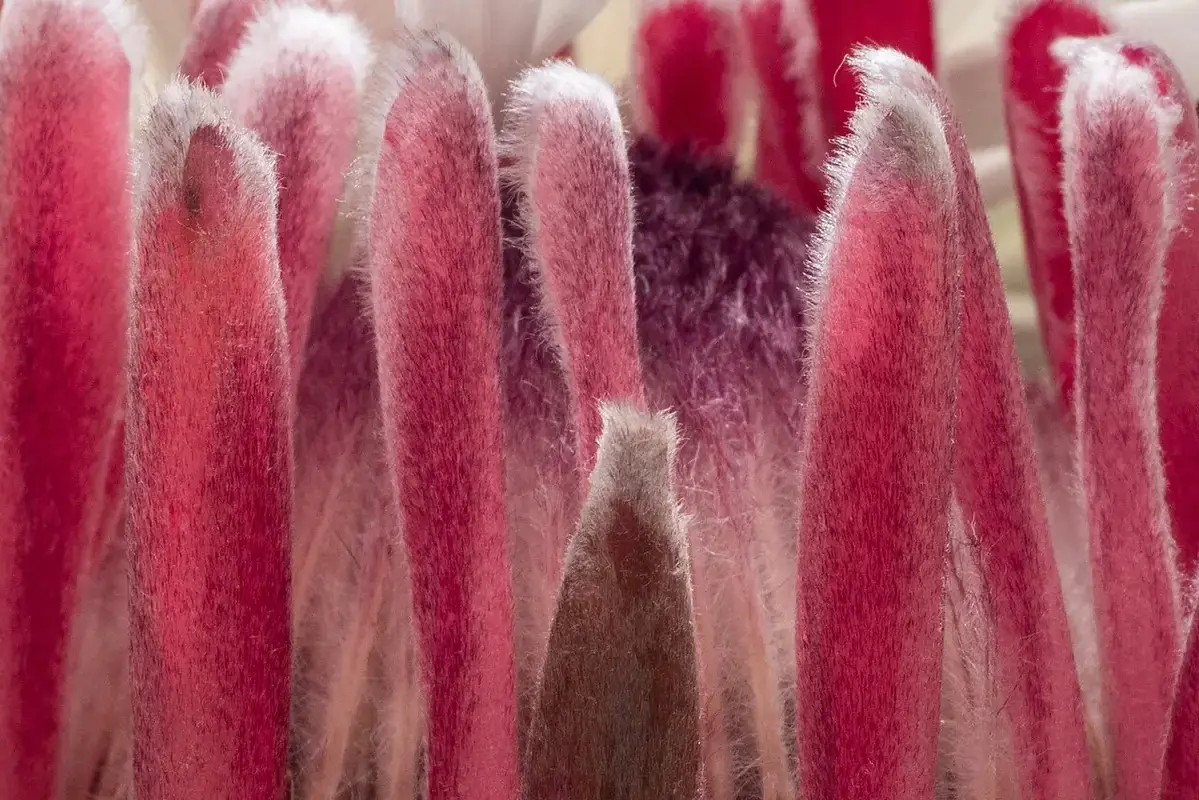
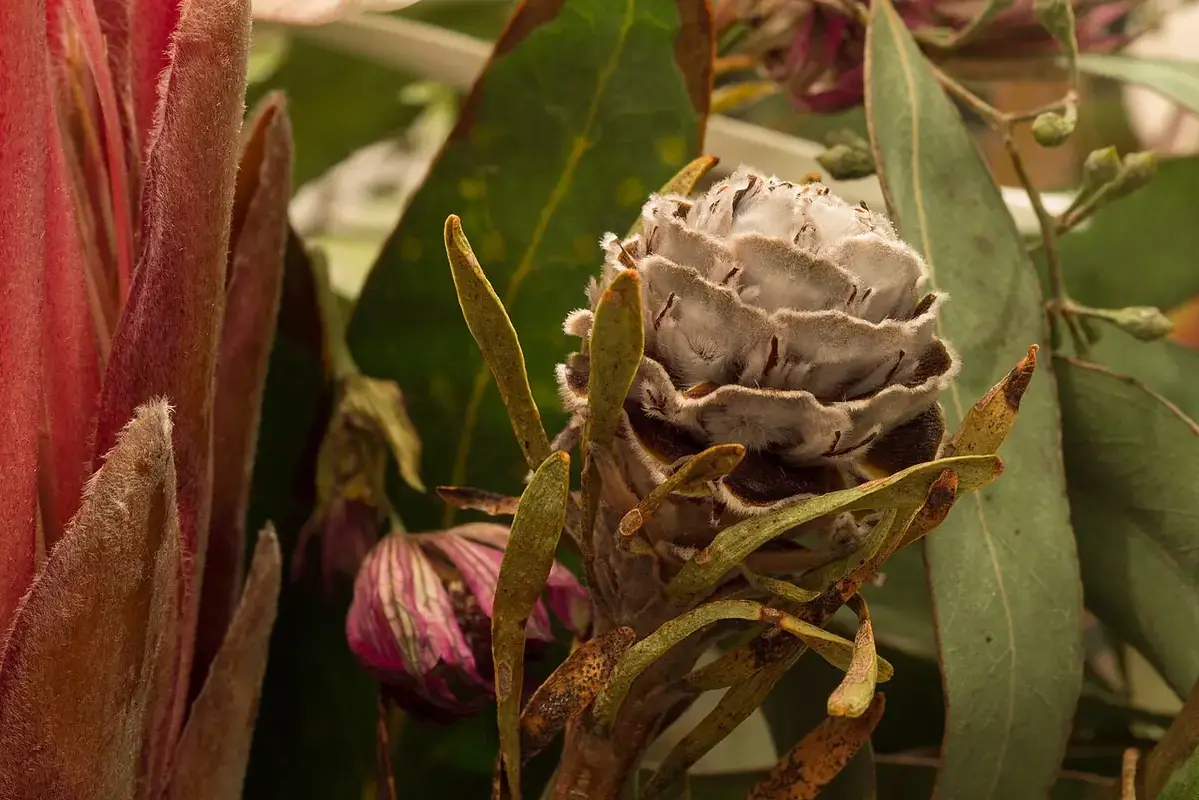
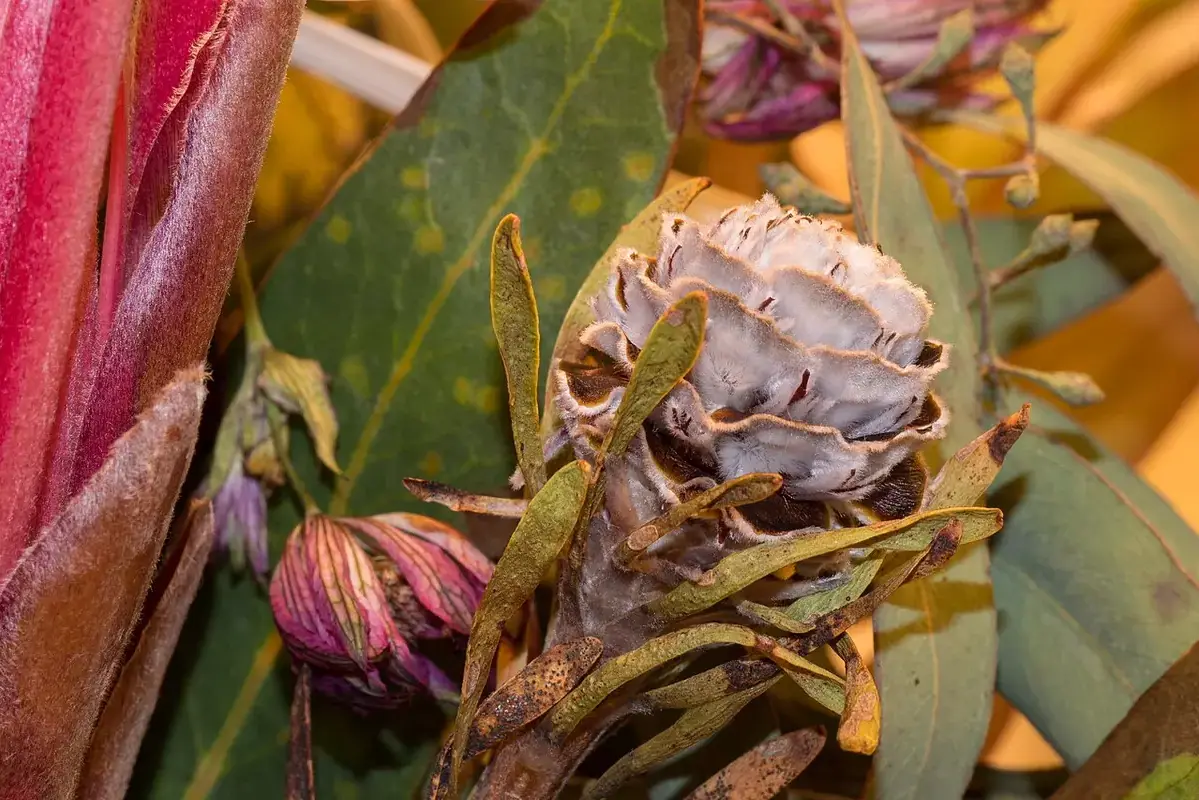
Care for cut protea by matching a heavy head to a stable vessel, keeping leaves and bracts dry, and treating leaf blackening as a symptom to investigate.
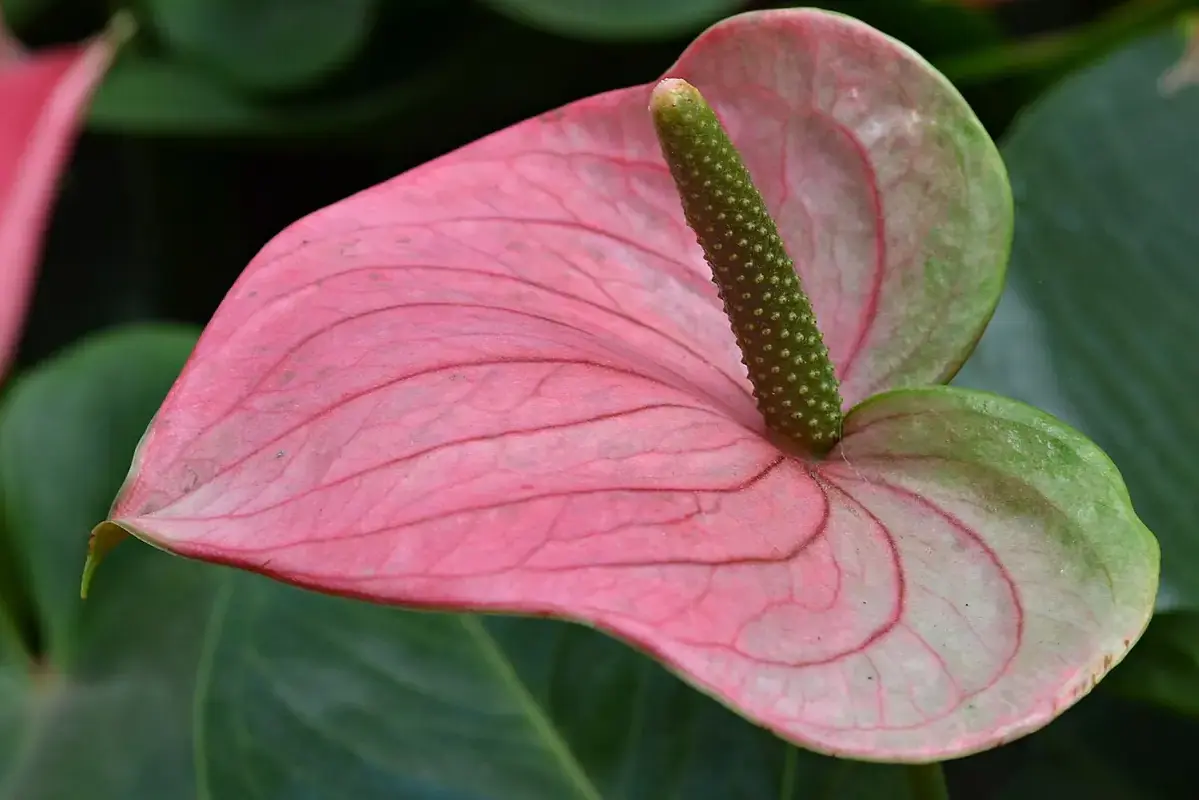
Keep cut anthurium presentable by protecting its waxy spathe from bruising and water droplets while supporting the slender stem.
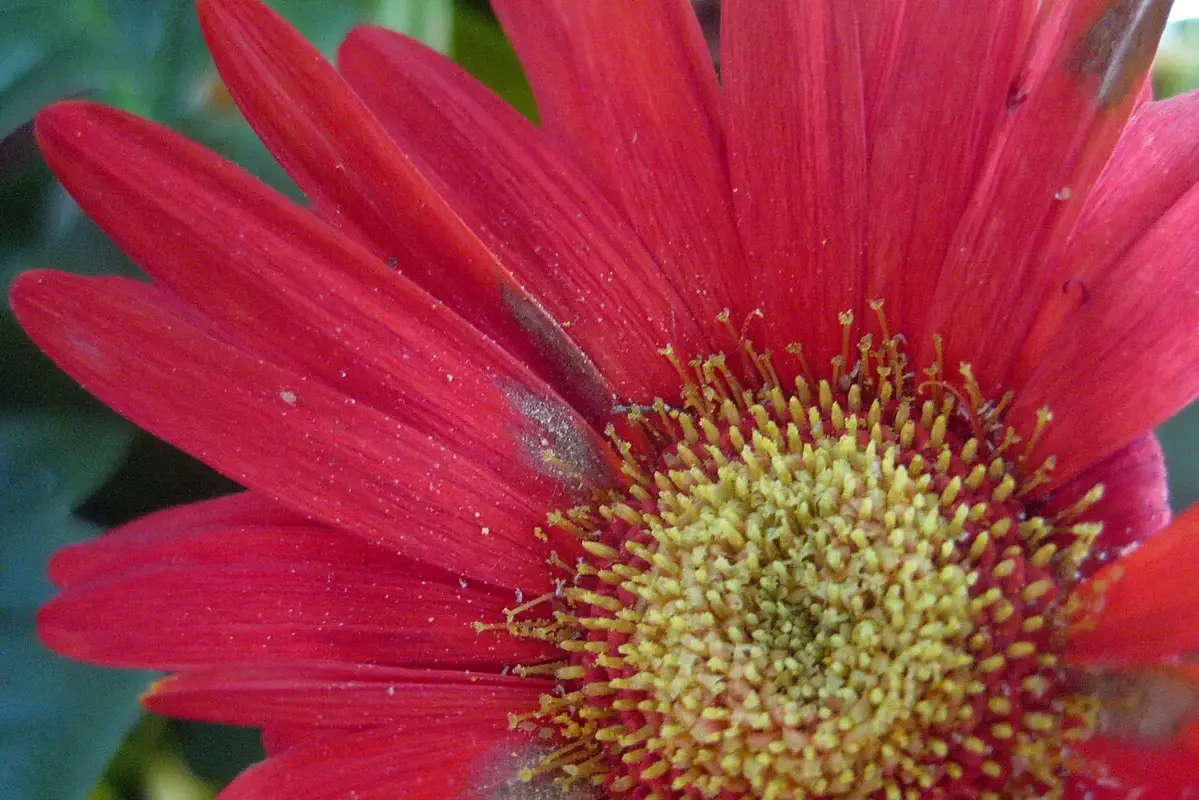
Use texture, spread, odour and moisture to decide how to respond to a suspicious petal spot without claiming a home diagnosis.
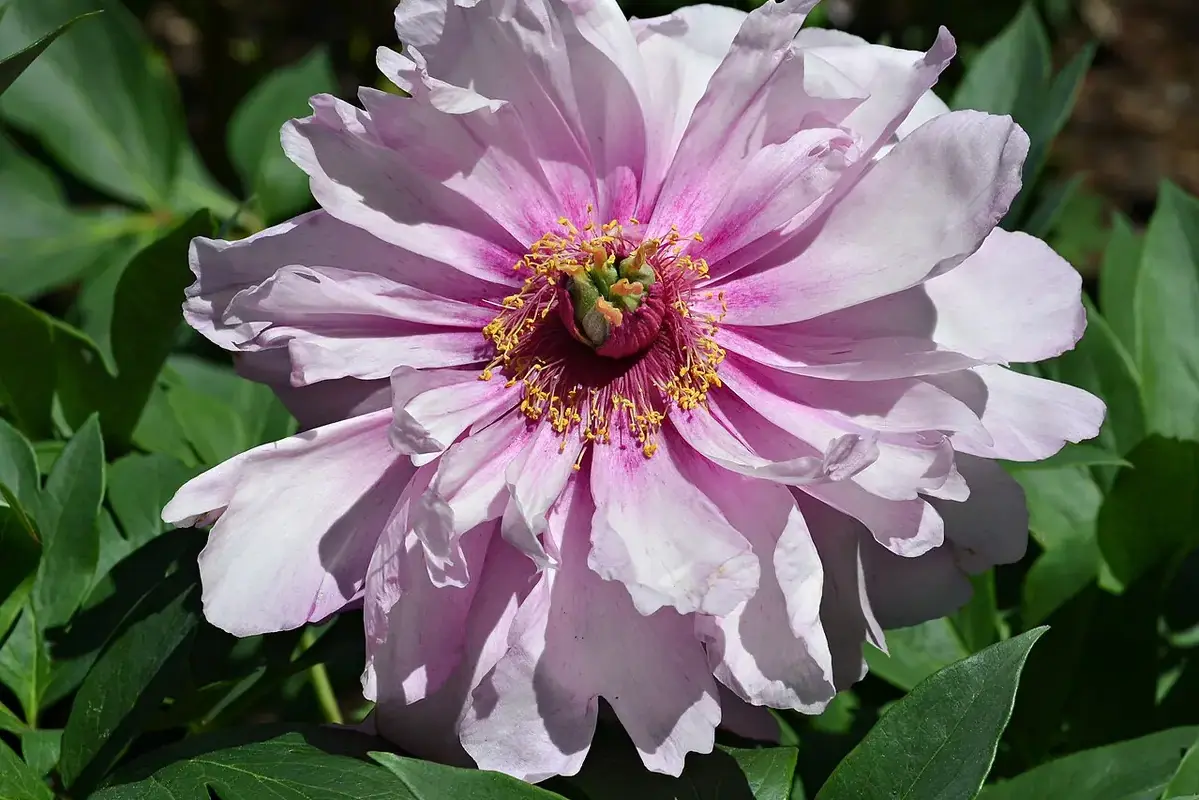
Investigate bud drop by comparing maturity, attachment, transport pressure, heat and stem condition before discarding a whole bouquet.

Use a balcony only as a monitored short display by checking sun, wind, temperature, tipping and insects before taking flowers outside.
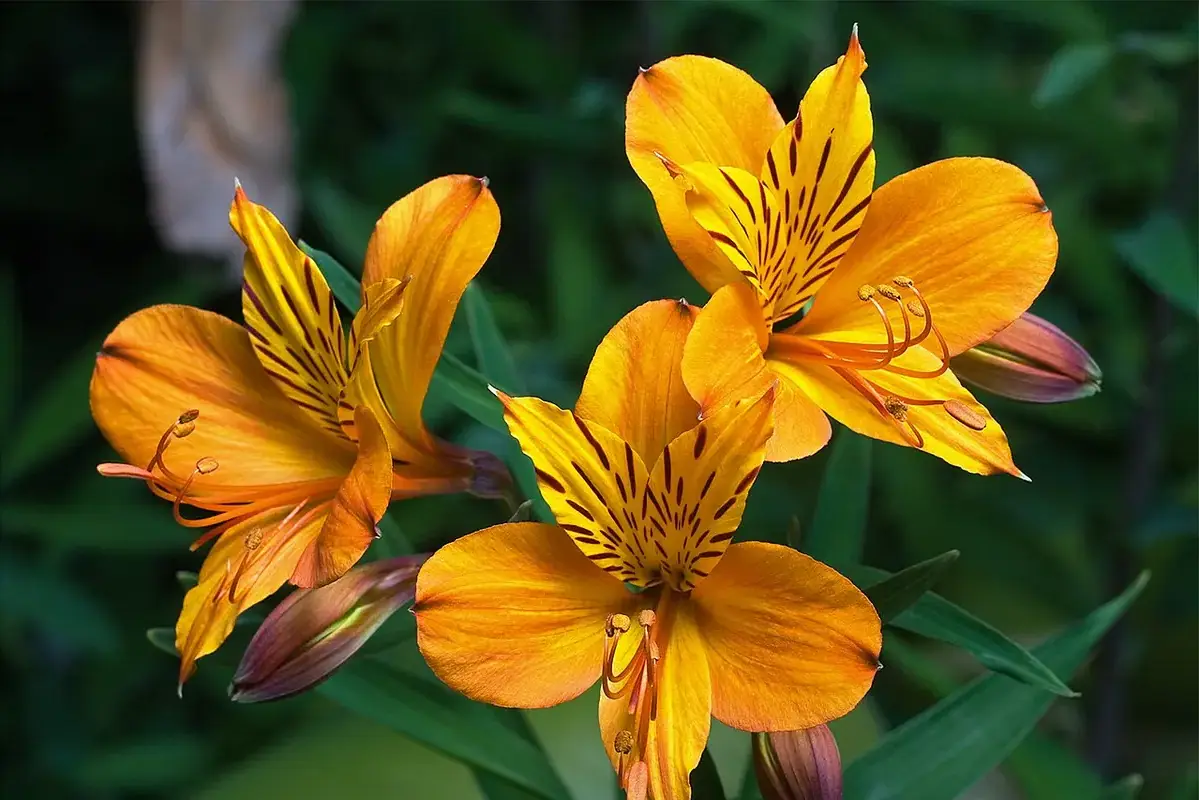
Separate flowers from ripening fruit with a practical room layout that improves on a blanket distance rule by considering maturity, ventilation and sensitivity.

Choose a drying harvest stage by checking firmness, head structure, moisture and colour so the material enters preservation before collapse.
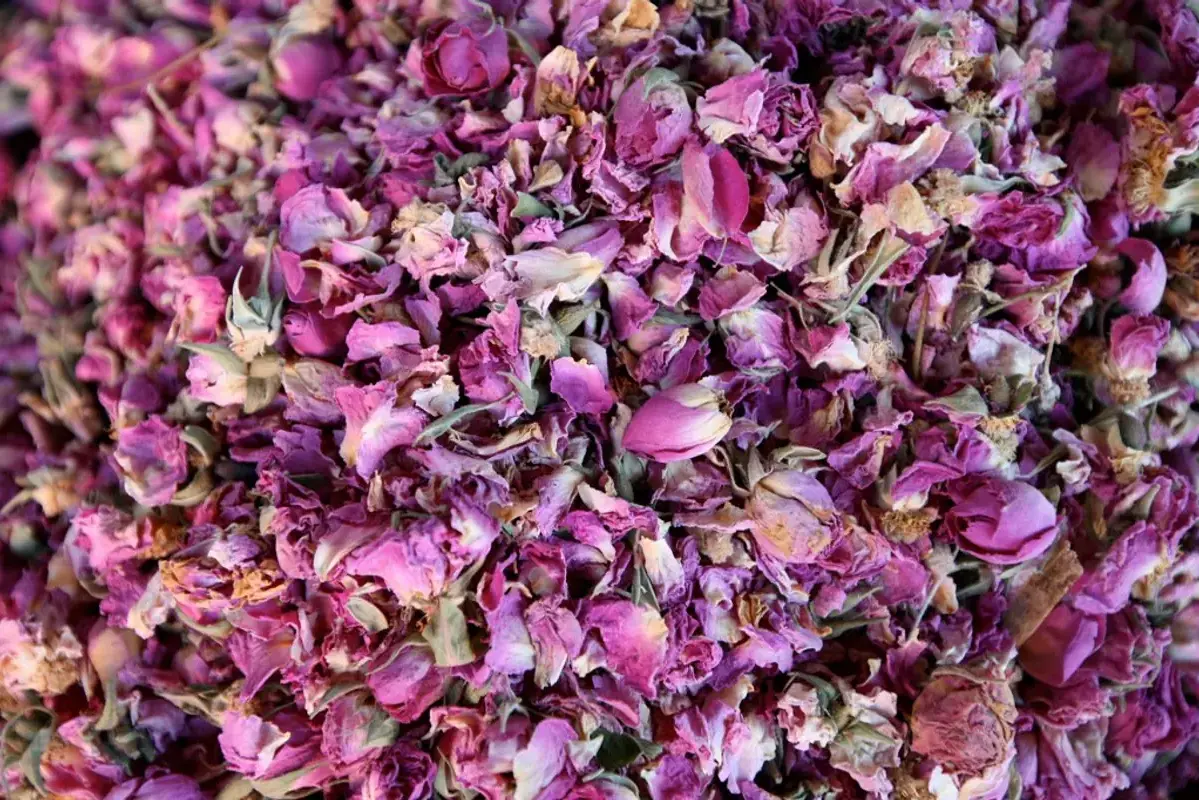
Isolate dried flowers with insect evidence, protect nearby material and choose a treatment only when the material and product instructions are known.
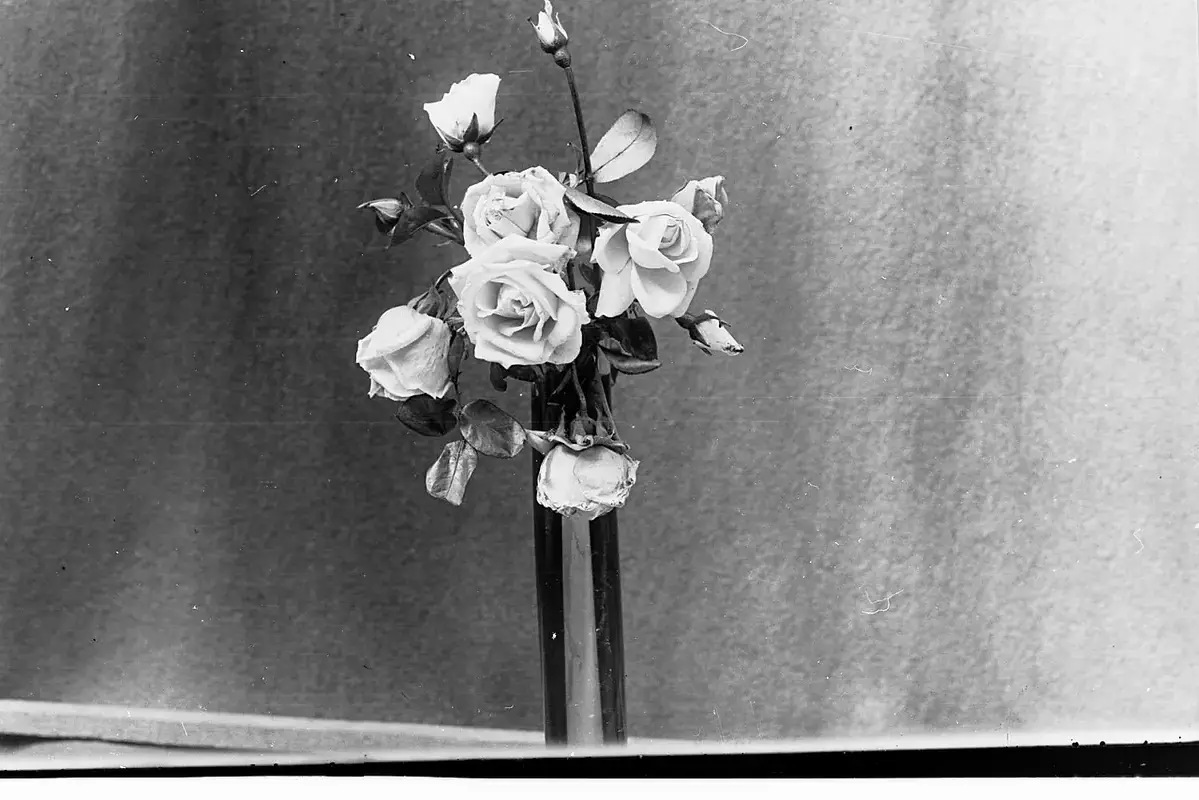
Prepare thorny rose stems with a low-damage approach that removes dangerous projections and submerged leaves without stripping useful foliage.
Set up a flower frog or kenzan as a stable low-contact support, checking pin engagement, vessel safety and water access before arranging.
Inspect a metal flower container for its interior lining, clean it with compatible materials and stop when corrosion or exposed metal makes water use uncertain.
Use a marked stick, measured refill and stem inspection to monitor an opaque vase when the glass-level shortcut is unavailable.

Display bird-of-paradise stems upright with a tall stable vase while keeping the boat-shaped bract clear of pressure and heat.
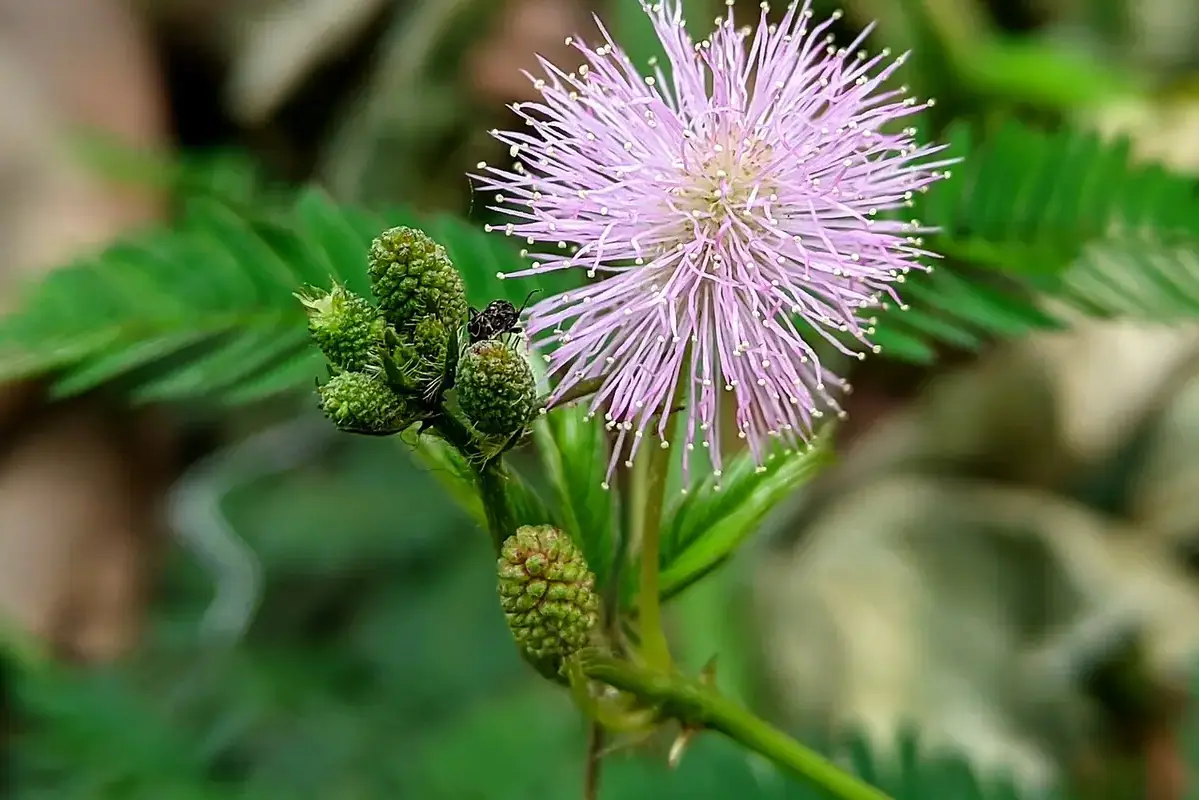
Care for cut mimosa by reducing dry-air exposure, keeping the branching stem clean and accepting that fluffy flowers may age differently from foliage.
Separate a few flying insects from a decaying-water problem and clean the vase without spraying household insecticide onto flowers.
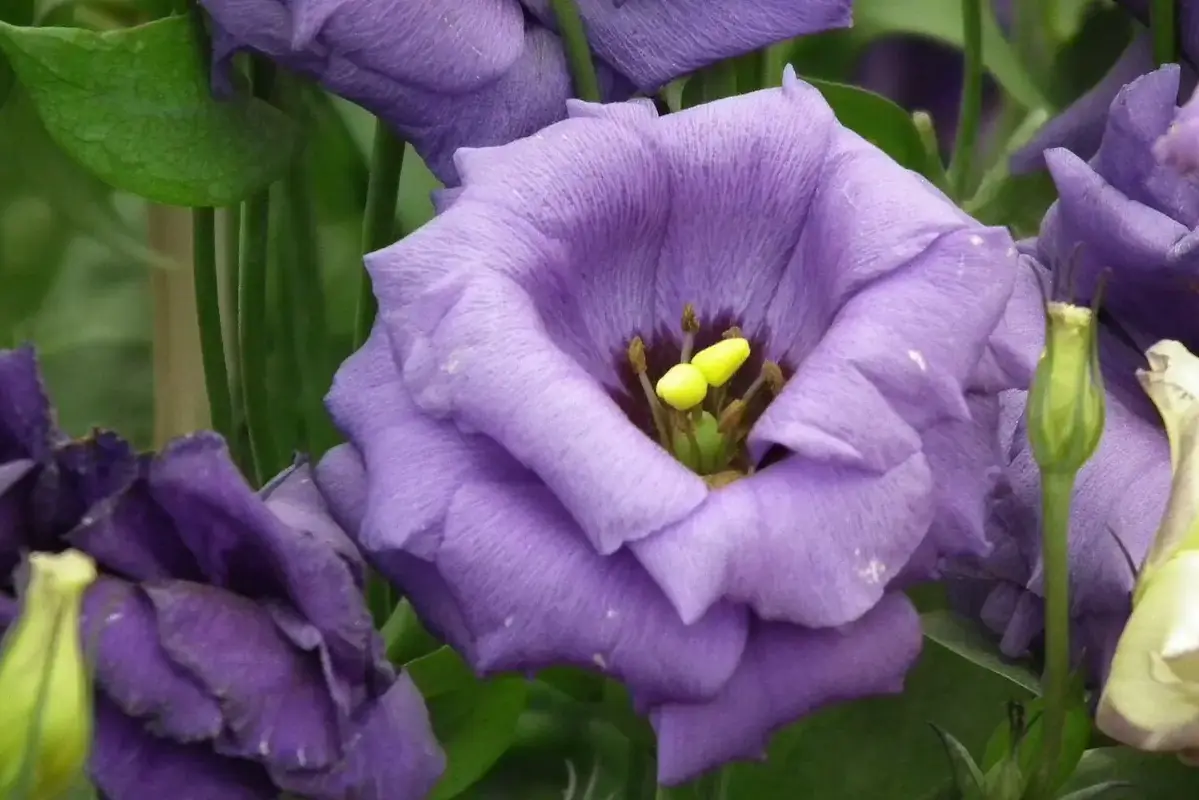
Decide whether a broken side branch can be shortened to firm tissue, displayed separately or removed without damaging the main stem.
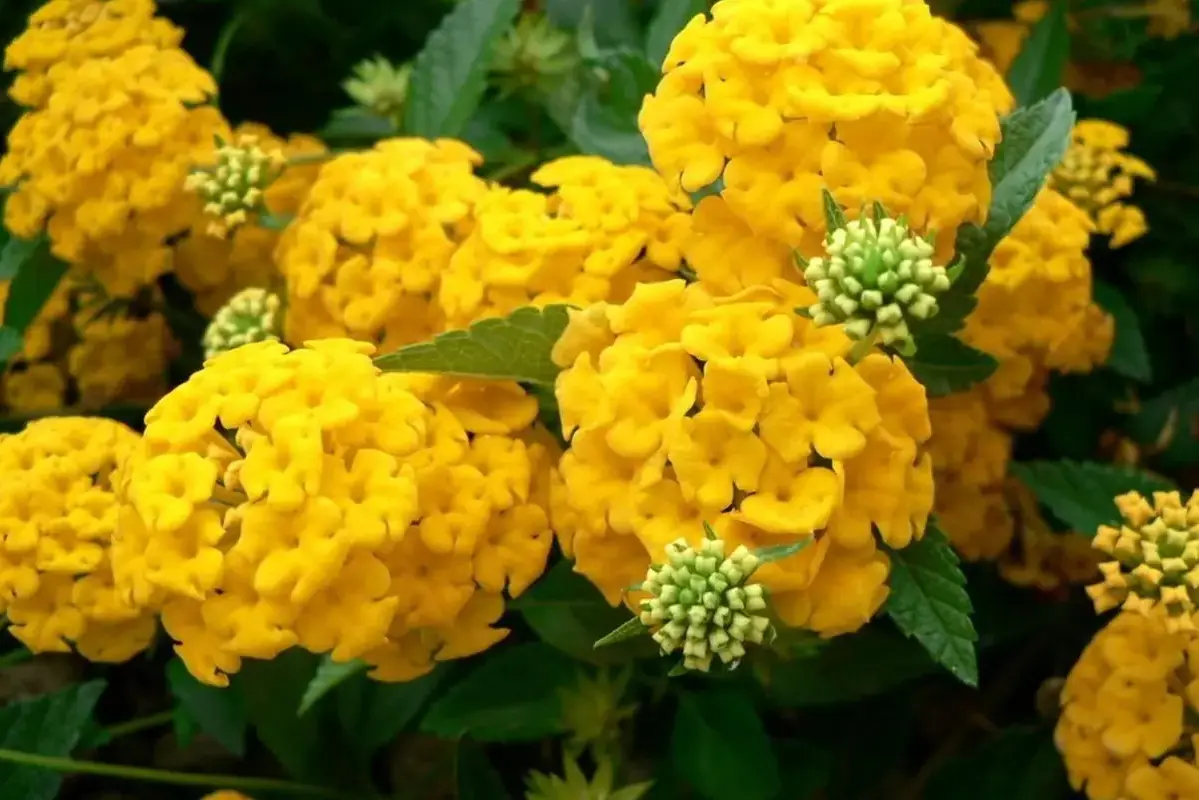
Prepare a bouquet for two unattended days with clean water, a stable vessel, a calm room and a realistic check on what cannot be controlled.
Install and use a wall-mounted flower vase by checking load, anchor, leak path, water volume and safe access before adding stems.
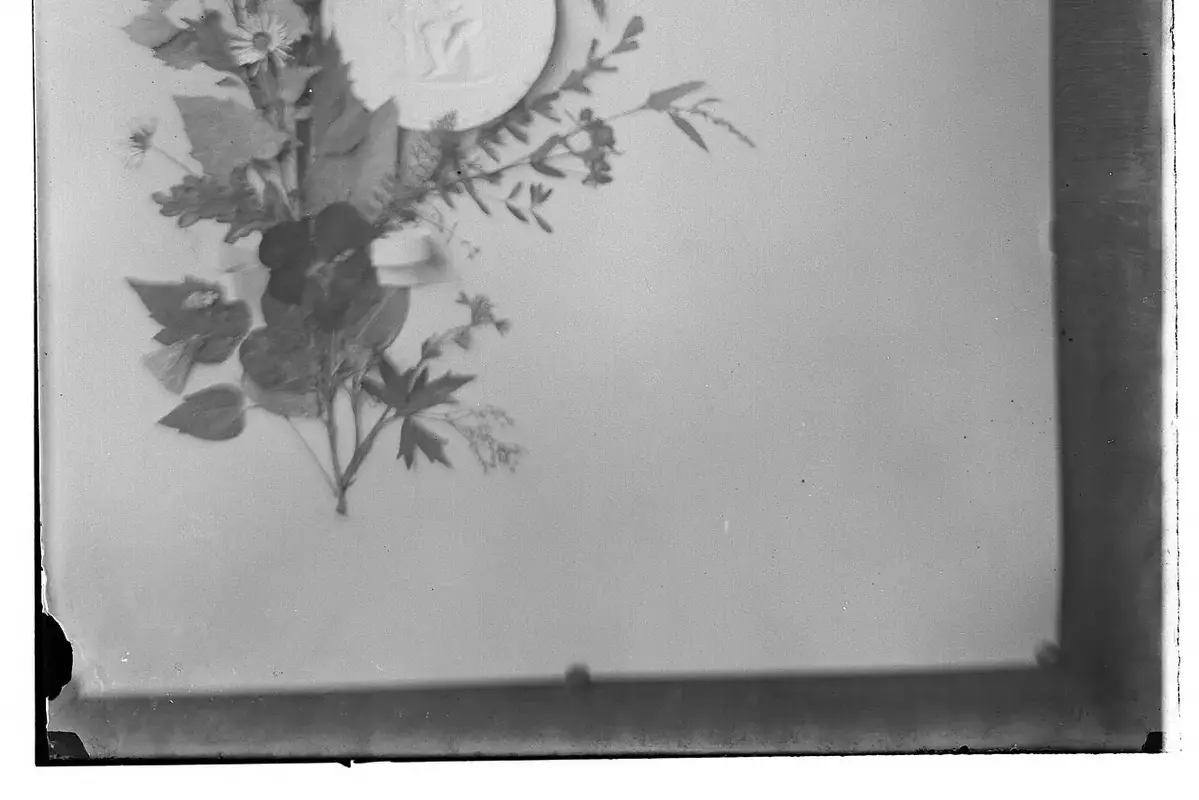
Compare glycerin treatment for flexible foliage with ordinary drying so leaves are not mistaken for fully dry flowers ready for storage.
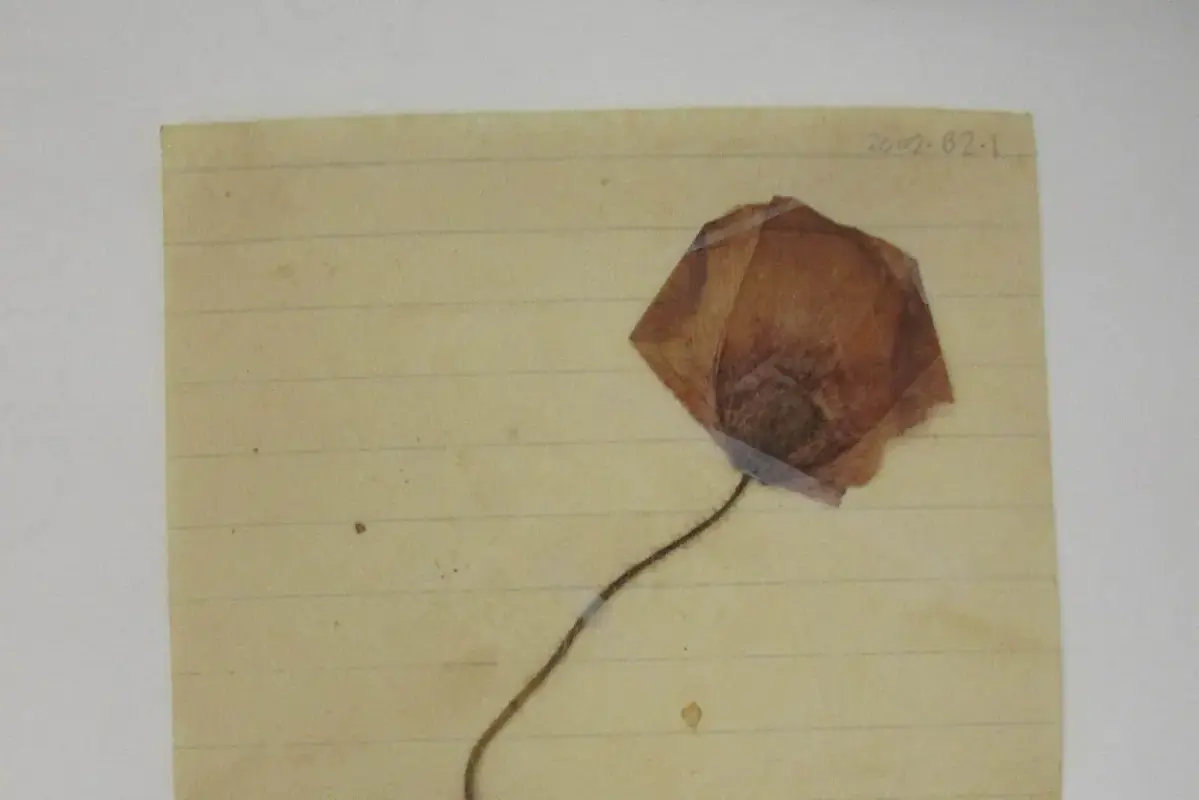
Record identity, harvest stage, method, date and storage condition on a specimen card so dried flowers remain traceable rather than anonymous craft material.
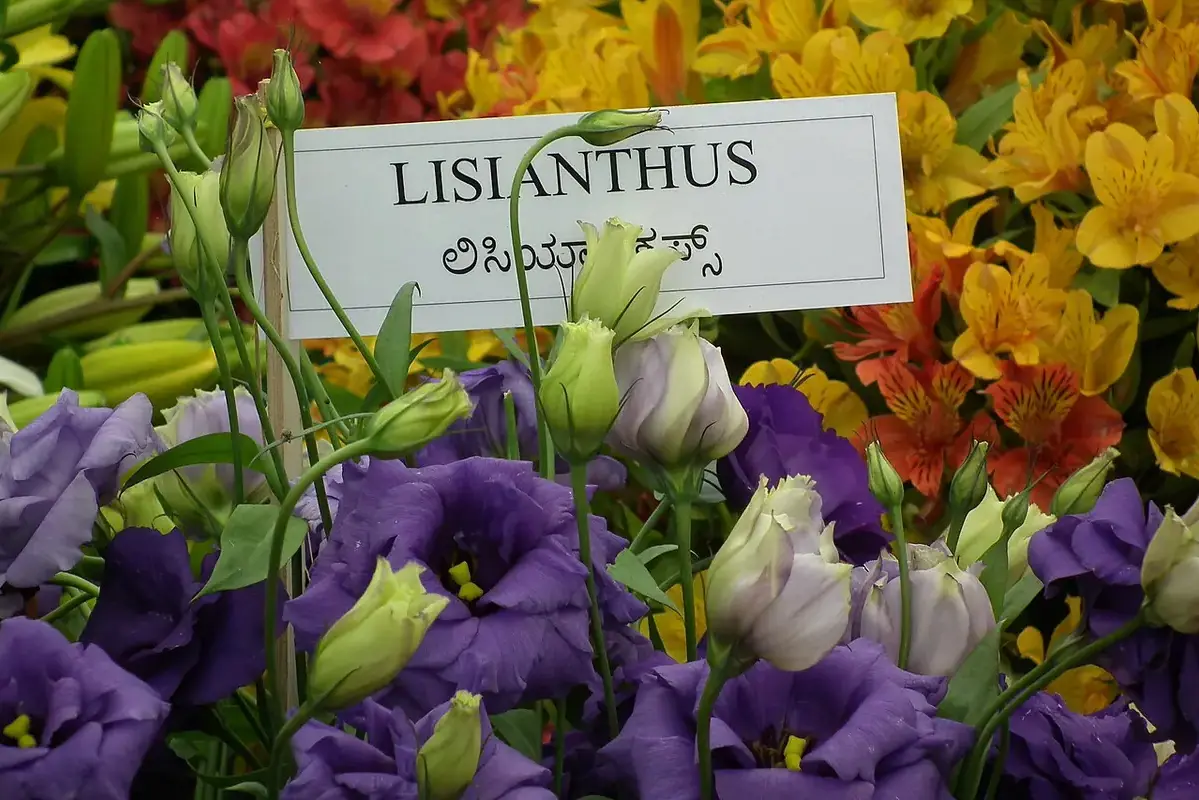
Build a lower-pollen bouquet by checking flower structure, maturity and household tolerance before the stems enter the vase.
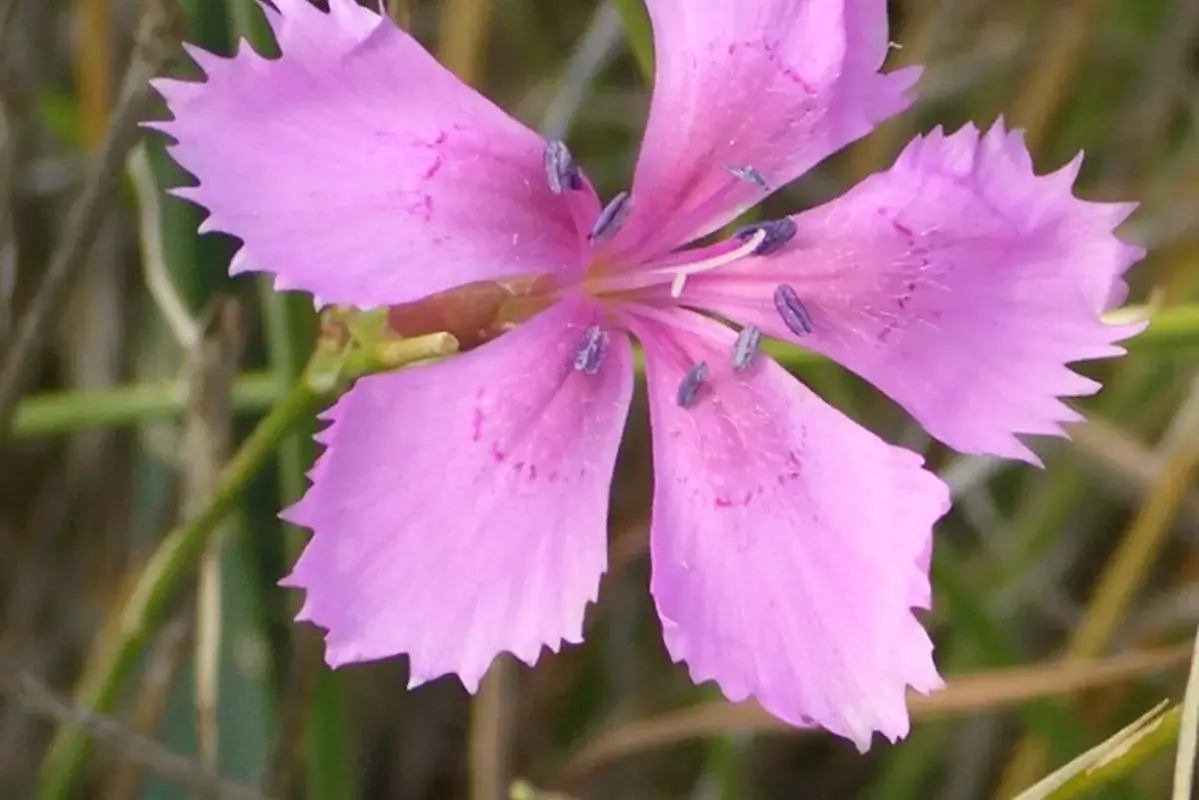
Choose a cutting tool by sharpness, cleanliness, stem thickness and control rather than by the label on the handle.
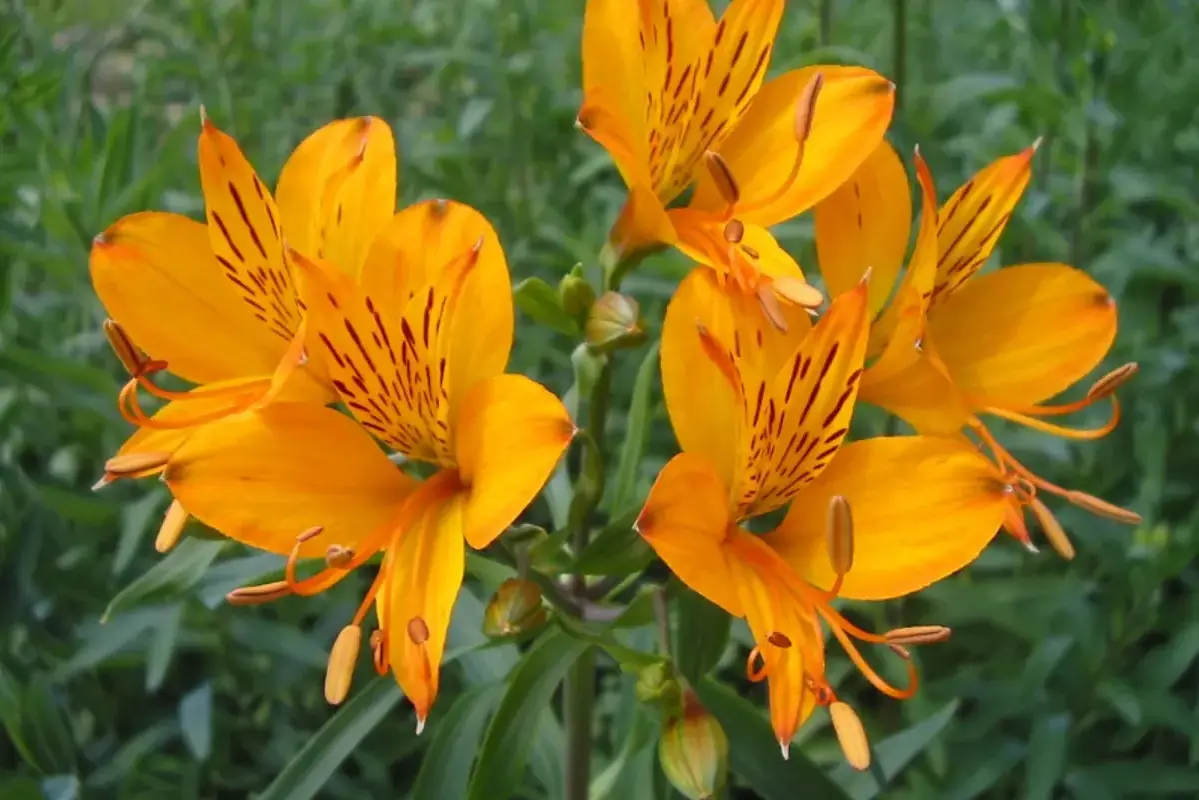
Separate a water softener, a drinking-water filter and a distilled-water treatment before changing the source for your bouquet.
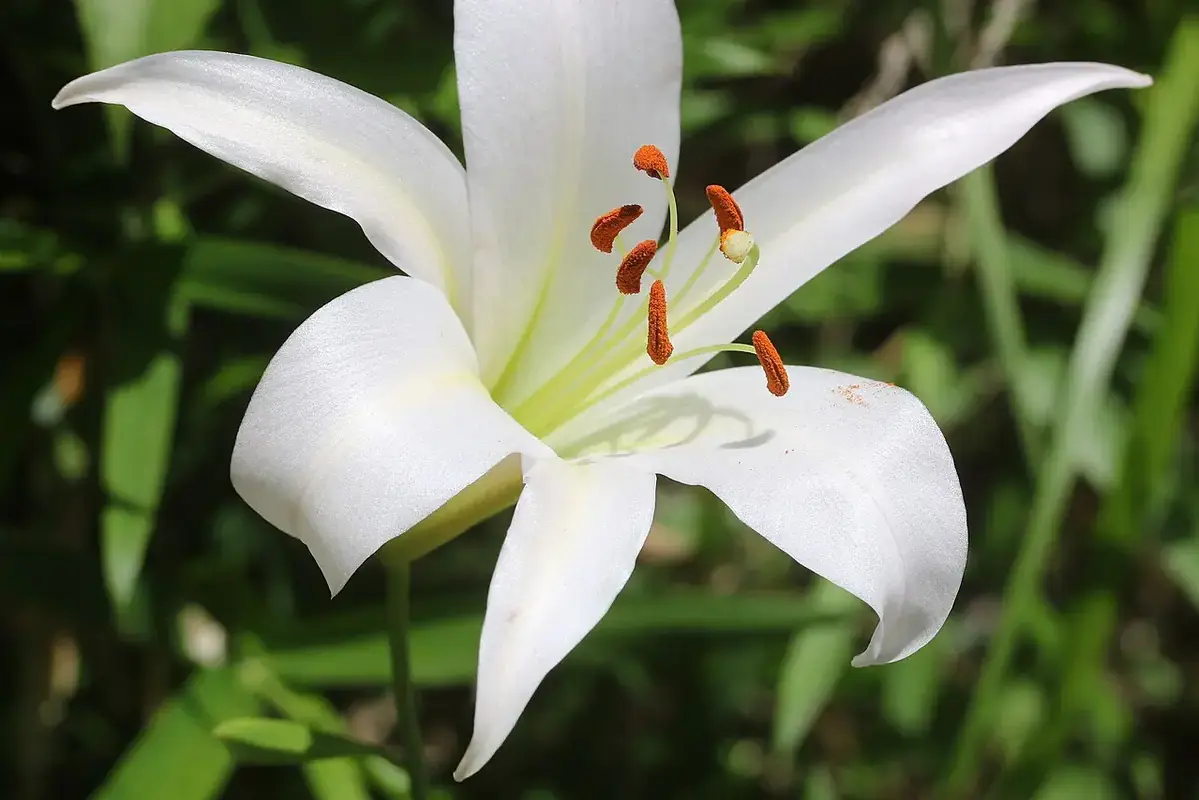
Use fluoride as a cautious water-source question for sensitive species rather than a reason to replace every vase with distilled water.
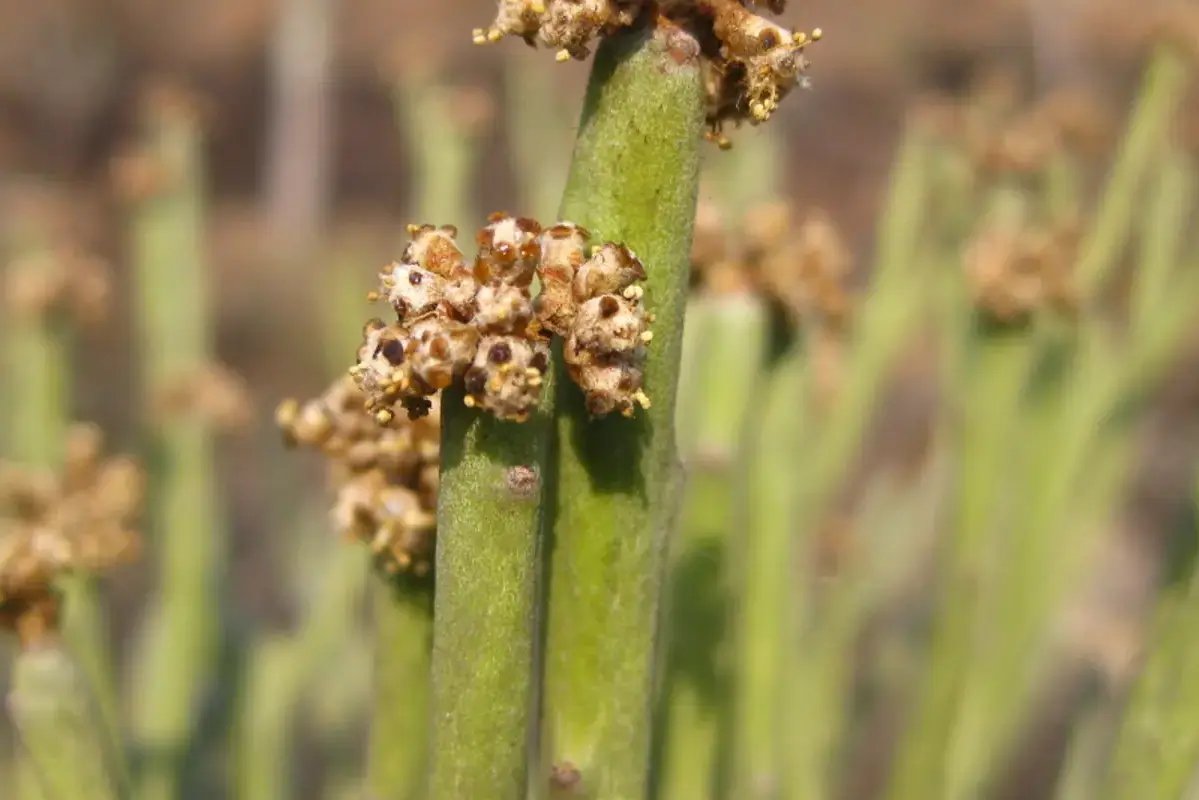
Condition Euphorbia cut stems with gloves, eye and skin awareness, separate tools and a clear response to milky sap contact.
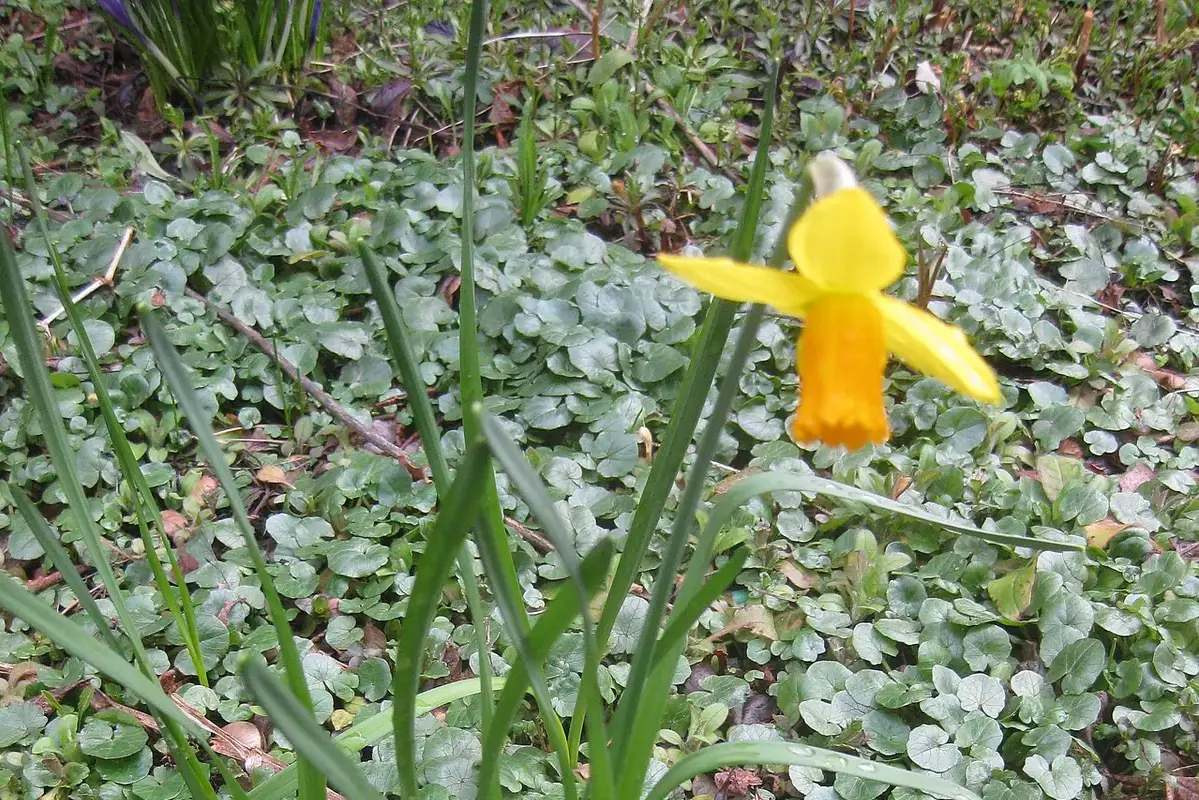
Handle the special case of a daffodil recut after separate conditioning without carrying old sap-rich water into a mixed arrangement.
Use translucent tissue, cold damage distribution and a recovery observation to separate freeze injury from ordinary dehydration.
Respond to dye transfer as a containment and display problem without scrubbing pigment into live petals or fabrics.
Check temperature, airflow, fruit, space and household hygiene before treating a kitchen refrigerator as flower storage.
Move flowers from an event venue back into a home vase by separating heat, mechanics, transport and hydration decisions.
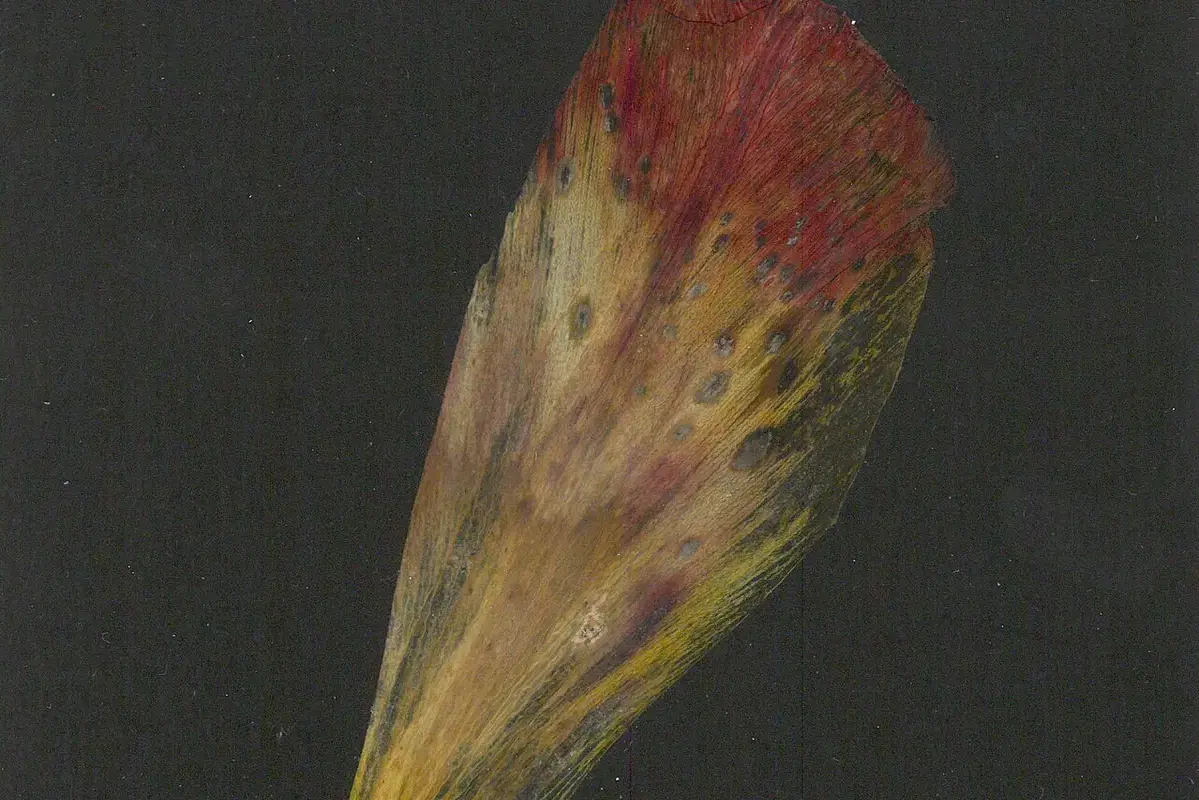
Treat yellowing resin as a material and light problem: start with completely dry flowers, compatible resin and protected storage.
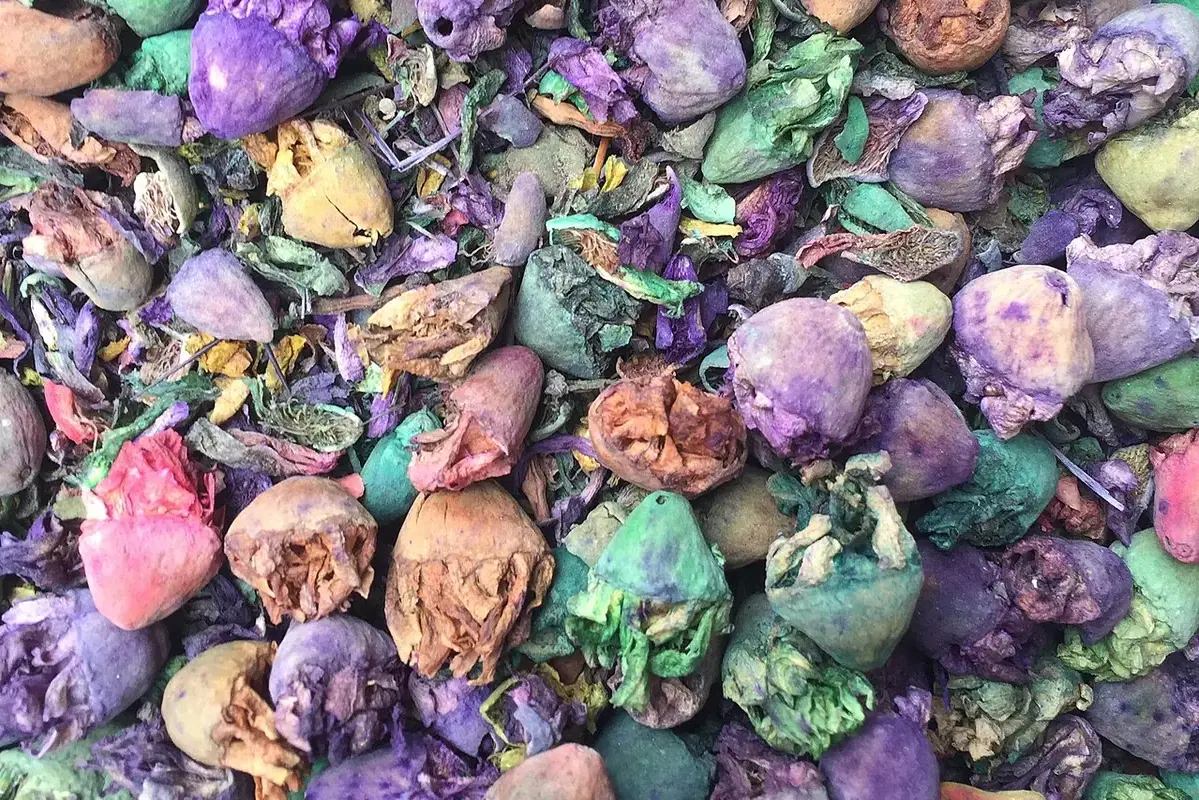
Keep decorative dried flowers out of food by checking identity, treatment, contamination and the difference between edible herbs and craft material.
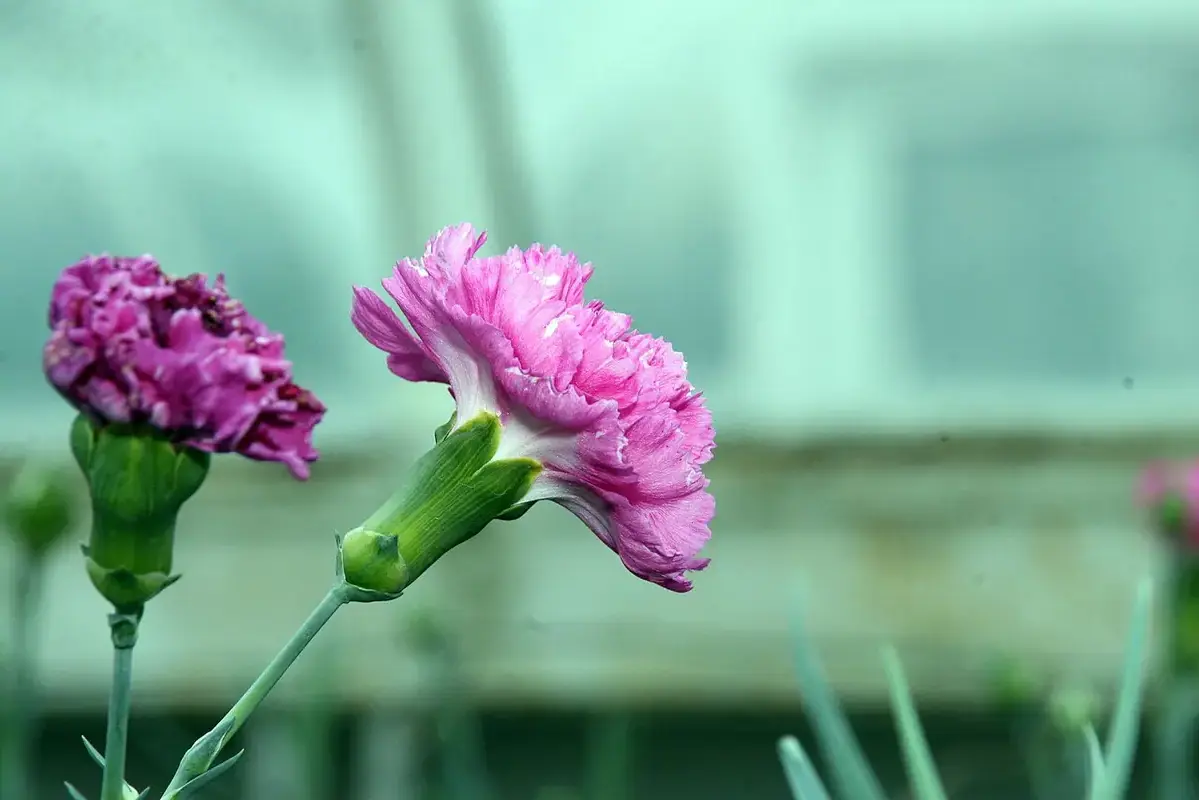
Handle artificially coloured stems as a surface-risk bouquet: keep dye off petals, waterlines, hands and pale companion flowers.
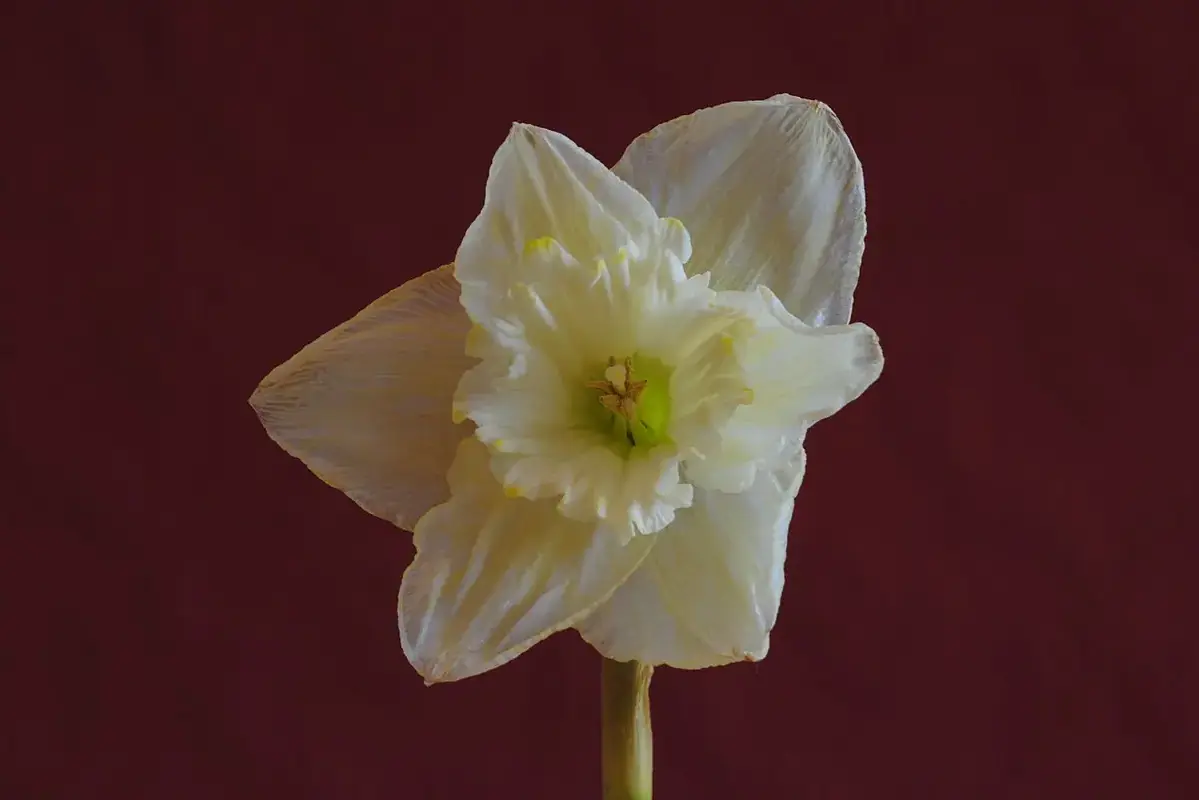
Prepare wearable wedding flowers and vase flowers on separate care tracks so pinning, wiring and hydration do not conflict.
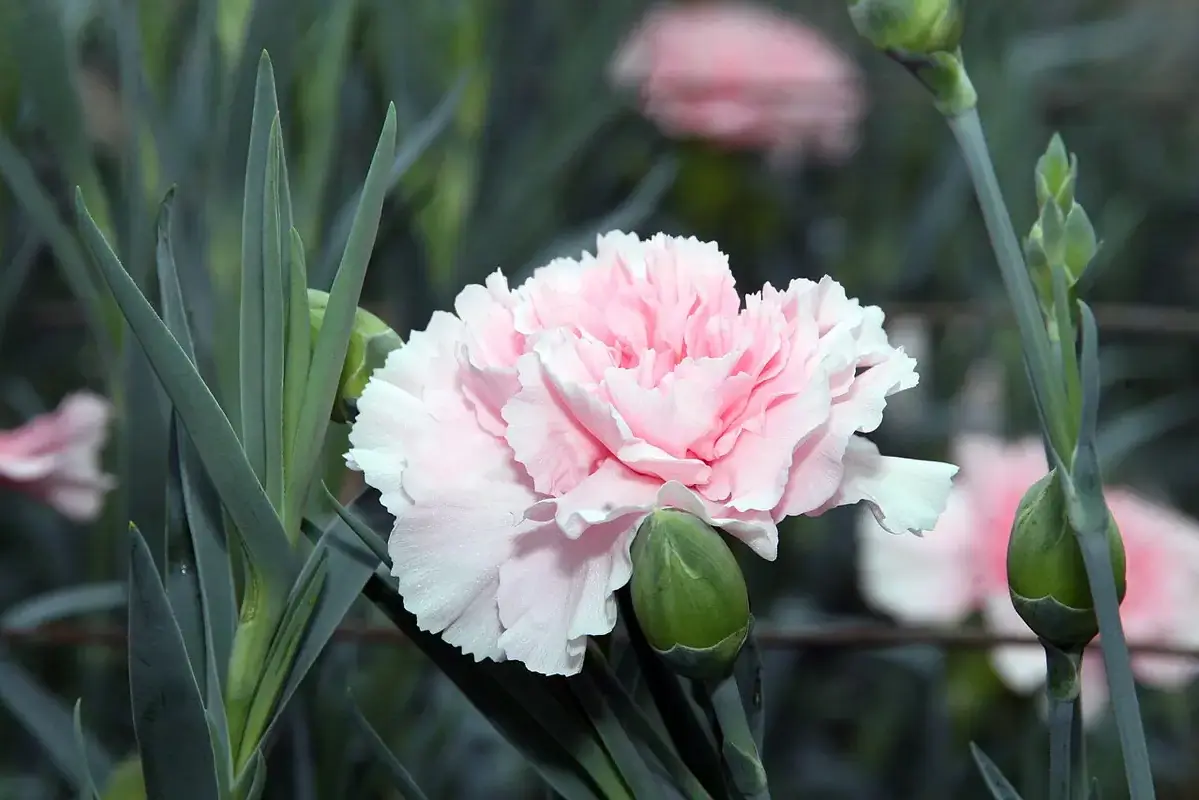
Sort popular vase-water additions into labelled flower food, unsupported home remedies and avoidable contamination risks.
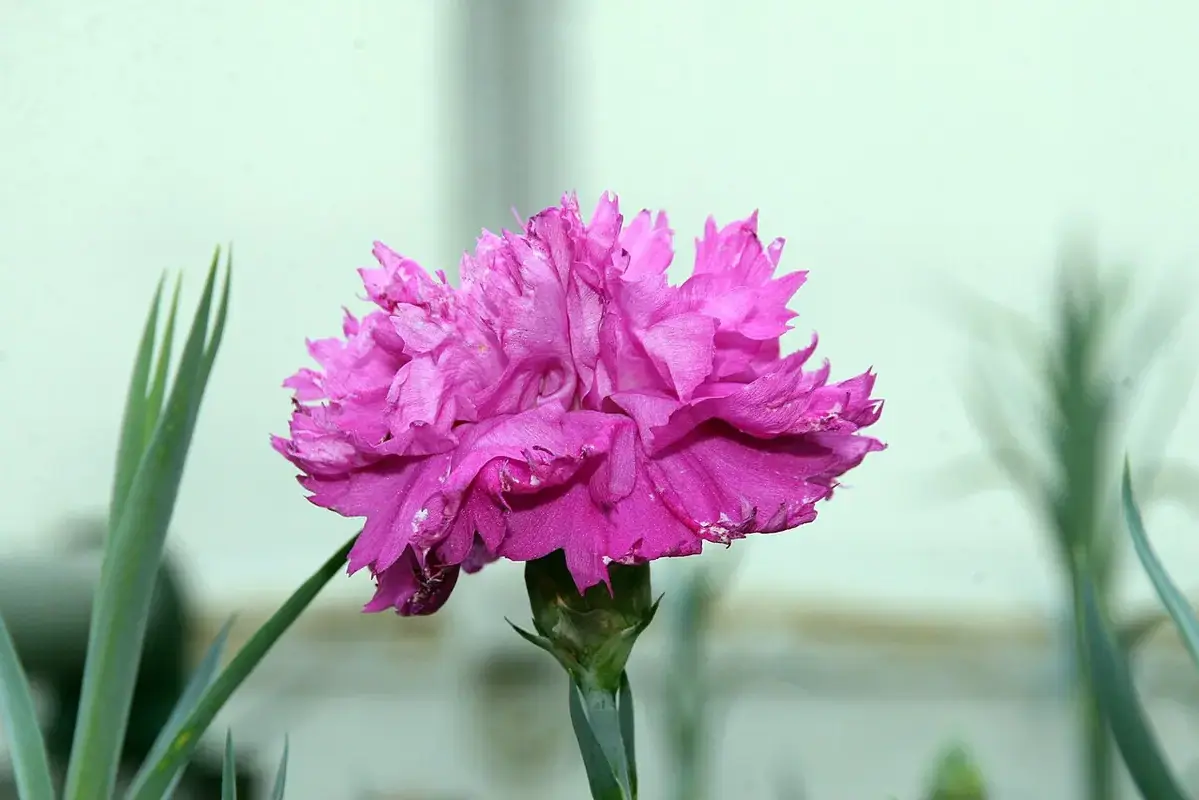
Wash a flower vase safely by choosing one labelled cleaner, rinsing completely and stopping before any chemical combination creates a gas risk.
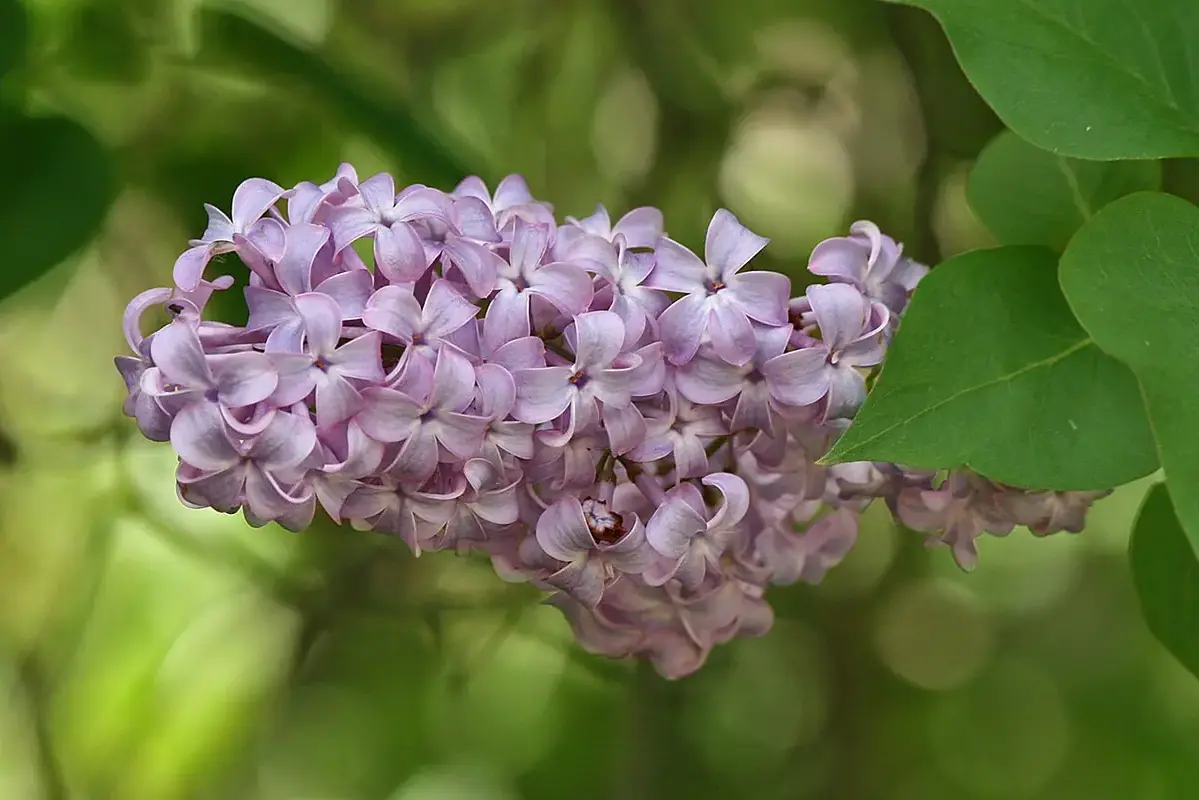
Give lilac branches a clean woody-stem preparation and supportive vase without relying on split or hammered bases.
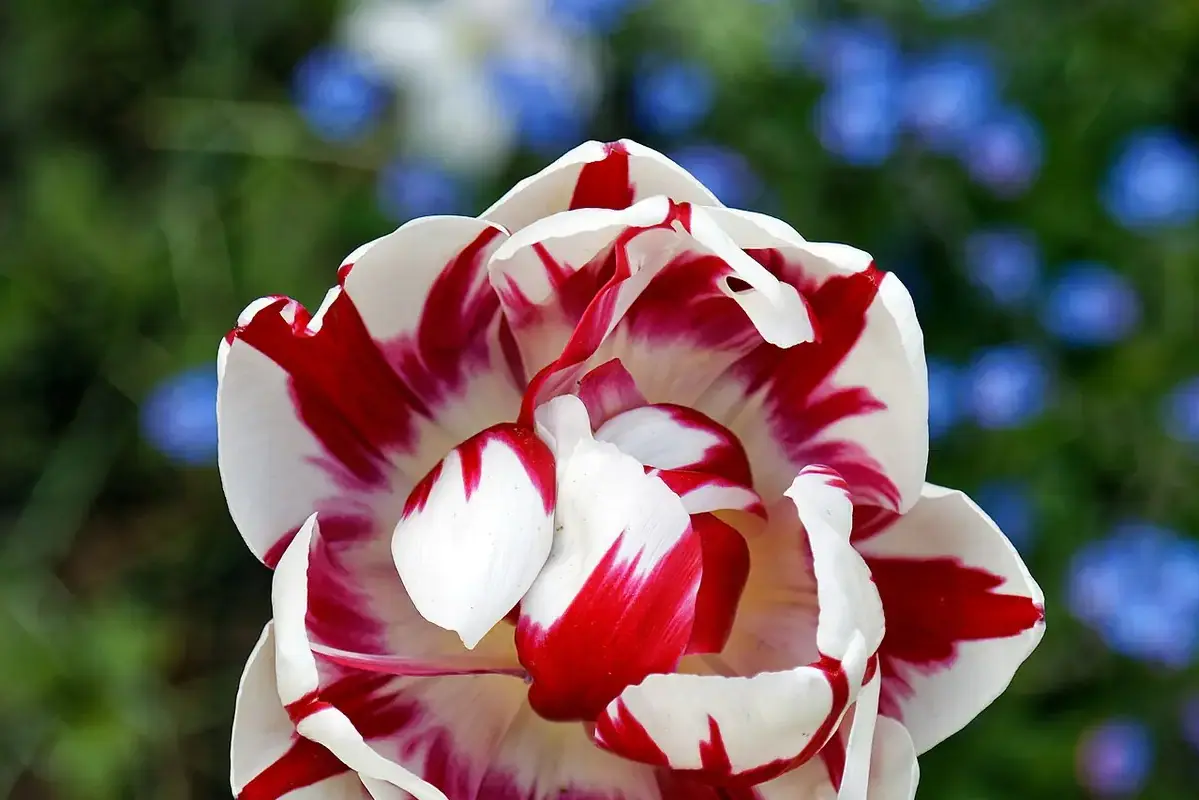
Plan successive tulip adjustments as stems elongate so the bouquet remains balanced without repeatedly making destructive cuts.
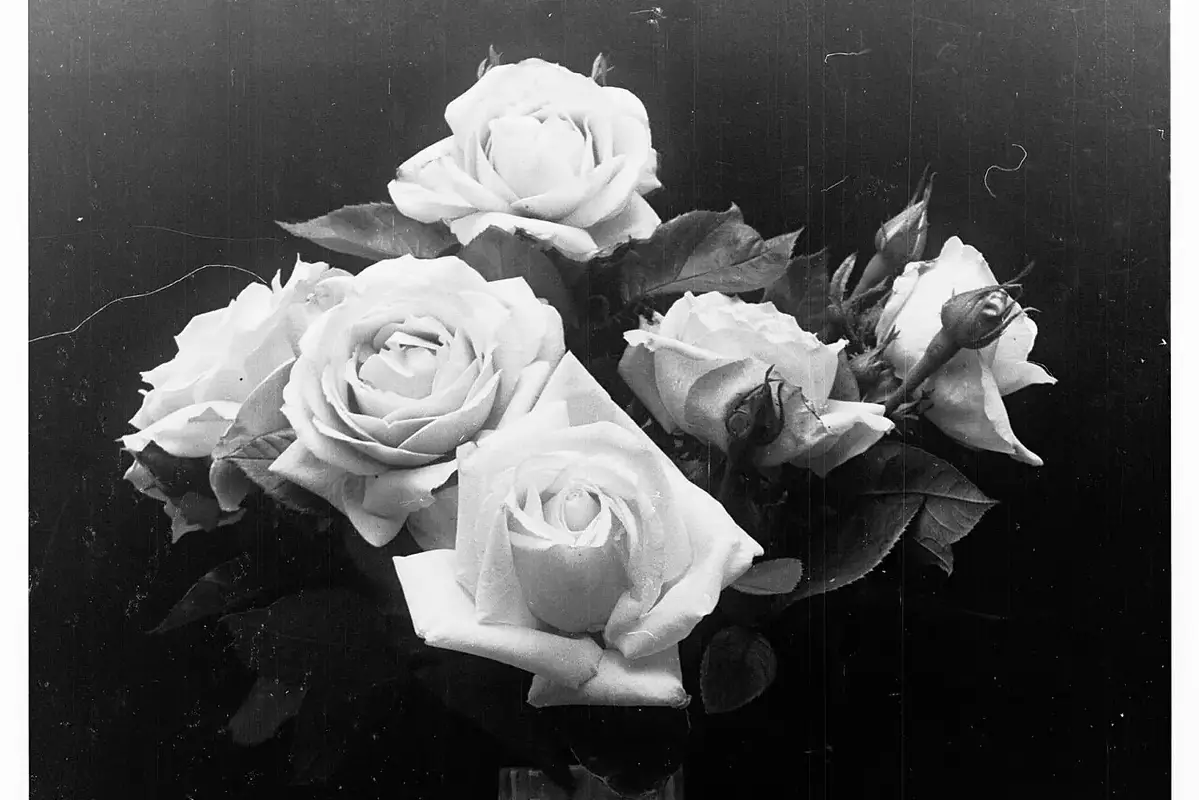
Distinguish a dry bruised outer rose petal from spreading damp gray growth before grooming the bloom or isolating it.
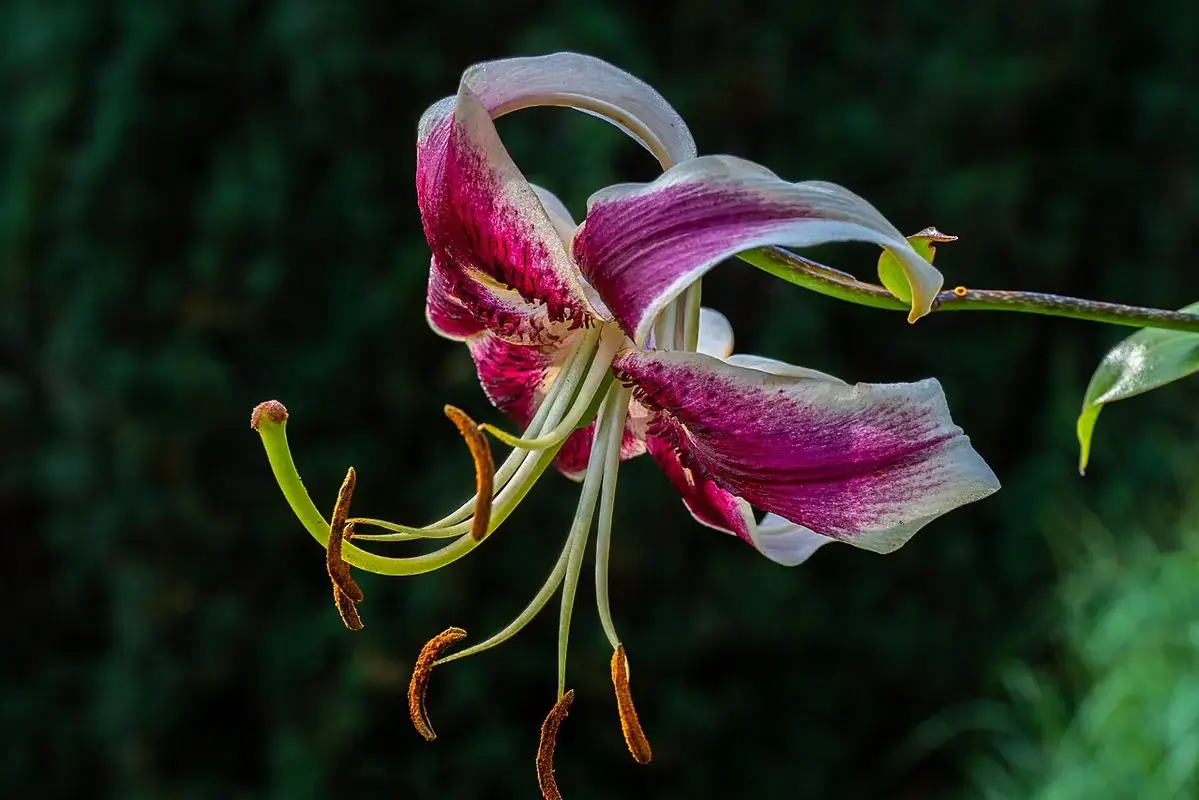
Compare repeated contact marks with normal folds, veins and varietal texture before cutting a perfectly sound flower.
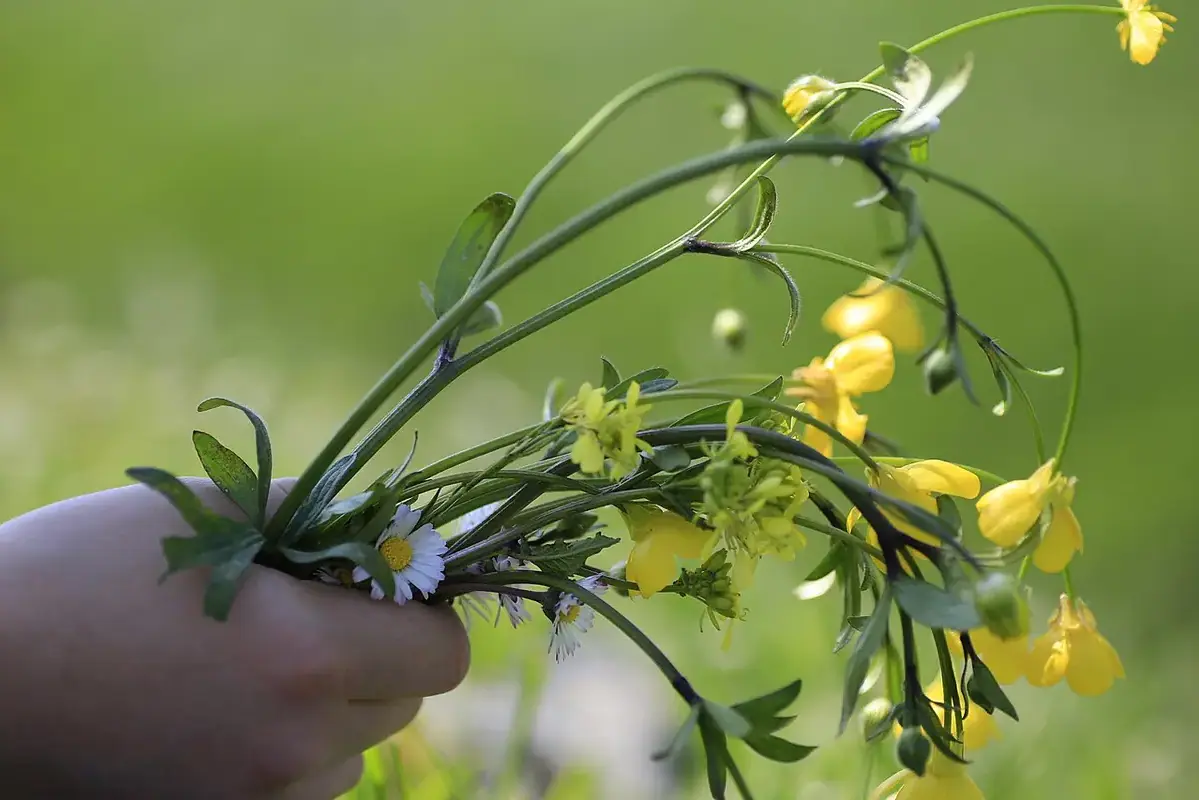
Choose a low-risk, low-contact flower display for children by prioritising stable vessels, non-irritant handling and clear supervision.
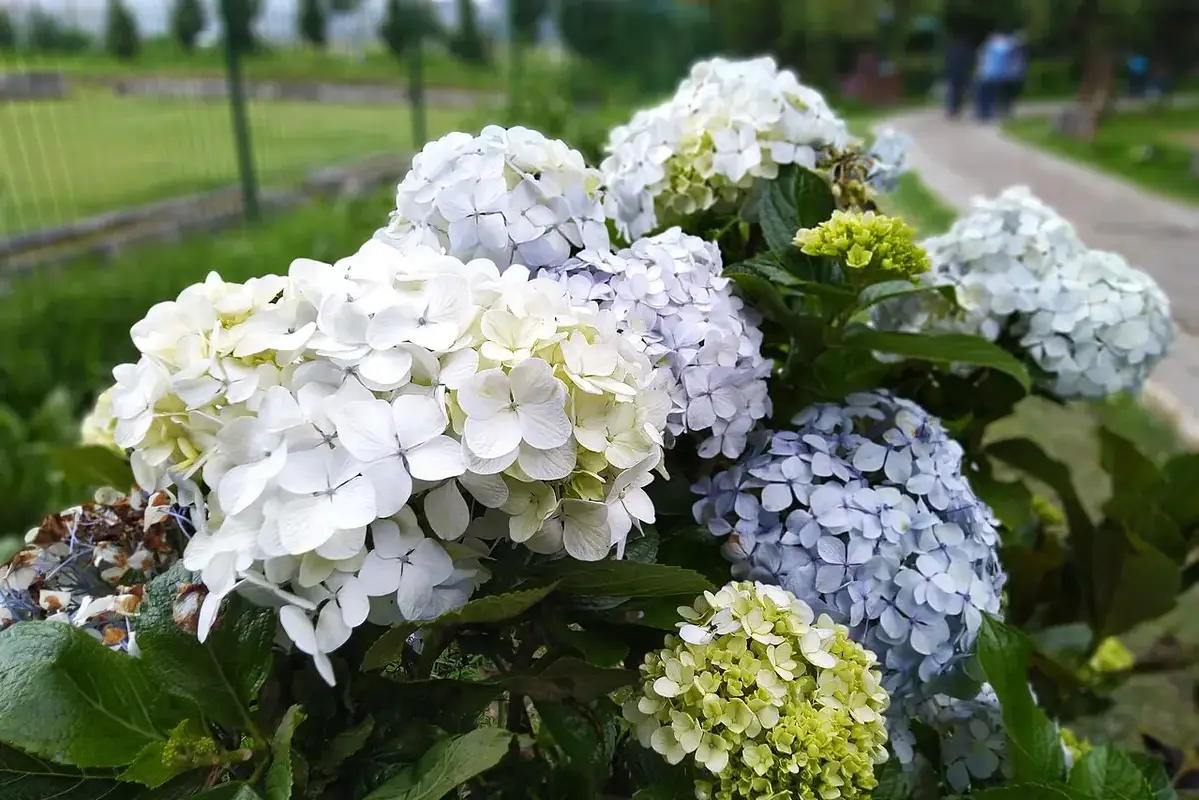
Reduce exposure in an allergy-sensitive home by choosing a contained location, controlling pollen and respecting individual medical advice.
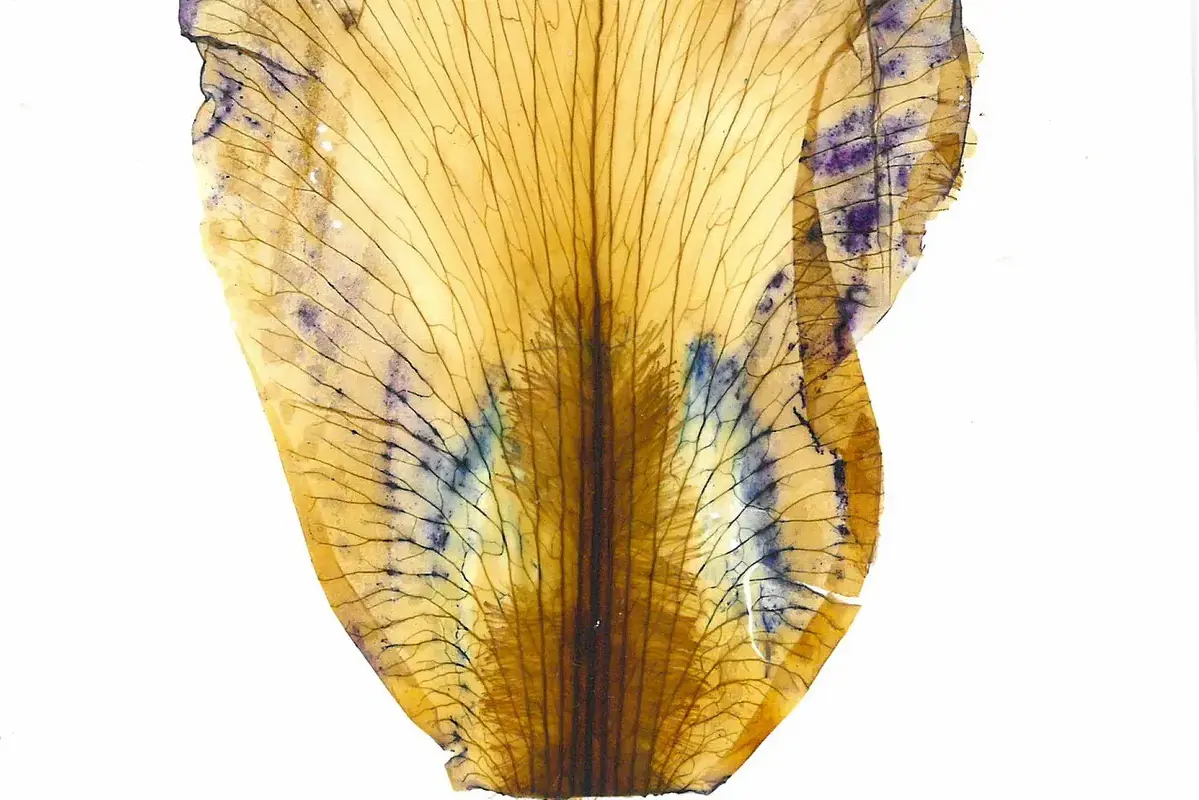
Choose a paper-compatible, reversible-looking craft adhesive by testing staining, moisture and pressure on a spare pressed flower.
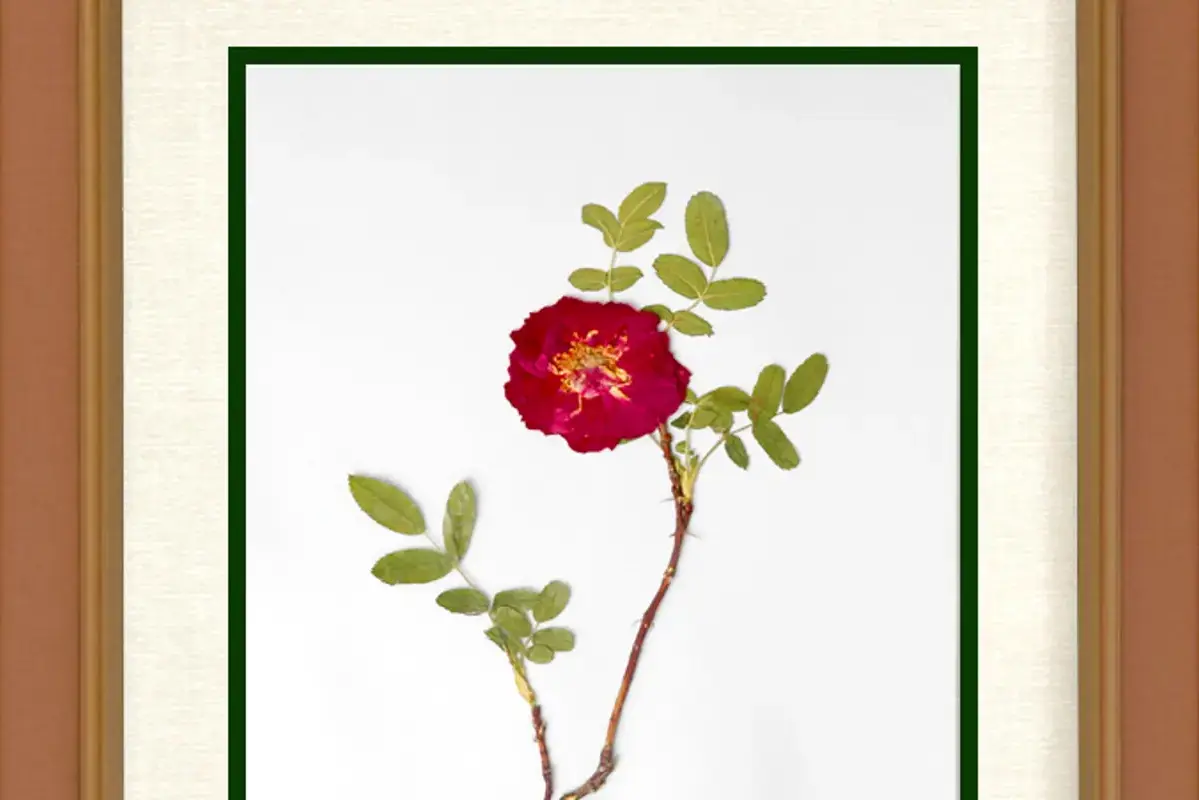
Create a useful digital record of pressed flowers with scale, colour reference, labels and a file naming system before storage or framing.
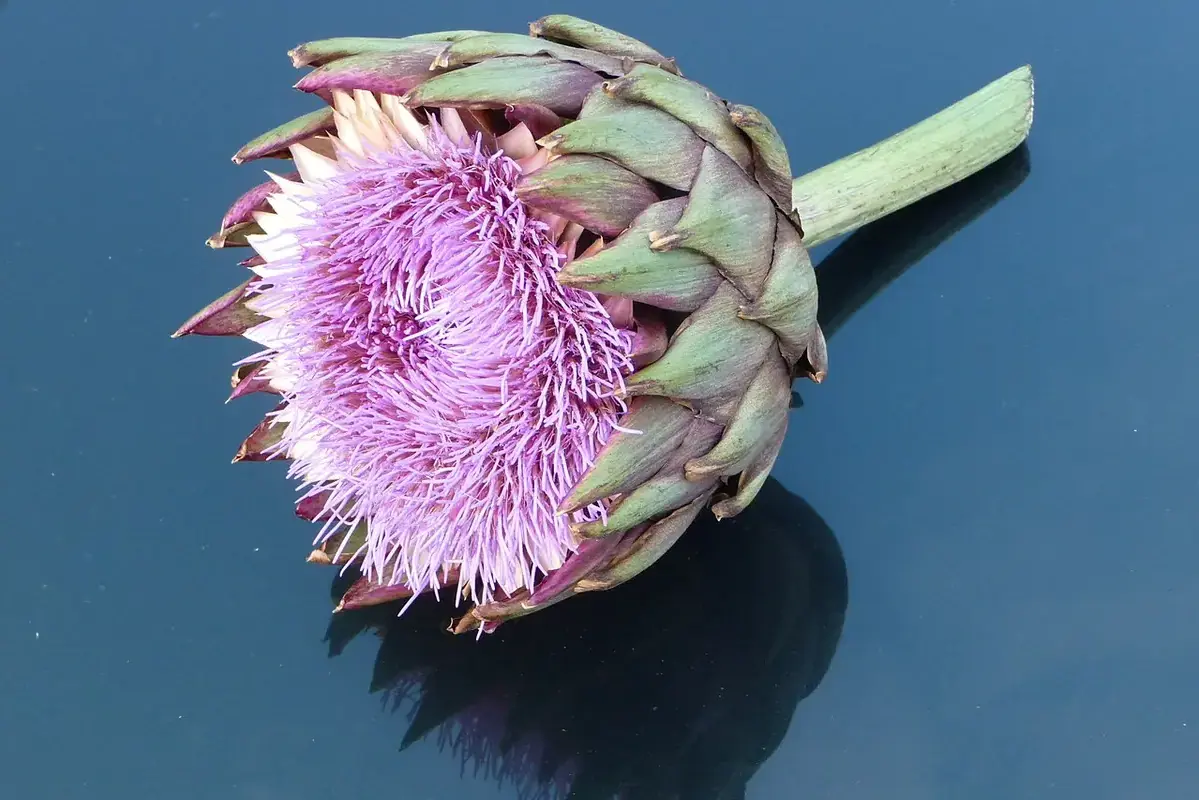
Rebuild two smaller arrangements after splitting a bouquet by giving each vessel its own support, focal flower and clear waterline.
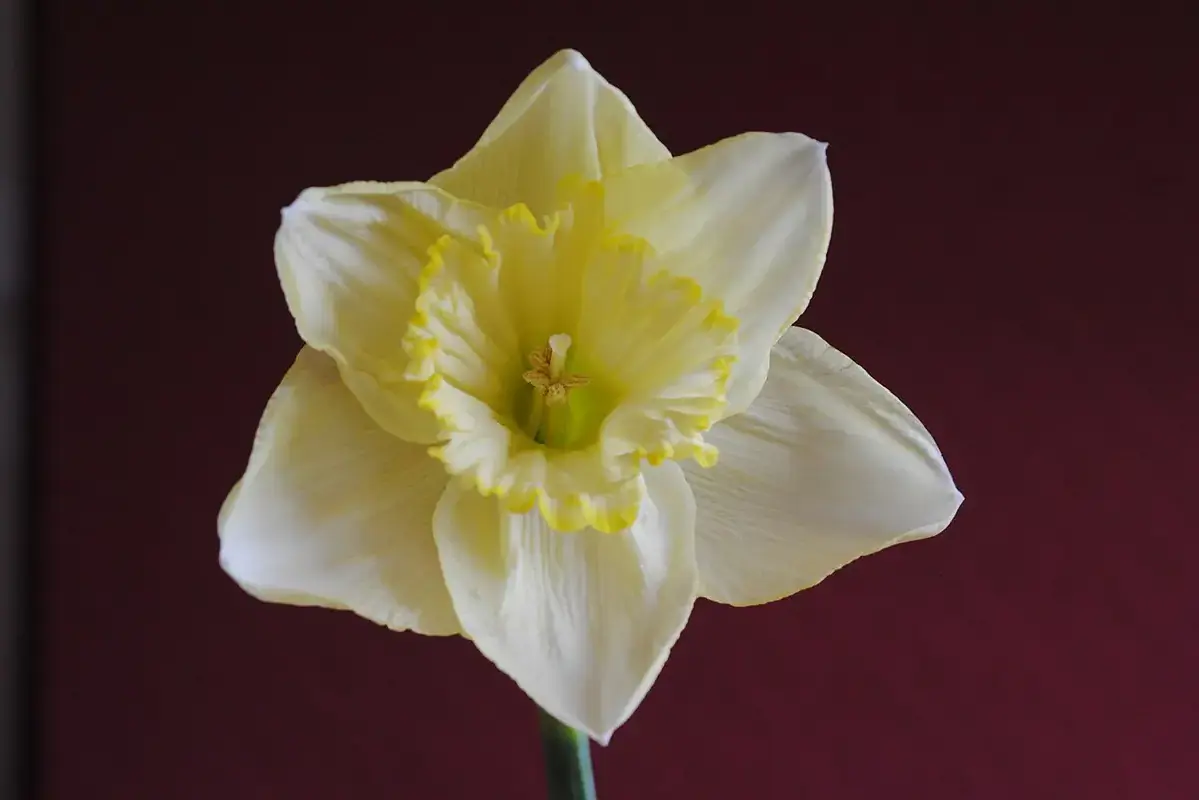
Divide a mixed bouquet by stem length, condition and vessel fit so both arrangements remain stable and easy to inspect.
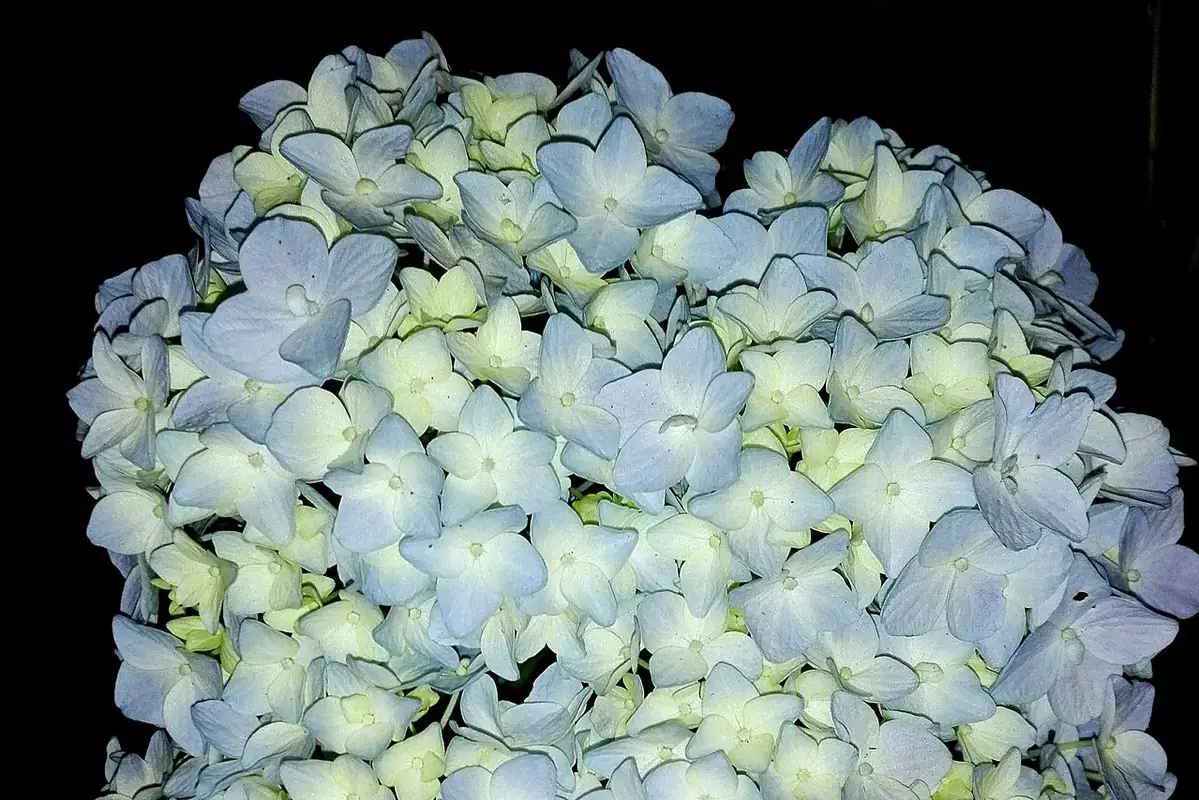
Check vase water temperature against the room and the flower condition so a refill is controlled rather than based on touch alone.
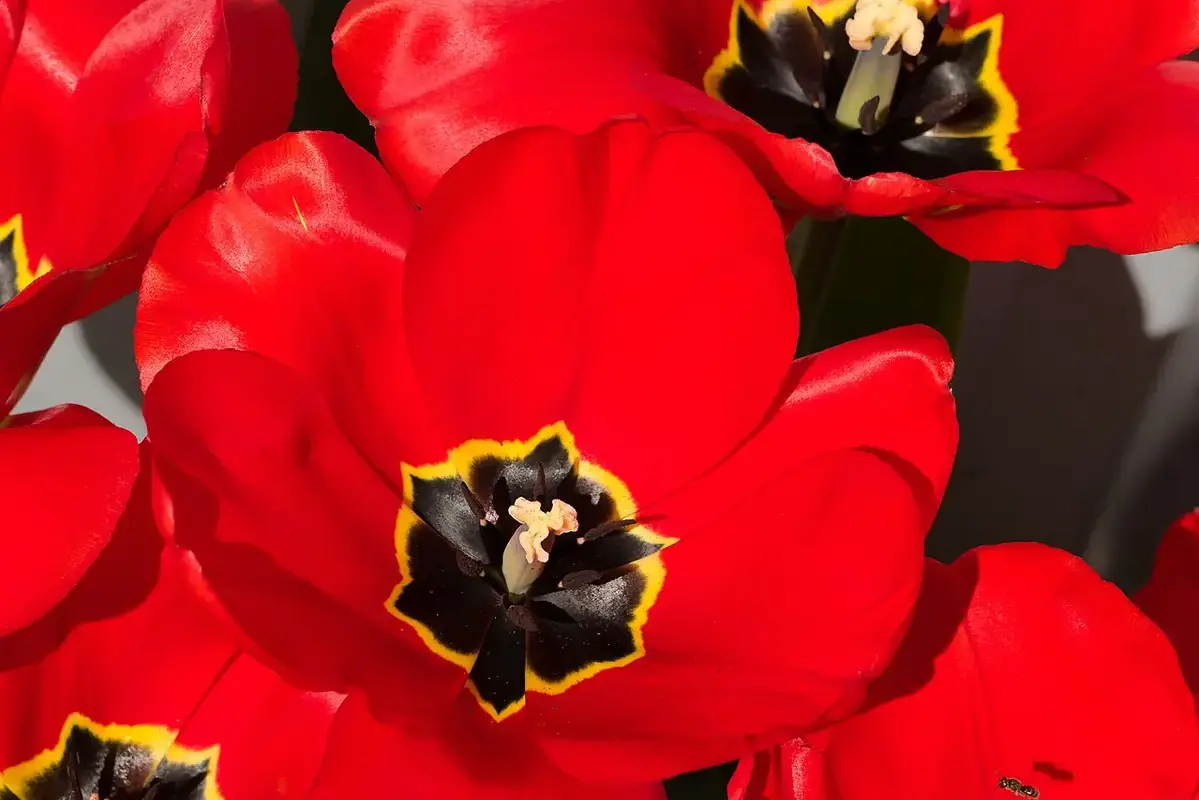
Choose a sensible starting water temperature by considering flower condition, room and handling event instead of using one rigid rule.
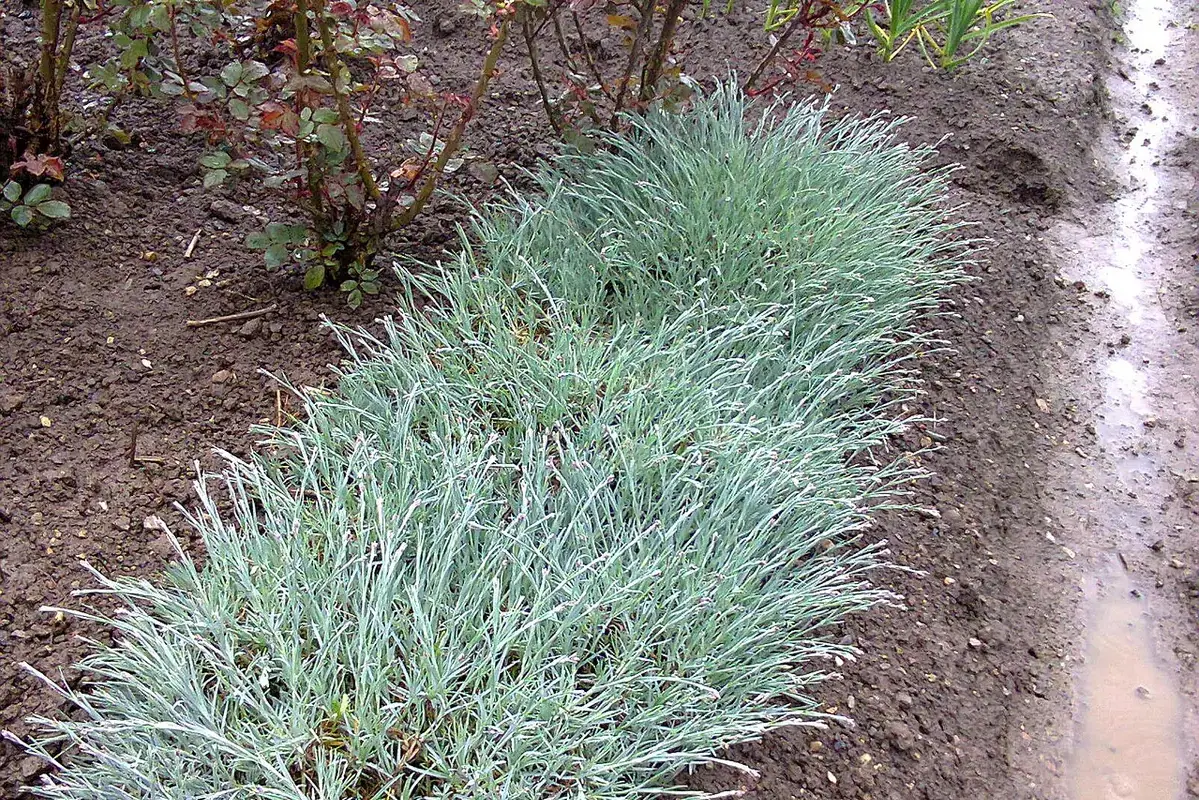
Keep cut carnations fresh with firm recuts, a clear waterline and enough space for frilled flower heads to stay dry.
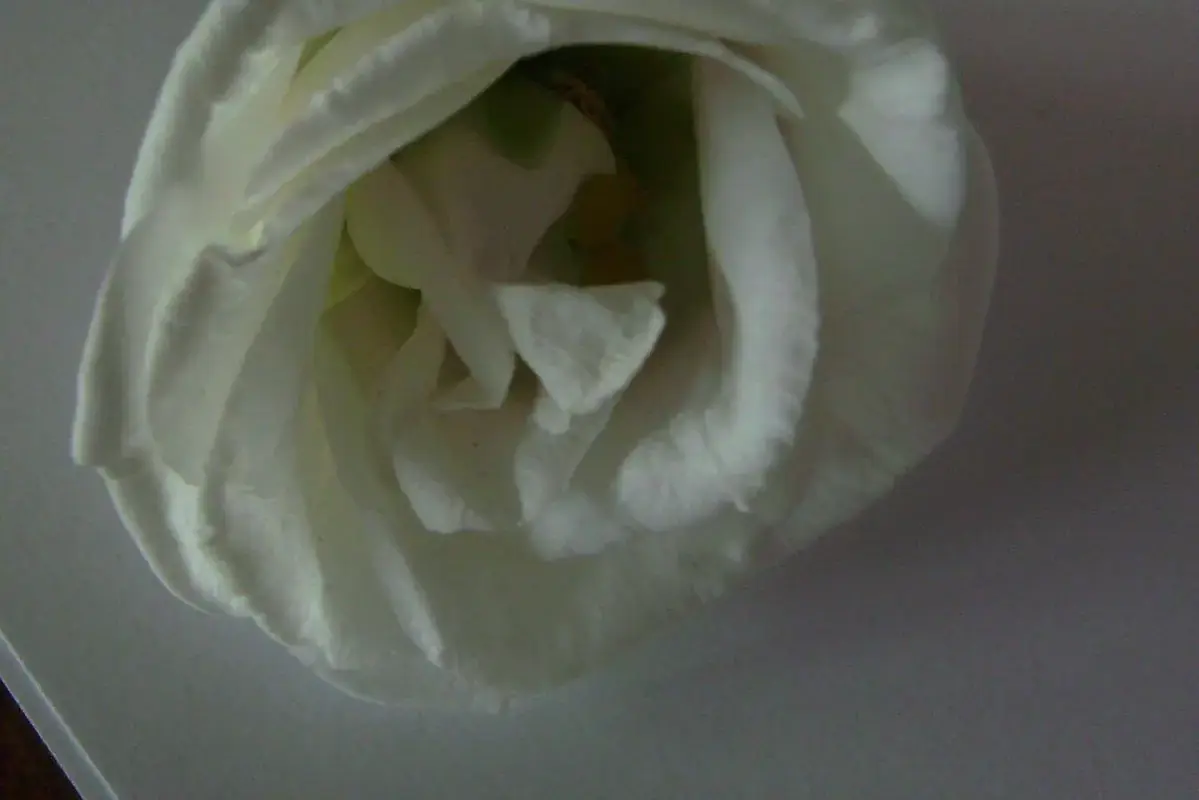
Support cut lisianthus by protecting open petals, preserving developing buds and keeping branching stems clear of the waterline.
Check the cut surface, stem base, water quality and room conditions when a bouquet suddenly stops lowering the waterline.
Use light, airflow, stem position and waterline clues to separate a local exposure problem from a failing stem.
Check drafts, bumps, temperature changes and wet footwear before placing a flower vase near an entryway.
Prioritise stable placement, clean water and temperature awareness when a power outage changes room airflow and lighting.
Reduce browning in pressed flowers by choosing sound material, managing moisture and changing absorbent paper before damage spreads.
Pack dried flowers with rigid support, breathable separation and a short inspection plan so brittle heads survive a move.
Give the next caregiver a usable water measure, product label and release instructions rather than a vague request to keep flowers fresh.
Find the true cut end before transferring a tubed flower into a vase, and keep short stems on a separately maintainable water supply.

Resolve mixed sachets by choosing one complete labelled formulation instead of guessing a combined dose from packet size or brand.
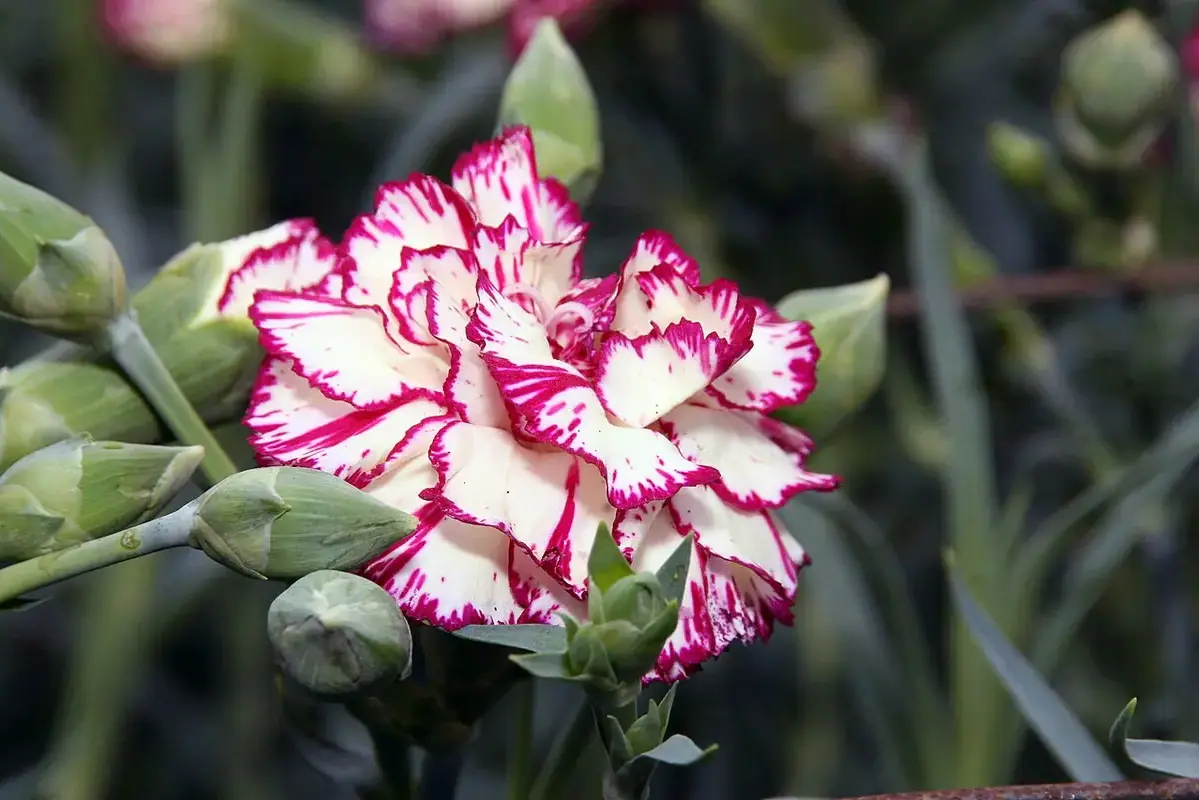
Retrieve a fallen sachet without forcing stems apart, then distinguish an intact wrapper from escaped powder or shed paper before deciding on a water reset.
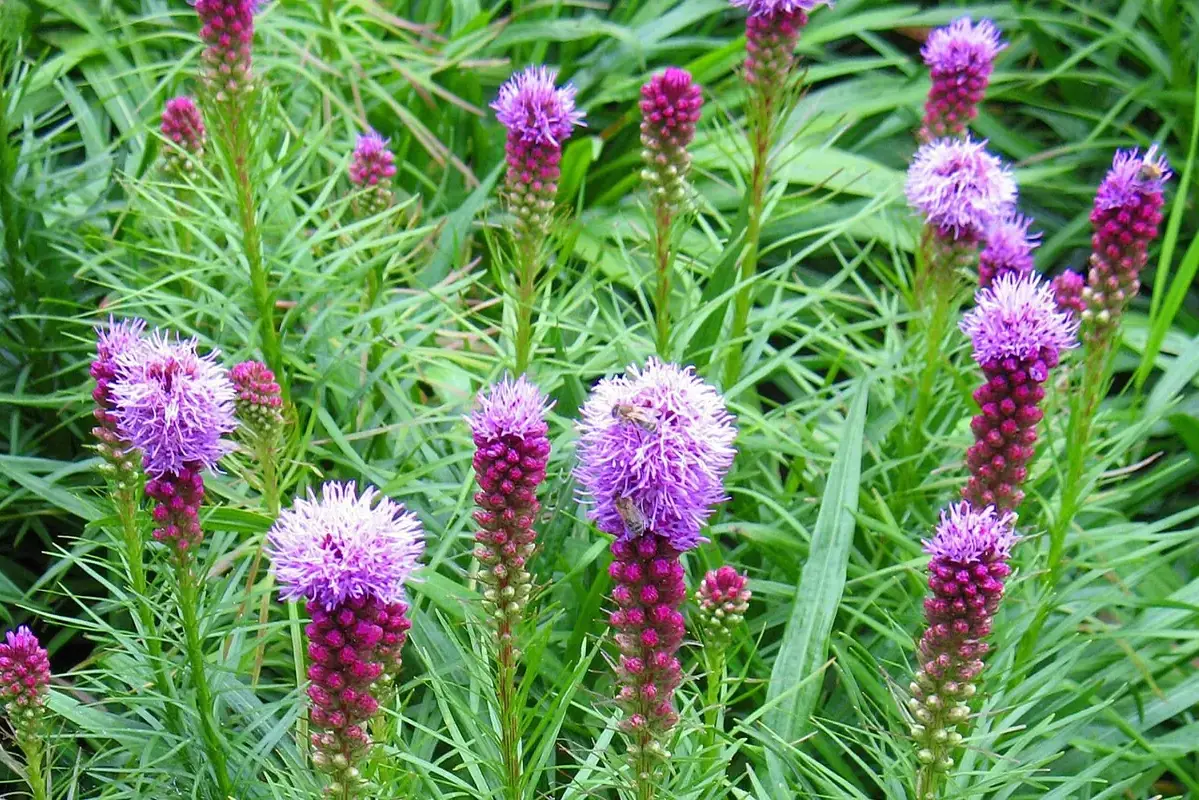
Read a liatris spike from its older upper florets toward its younger lower ones before deciding where to remove spent material.
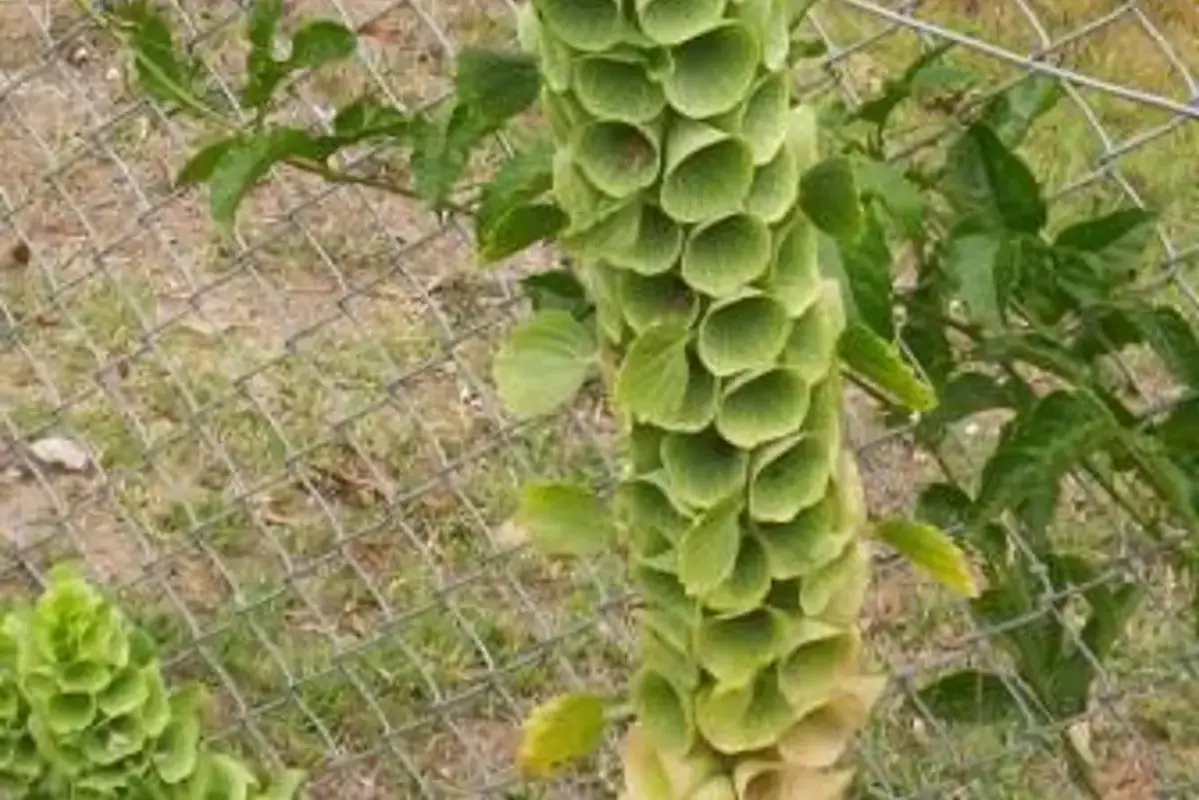
Identify the green calyces of Moluccella laevis and preserve their display value without prying them apart or hiding lower bells in water.
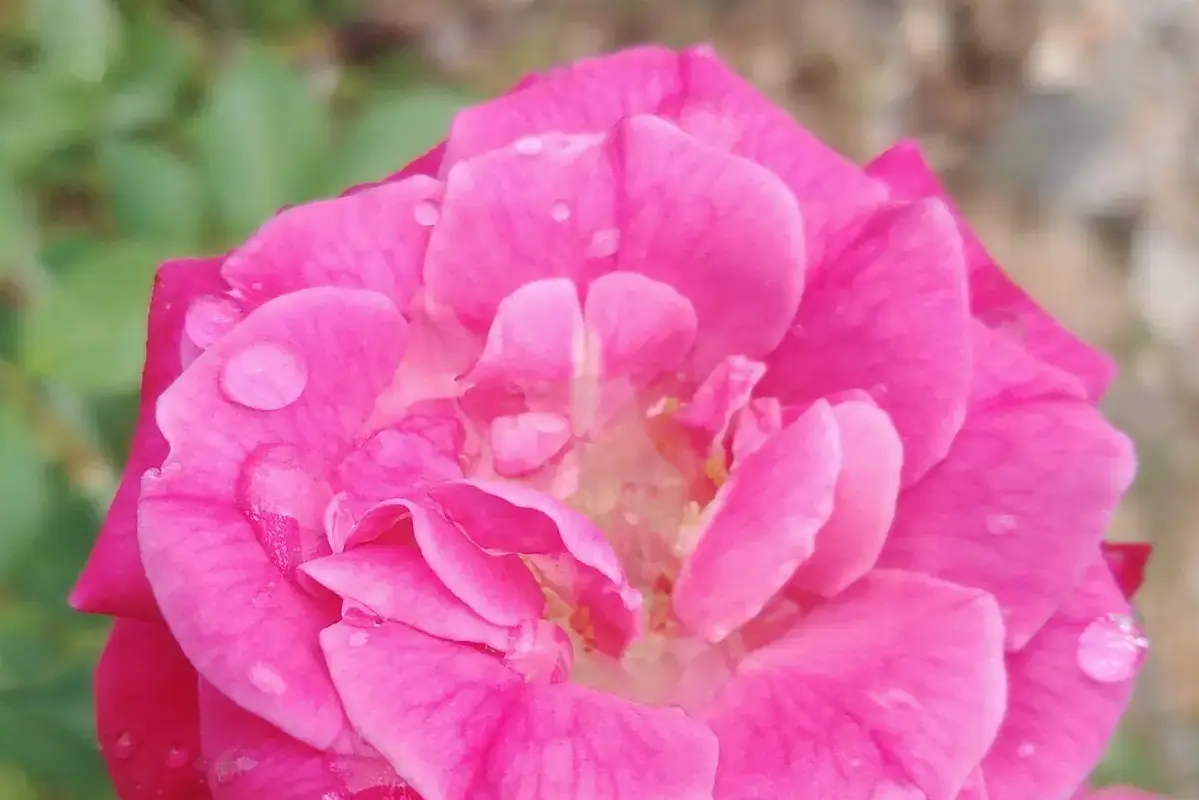
Distinguish old petal scars from active thrips, inspect over white paper and protect nearby houseplants without spraying a gift bouquet.
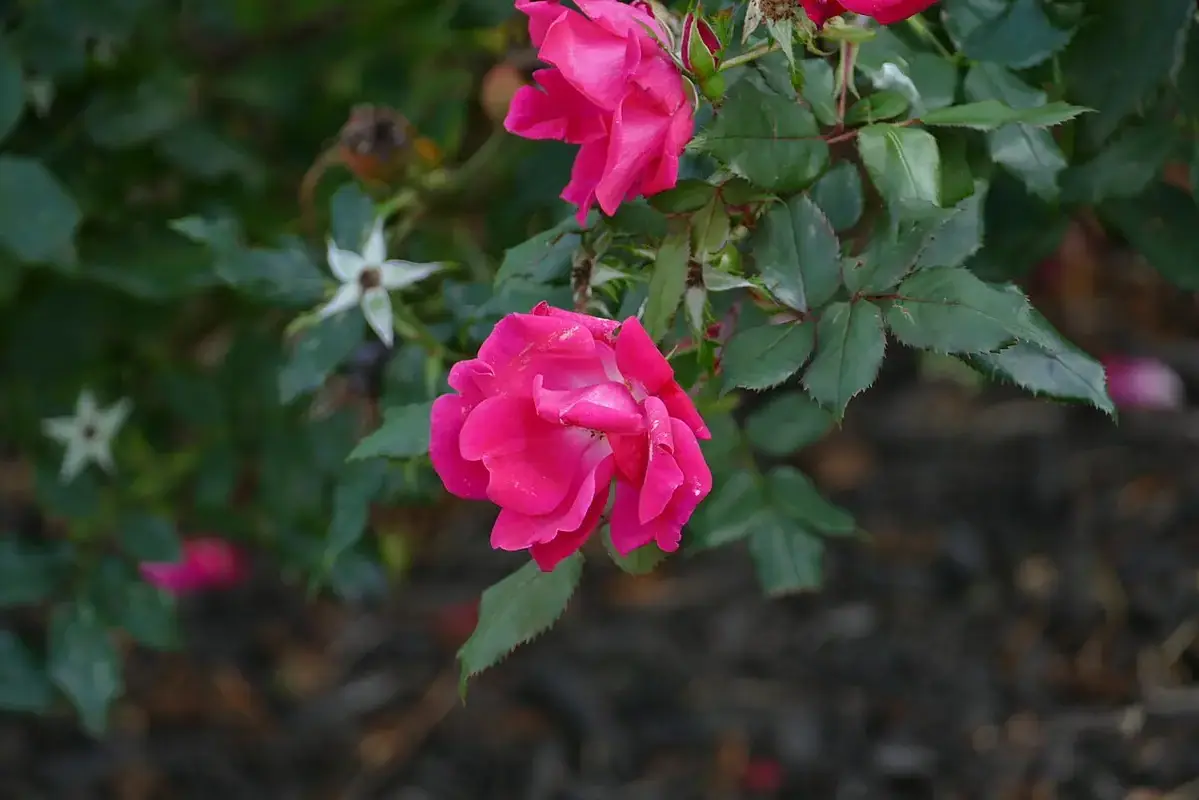
Trace sticky foliage to insects, nectar or spilled solution before choosing leaf removal, isolation or simple surface cleanup.
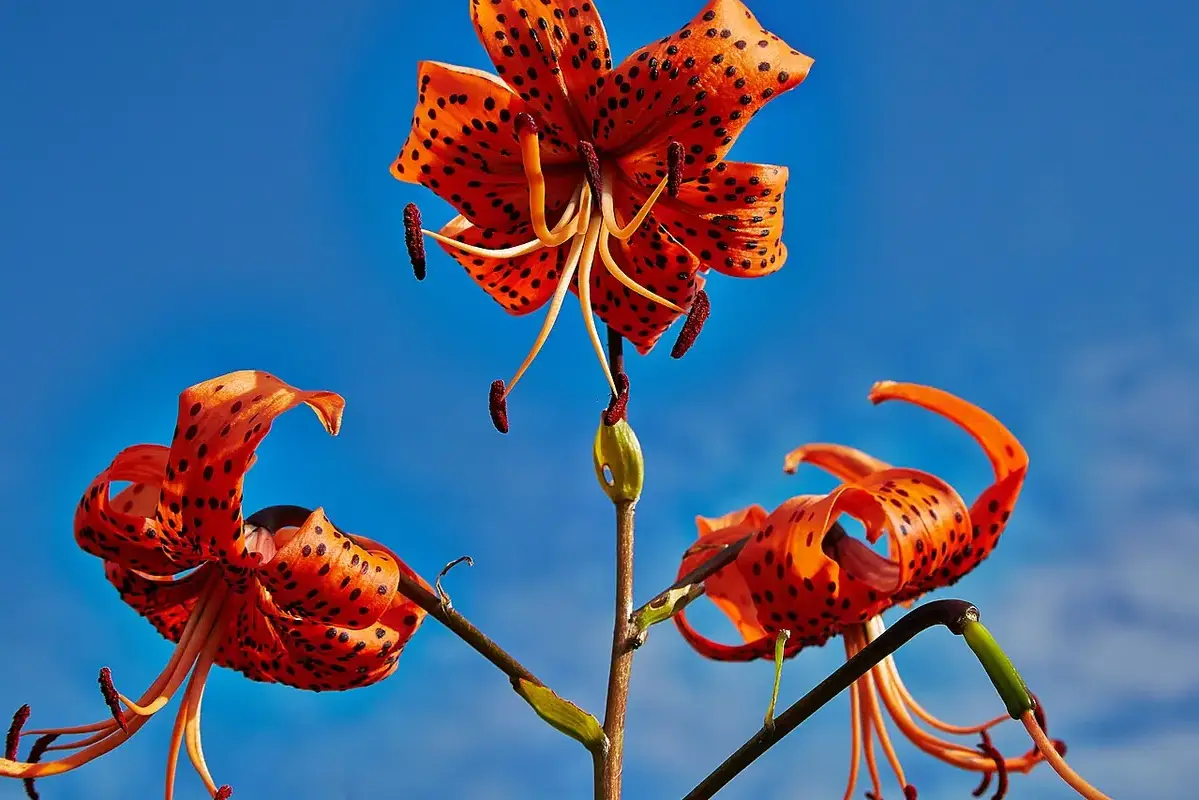
Exclude true lilies and daylilies from cat homes and respond urgently to possible exposure to petals, pollen or vase water.
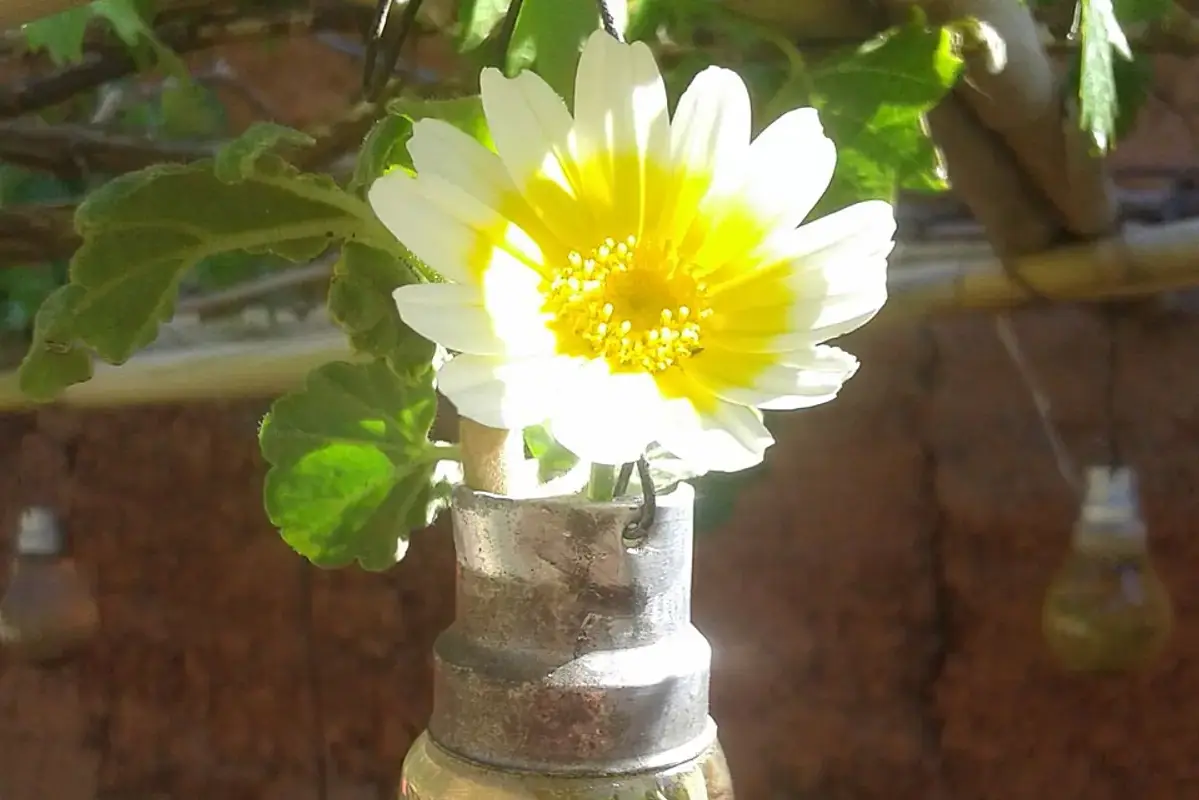
Ask the receiving unit about flower restrictions, delivery arrangements and maintenance before ordering a hospital bouquet.
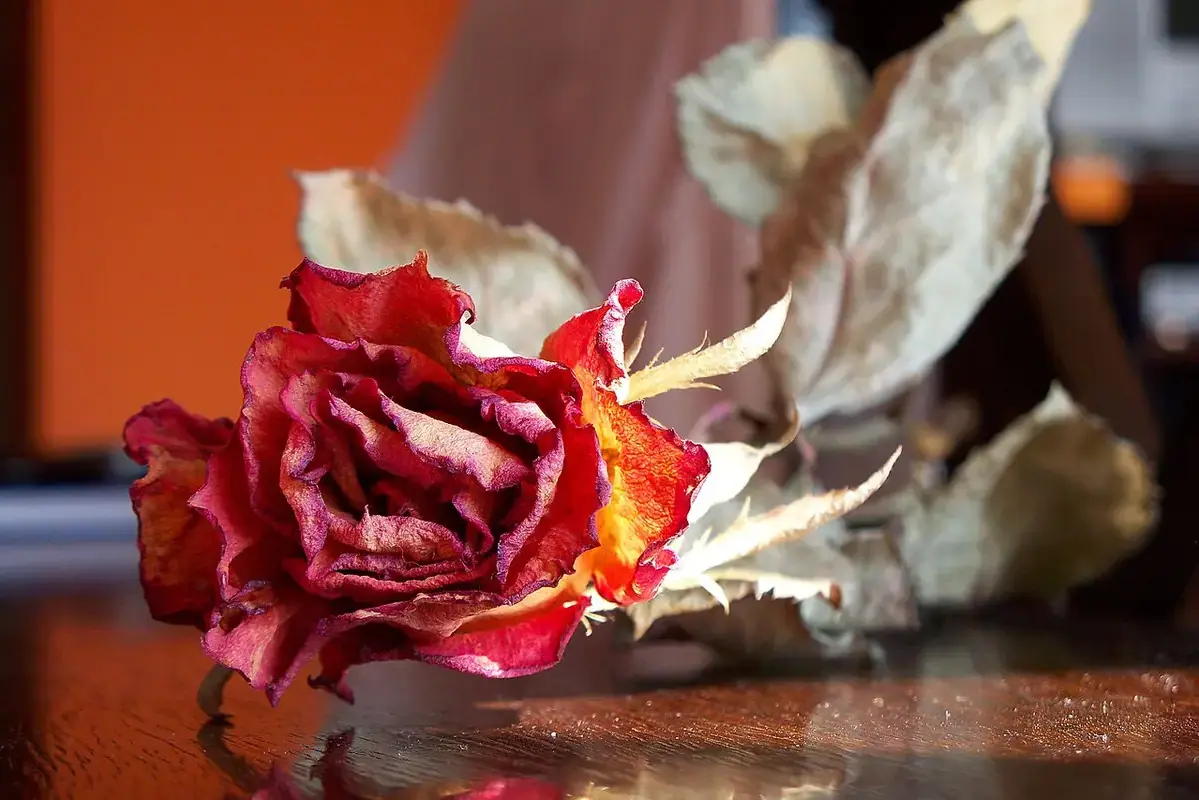
Compare preservation goals, flower condition and service terms before sending a sentimental bouquet for professional freeze-drying.
Find concealed pins, wires and wet wraps before dividing a keepsake bouquet into suitable preservation batches.
Support the crossing point of a hand-tied bouquet while releasing its tie, then transfer the spiral without forcing each stem straight.
Create a one-way preparation bench so packaging, trimmings and old holding water do not follow stems into finished gift bouquets.
Identify the intended treatment stage and formulation before putting a commercial flower-care product into a home display vase.

Use pH as a limited observation rather than a substitute for the labelled dilution of a multicomponent cut-flower preservative.
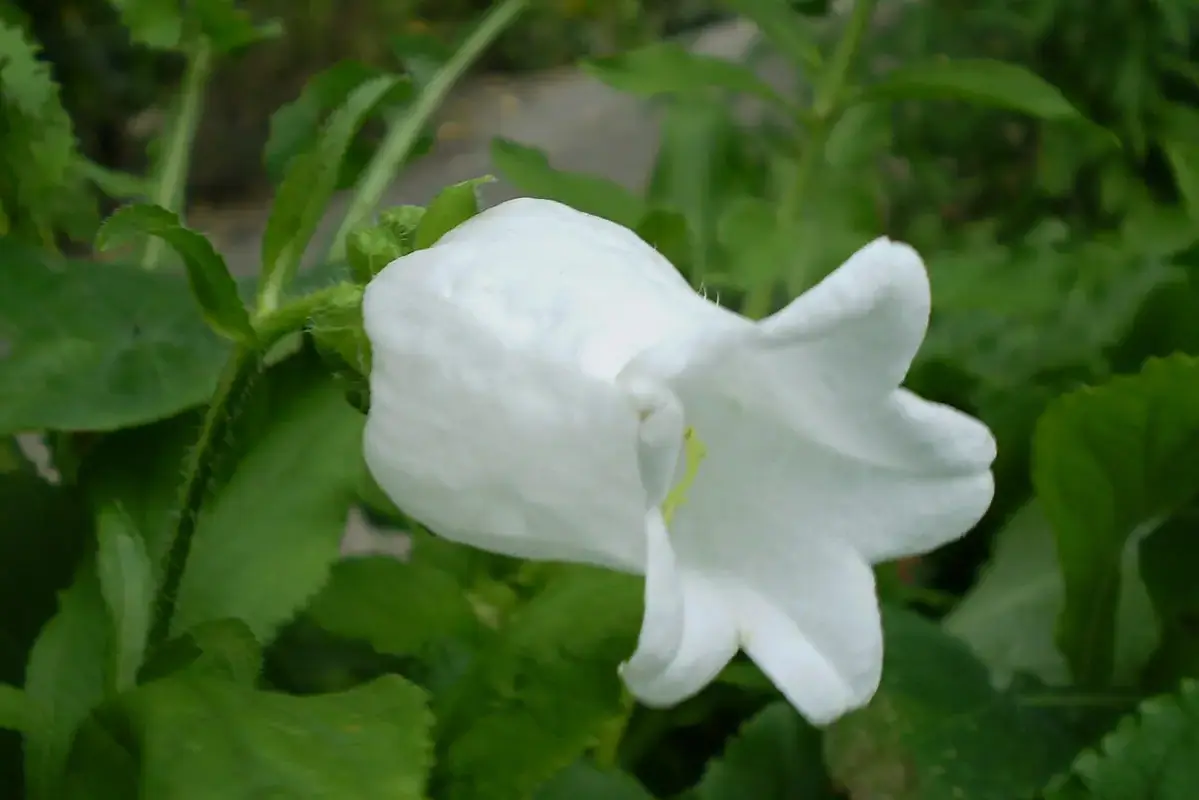
Compare individual bell angles with pedicel condition and whole-stem firmness before treating every sideways campanula flower as wilt.
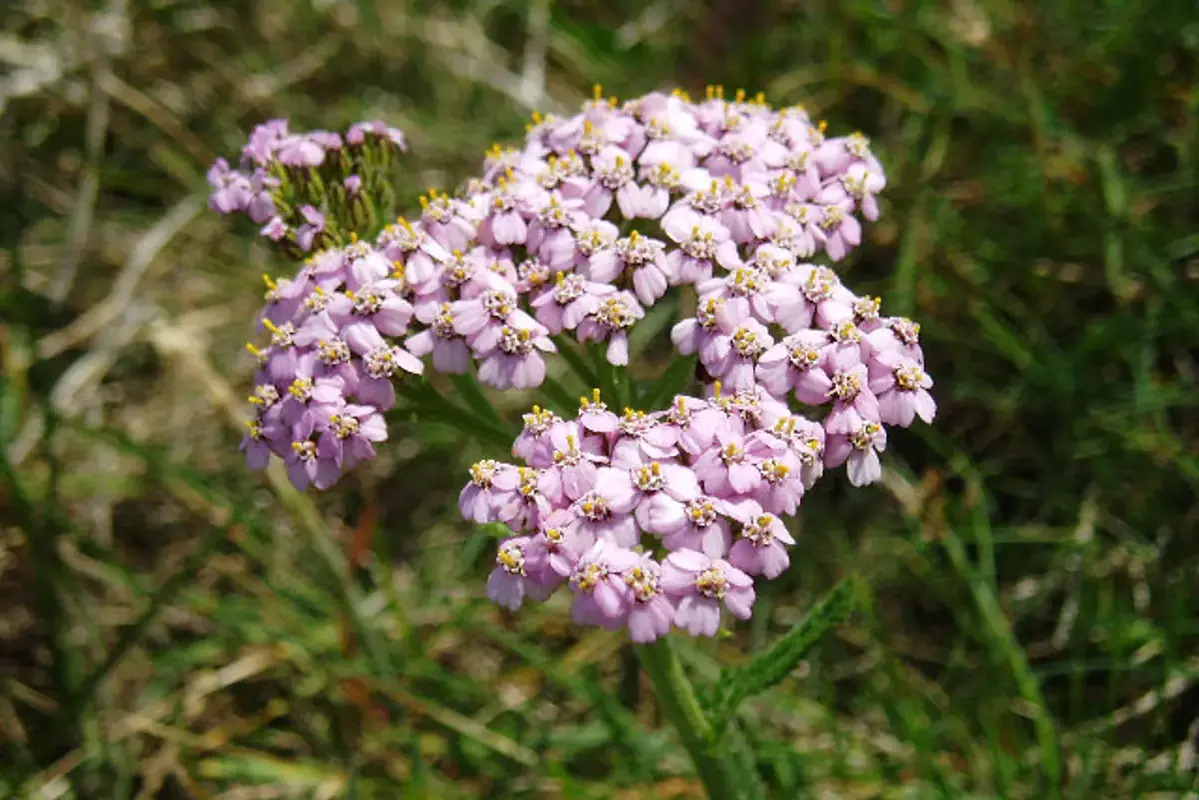
Follow the branching beneath a yarrow corymb to remove one spent section while retaining the rest of its flat-topped outline.
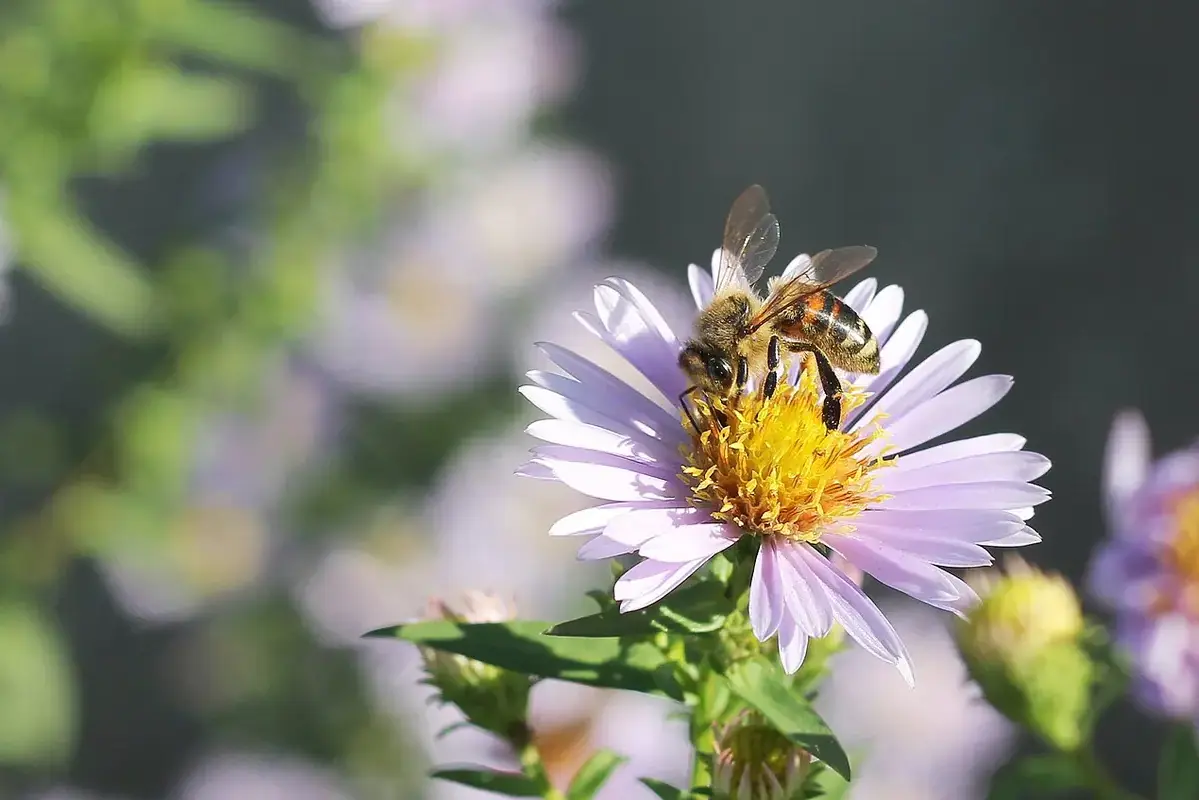
Inspect crawling flower visitors and use gentle tapping or a light-directed exit rather than insecticide on a cut bouquet.
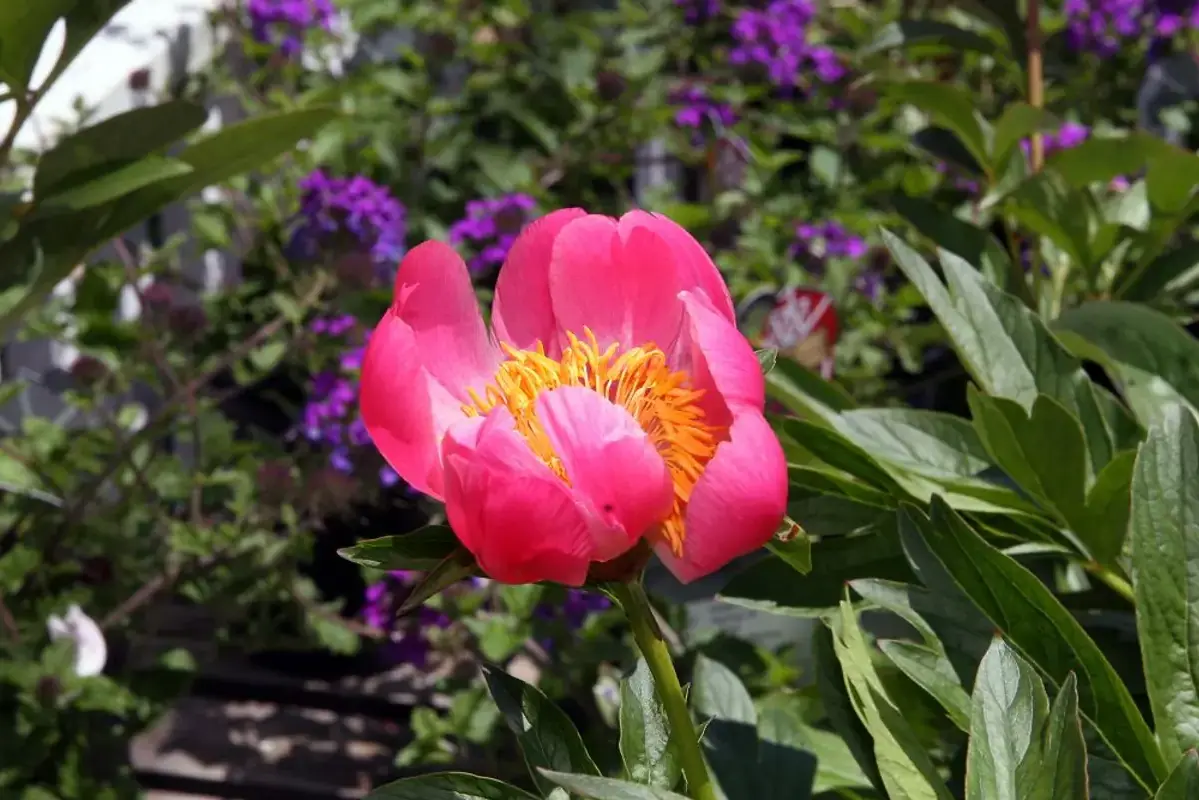
Separate peony nectar from an insect problem and remove hitchhiking ants without forcing buds or applying pesticides.
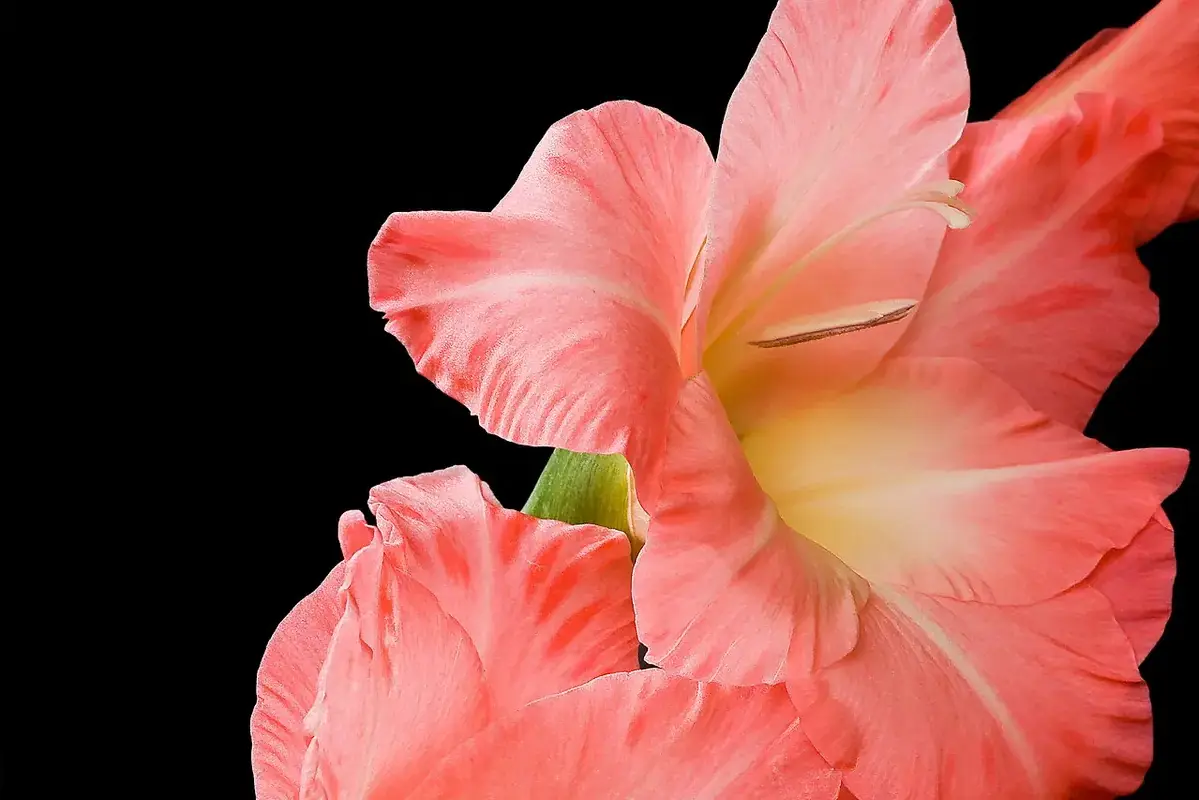
Separate ornamental bouquets from cakes and serving tools when species, pesticide history and decorative treatments are not food-verified.
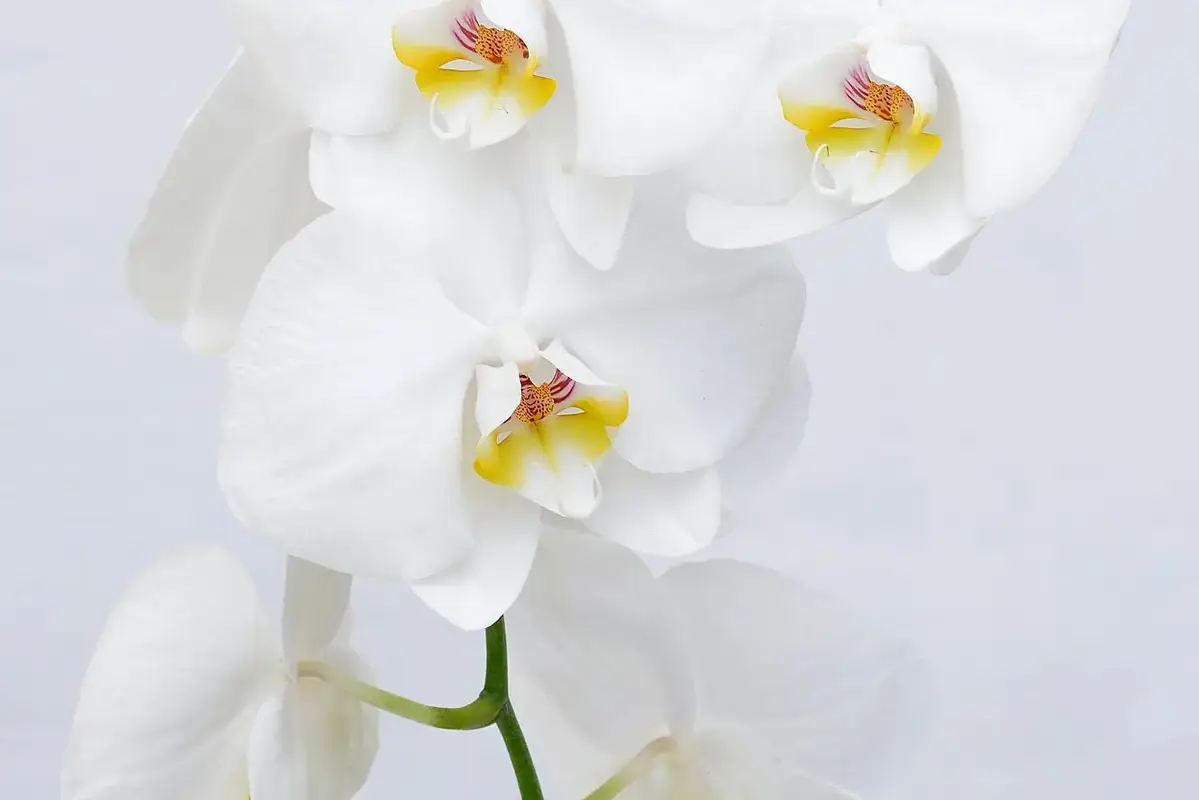
Read anthurium cold-storage results as cultivar-specific evidence, not a colour chart, and record compatible instructions for a mixed bouquet.
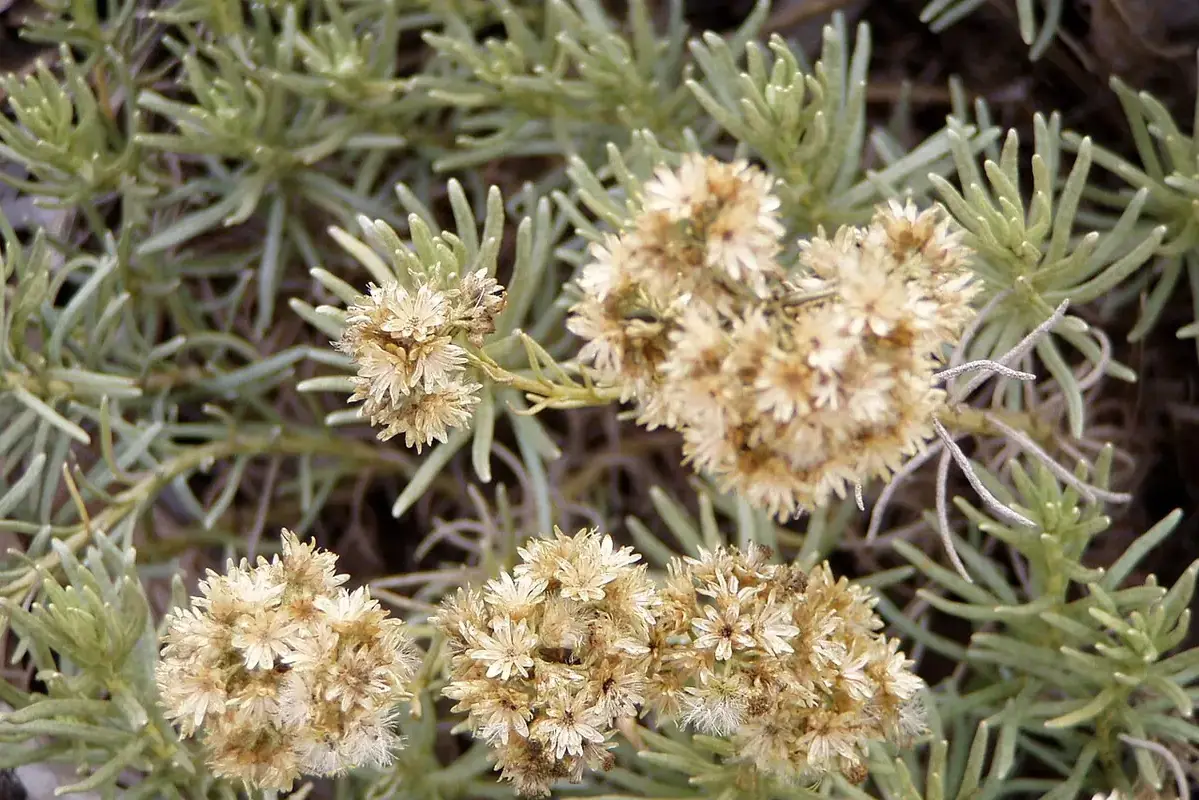
Choose a lid rule for the actual drying medium and method, rather than treating silica gel, borax mixtures and microwave work alike.
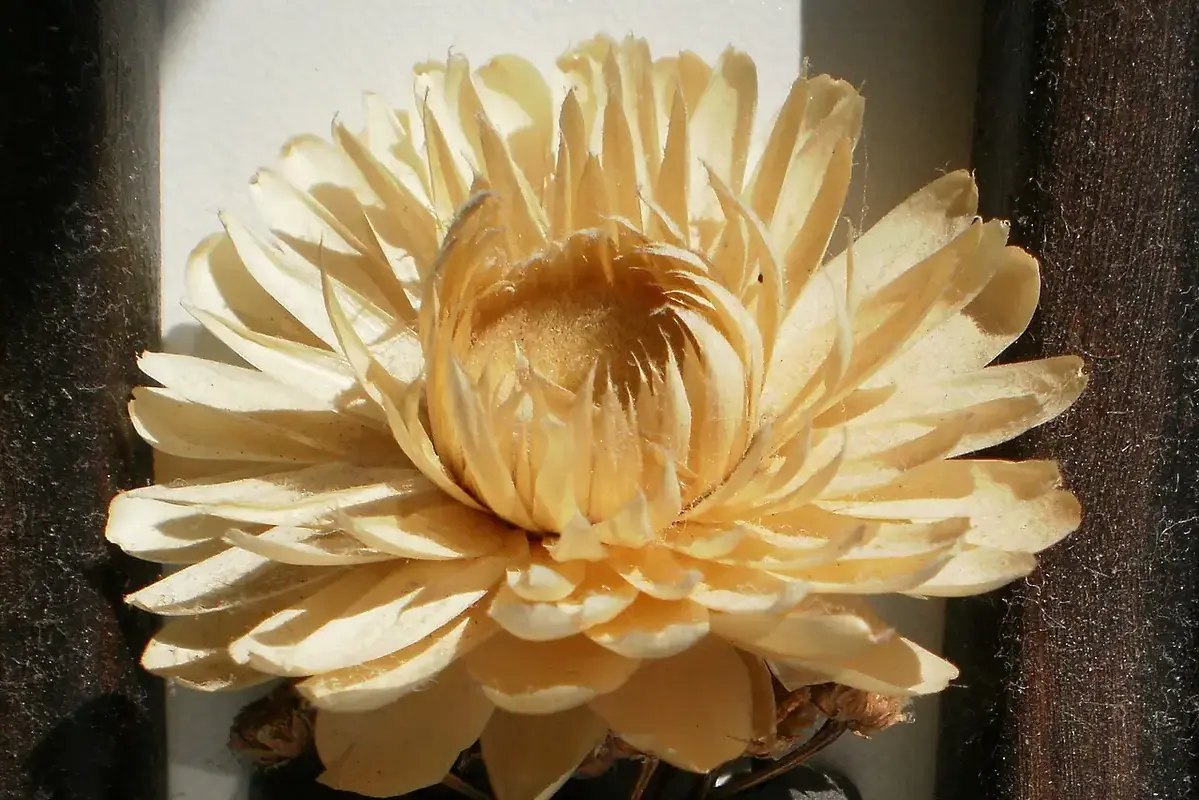
Uncover dried heads gradually and distinguish loose particles from embedded grains before using a brush or choosing to leave residue alone.
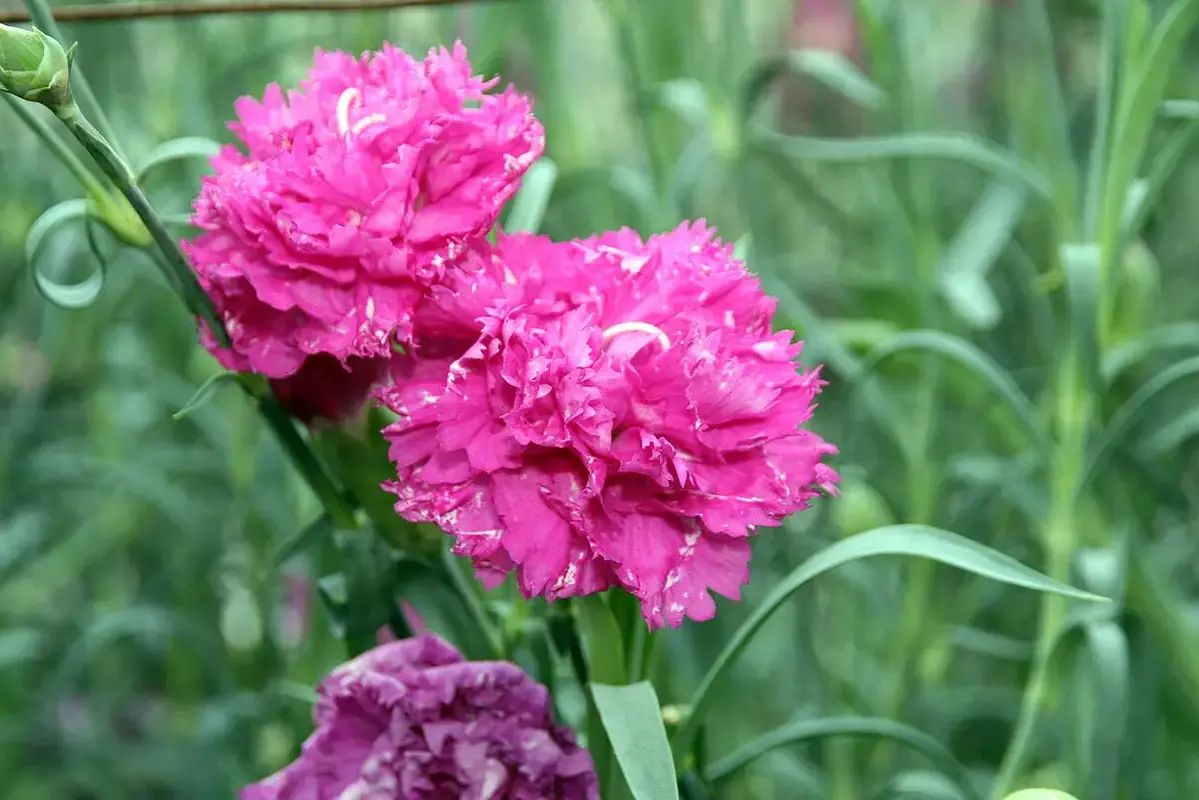
Plan each future branch as an independent cut stem before dividing a sound spray for bud vases or a lower arrangement.
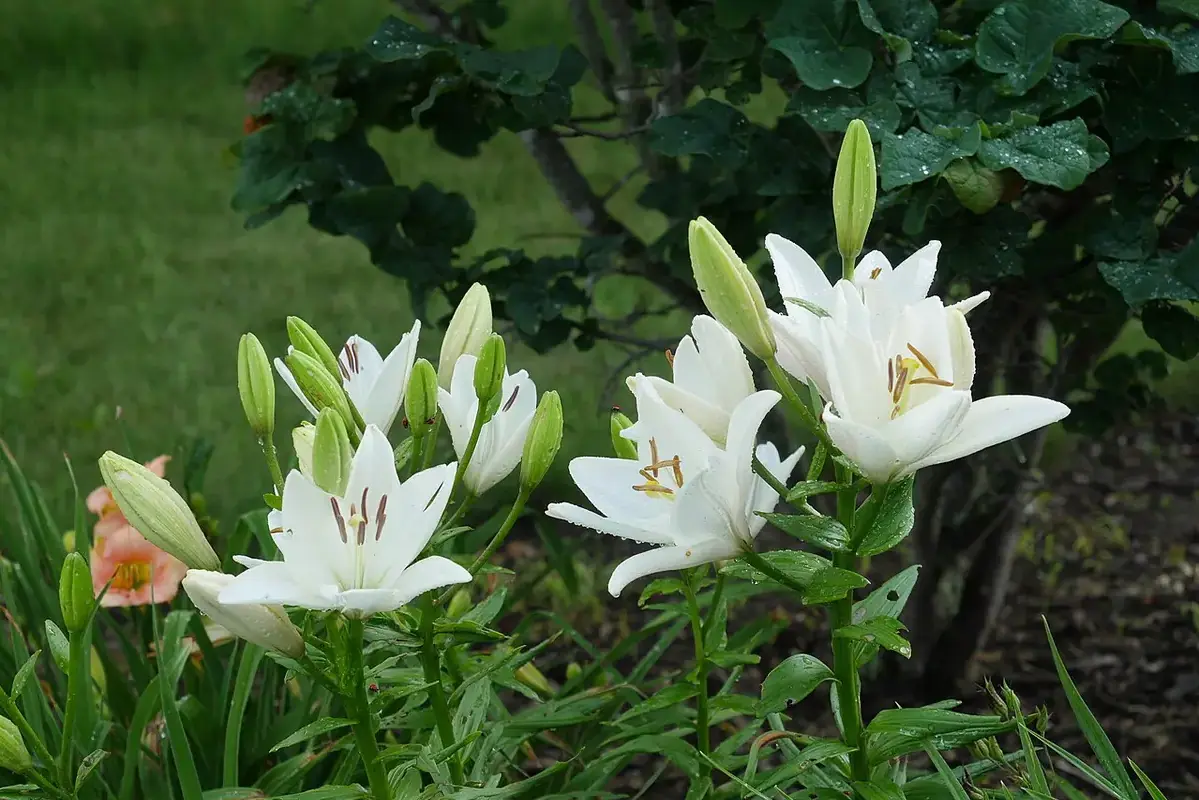
Allow for the colour area and physical space that opening buds may add, rather than treating a new bouquet as a fixed colour chart.

Maintain a clean shared refill supply by keeping the spout clear of stems and never returning vase water or poured portions to the jug.
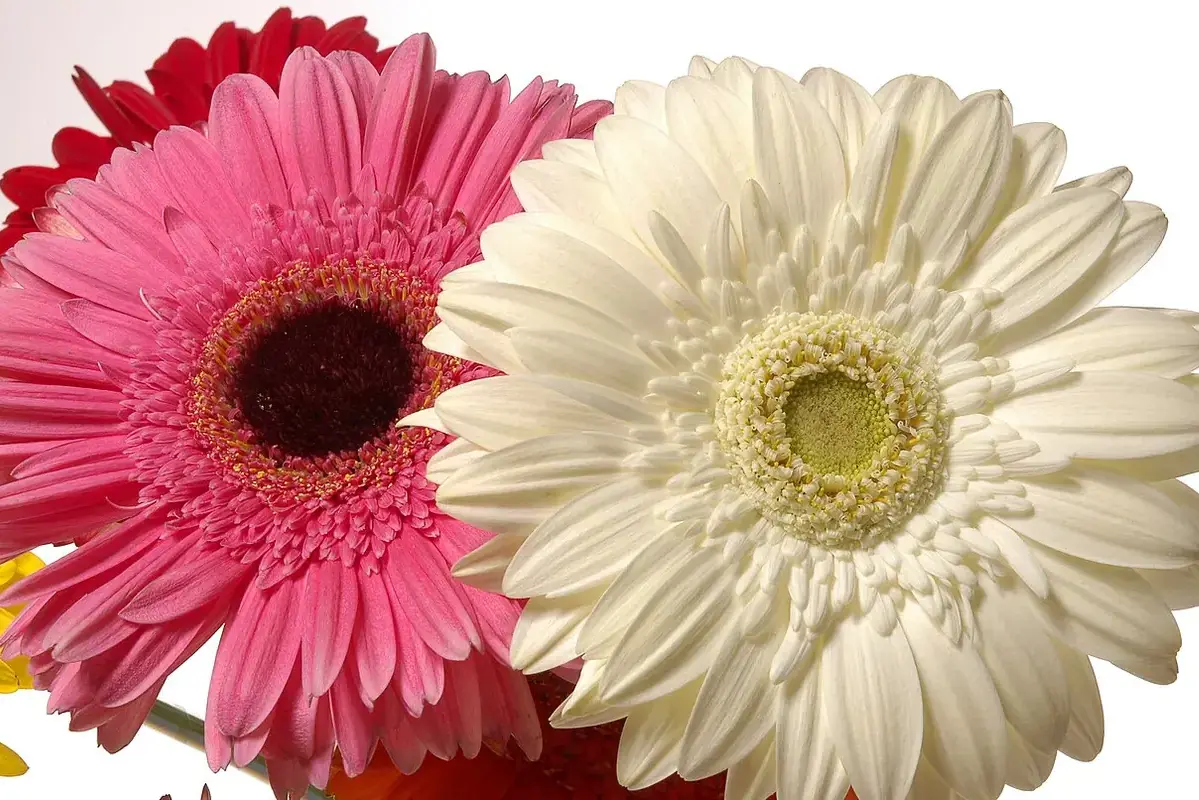
Choose visible, maintainable vase water instead of decorative absorbent beads, especially in environments where children may encounter them.
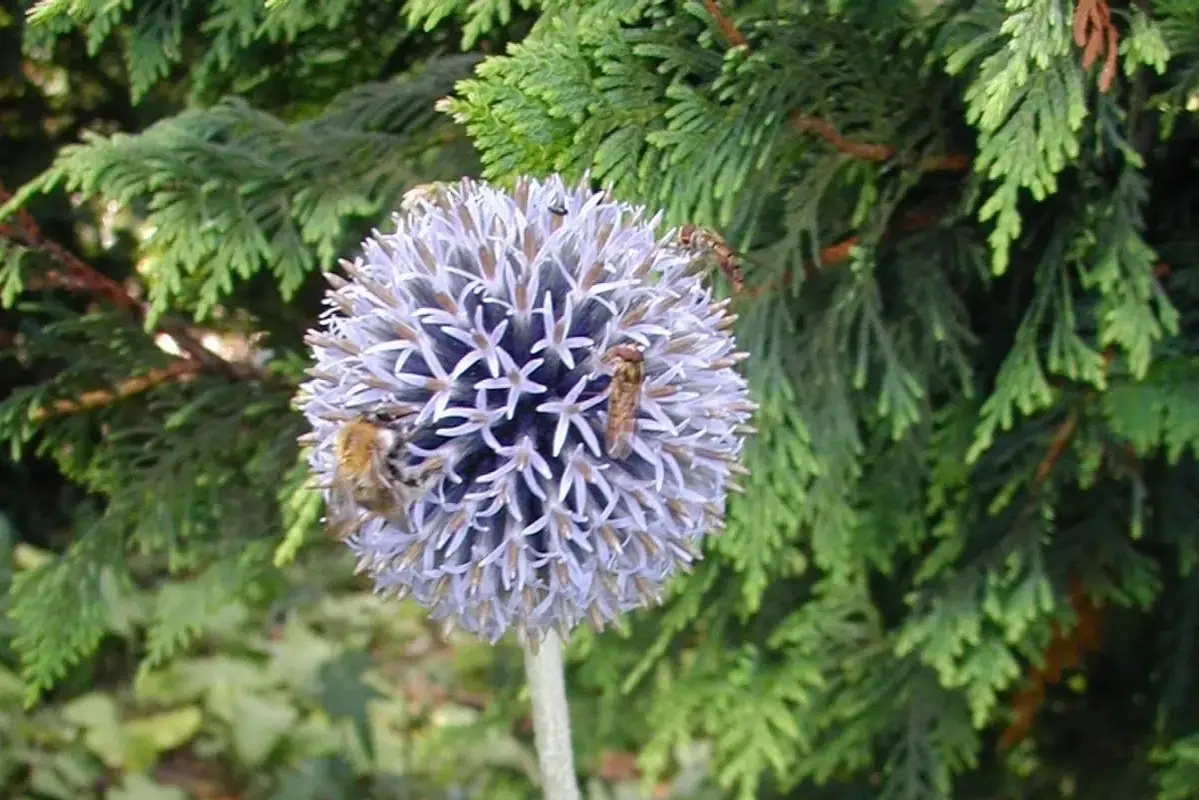
Give Echinops a clear insertion and removal route so its spherical heads and stiff foliage do not snag delicate companion flowers.
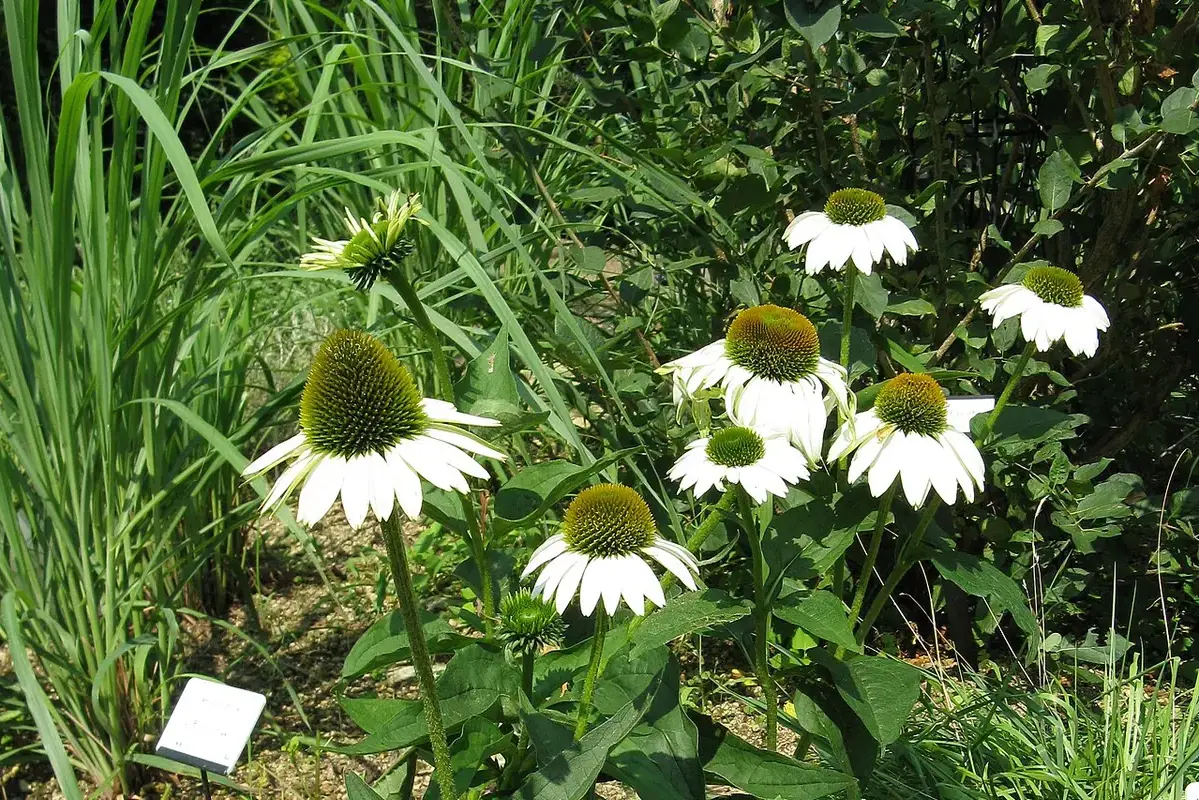
Decide whether a coneflower can become a fresh textural accent by checking its central disk, remaining rays and water-bearing stem separately.
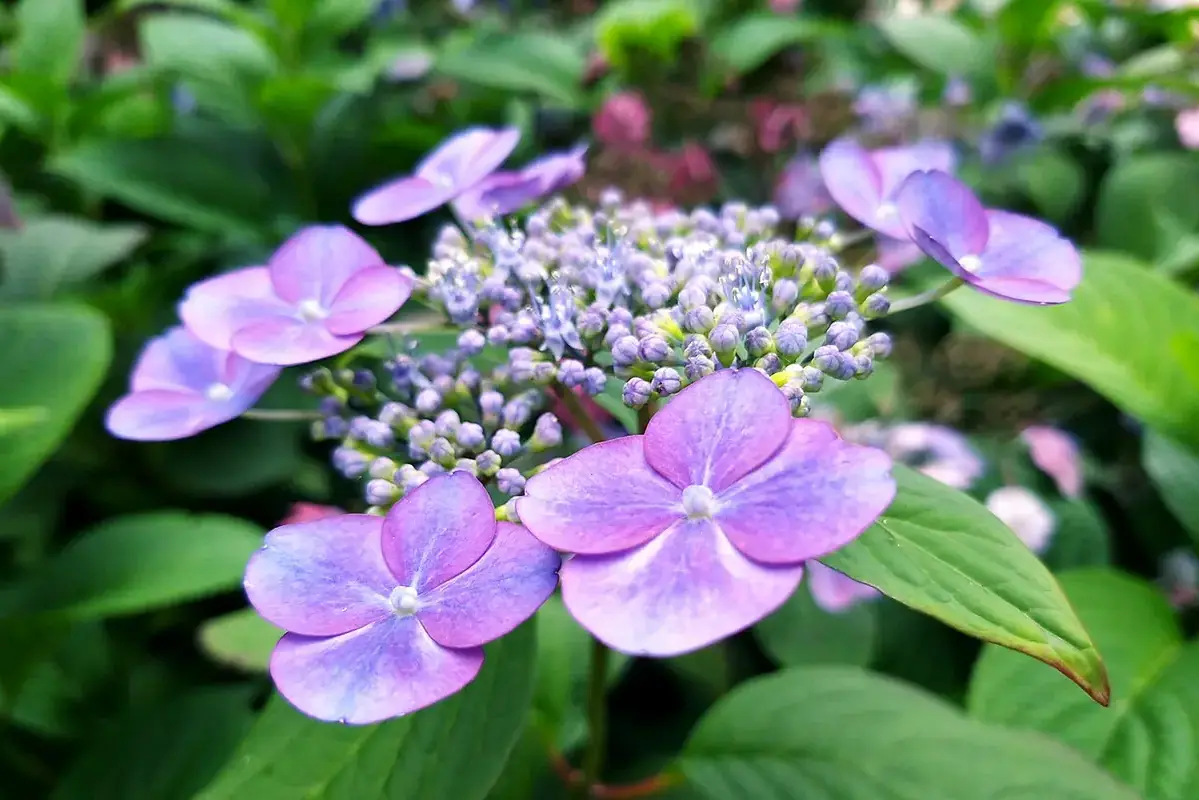
Compare powdery leaf patches with hairs and spray residue, then separate suspicious foliage without applying a home fungicide.
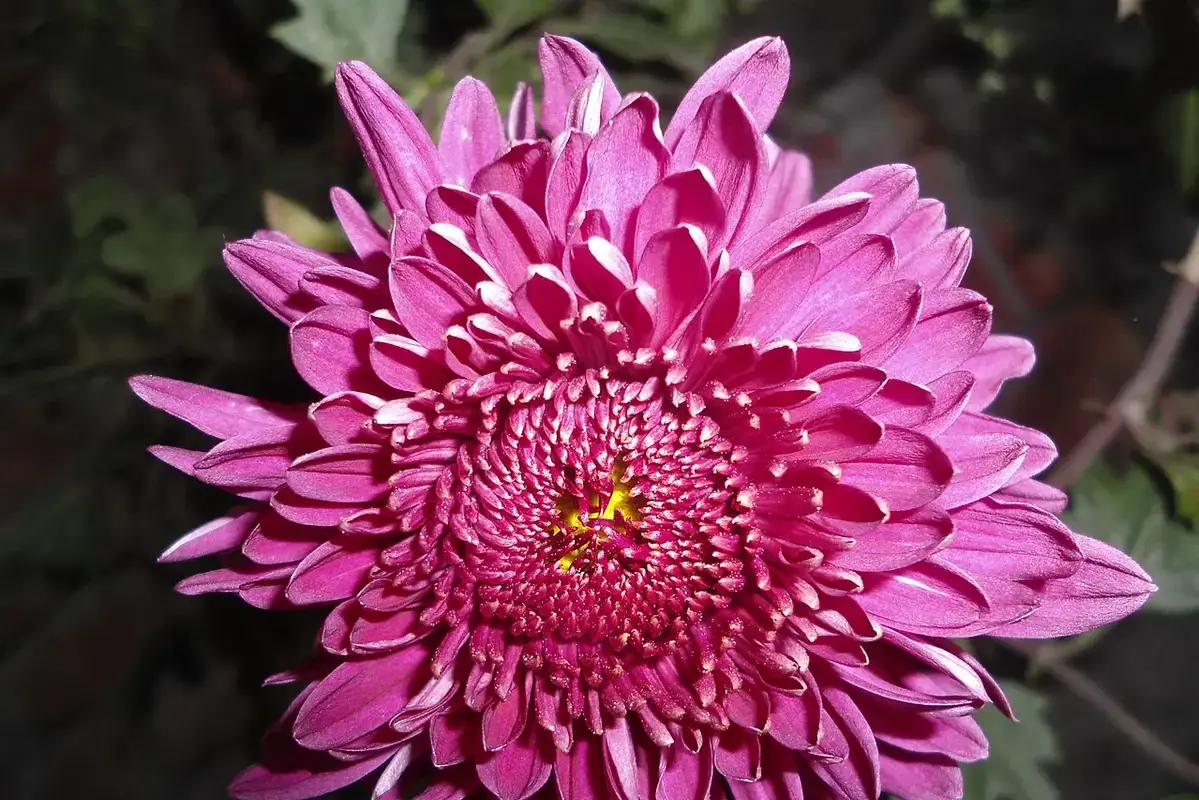
Recognise a suspicious paired leaf pattern on chrysanthemums, contain the stems and seek local plant-health advice before disposal.
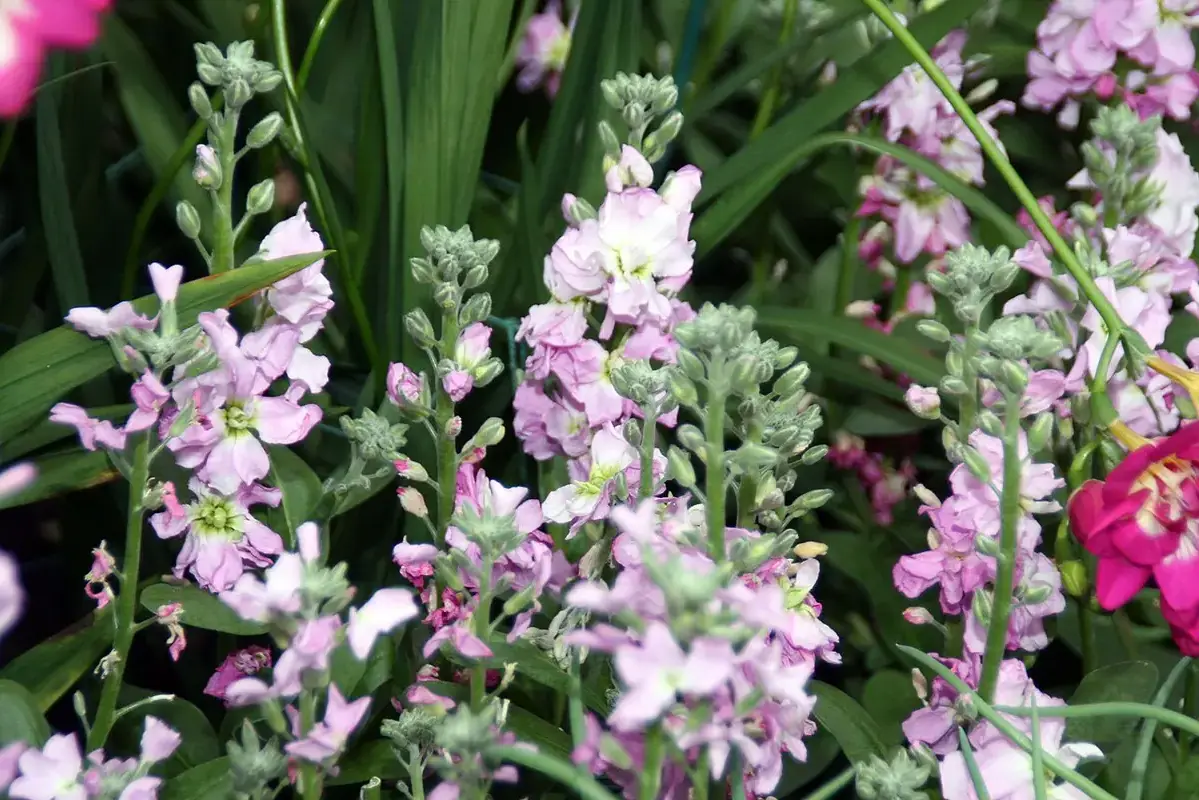
Distinguish lighting a cut-flower display from growing a rooted plant and avoid adding lamp heat in a windowless room.
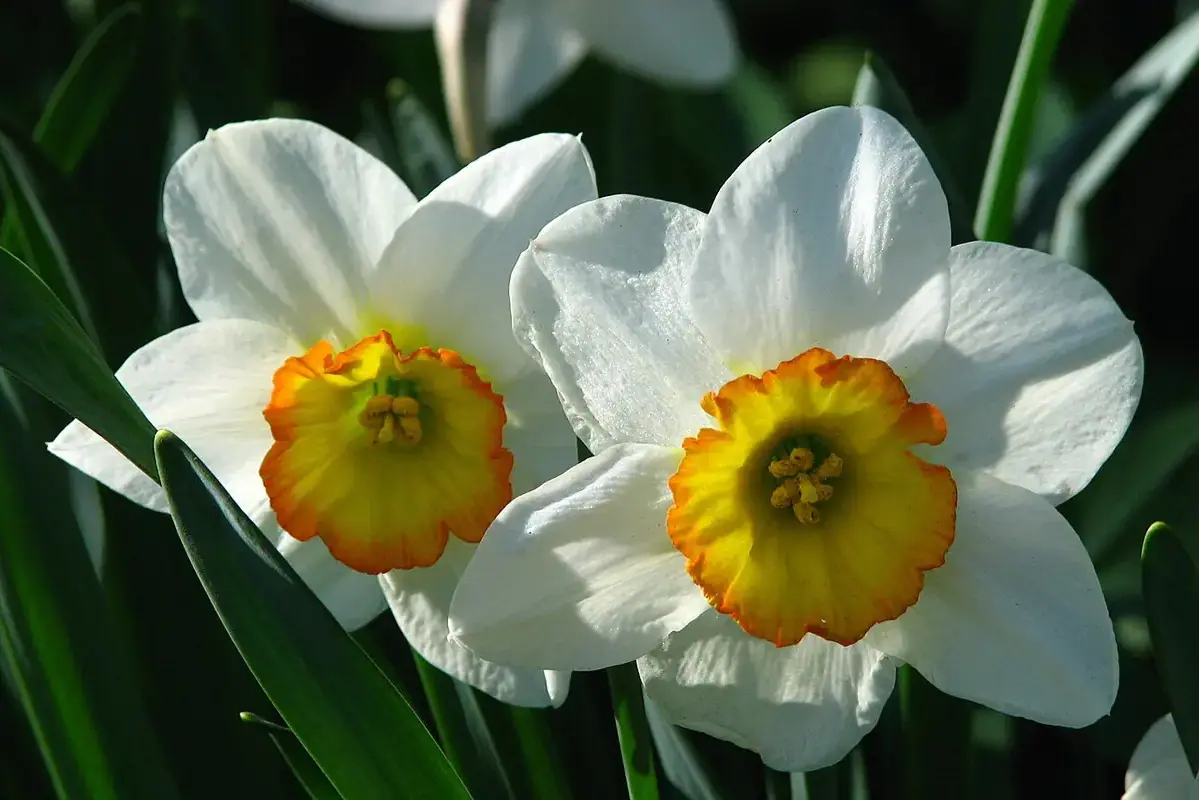
Recognise the wet enclosure created by a fresh bouquet under glass and switch to an open display before condensation hides deterioration.
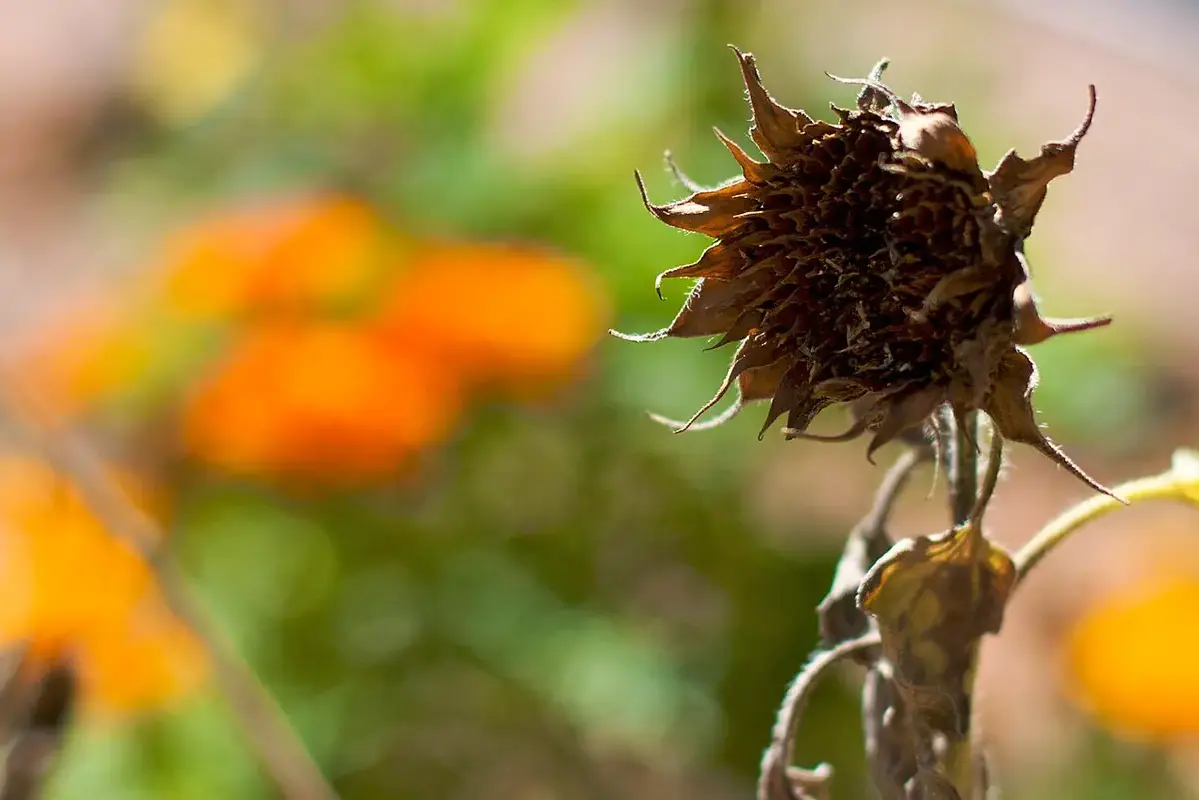
Choose support or retirement when preserved petals shatter, instead of trying to restore flexibility with water, steam or glycerin.
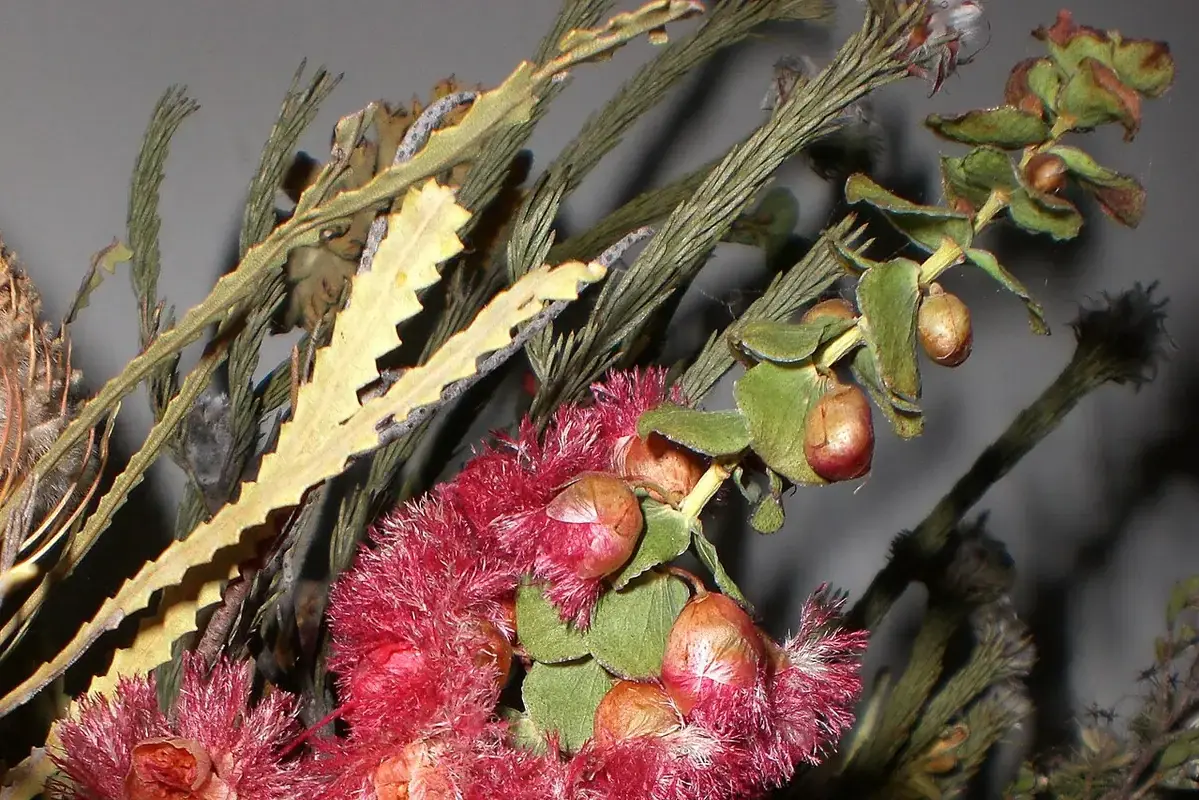
Plan artificial stem attachment around the drying method, flower strength and a strict no-metal boundary for microwave work.
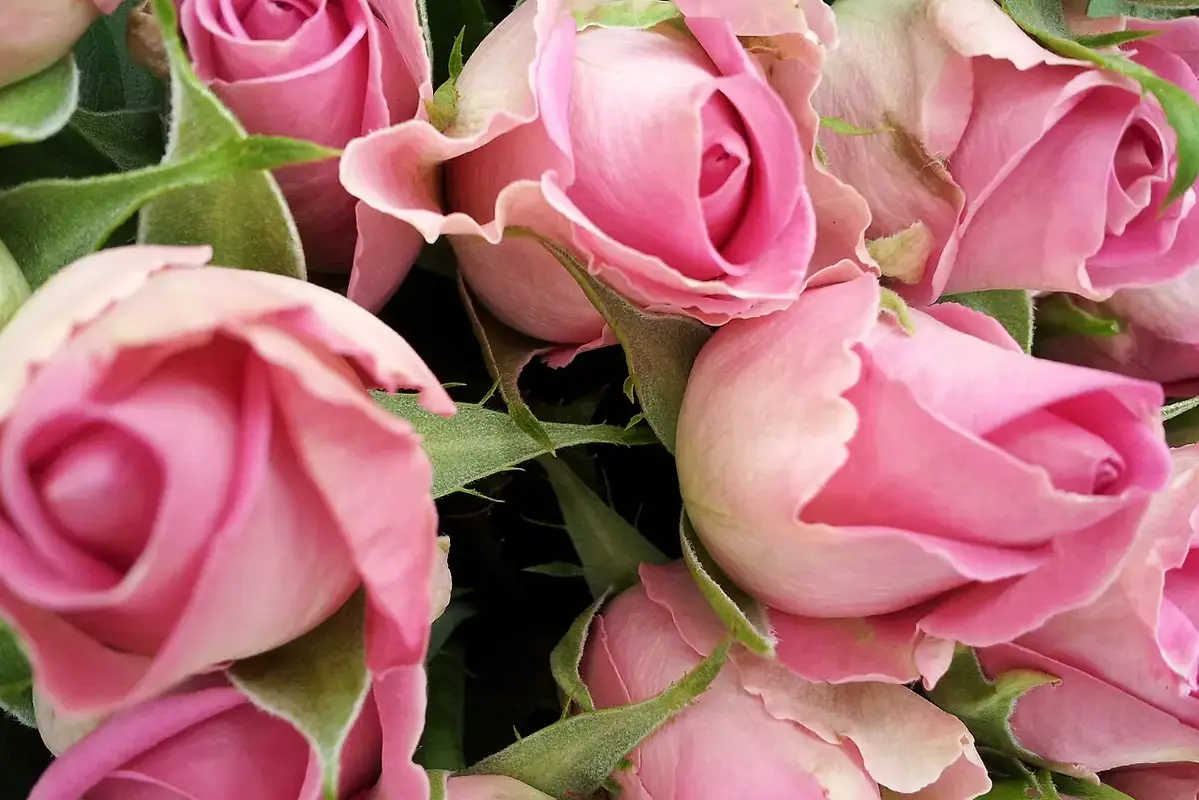
Separate a decorative ribbon from the structural tie and reattach the keepsake outside the vase without hiding the waterline.
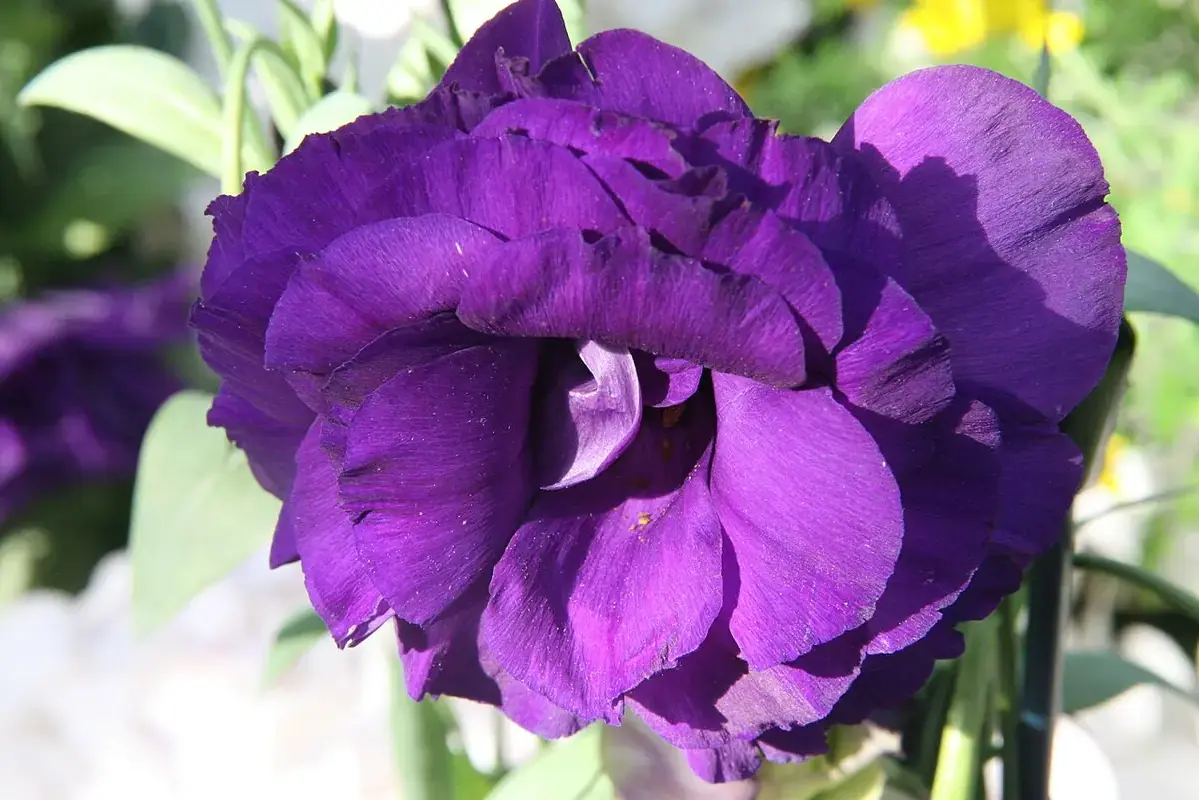
Test tie release, single-stem removal and reservoir cleaning before gifting an arrangement whose construction might otherwise trap its caregiver.
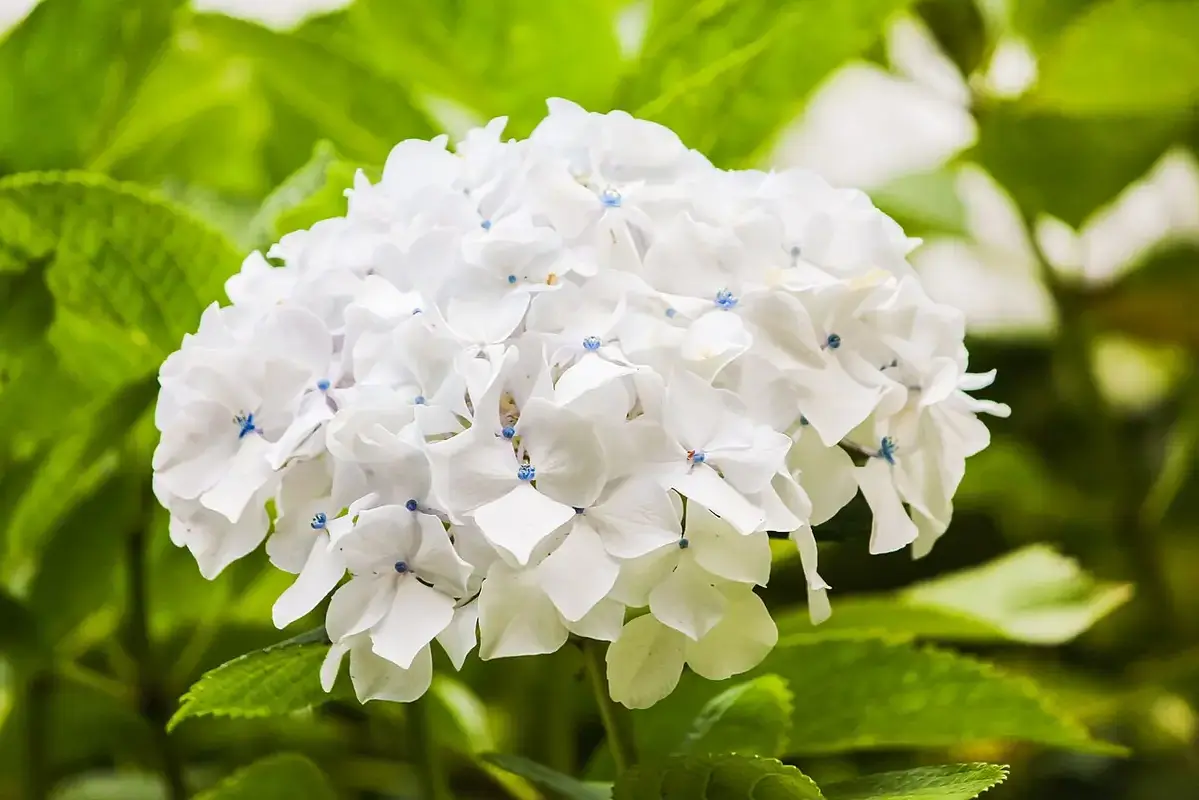
Check a nested vase for watertightness, clearance and extraction so the decorative shell does not conceal a leak or trap the reservoir.
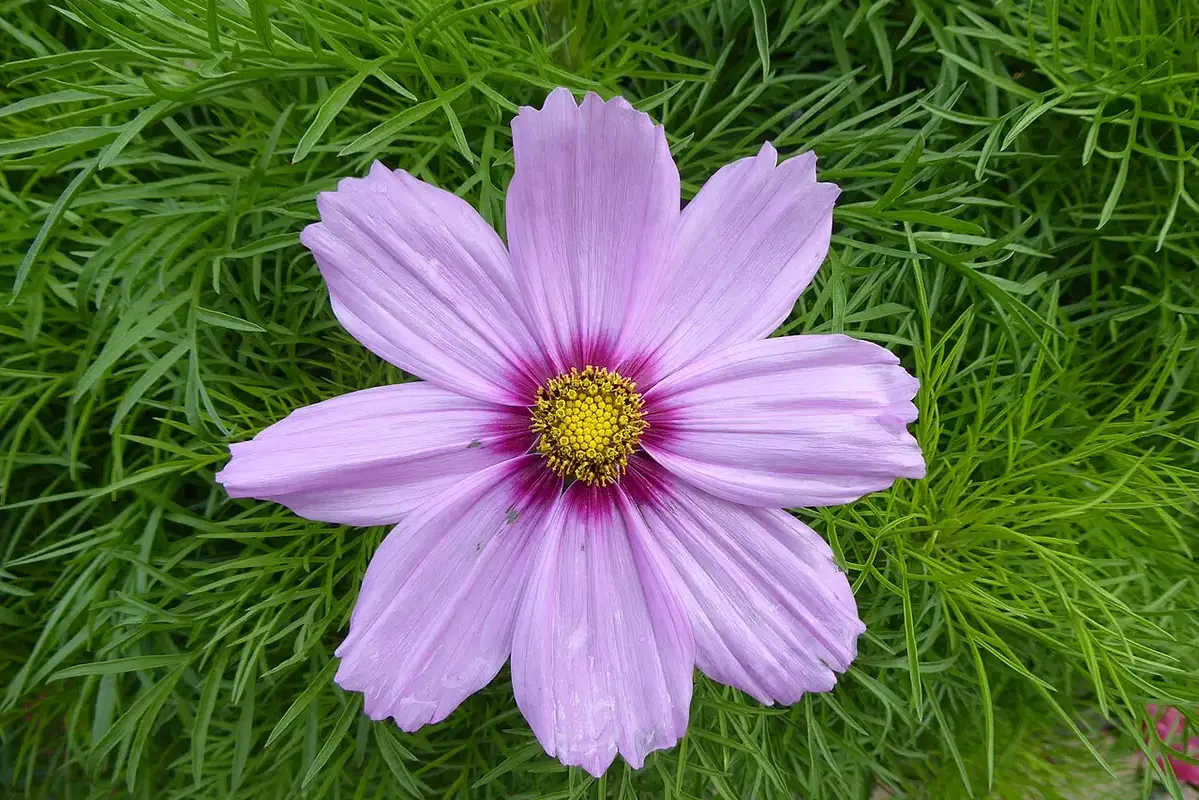
Use a fixed inspection route and individual water checks for a group of small vases whose reservoirs empty at different rates.
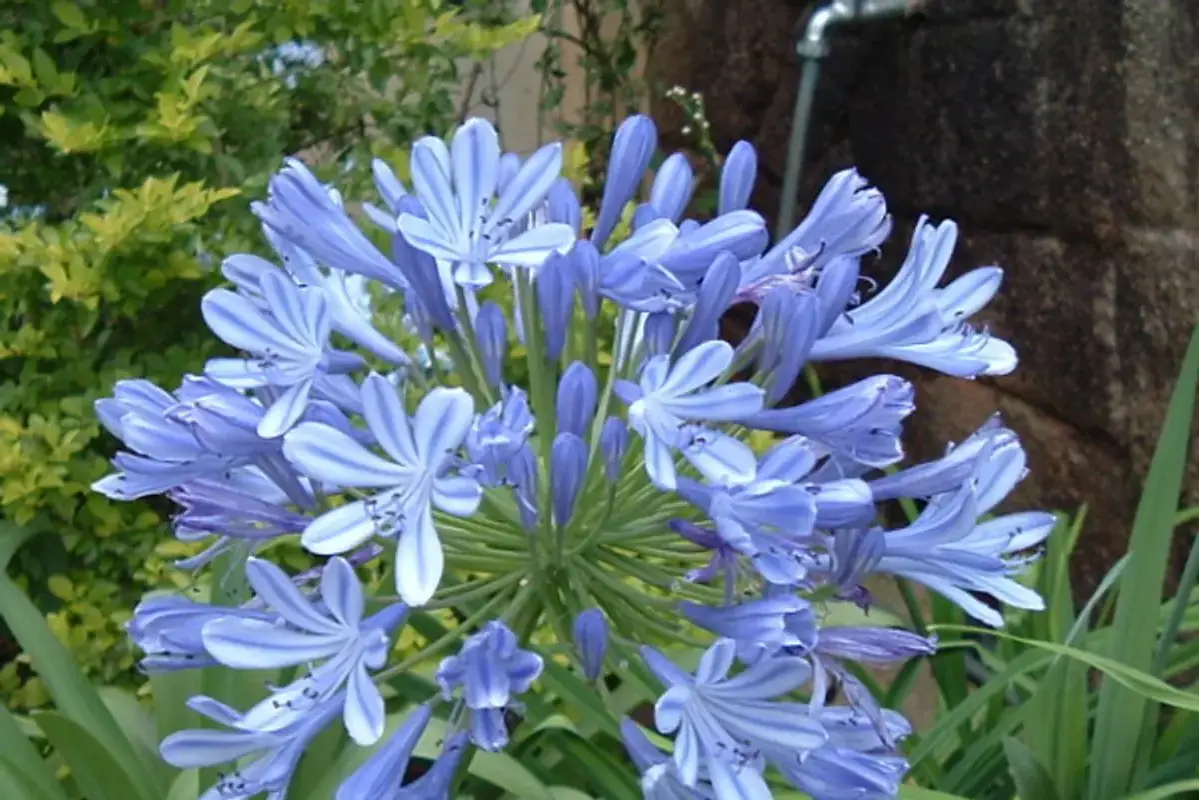
Protect the radiating stalklets of cut agapanthus during unwrapping, placement and spent-flower removal.
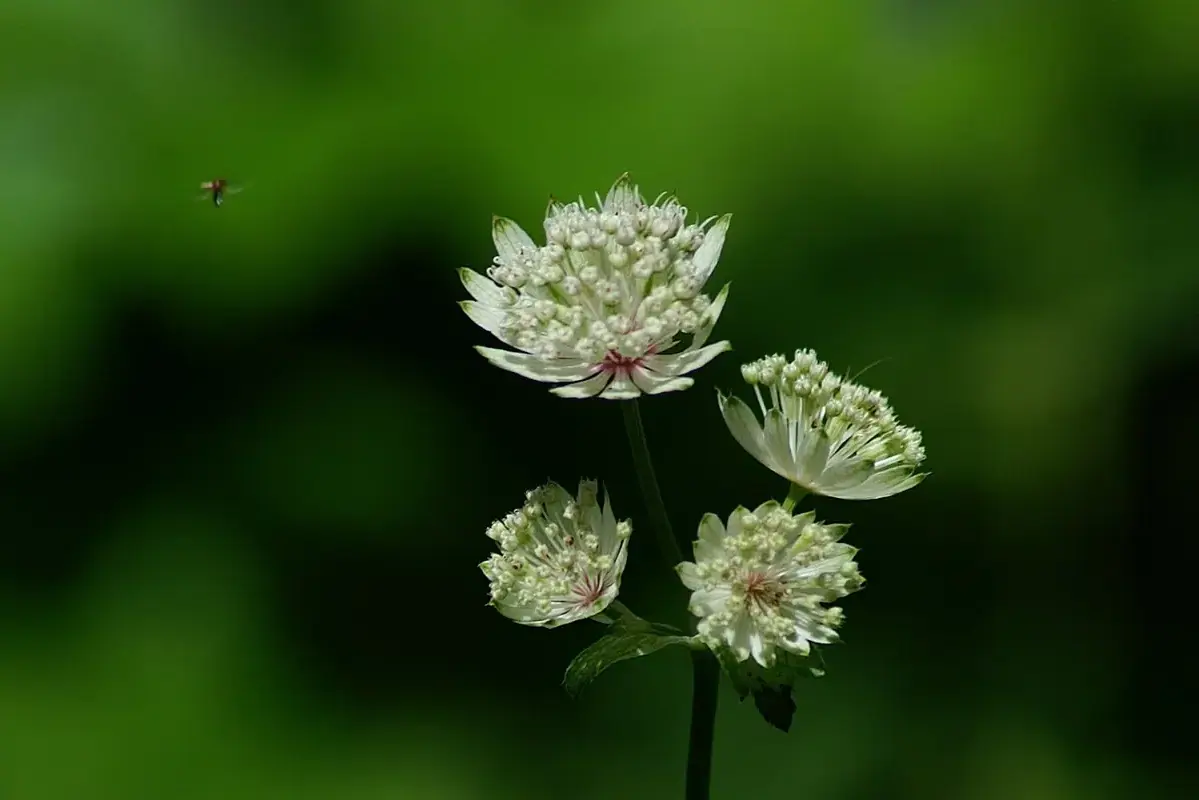
Separate the central flowers from the starry bract collar when assessing astrantia freshness, grooming and display value.
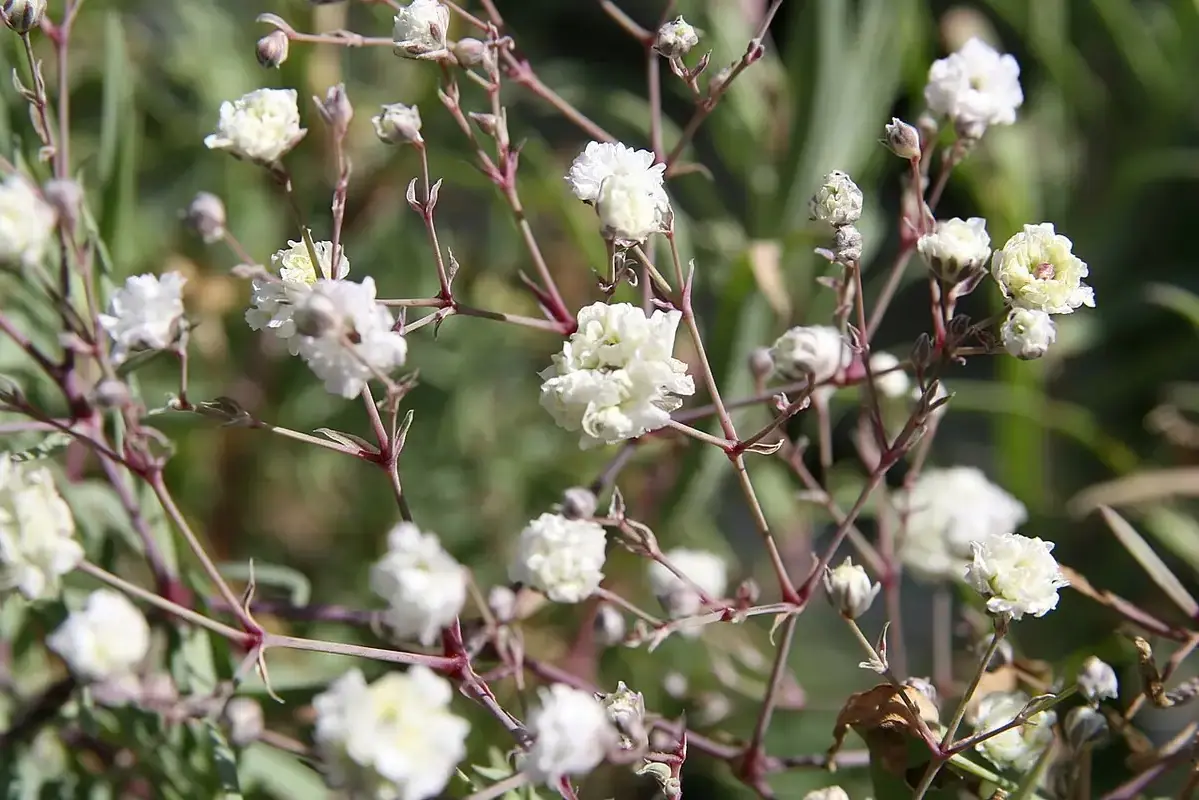
Compare webbing, leaf stippling and moving specks before deciding whether a bouquet needs pest isolation or only a visiting spider removed.
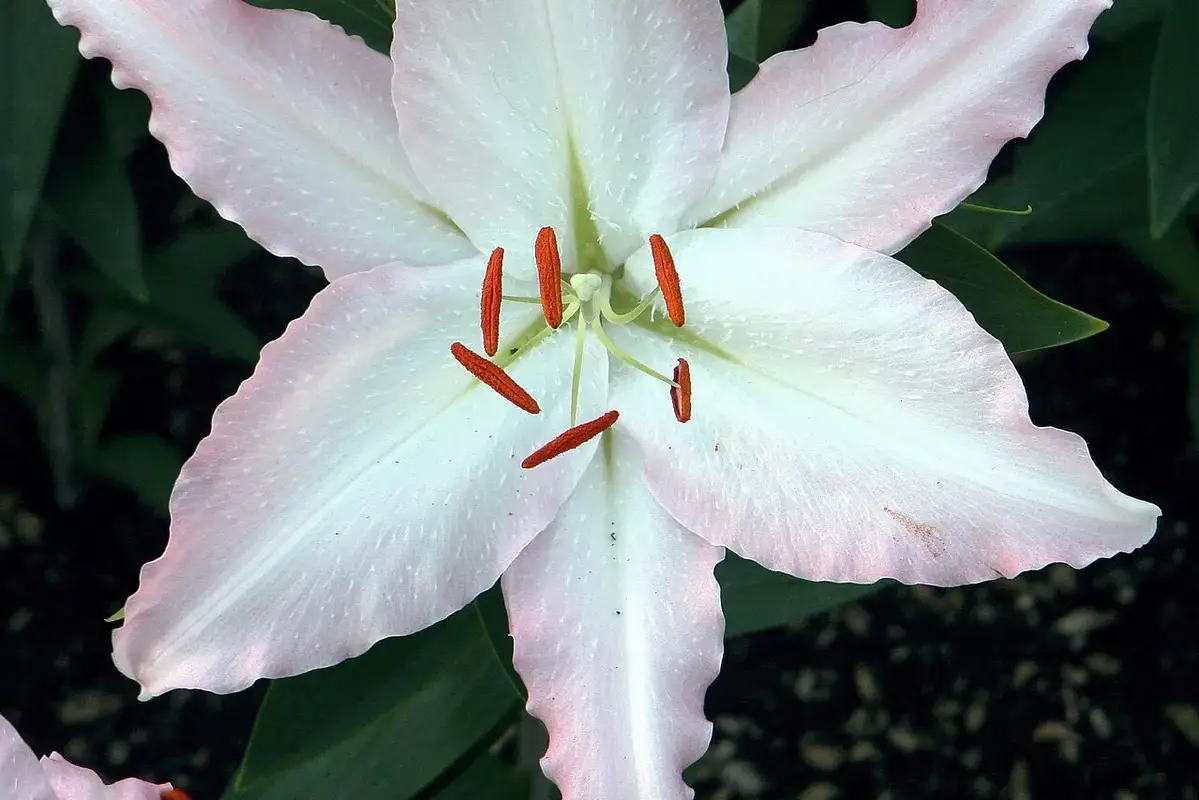
Tell a lily stigma from its surrounding pollen anthers so grooming does not become unnecessary cutting or a false pet-safety measure.
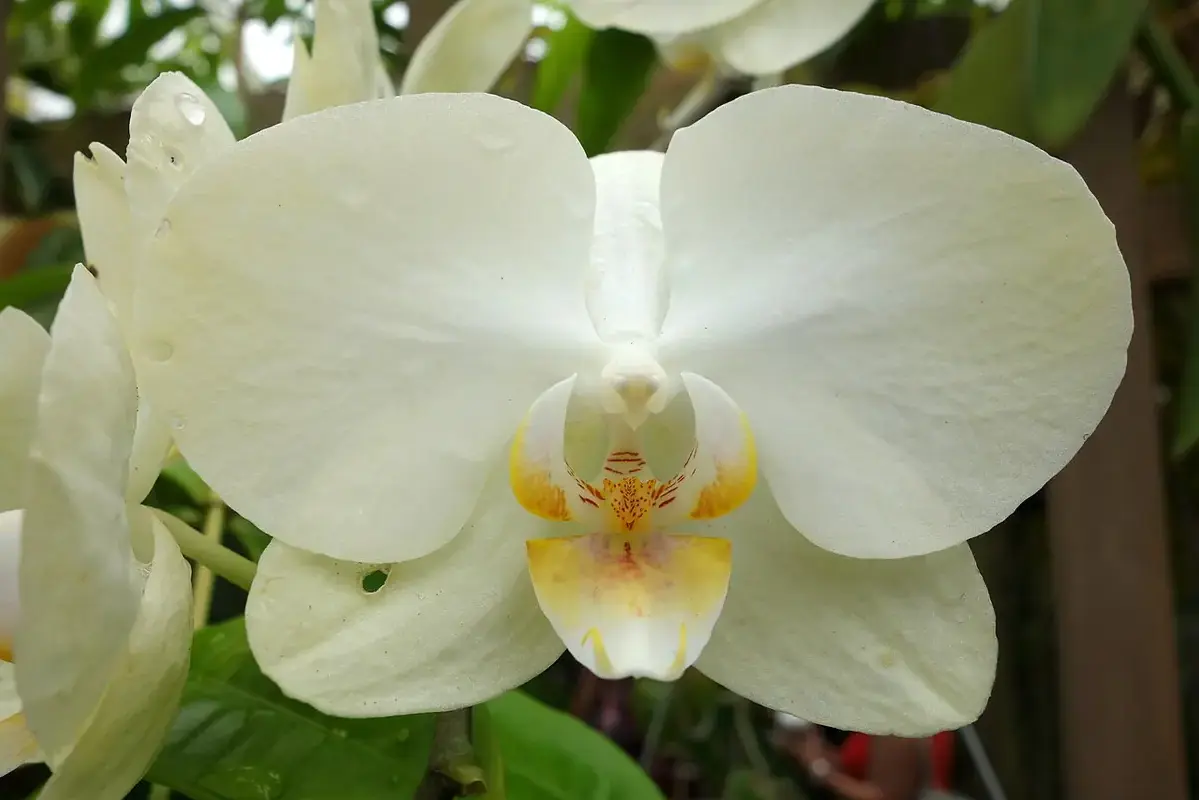
Use a separate arrival station for bouquets so insects and vase spills do not enter a closely packed houseplant collection.

Reject flower storage near vehicle exhaust, fuel or smoke rather than trading air quality for a lower temperature.
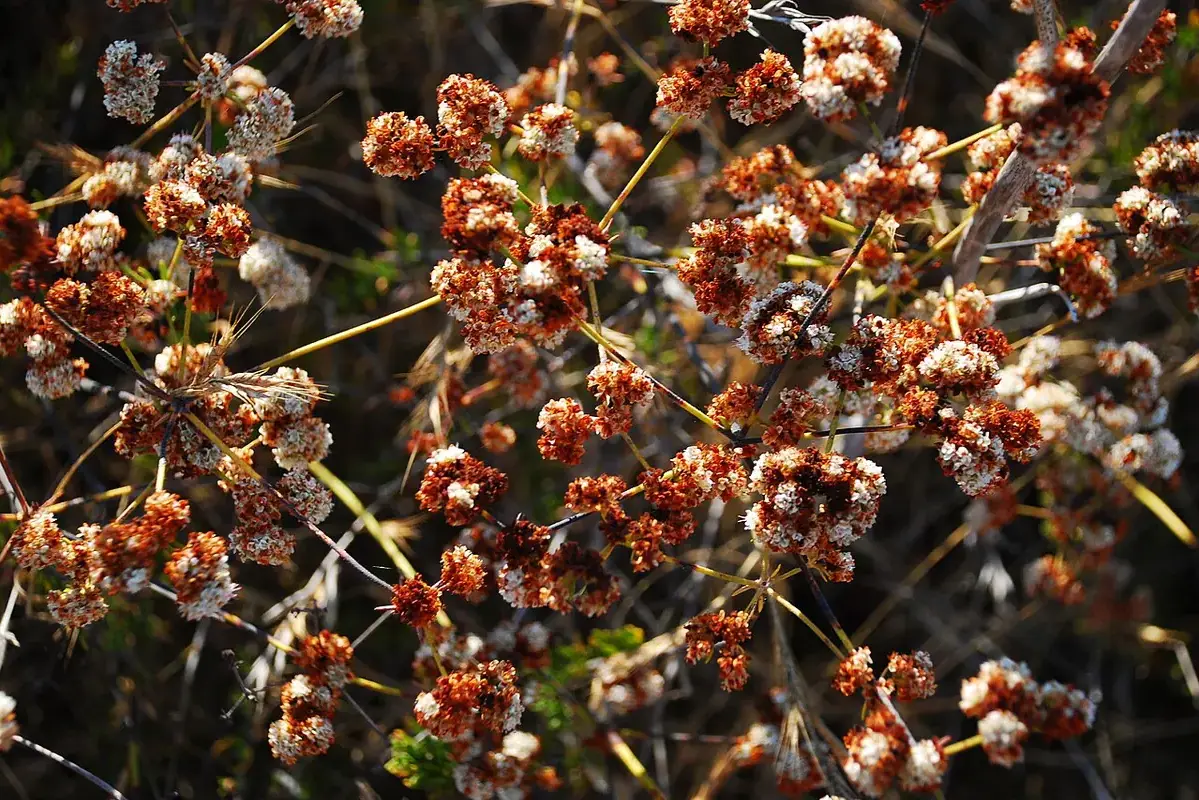
Split desiccant batches by flower structure and use accessible witness blooms so finished thin petals do not wait for dense centres.
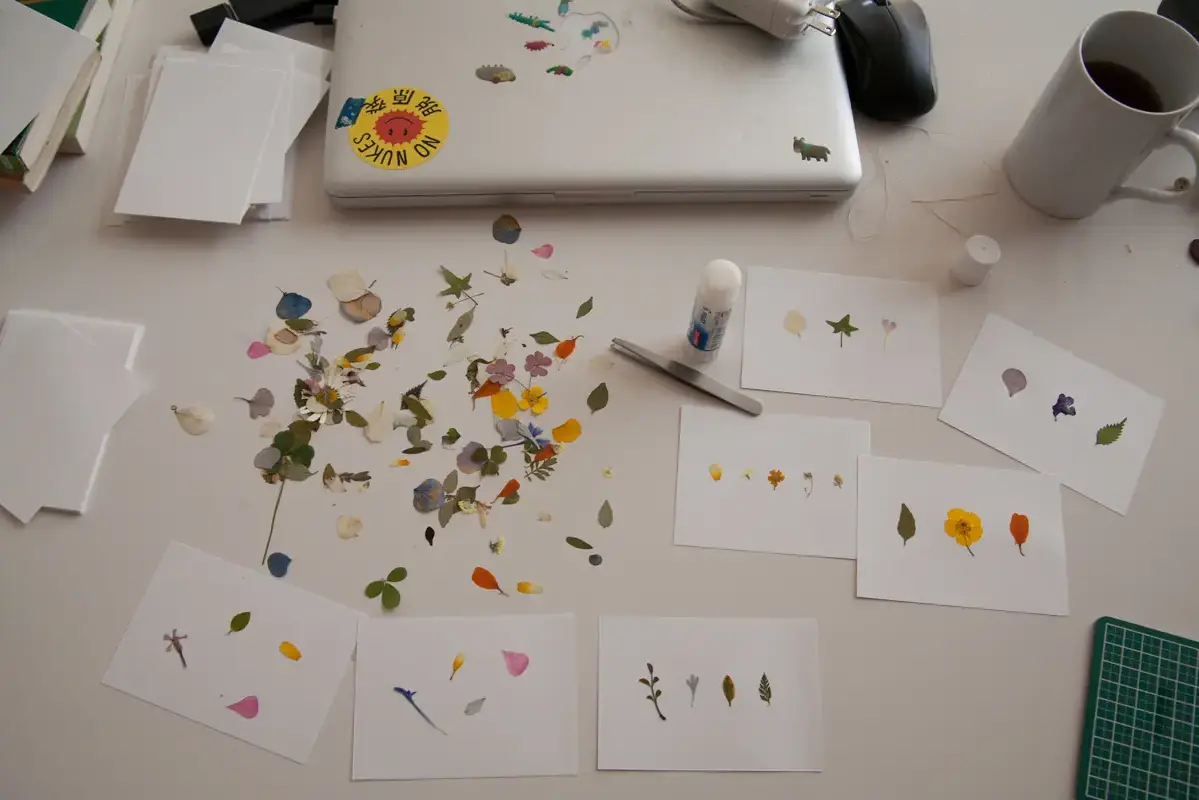
Distinguish absorbent contact sheets from coated barriers and rigid boards when building a flower press.
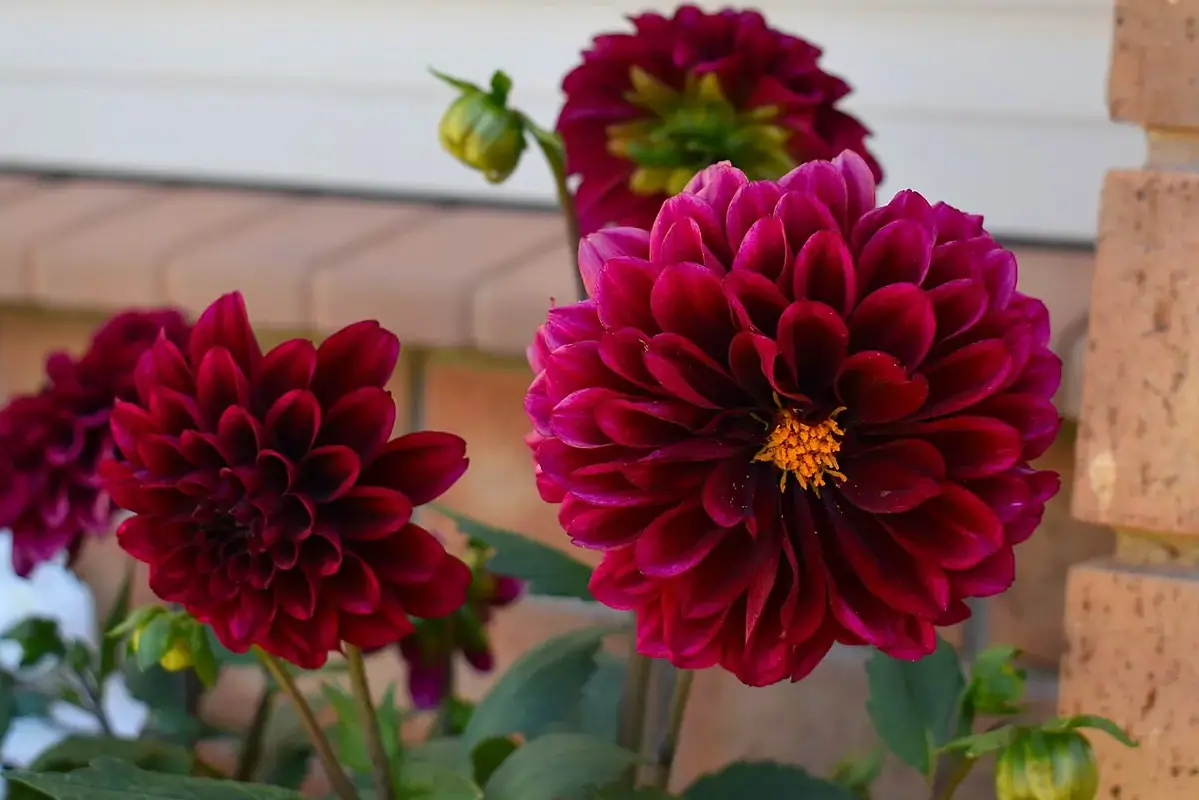
Plan a flower purchase by usable stems, branching units and vessel capacity instead of counting every visible head as a separate ingredient.
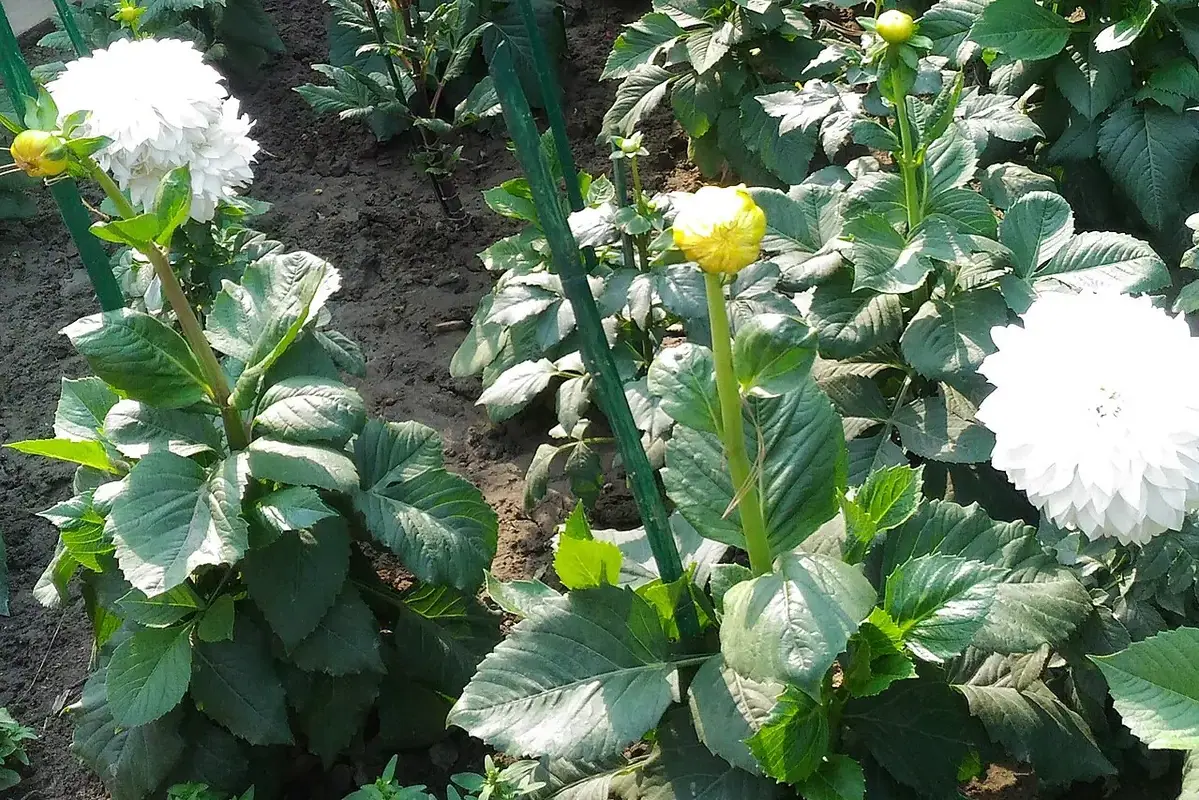
Choose present display area for a same-day bouquet while respecting species differences in how cut buds develop.
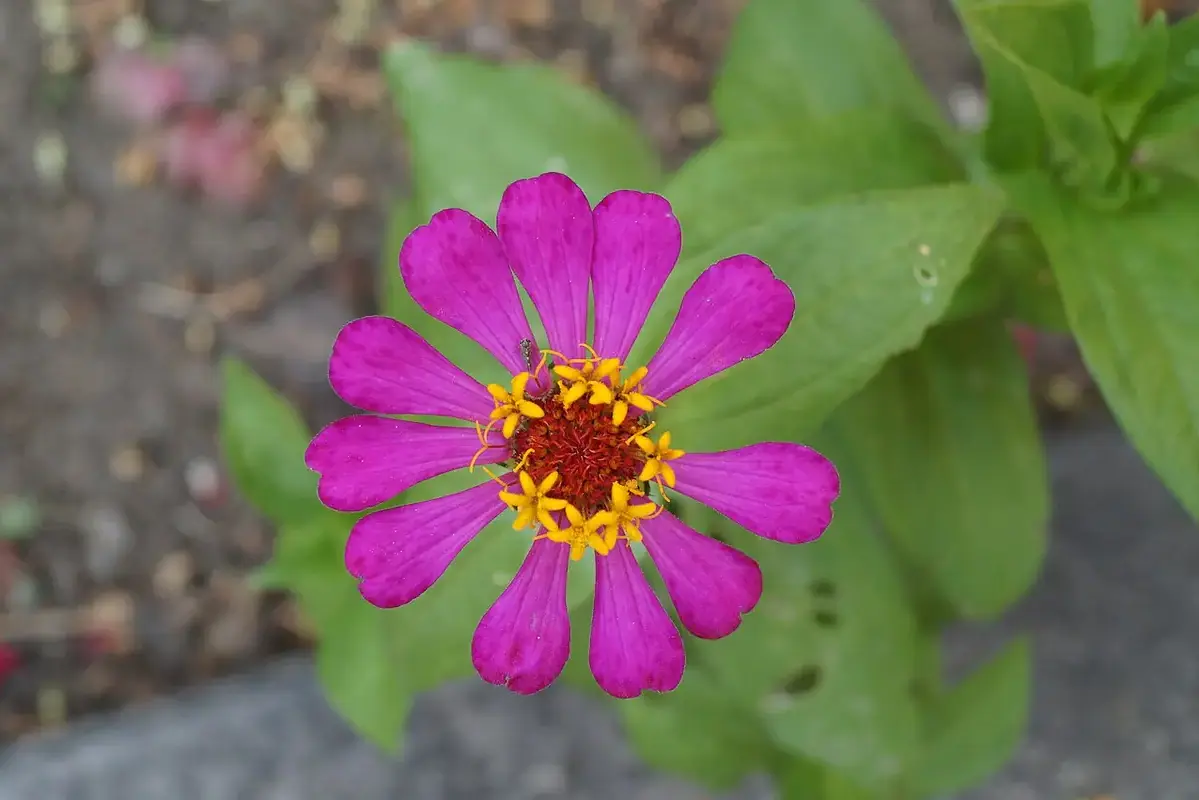
Separate tool washing, clean rinsing and stem hydration so the convenient bucket beside the workbench does not become a shared wash basin.
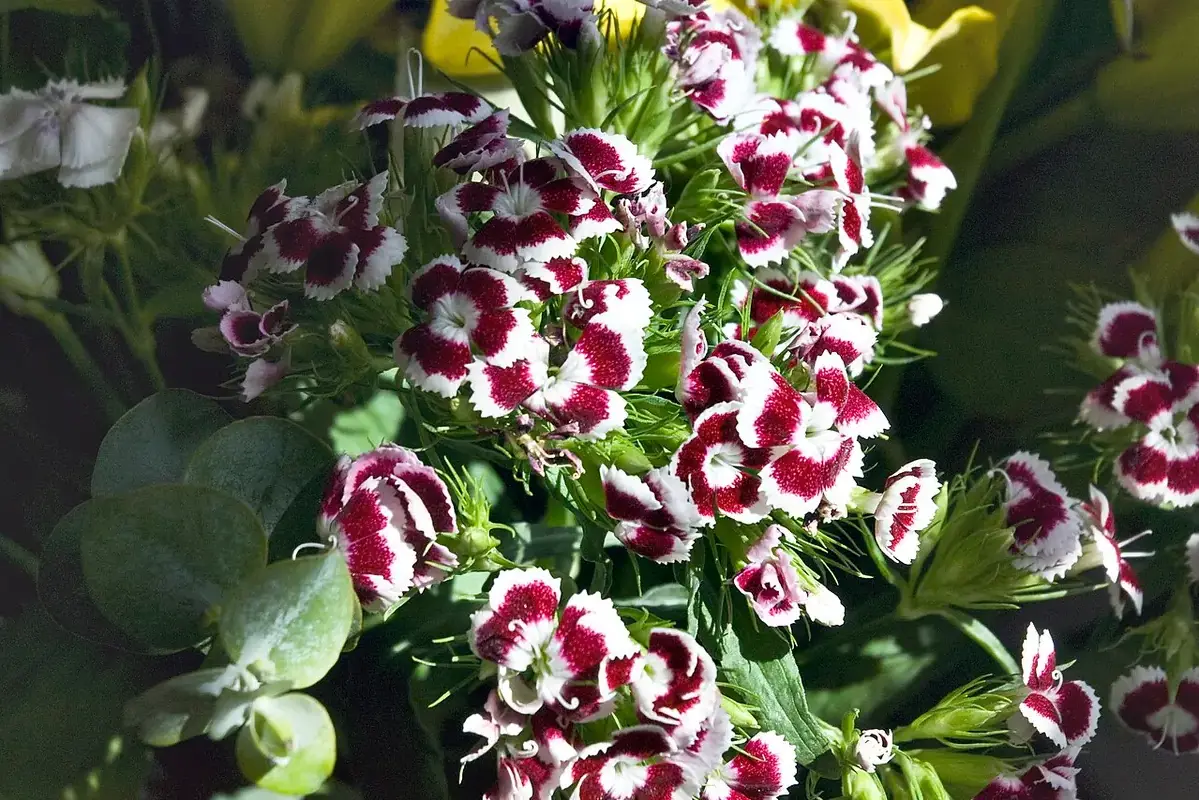
Inspect the tool that washes the vase for trapped leaves, damaged tips and damp storage before the next bouquet arrives.
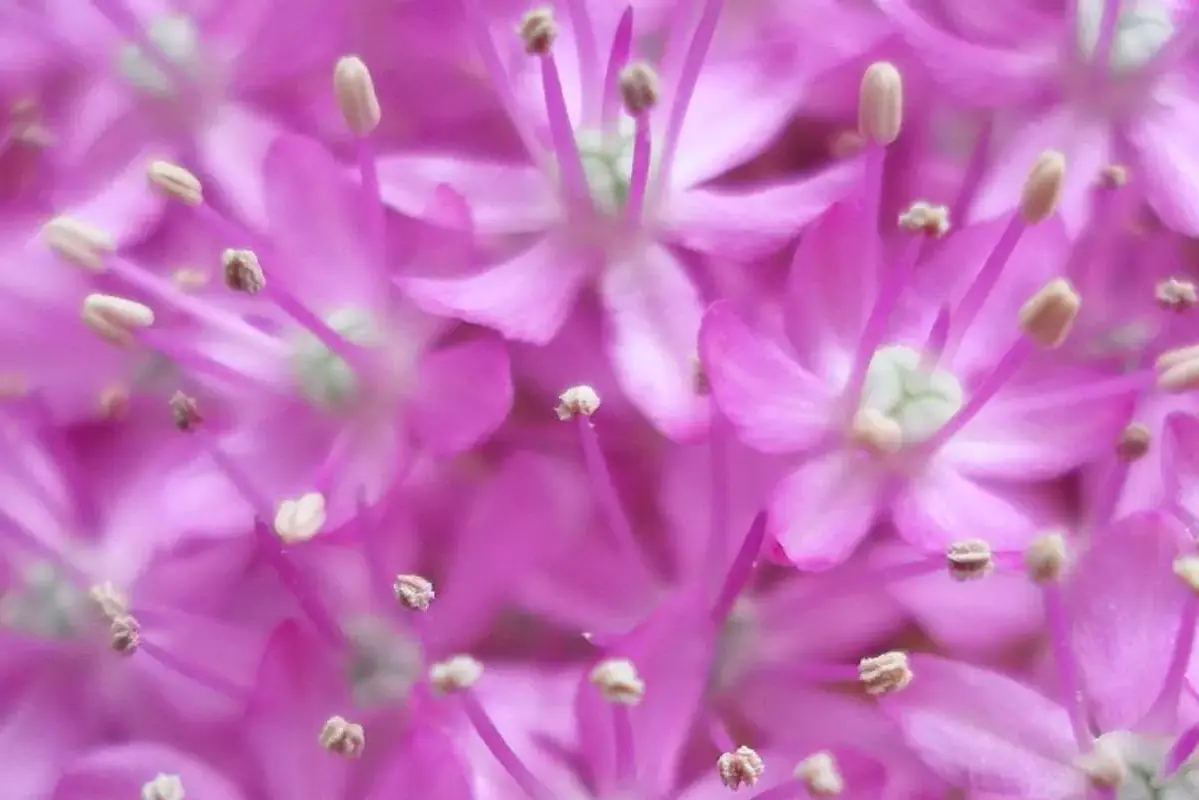
Compare newly cut allium tissue with the separate vase solution before treating every onion-like smell as decay.
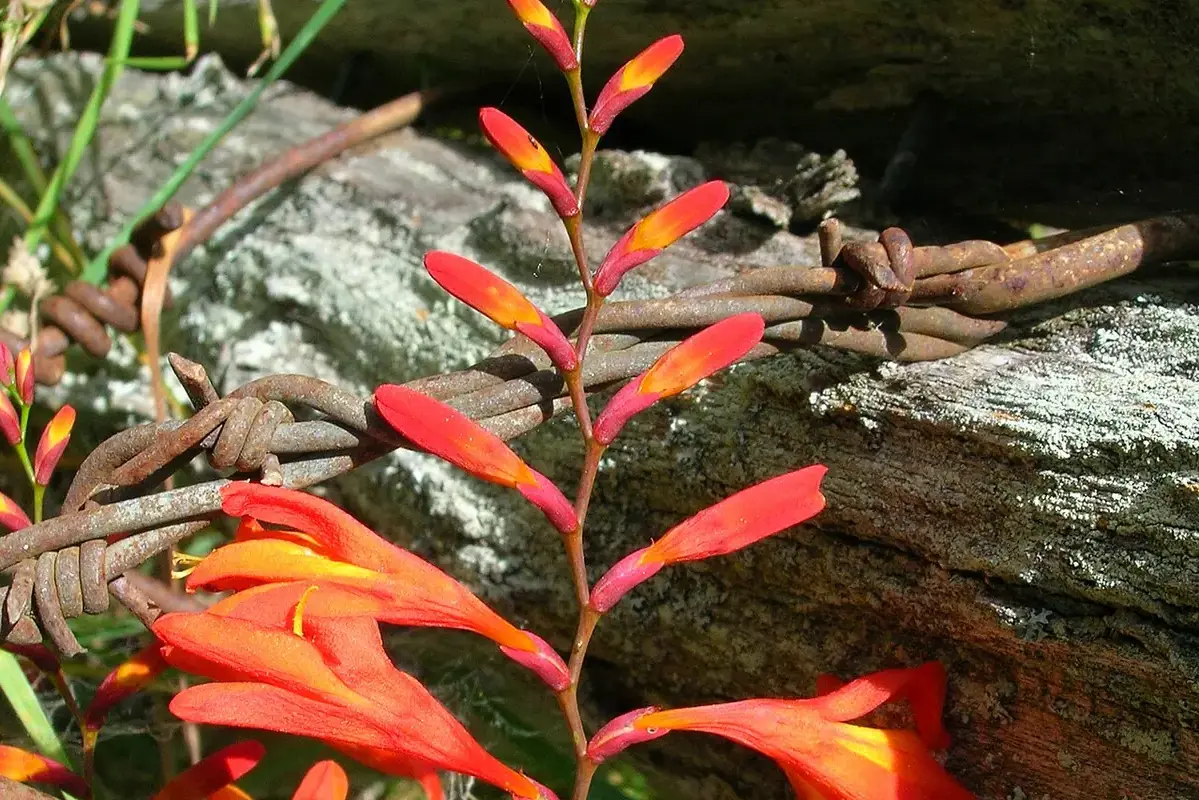
Work with a crocosmia spray and its succession of flowers rather than forcing the flowering axis into a rigid vertical line.
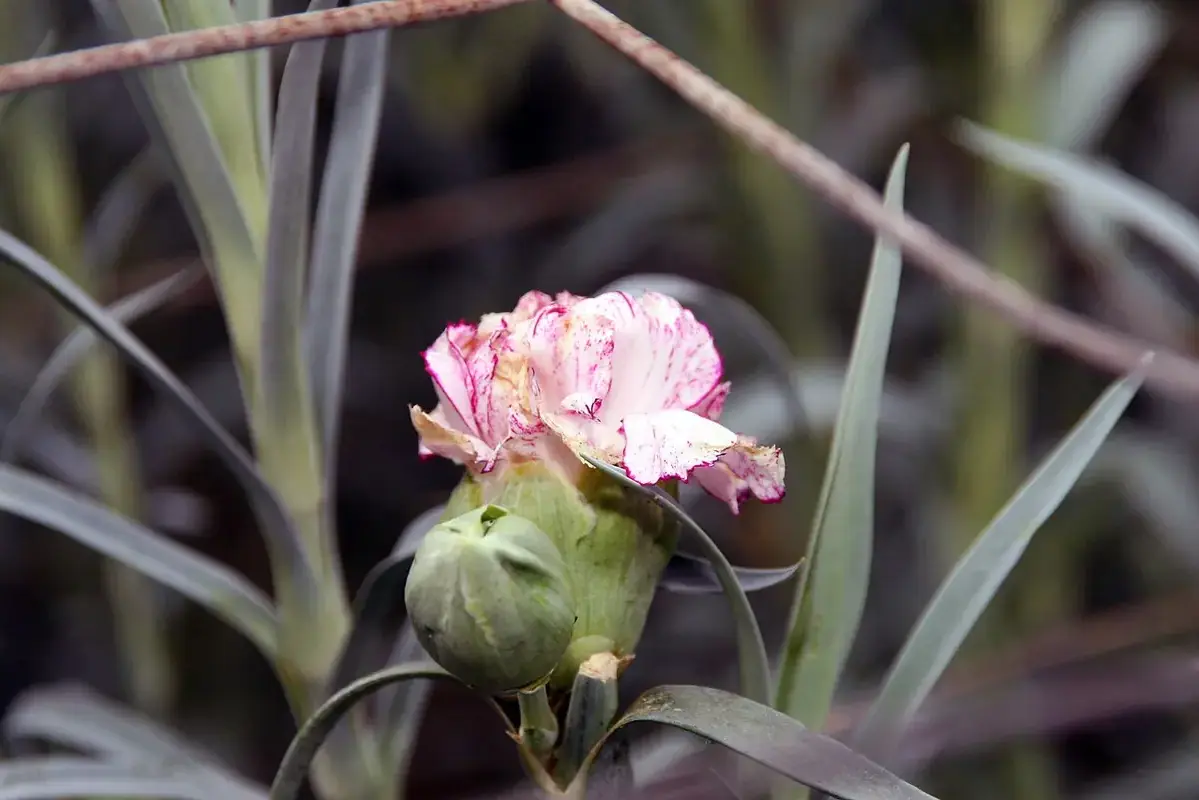
Locate a split carnation calyx and choose a low-contact display or removal without treating a structural defect as thirst.

Evaluate a snapdragon straightening claim against petal ageing, treatment timing and product limits rather than copying a research mixture at home.
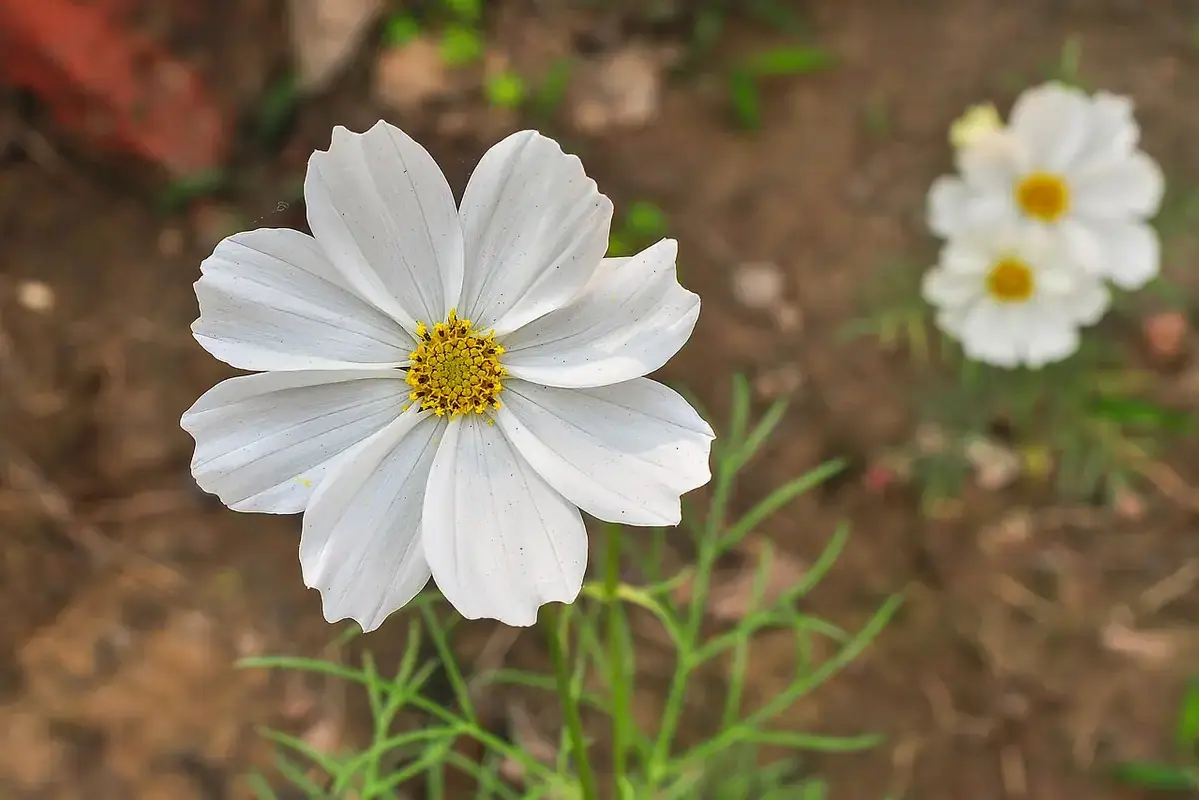
Remove flowers from a chemical work zone before painting or aerosol cleaning, without inventing a safe return time or relying on an air purifier.
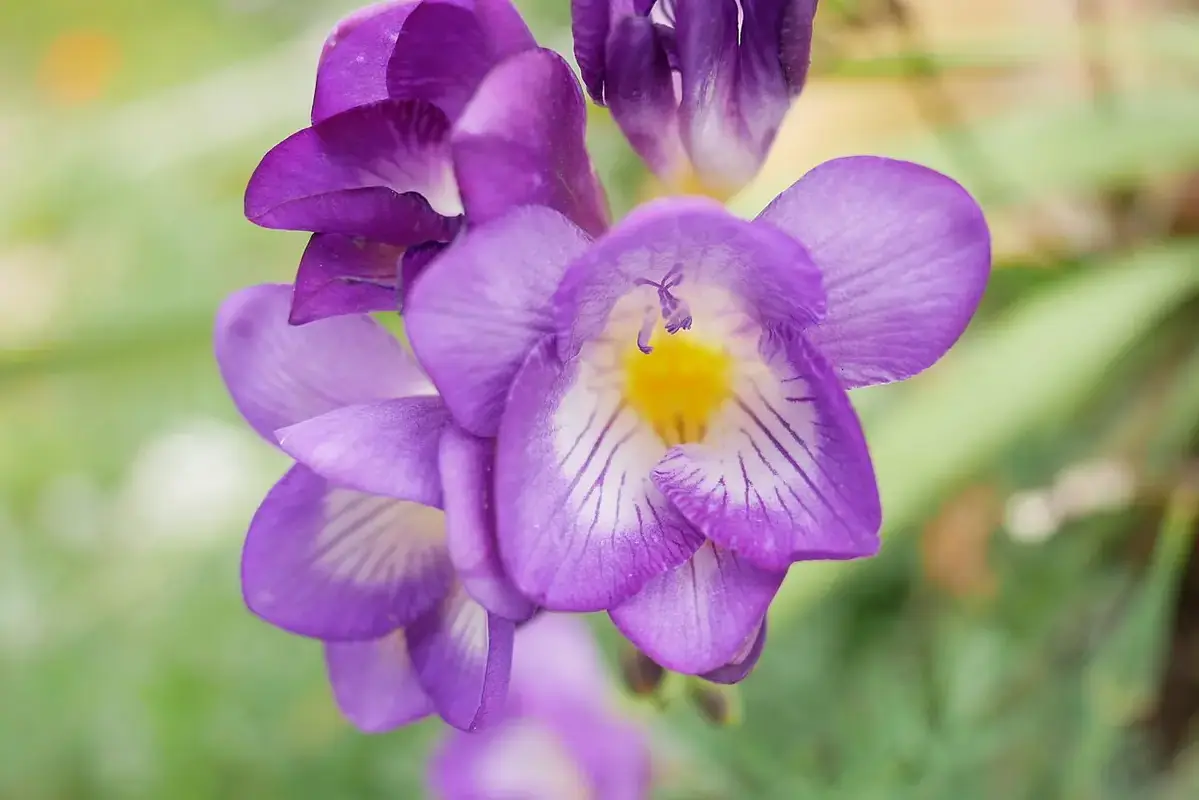
Test reach, grip and water transfer with an empty setup before choosing a flower display that is comfortable to maintain.
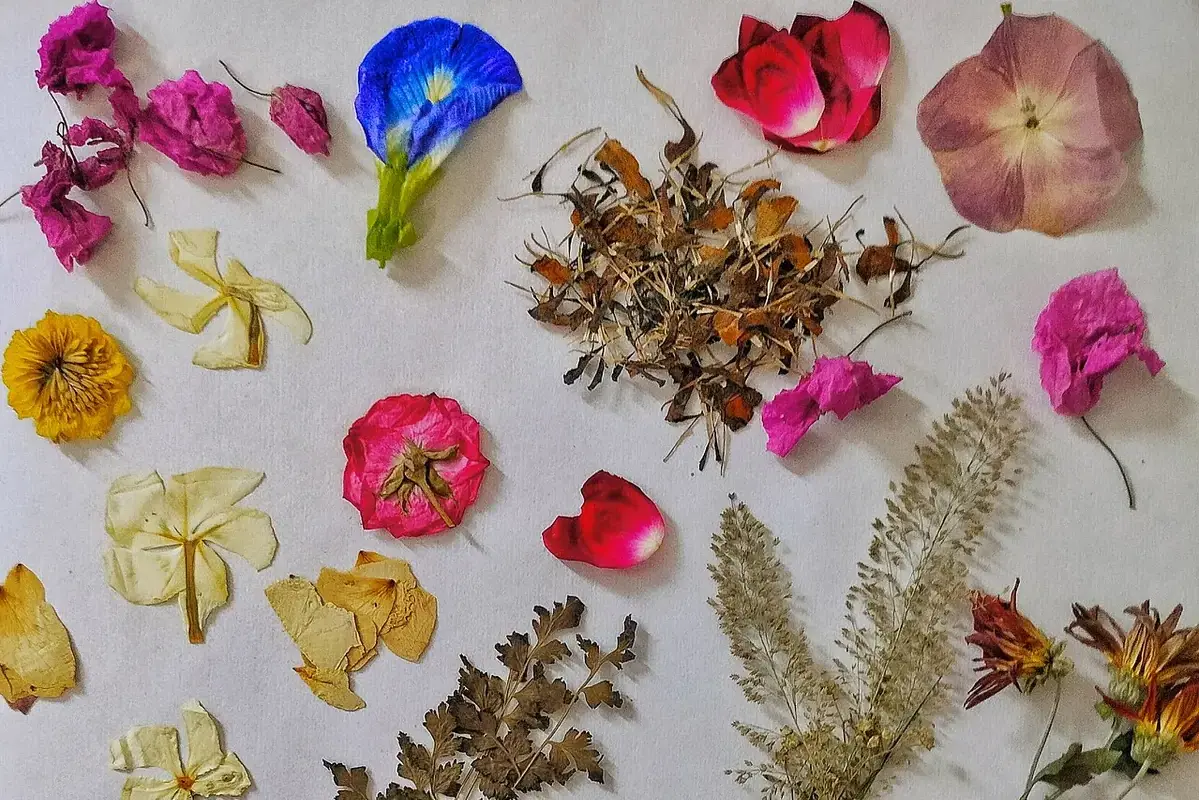
Assess moisture and adhesion before releasing a pressed flower, and keep the backing when separation would destroy the specimen.
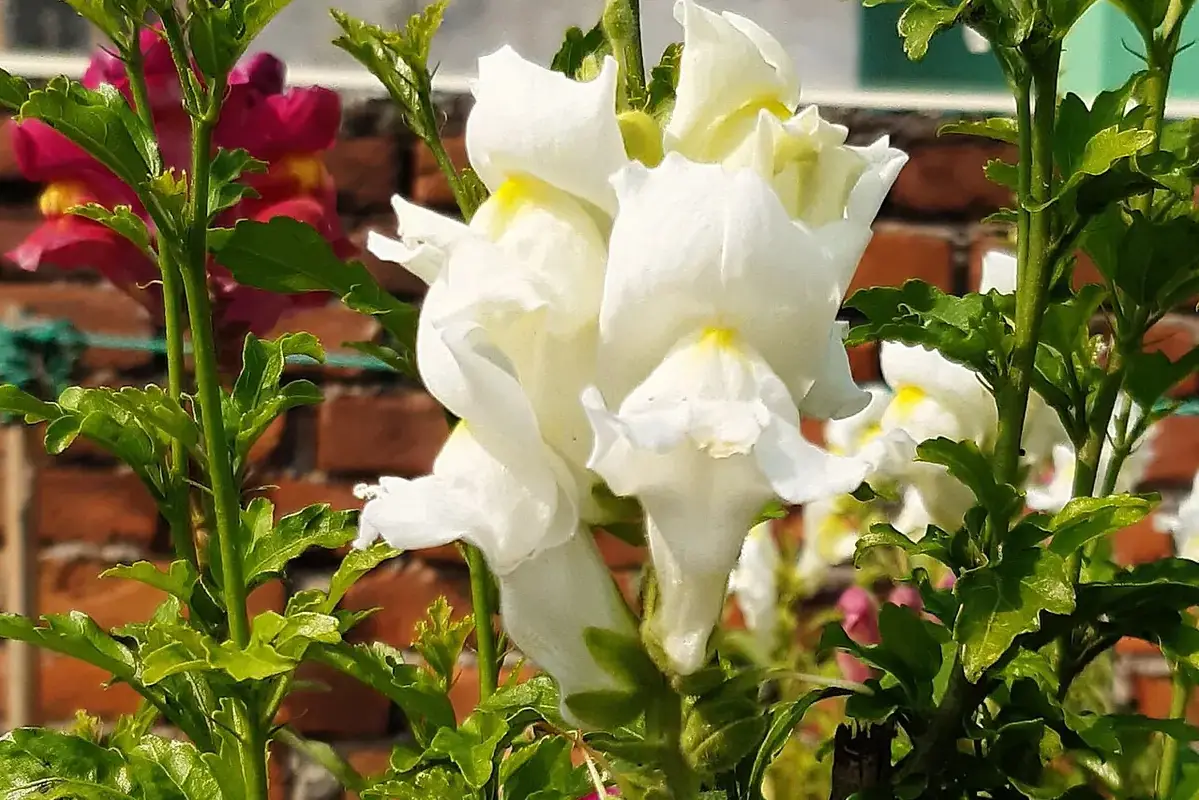
Choose a side view or documented section for tubular flowers so pressing preserves recognisable shape rather than a crushed wet centre.
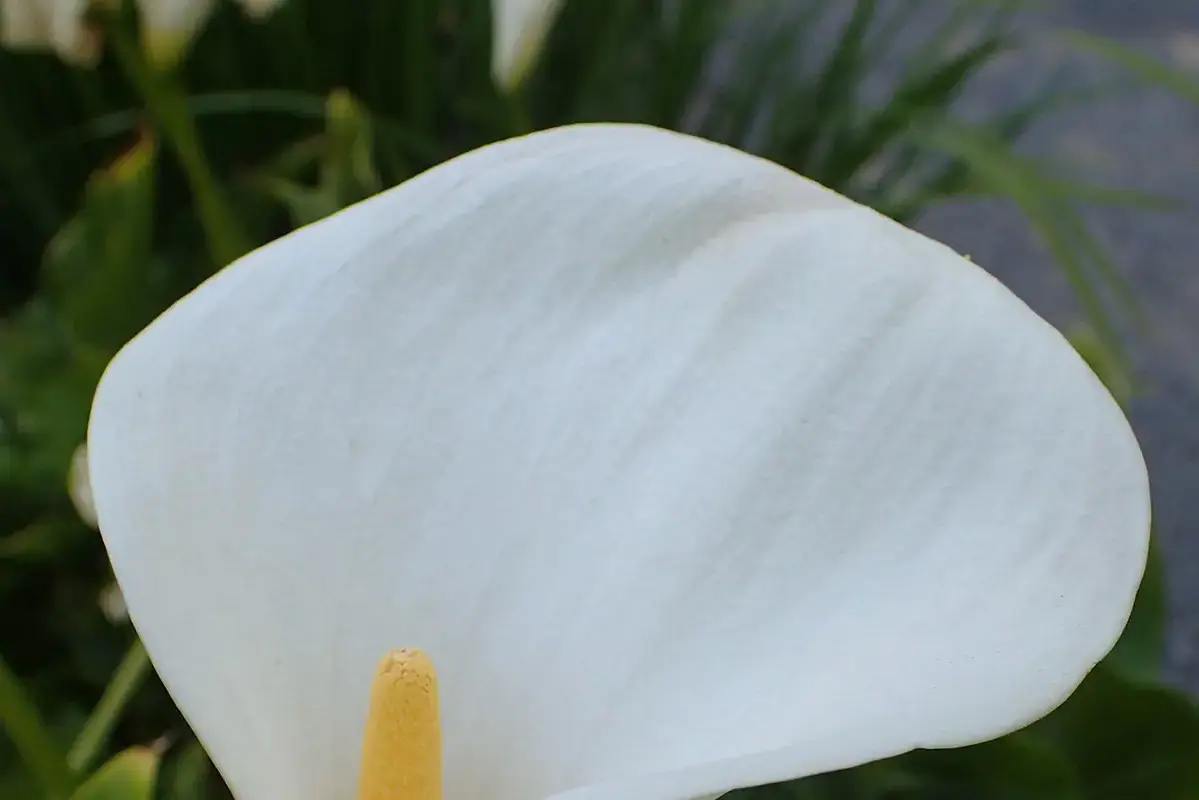
Build a readable sightline to a table-number card without inserting paper into wet stems or cutting every flower short.
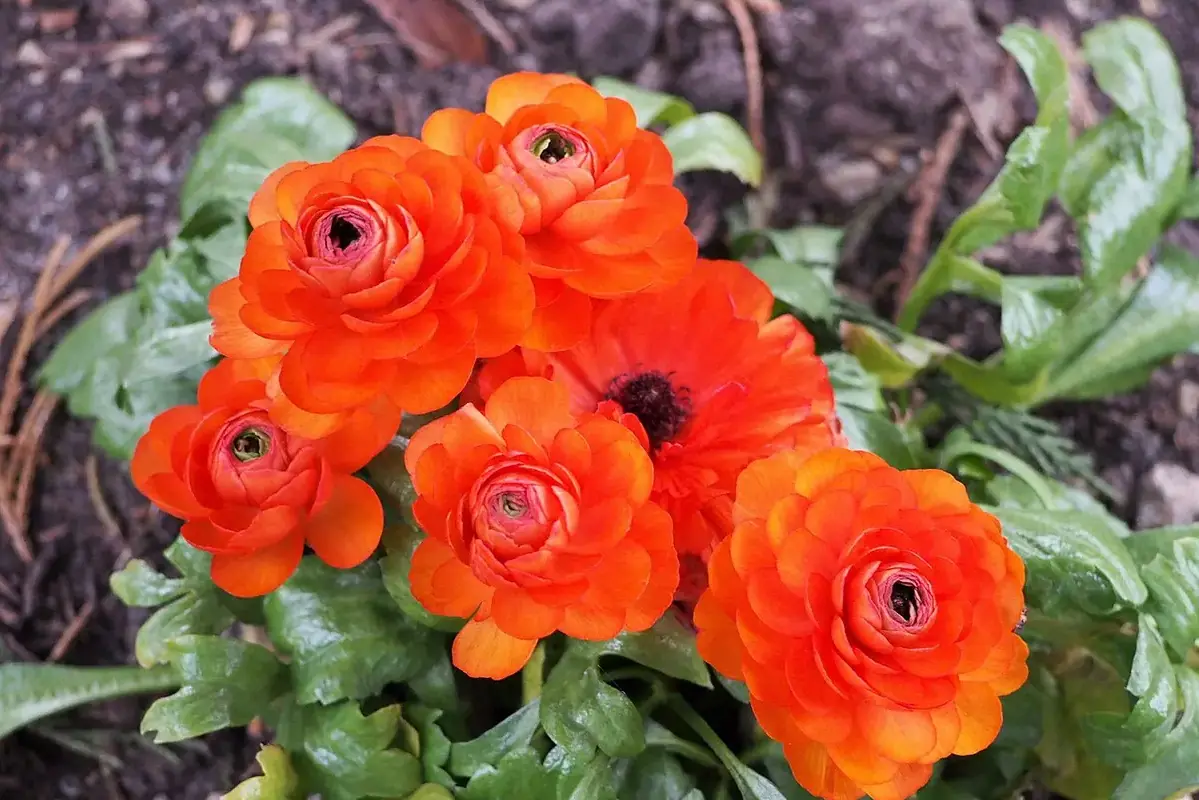
Choose an alternative flower by scale, line, branching and care needs rather than assuming that matching colour makes an equivalent substitution.
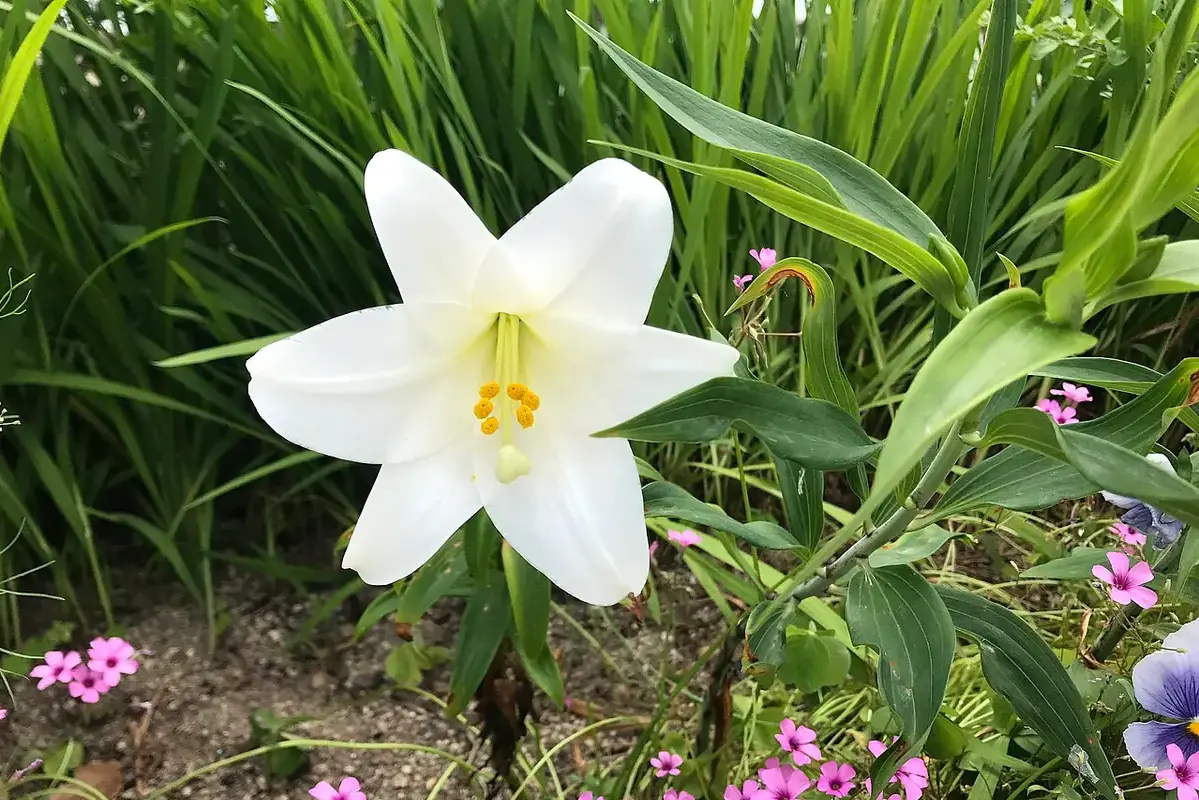
Account for added meltwater and displaced volume before putting ice into a vase that already contains measured flower-food solution.

Consider collection surfaces, storage history and indoor handling before choosing rain-barrel water simply because it seems soft or natural.
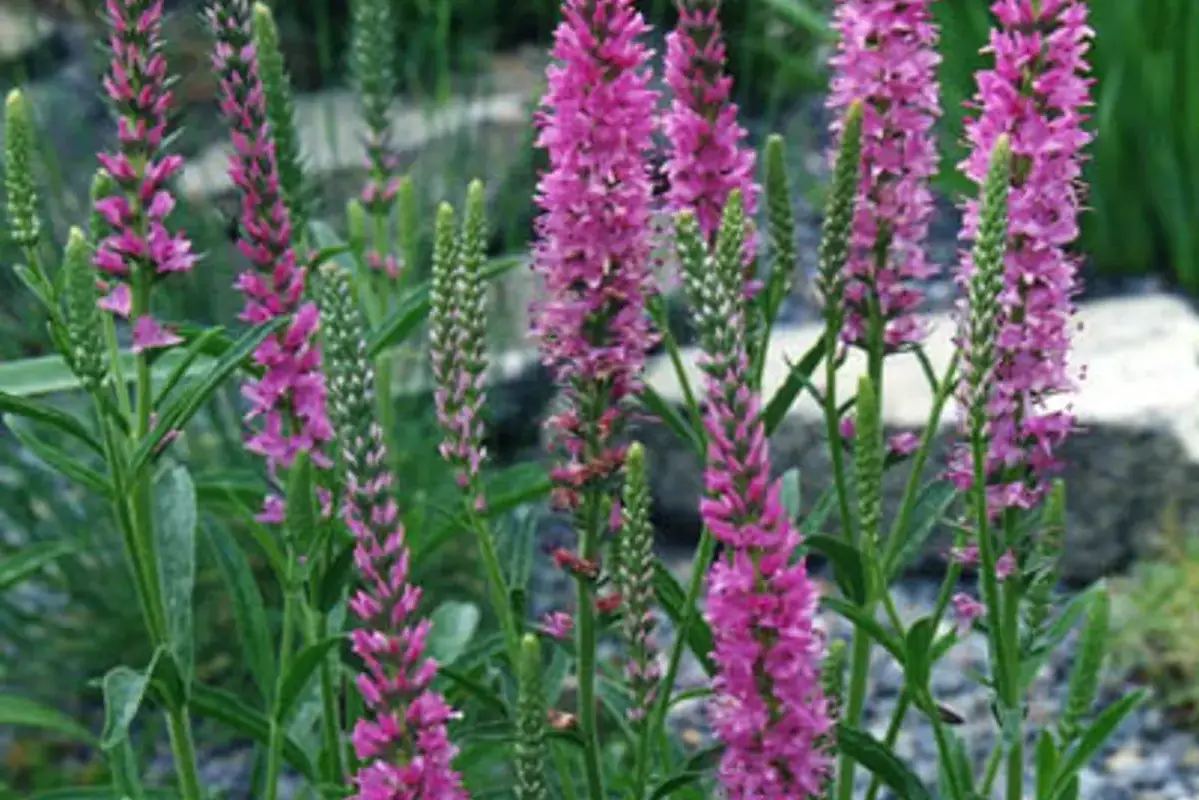
Distinguish a firm bud-bearing tip from damaged tissue before shortening a veronica flower spike for a tidier outline.
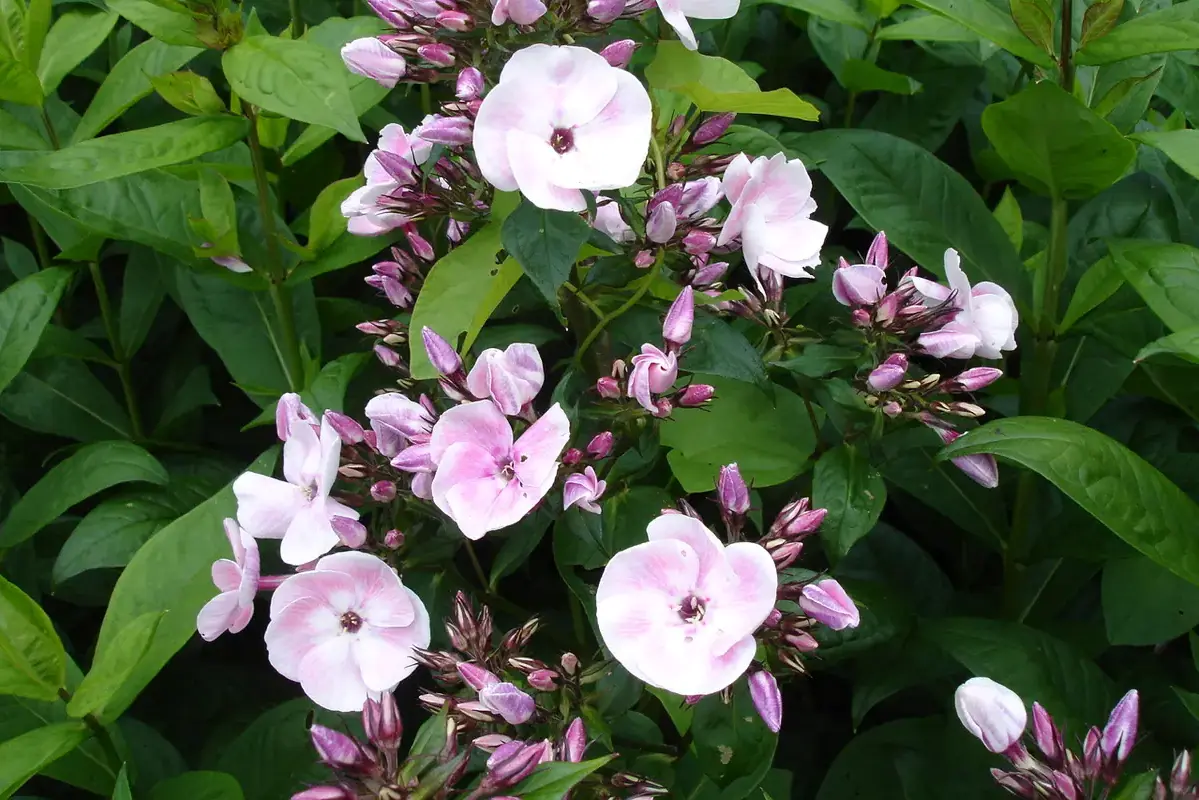
Groom a phlox cluster over a clean catch surface so loose corollas do not disappear into the reservoir during routine handling.
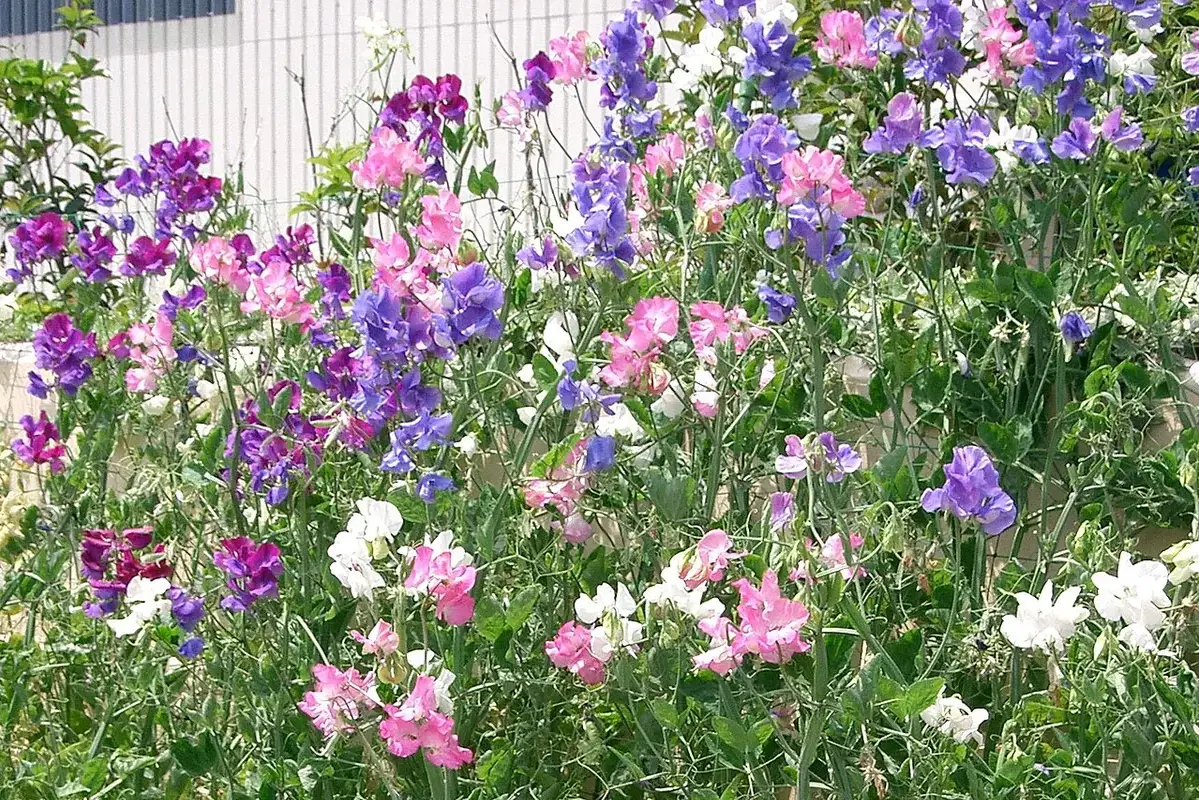
Distinguish attached new roots from residue and separate a propagation attempt from the needs of a cut-flower vase.
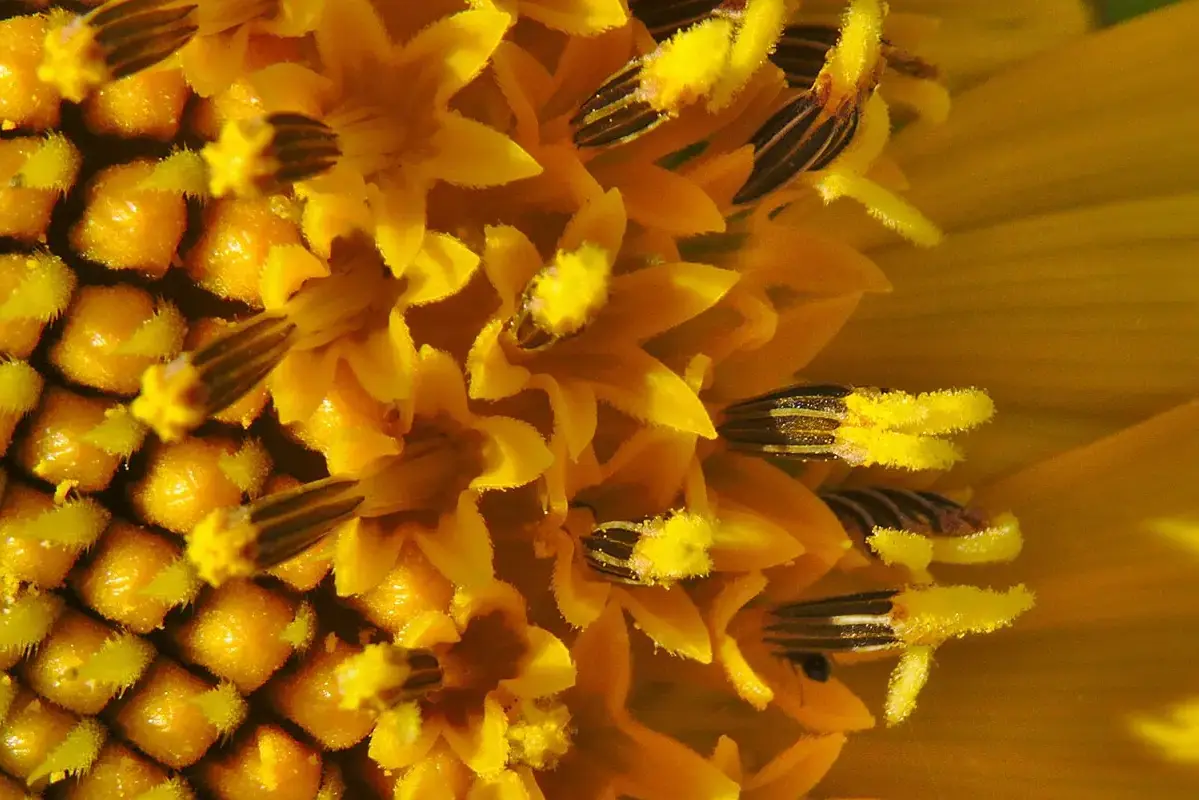
Use sunflower disk anatomy and tissue texture to distinguish dry shedding from a soft deteriorating flower head.
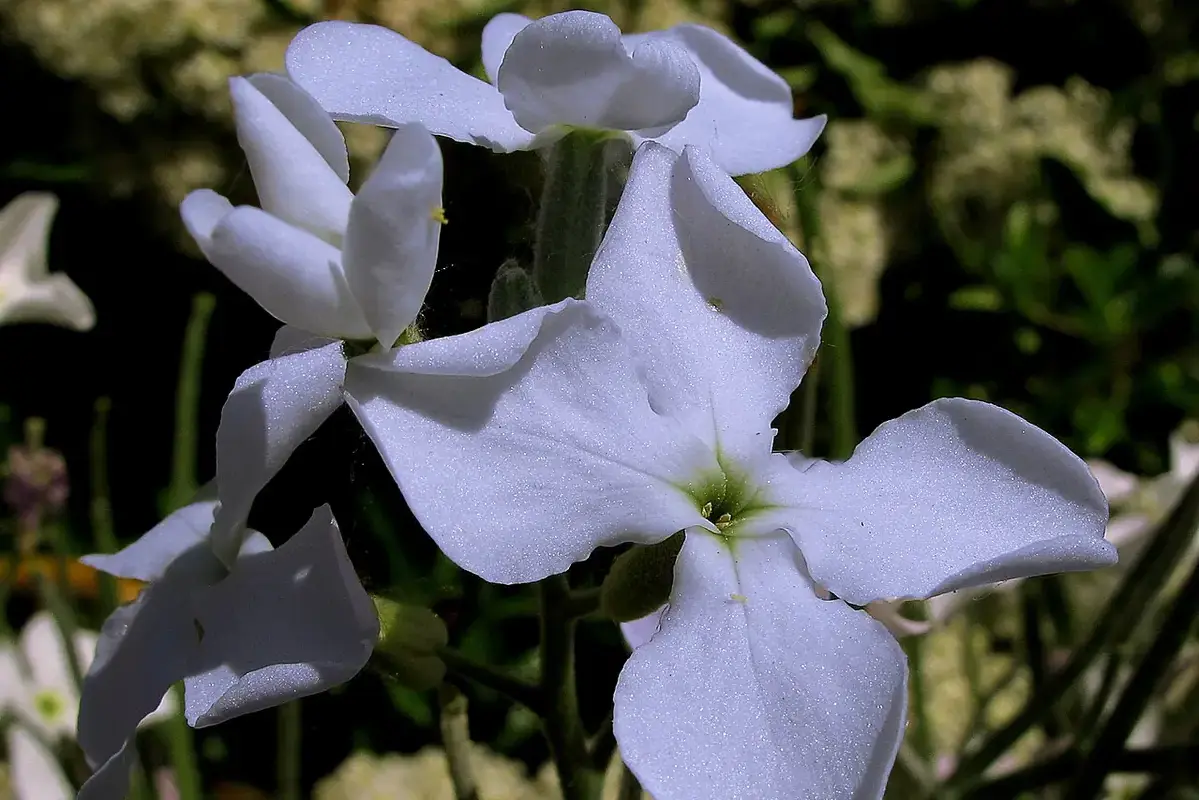
Assign office bouquet responsibility and record measured solution changes so several helpful colleagues do not repeatedly add flower food.

Reduce falling-object consequences with lower placement and appropriate restraints rather than assuming vase weight guarantees seismic stability.
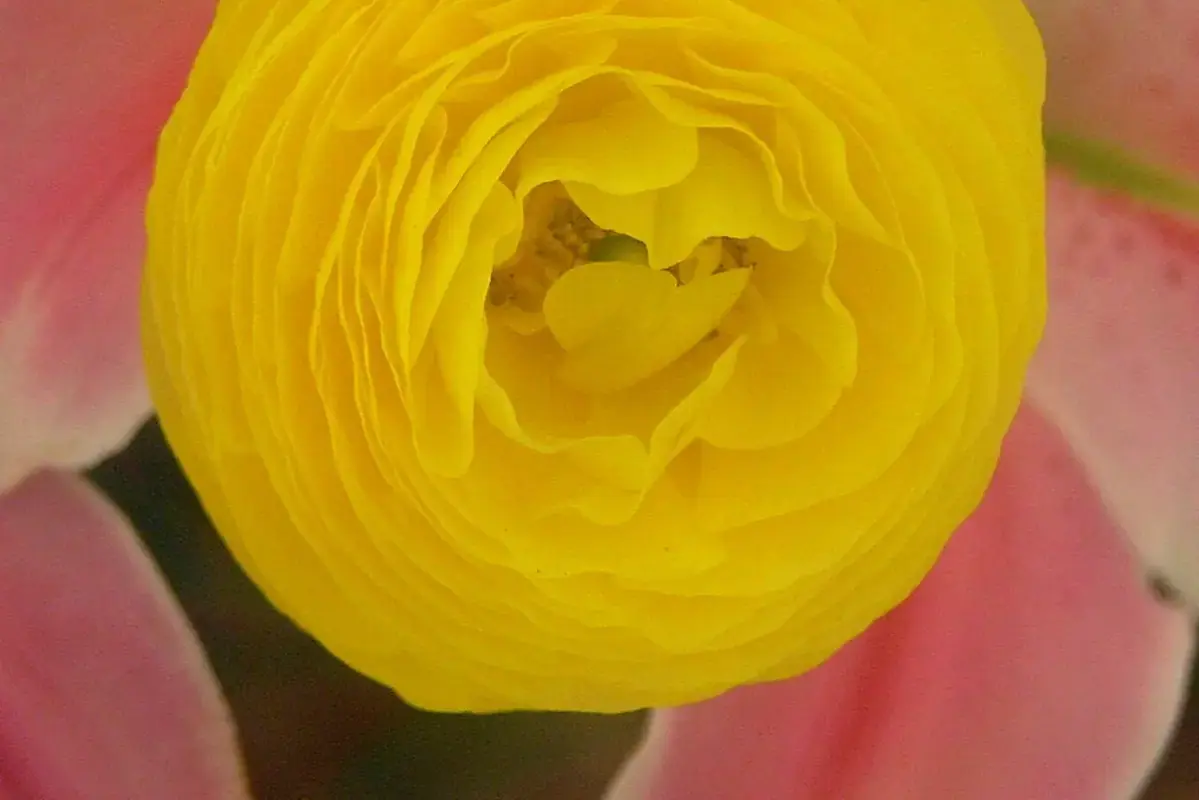
Recognise an embossed paper imprint as a contact-pressure artifact and choose smooth absorbent sheets for the next press.
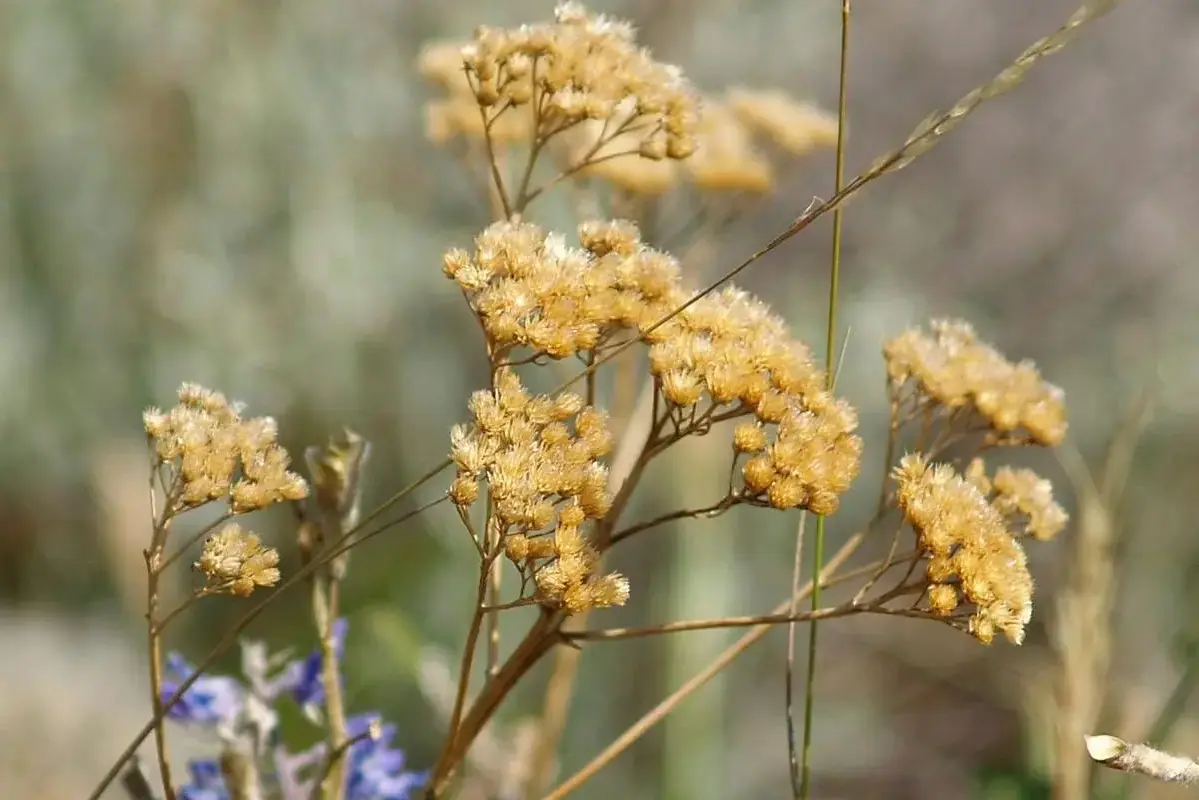
Plan a dry petal layout, preserve provenance and label reconstructed keepsakes rather than presenting them as intact dried flowers.
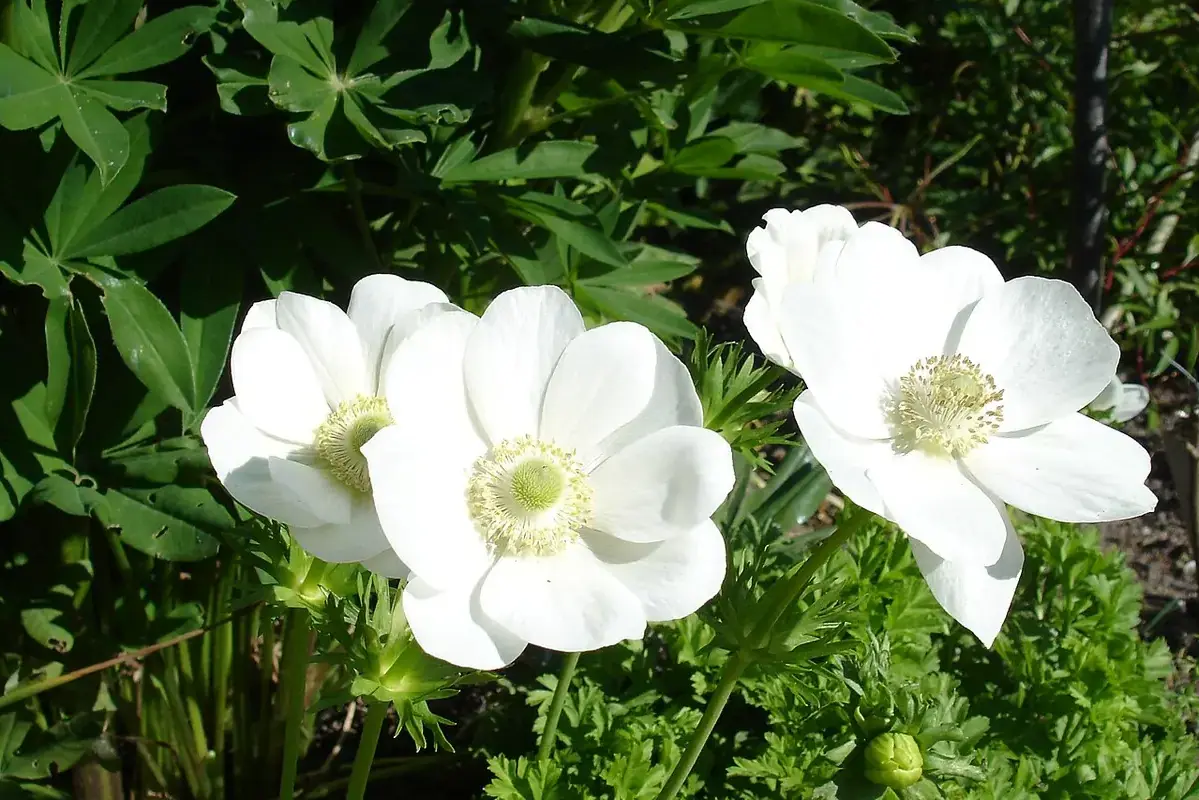
Arrange the tool, waste tray and clean water around your working hand so preparing flowers does not require awkward reaches across open blades.
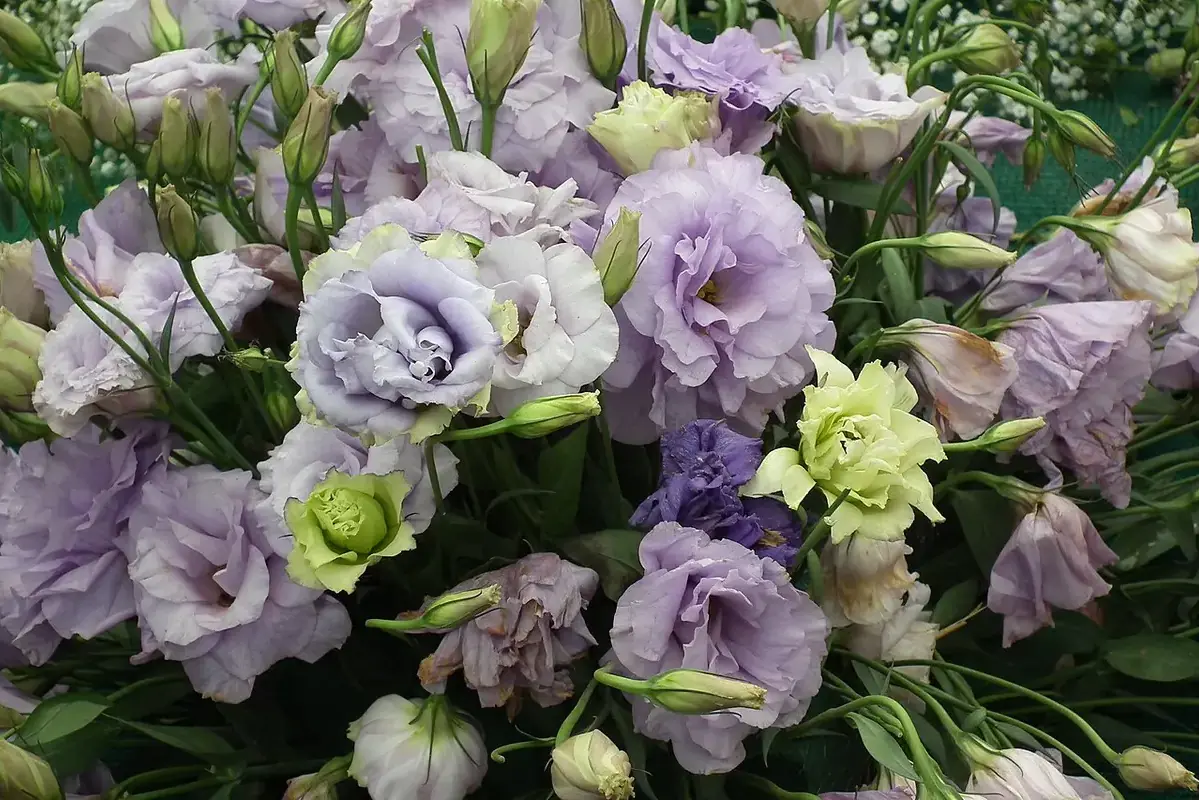
Prevent a branching stem from hanging by its fork at the vase opening while its cut end remains above the water.

Separate aquarium maintenance from bouquet care instead of carrying rooted-plant fertilizing logic and tank equipment into the flower vase.
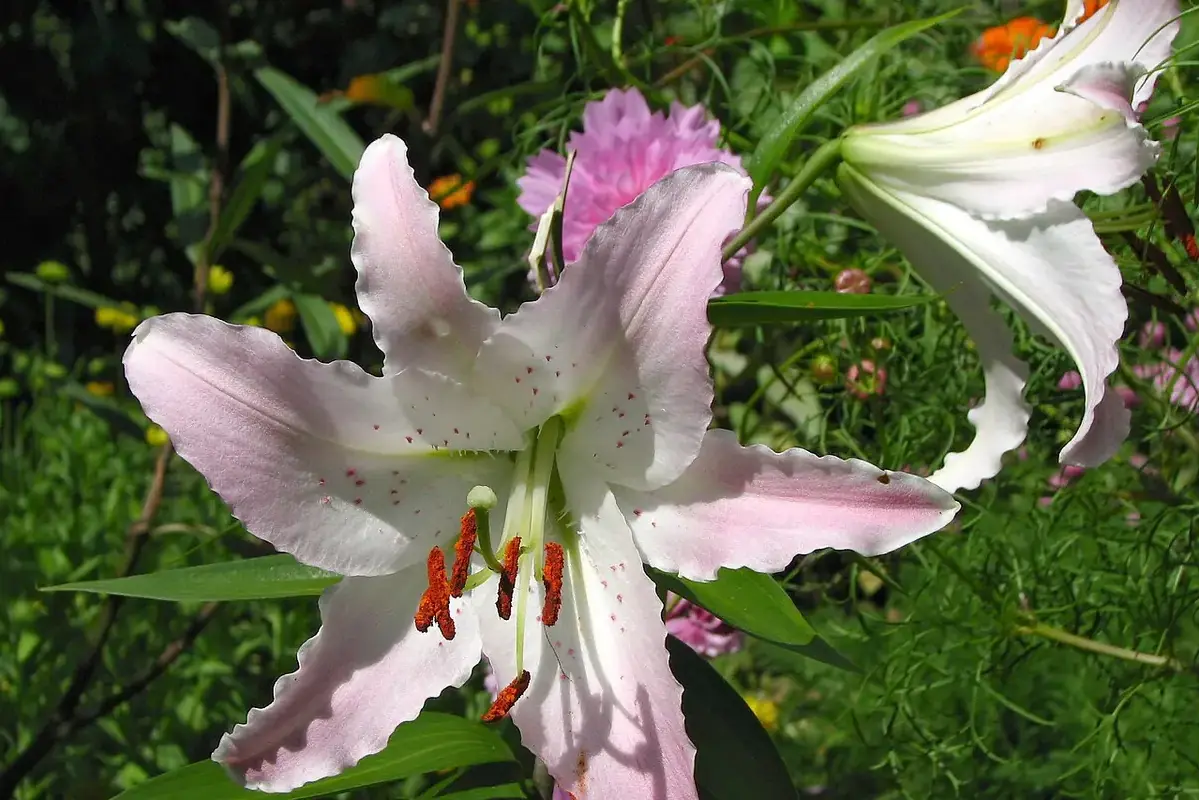
Keep a complete vase-food formulation at its labelled dose instead of adding kitchen sugar to try to accelerate slow buds.
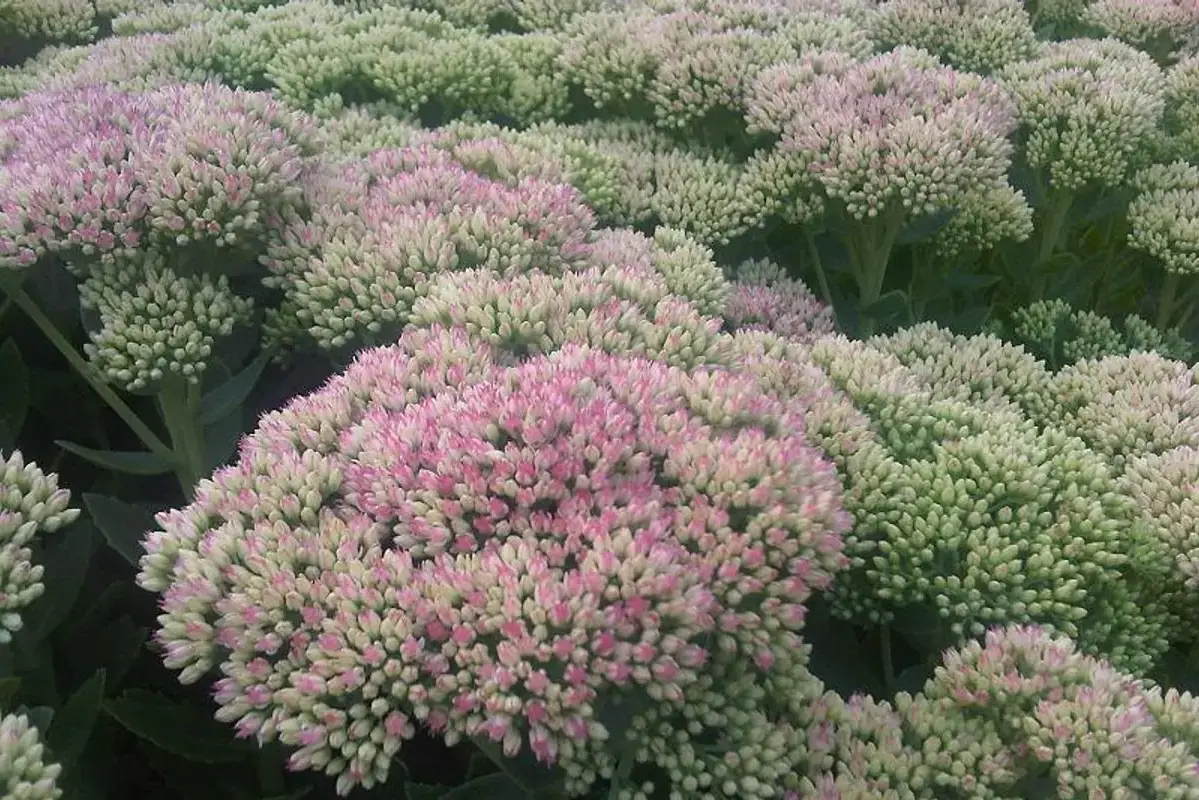
Prepare Hylotelephium stems with enough clear length beneath the broad crown while removing submerged fleshy leaves without tearing the main stalk.

Use helenium ray shape, central disk and stem firmness to distinguish characteristic flower form from a new loss of turgor.
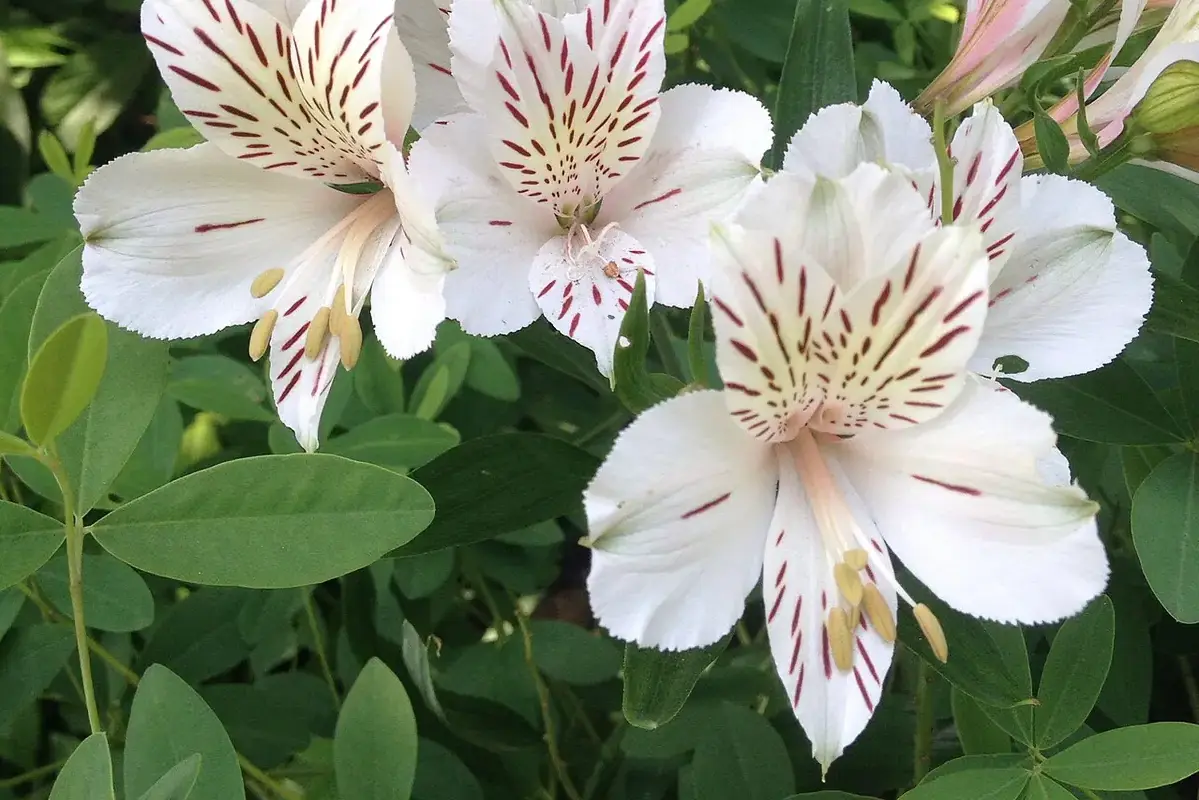
Recognise normal leaf-base rotation in alstroemeria and distinguish it from a crushed stem or limp leaf blade.
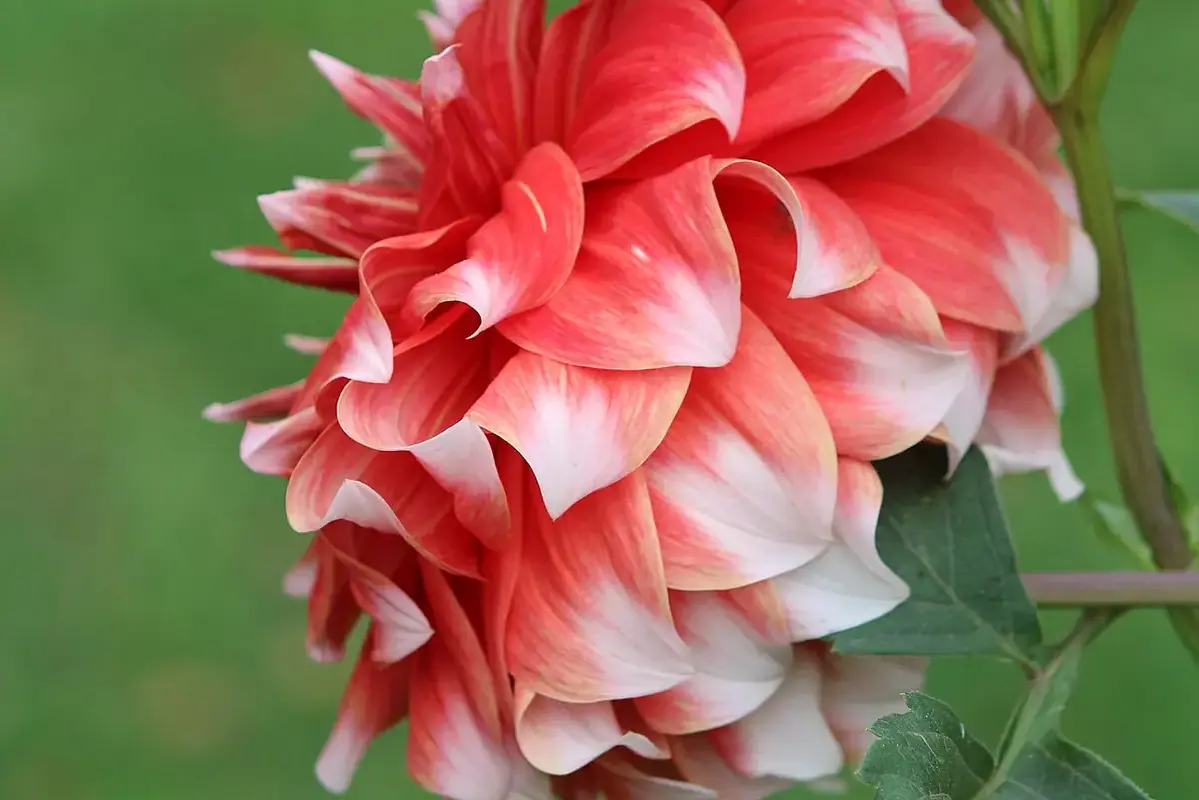
Distinguish missing petal tissue from a transport crease and inspect sheltered dahlia heads without assuming every hole is insect feeding.
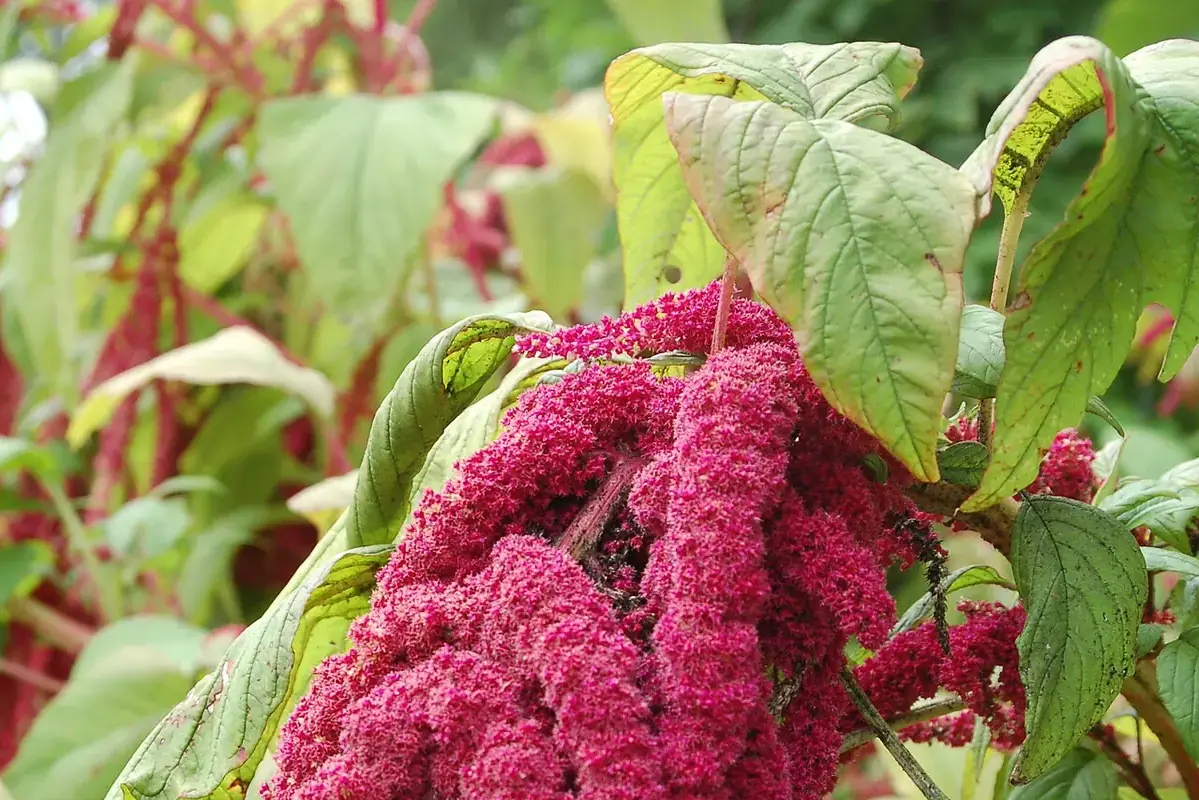
Build independent wet and dry supports so fresh stems remain hydrated without soaking preserved accents during display or refilling.
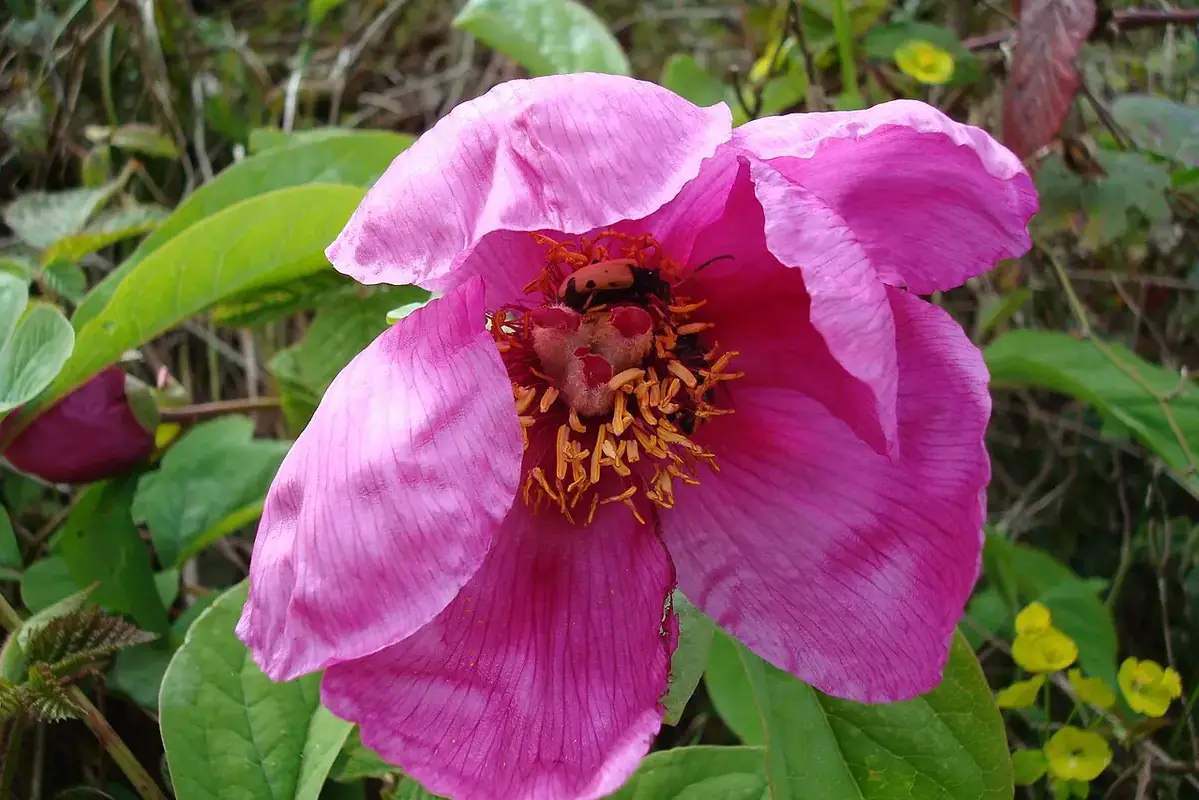
Confirm cemetery-specific rules for containers, attachments and removal dates before preparing a memorial flower display.
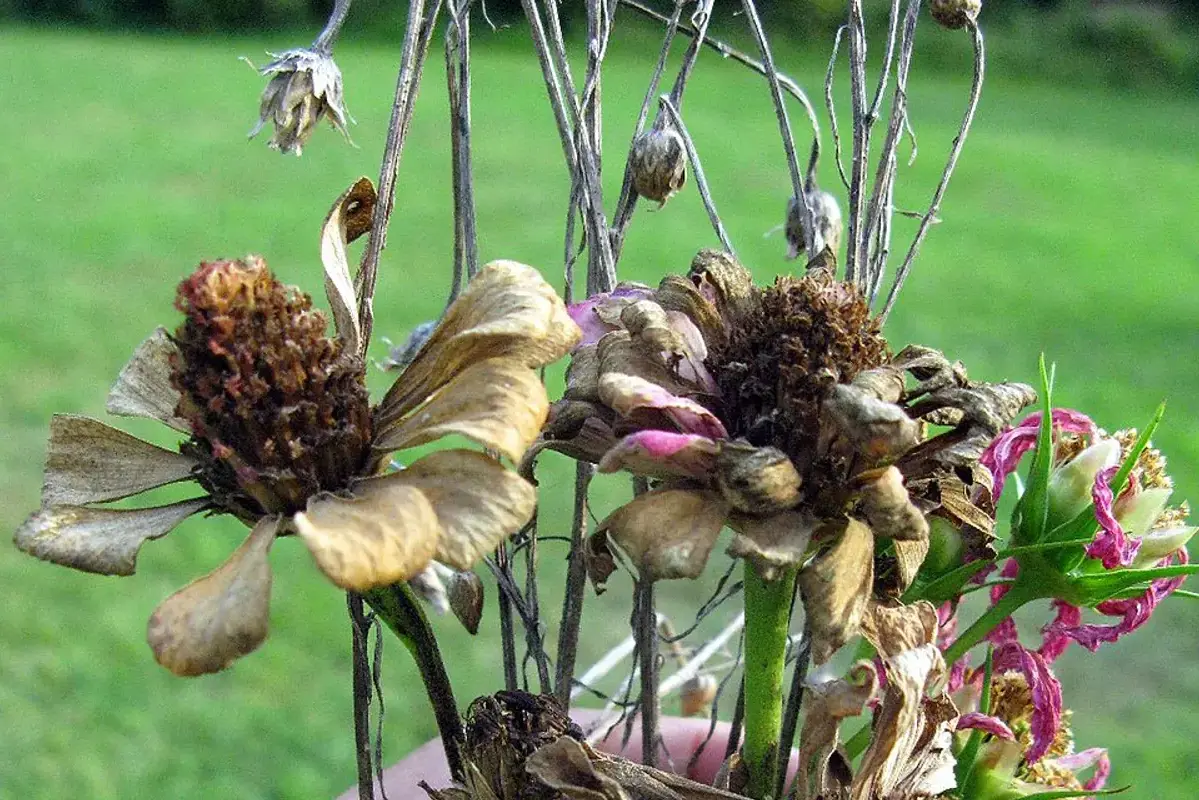
Use a separate support card and carefully placed paper restraints when a pressed-flower display may need to move later.
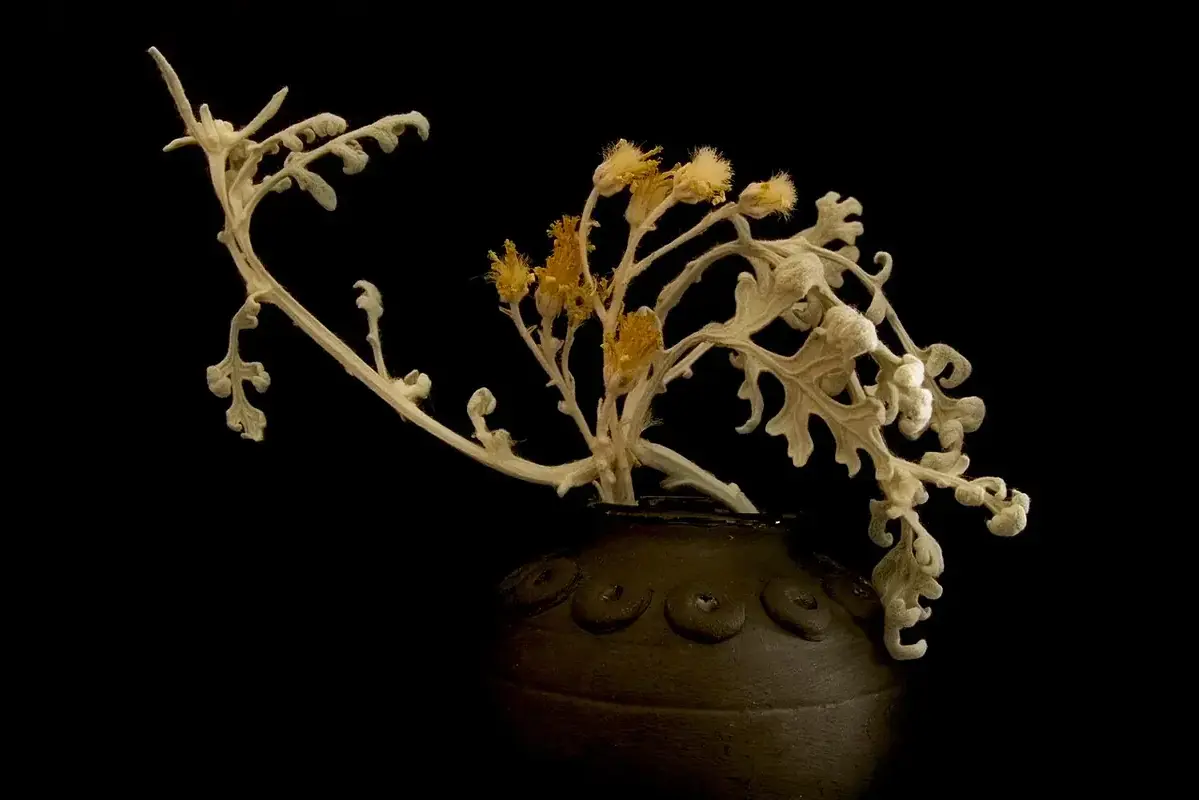
Distribute wreath attachments along sound stems and test the supported ring before hanging fragile dried flower heads.
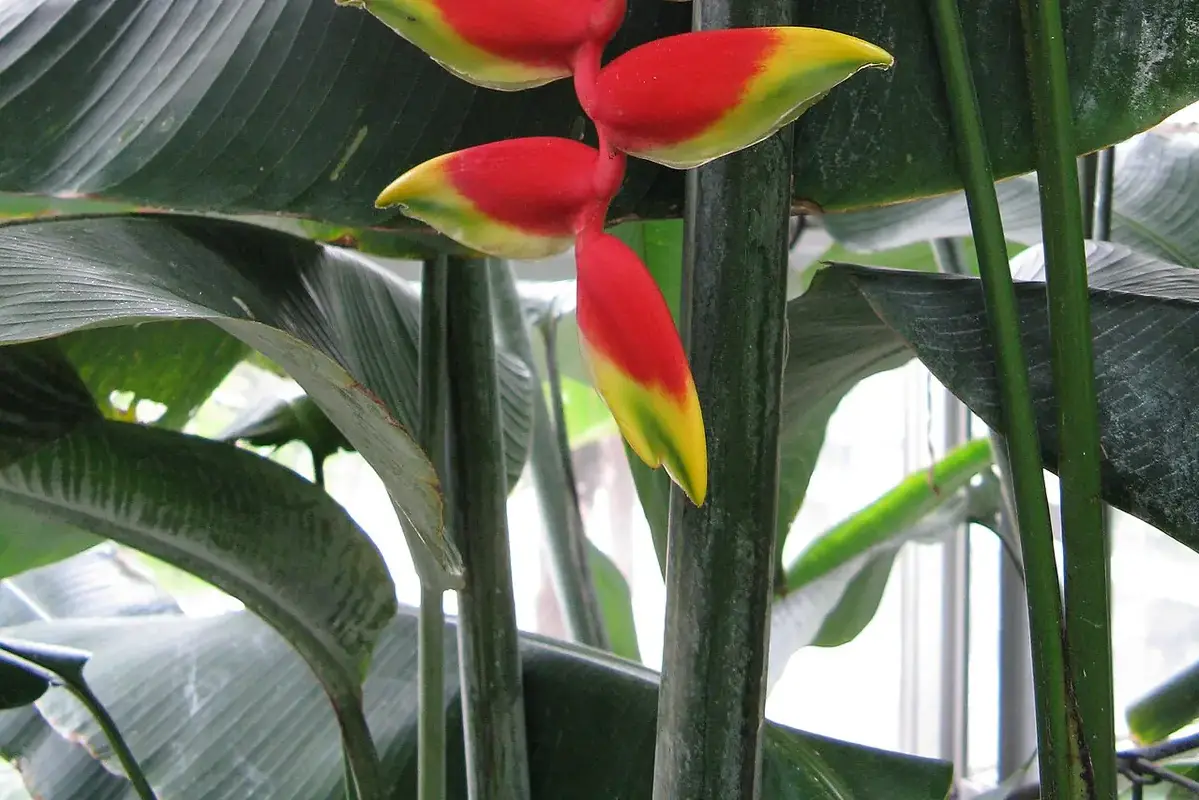
Preserve flower identity and supplier instructions before sleeves are discarded and unfamiliar stems disappear into a mixed bouquet.
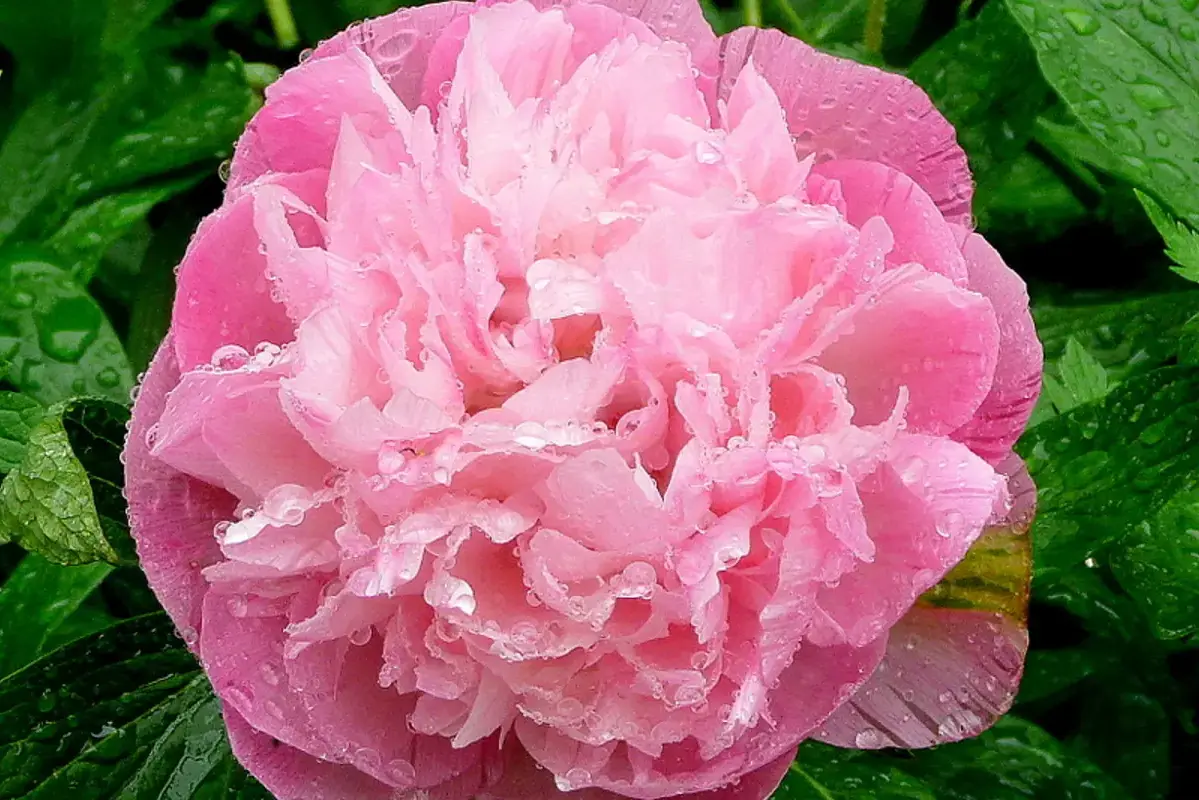
Use two ordinary viewing heights to separate hidden flower faces from genuinely excessive stem length before making irreversible cuts.
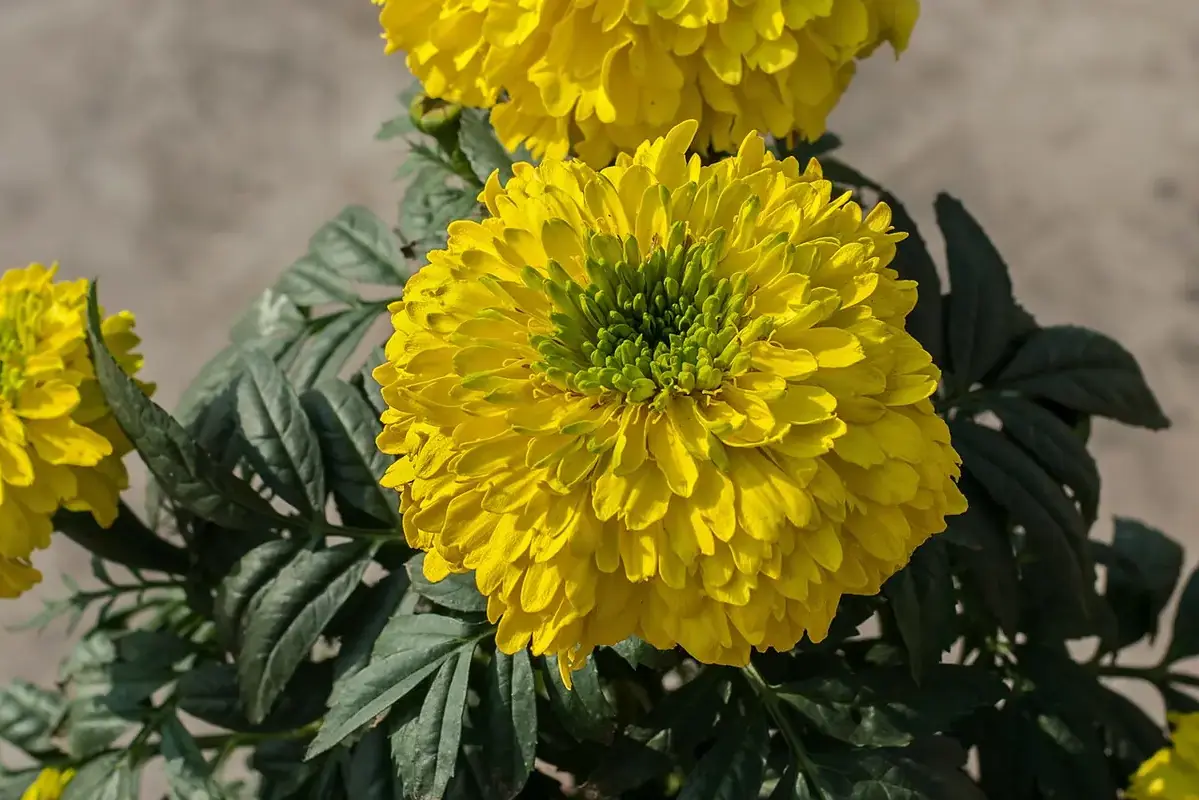
Recognize a displacement change after thinning a bouquet and recheck the remaining cut ends before diagnosing sudden thirst or a leak.
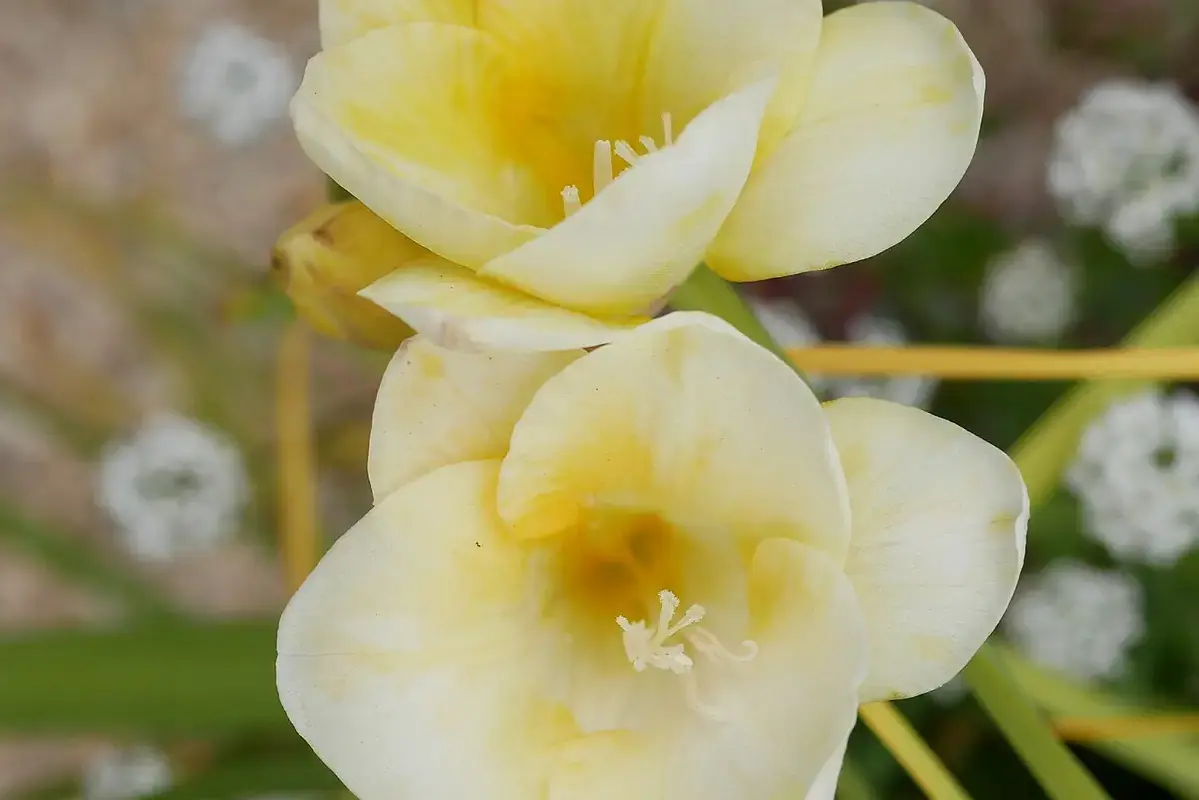
Maintain fresh cut-end contact while recovering exact product instructions instead of estimating a dose from an unlabelled sachet or bottle.
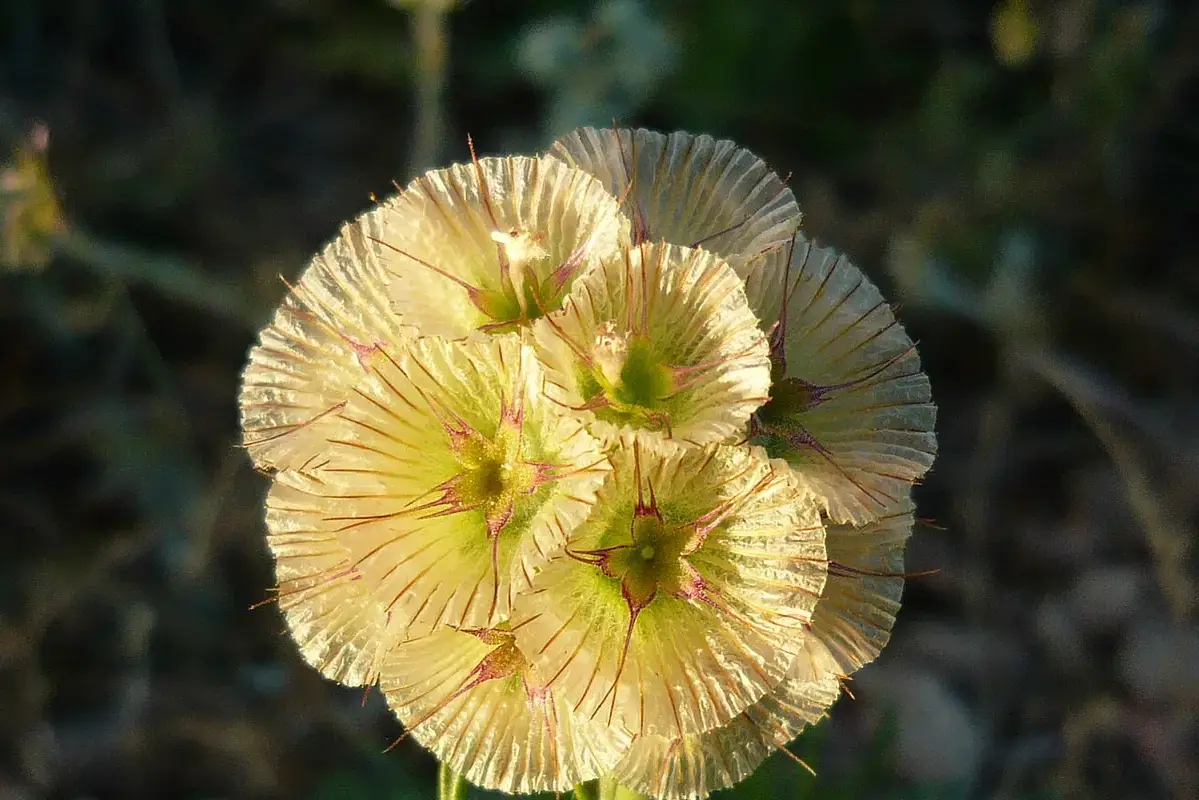
Recognize the papery fruiting stage of Scabiosa stellata, also called Lomelosia stellata, before applying bud-opening care to a finished flower head.
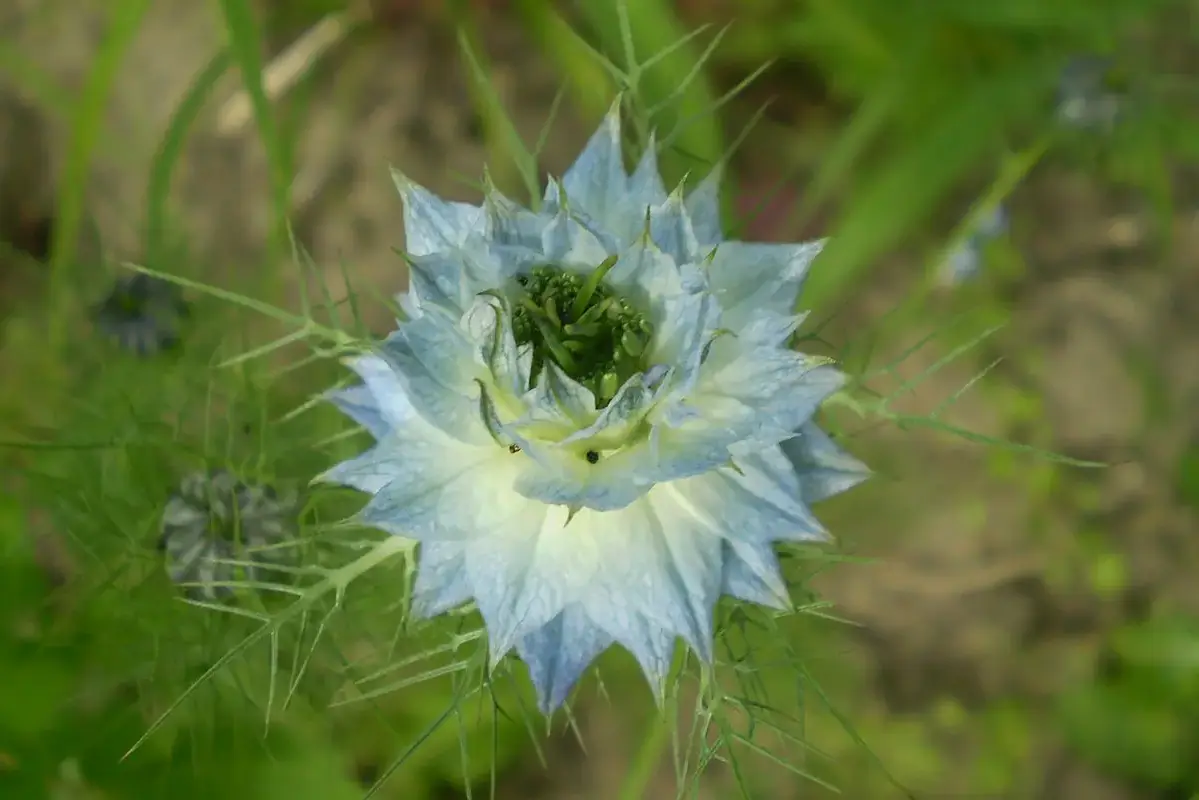
Recognize fresh Nigella damascena capsules, keep their supporting cut stems hydrated and avoid mistaking an inflated pod for a reluctant bud.
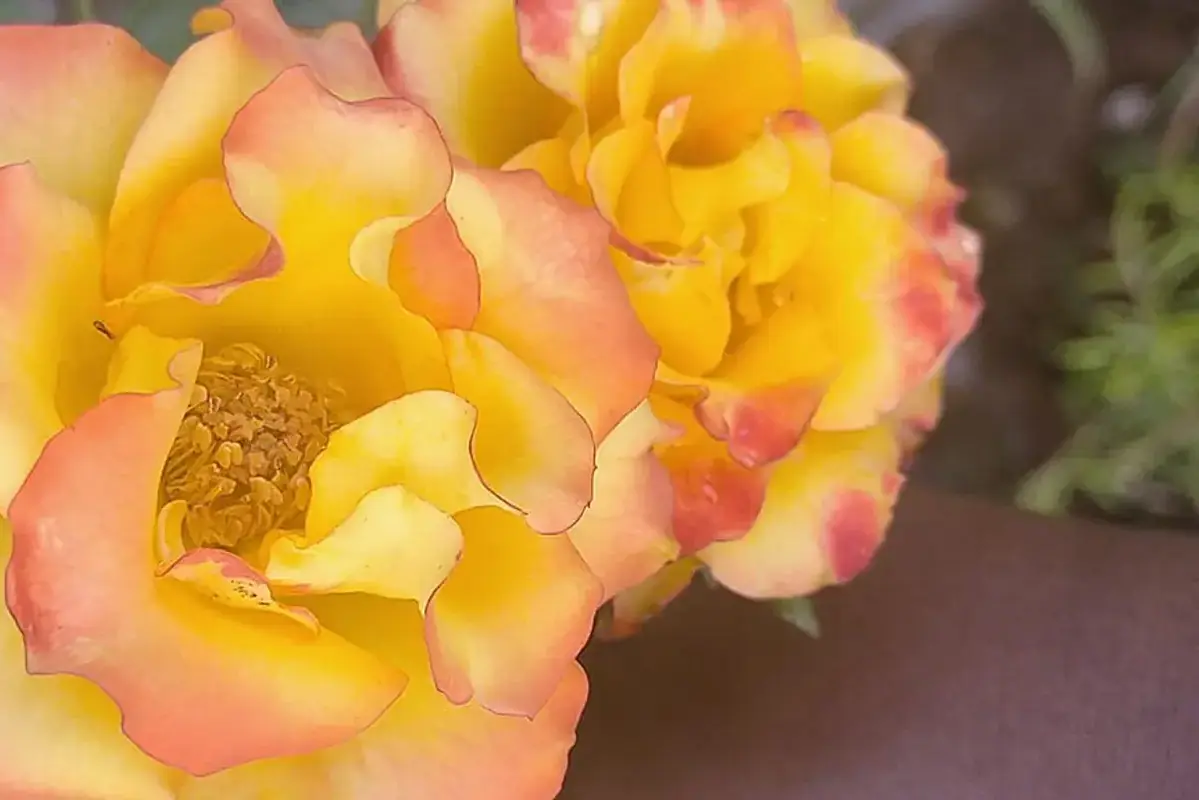
Inspect upper-leaf lesions and falling foliage on cut roses, then contain affected material without applying garden fungicides indoors.
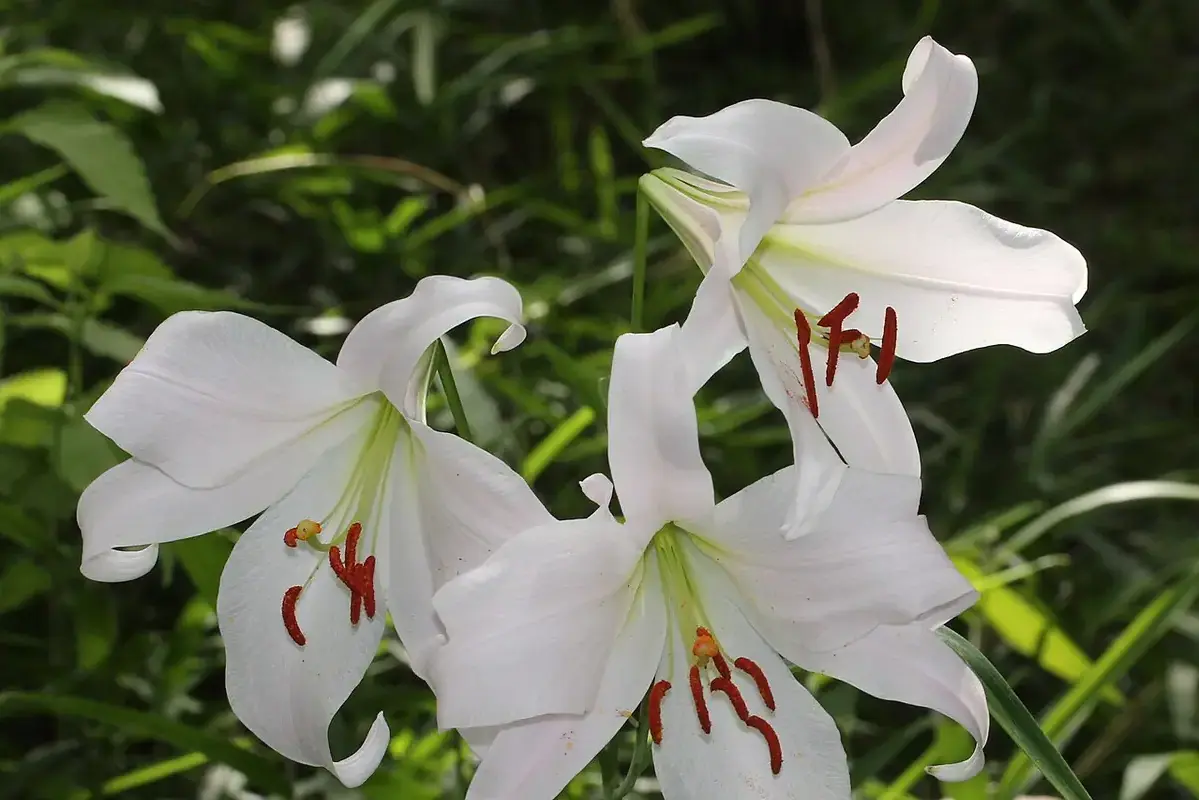
Record a possible chemical exposure, separate the bouquet and seek product-specific guidance instead of rinsing or neutralising unknown residues.
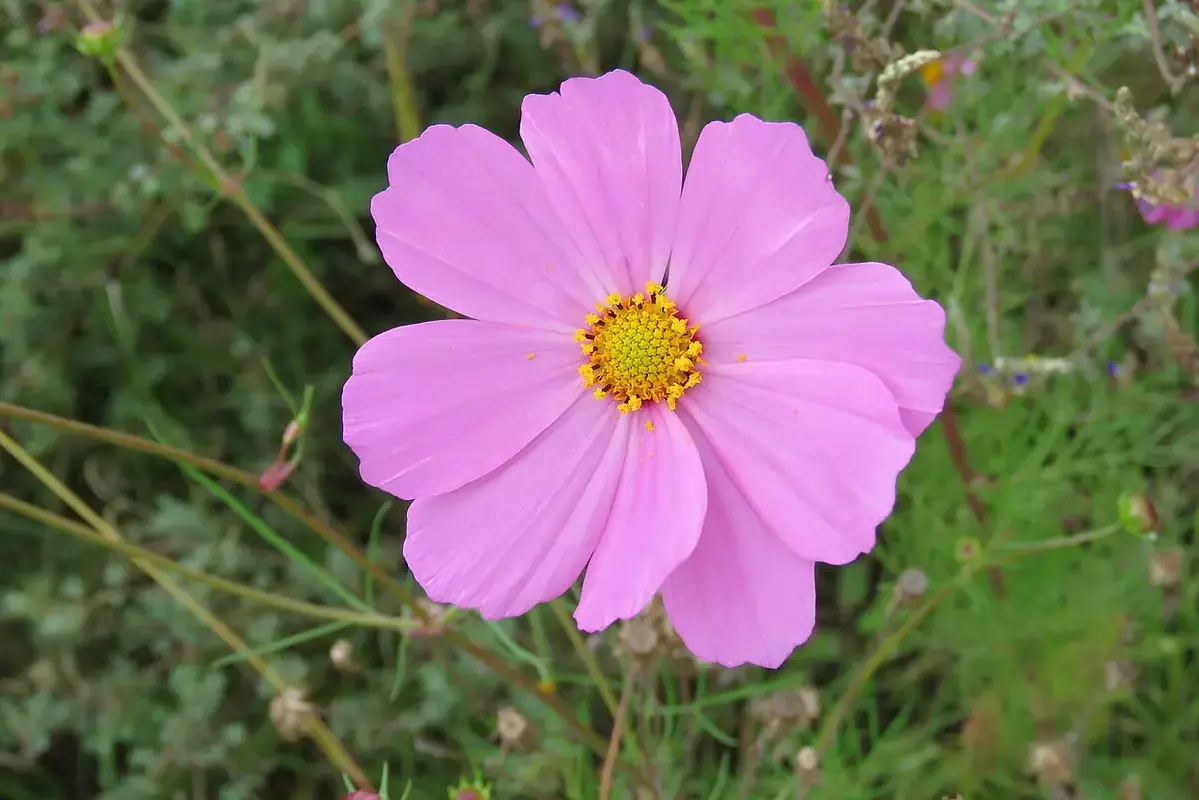
Move the vase out of concentrated airflow while preserving ventilation needed for people, cooking, cleaning and indoor air quality.
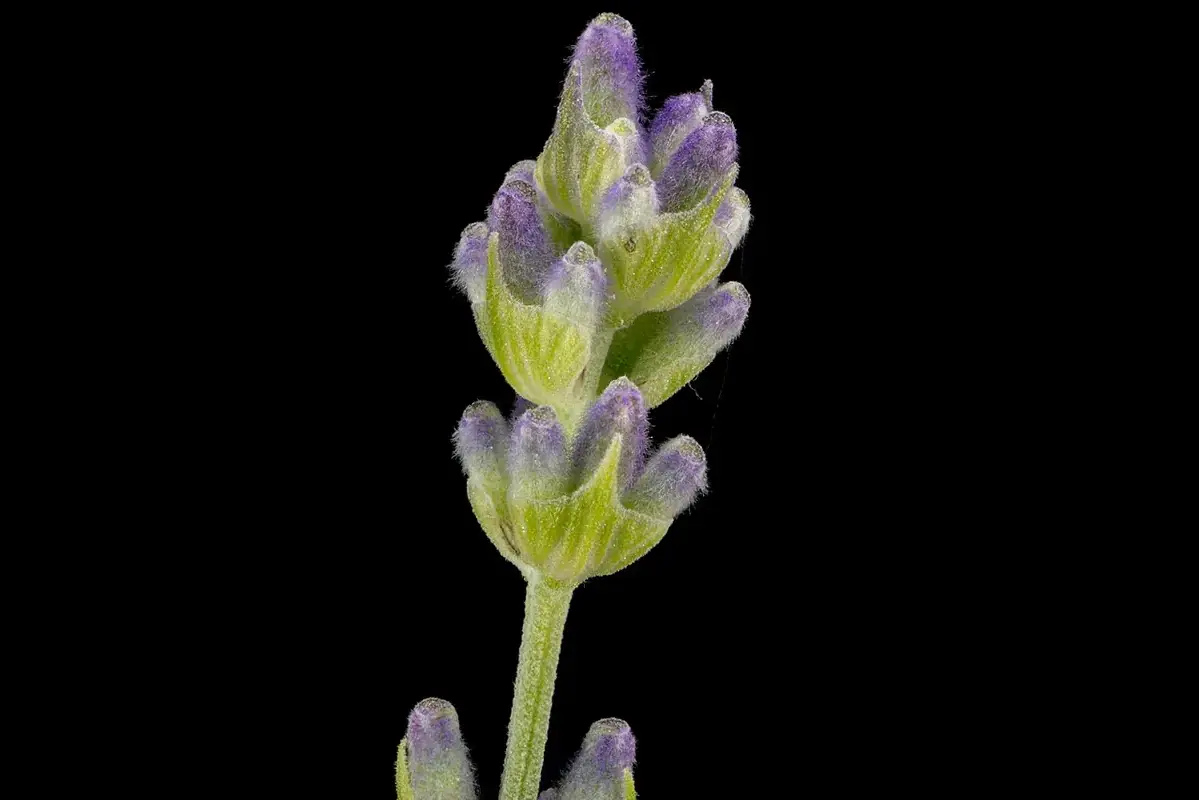
Use humidity readings as local context alongside petal wetness and temperature, not as a universal target or diagnosis.
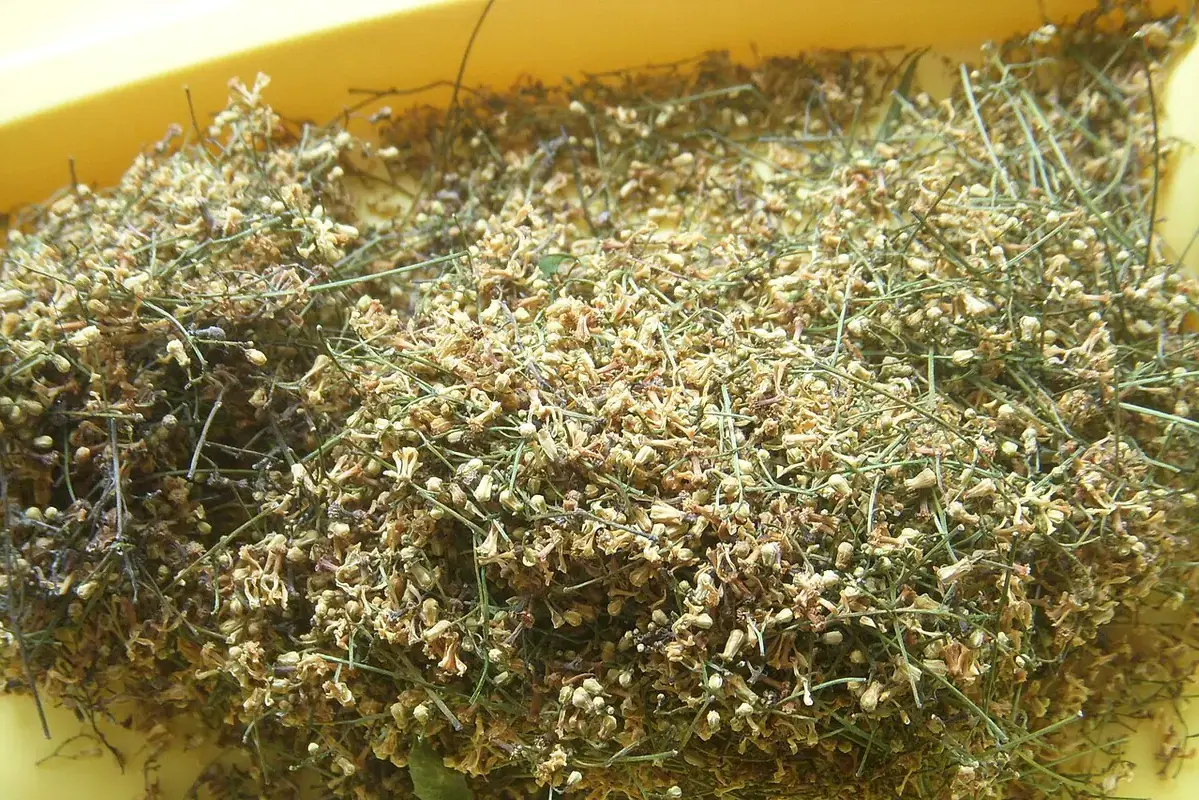
Confirm permission and flower treatment history before preparing dried petal confetti, and separate decorative use from food or skin safety.
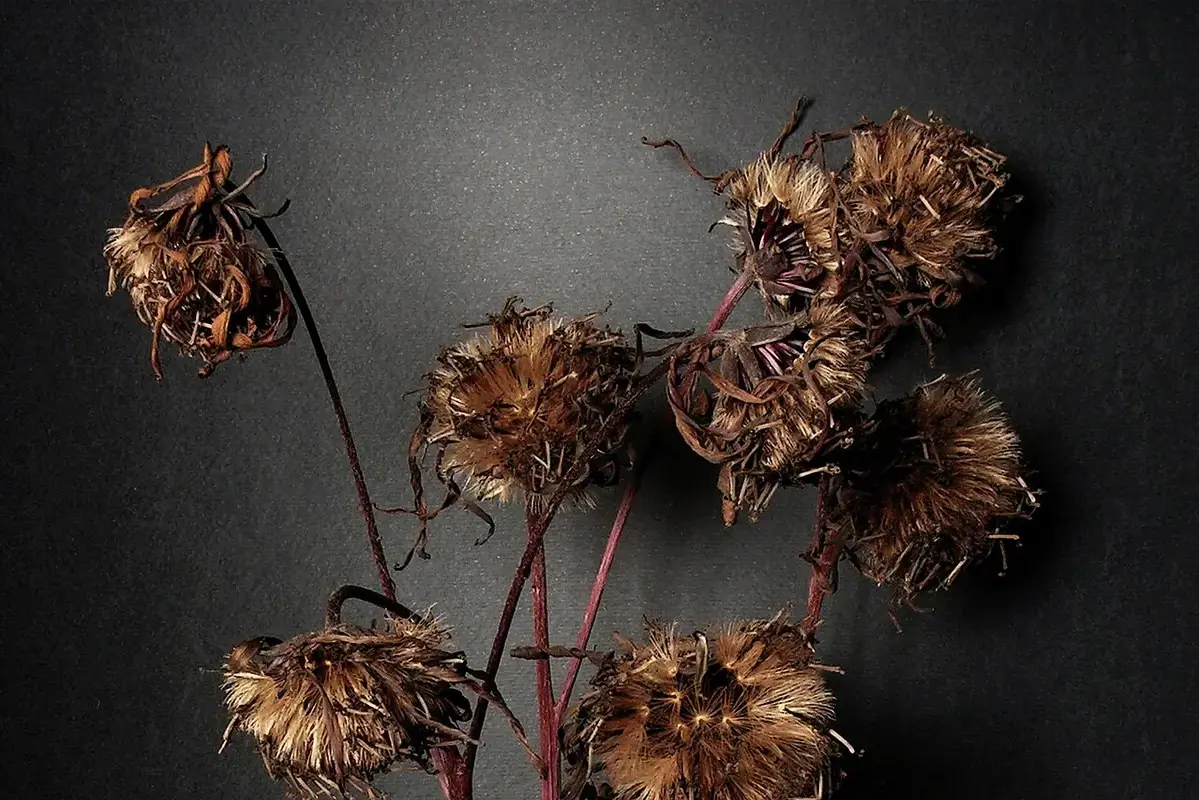
Separate optional shedding control from drying and long-term preservation, with product-label and aerosol safety limits.
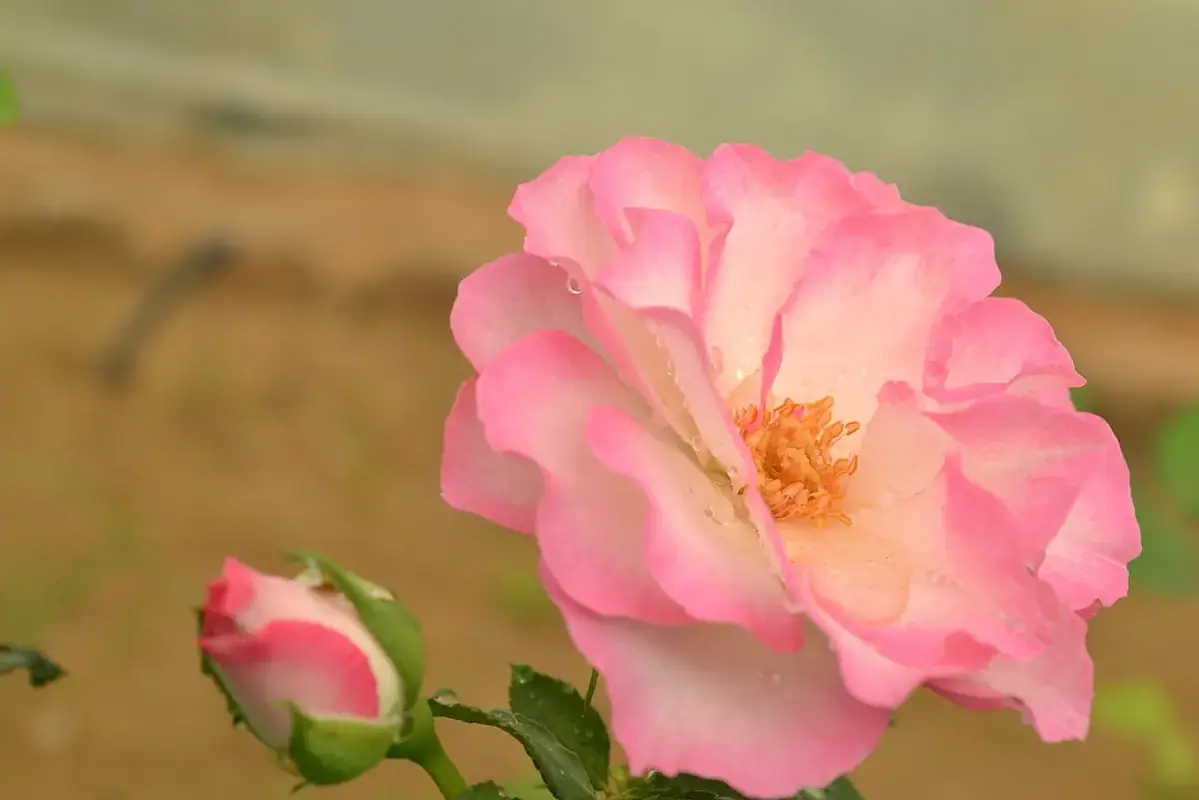
Create visible colour groups with individually removable stems instead of hidden mini-bundles that complicate later grooming and water changes.
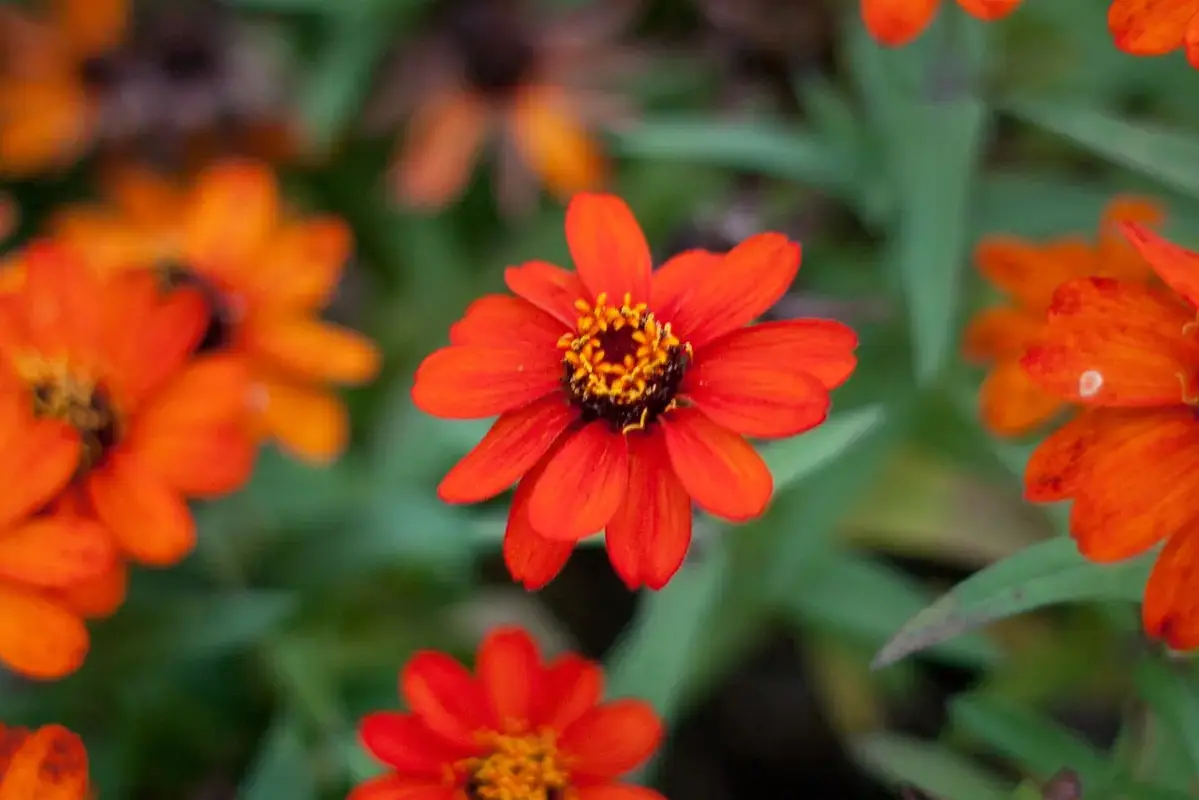
Make a final acceptance check for leaf pieces, loose ties and fallen petals introduced during arranging before the bouquet leaves the workbench.
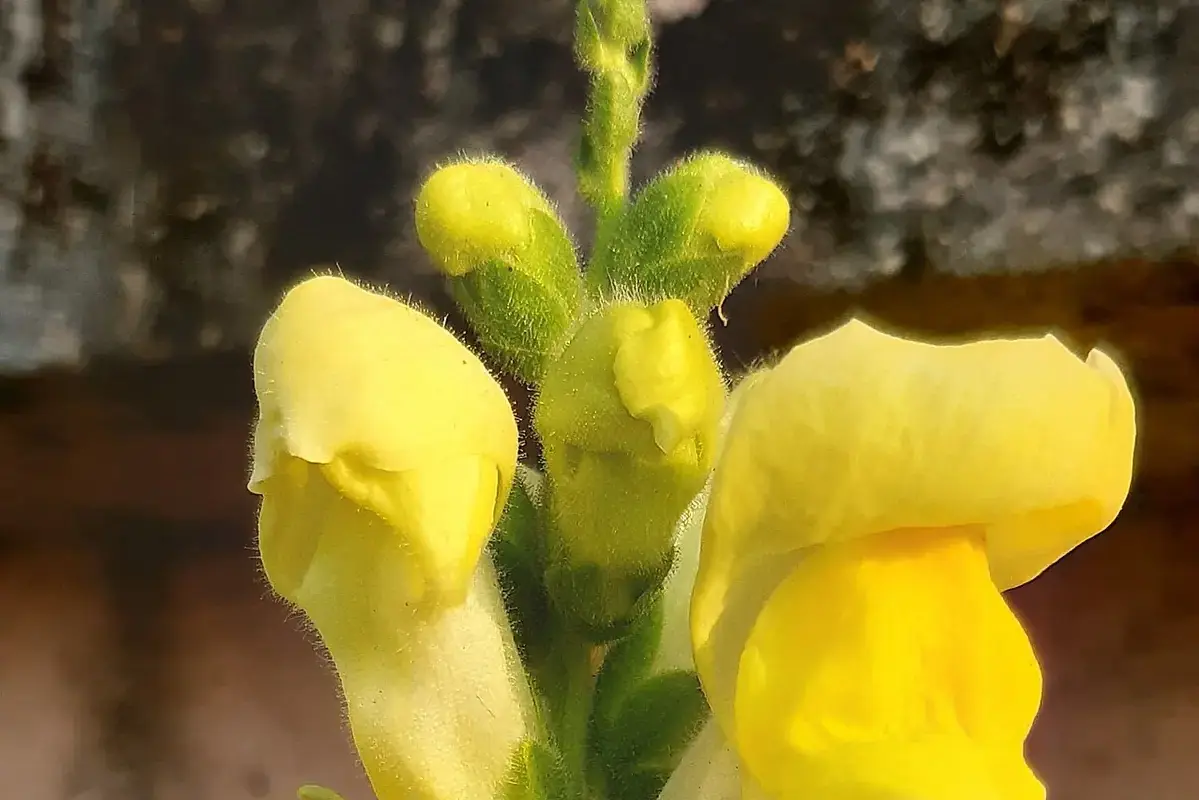
Keep test strips, reagents and sample containers outside the working flower reservoir, and treat readings as limited observations rather than treatment instructions.
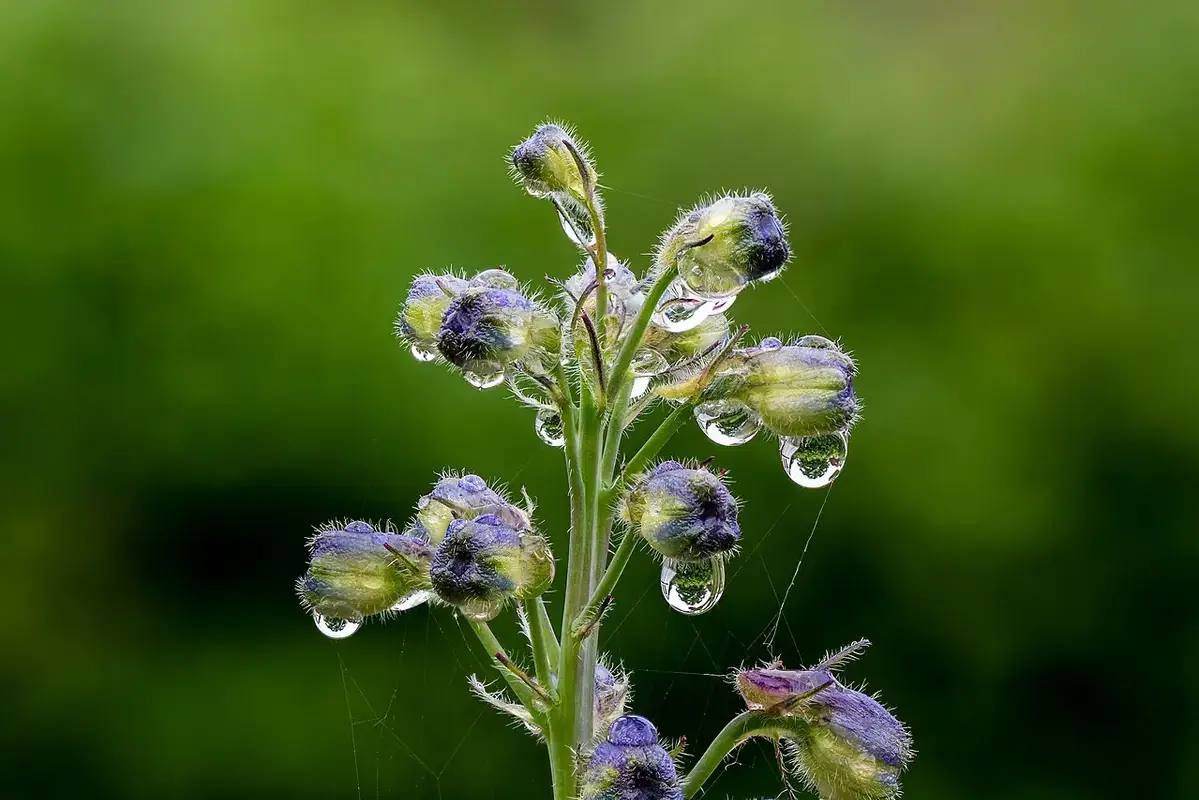
Set useful water depth in a large vessel while allowing for stem displacement, insertion and spill headroom rather than filling its entire capacity.

Protect the ornamental bracts of sea holly by using a lower handhold and a clear withdrawal path instead of stripping its collar like rose thorns.

Select heliconia for its present bract display and sound tissue instead of expecting tight harvested structures to open like temperate flower buds.
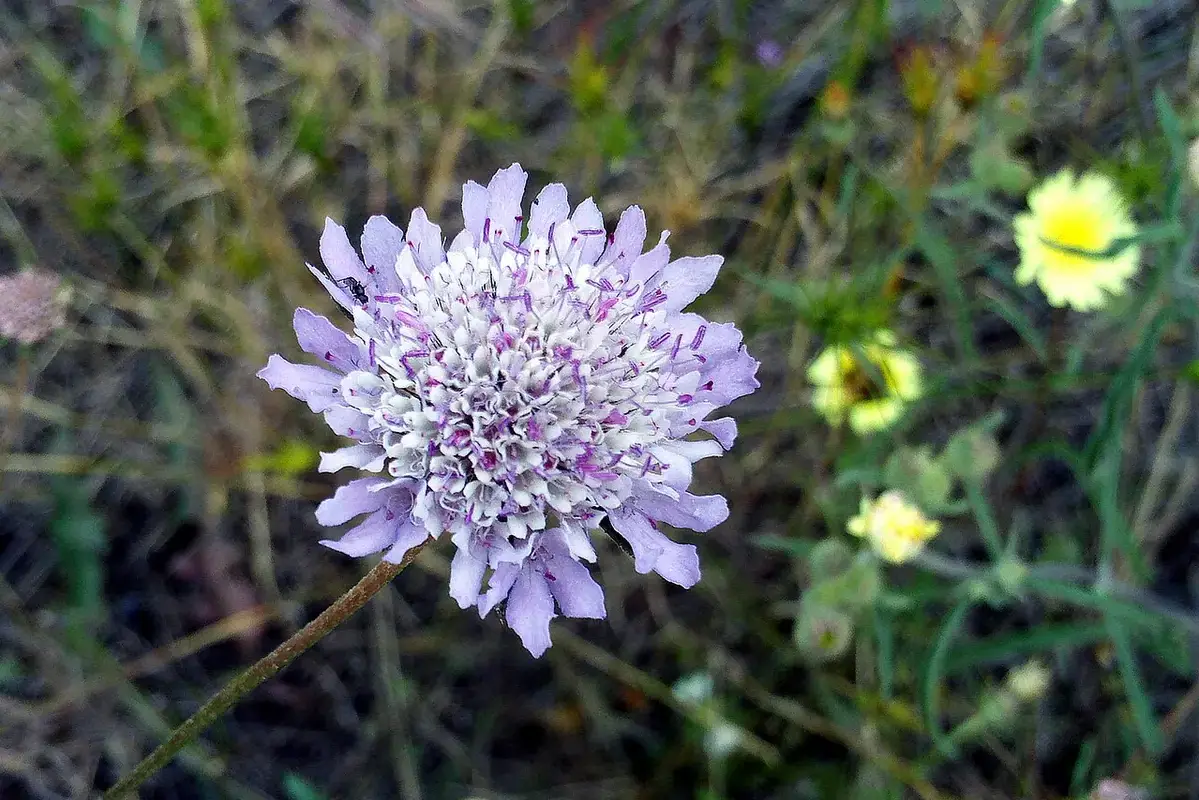
Build a useful flower symptom record with whole-stem context, close detail, scale and repeated views before grooming changes the evidence.
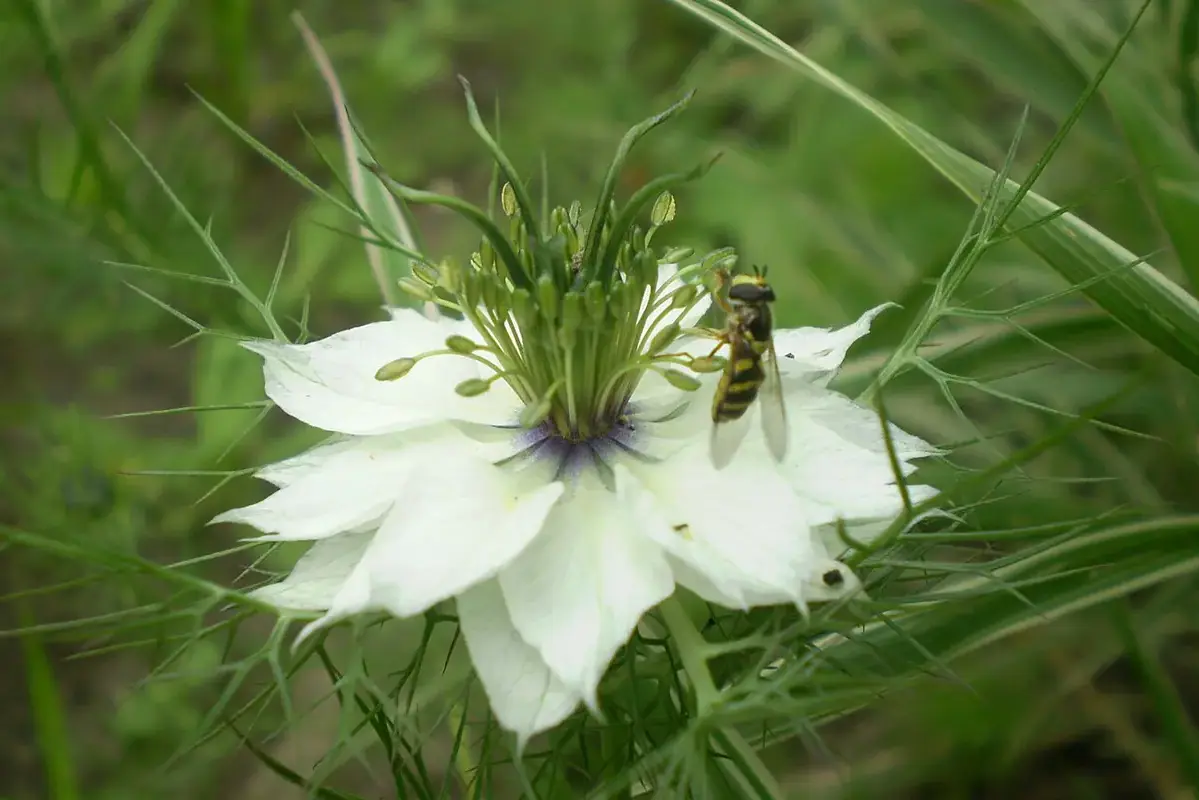
Stop taste tests and seed sharing when a bouquet contains unidentified fruit or pods, and obtain prompt advice for any possible ingestion.

Separate claims about potted plants in laboratory chambers from evidence for cut bouquets in occupied rooms before buying flowers as an air cleaner.
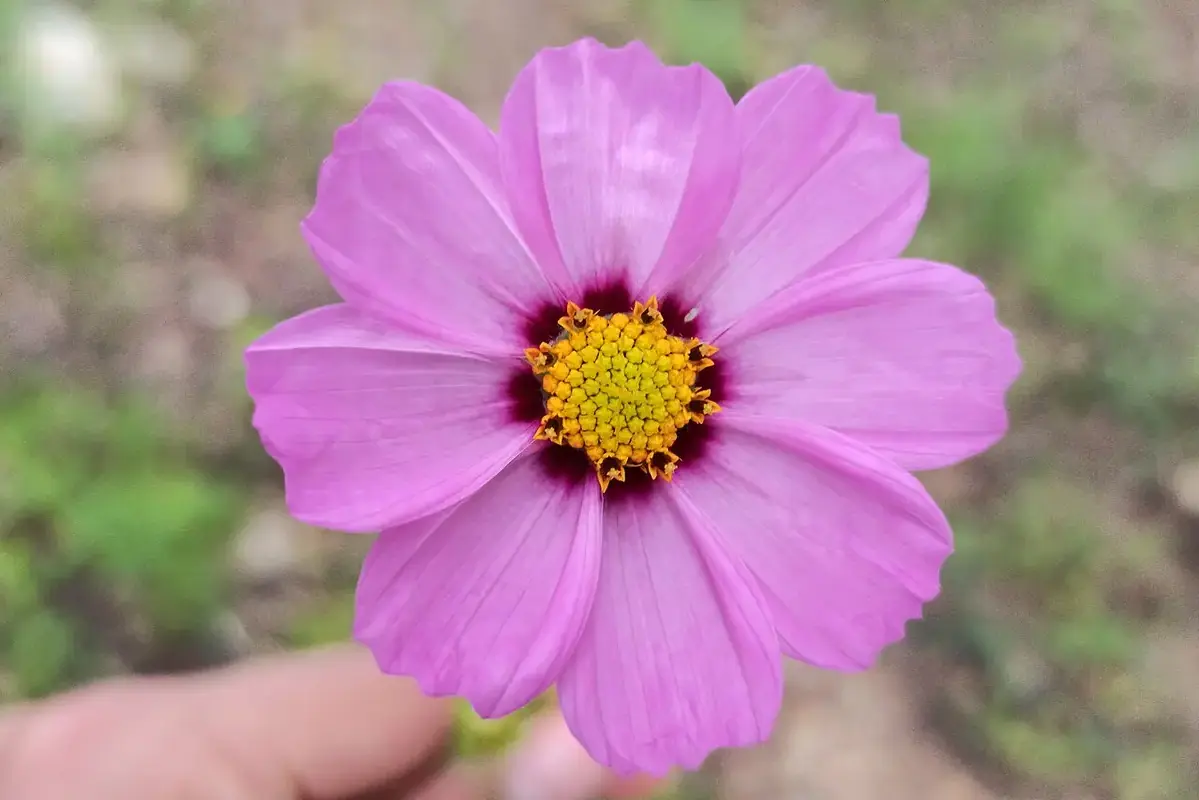
Keep a modest placement log and control obvious differences without claiming a single bouquet proves one room prolongs vase life.

Distinguish moisture-resistant storage from compressing delicate flower heads and choose a rigid supported enclosure instead.

Check dry colour transfer on spare material and isolate dyed preserved flowers before they stain backing cards or other keepsakes.